
 Pin this
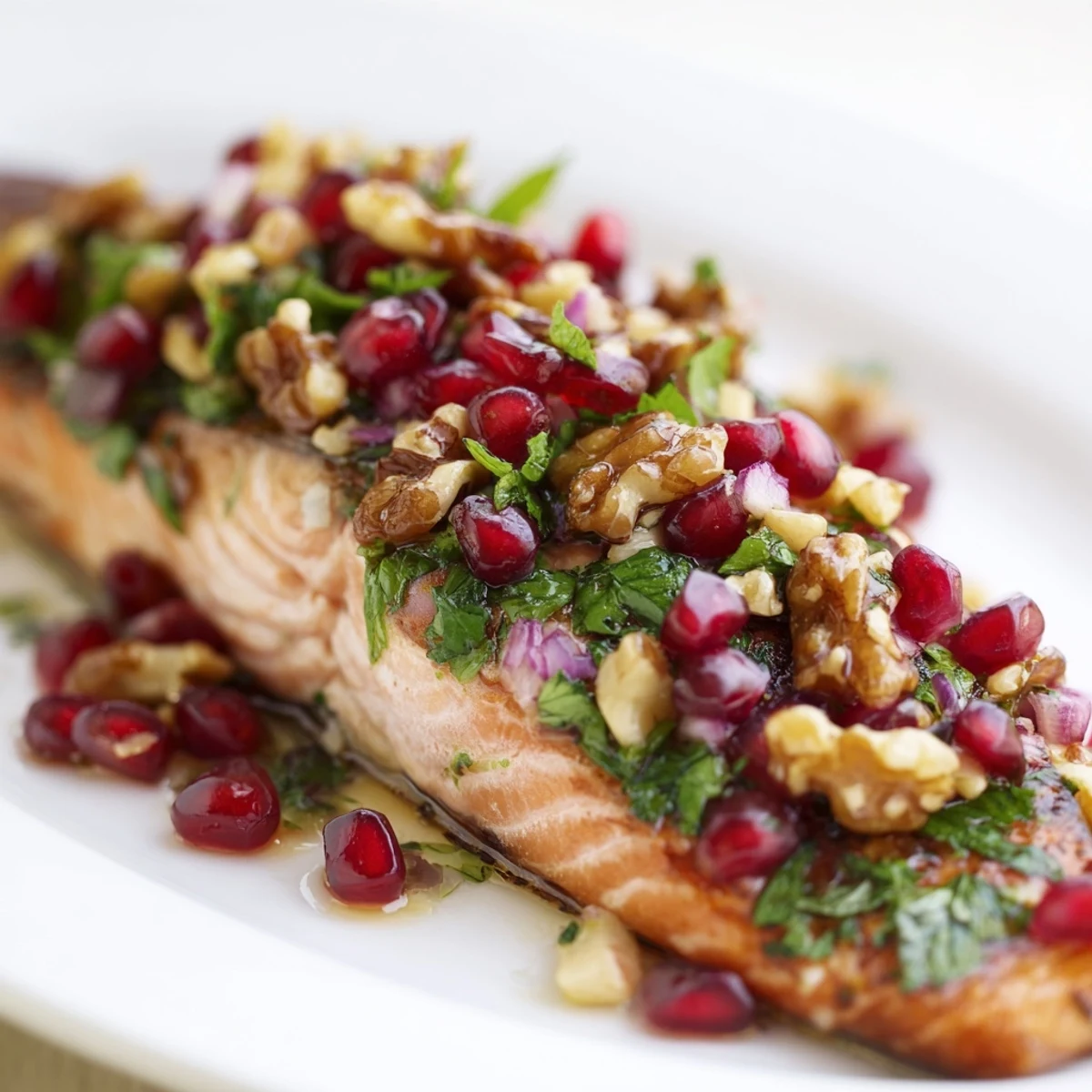
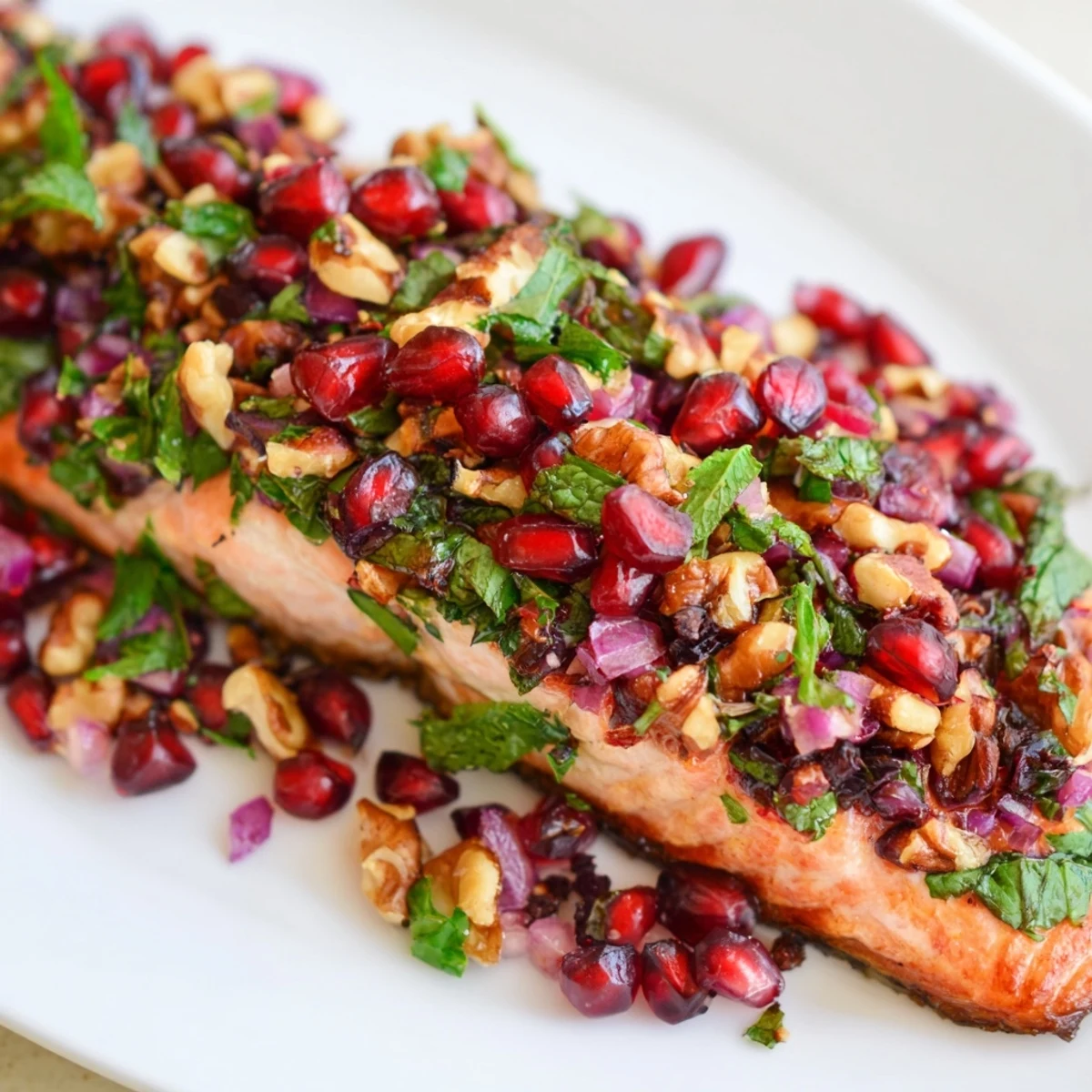
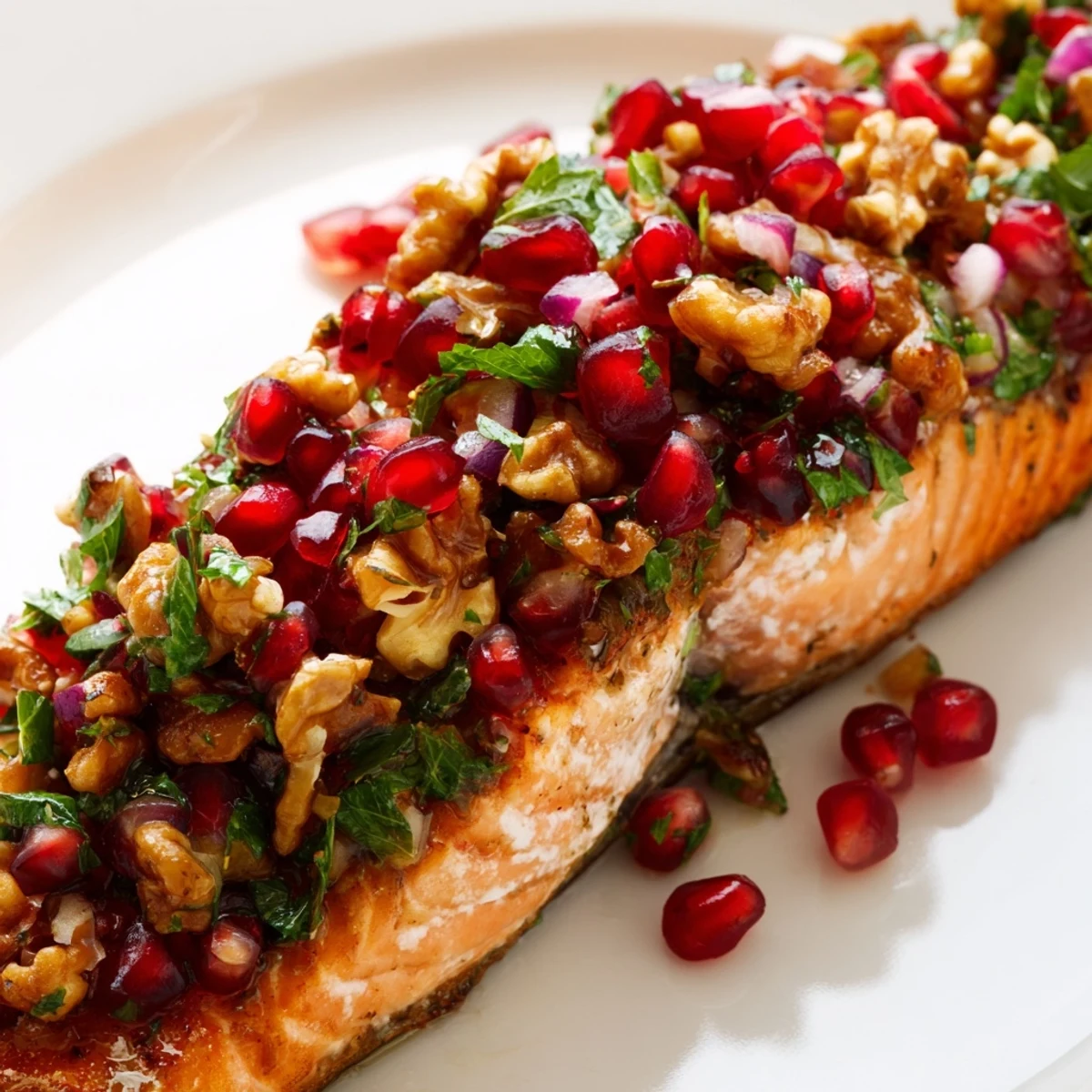
 This dish features tender salmon fillets baked to flaky perfection, enhanced by a vibrant pomegranate walnut salsa. The salsa combines juicy pomegranate seeds, crunchy walnuts, fresh parsley, mint, and tangy lemon juice for a refreshing contrast. With simple seasoning of olive oil, lemon zest, salt, and pepper, the salmon absorbs bright, fresh flavors. Ready in just 30 minutes, this Mediterranean-inspired main offers a delightful balance of textures and tastes, ideal for a quick yet elegant dinner.
There's something about the way pomegranate seeds catch the light that made me fall for this salmon dish. My neighbor showed up one evening with a handful of pomegranates from her tree, and I had salmon thawing on the counter—the combination felt like it was meant to happen. Twenty minutes later, we were both surprised by how the tartness of the fruit and crunch of walnuts transformed what could have been ordinary baked salmon into something that tasted like a restaurant secret.
I made this for my parents last spring when they were visiting, and my mom kept asking why I didn't make it more often. She was right—there's something about watching someone's face when that first bite hits, when the warm salmon meets the cool, snappy salsa. It became the thing they requested every time they came over.
Ingredients
- Salmon fillets: Look for ones with even thickness so they cook at the same rate; skin-on keeps the fish moist, but either works fine.
- Olive oil: Use your everyday version for cooking, but save the good stuff for the salsa where you can actually taste it.
- Lemon zest and juice: Fresh lemon makes all the difference—bottled starts tasting like plastic after a few bakes.
- Pomegranate seeds: If you buy them pre-separated, great; if not, cut the pomegranate in half and knock the back with a spoon over a bowl and watch them tumble out.
- Walnuts: Chop them by hand into uneven pieces so the salsa has some texture variety.
- Fresh herbs: Parsley and mint should be chopped just before you toss the salsa together so they stay bright.
- Red onion: A tiny dice means it adds sharpness without overpowering anything.
Instructions
- Heat your oven and prep:
- Get the oven to 400°F and line your baking sheet with parchment paper so cleanup is simple. This step takes two minutes but saves you scrubbing later.
- Season the salmon:
- Lay the fillets skin-side down, brush them lightly with olive oil, then scatter the lemon zest, lemon juice, salt, and pepper over the top. Don't oversalt—you can always add more, but you can't take it back.
- Bake until just cooked:
- Slide them into the oven for 12 to 15 minutes, depending on how thick your fillets are. You're looking for the moment when the flesh is opaque all the way through but still feels a little tender when you press it gently—that's when it's perfect.
- Build the salsa while salmon cooks:
- In a bowl, combine the pomegranate seeds, walnuts, parsley, red onion, mint, lemon juice, olive oil, salt, and pepper. Toss gently so the pomegranate seeds don't burst and turn everything red.
- Plate and top:
- Transfer the warm salmon to plates and spoon the cold, crunchy salsa generously over each fillet. The contrast of temperatures is part of what makes this work.
 Pin this
 I remember my partner taking a bite and stopping mid-chew because the flavors surprised him. That silence before someone smiles and keeps eating—that's when you know you've made something good.
Why Pomegranate and Walnuts Work
The tartness cuts through the richness of the salmon without any cream or heavy sauce. The walnuts bring an earthy warmth that the pomegranate alone can't, and together they make something that feels intentional, like you planned this instead of just throwing ingredients at a problem. I've tried versions with pistachios and pecans, and they're nice, but there's something about the walnuts that feels right.
Cooking Notes
This dish thrives on simplicity, which means your ingredients need to be good. A sad lemon or old walnuts will show up in the final plate, so taste things as you go. I've also learned that half the magic happens in that moment when you're plating—the warm salmon meeting the cool salsa is sensory contrast that a fully cooled version just doesn't have.
Serving and Pairing
Serve this with something light—quinoa soaks up the lemony oils without feeling heavy, or roasted vegetables on the side if you want something warm to balance the cold salsa. A crisp white wine or dry rosé cuts right through the richness, and honestly, sometimes just a simple green salad with more lemon vinaigrette is all you need.
- Make extra salsa if you're feeding people who actually enjoy things with personality.
- Leftovers are fine cold the next day, though the herbs lose their snap.
- If you're cooking for someone who doesn't like texture, chop everything smaller, but I think you'd lose the whole point.
 Pin this
 This is the kind of meal that feels special without requiring you to spend your whole evening cooking. Make it once and it becomes the thing people hope you're making when they see salmon on your counter.
Recipe FAQs
- → Can I use other nuts instead of walnuts?
-
Yes, substituting walnuts with pistachios or pecans offers a different crunch and flavor while maintaining the salsa's texture.
- → What is the best way to bake the salmon?
-
Preheat the oven to 200°C (400°F) and bake the salmon on a parchment-lined sheet for 12–15 minutes until just cooked and flaky.
- → How can I add a spicy kick to the salsa?
-
Add a pinch of chili flakes to the salsa mix for a subtle heat that complements the sweetness of the pomegranate.
- → What side dishes complement this salmon?
-
Quinoa, couscous, or roasted vegetables pair well, enhancing the meal's Mediterranean profile.
- → Is this dish suitable for gluten-free diets?
-
Yes, all ingredients are naturally gluten-free, making it a suitable option for gluten-sensitive individuals.