
 Pin this
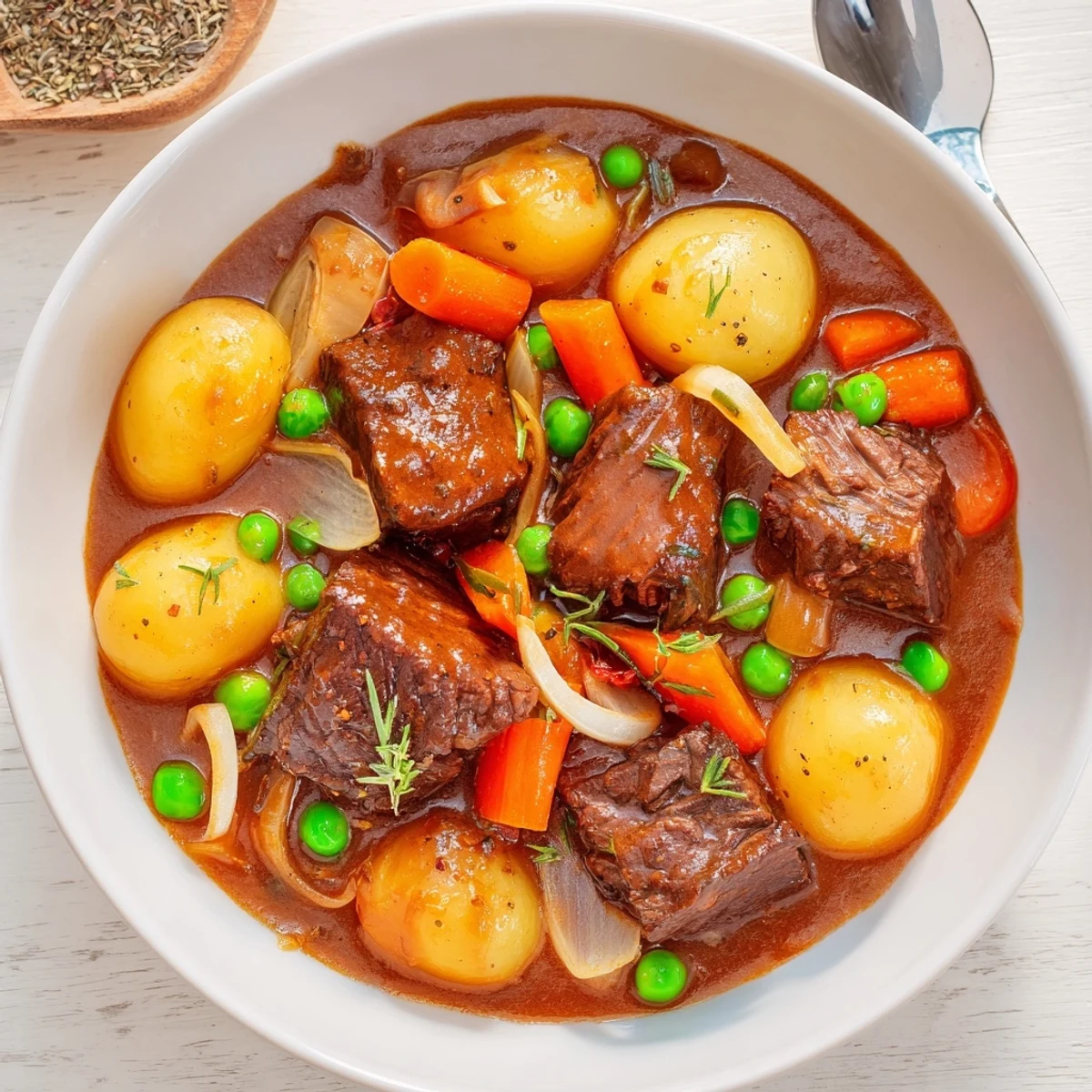
 Brown chuck in batches to develop a deep sear, then soften onion and garlic and stir in flour and tomato paste. Deglaze with red wine, return the beef, add carrots, potatoes, celery, stock and herbs. Simmer low and covered about two hours until beef is fork‑tender, add peas near the end and reduce uncovered to thicken. Use cornstarch for a gluten‑free finish; flavors improve overnight.
The rain was hammering against the kitchen window so hard I thought it might crack, and the only logical response felt like browning meat. There is something primal about searing beef cubes in a hot pot while a storm rages outside. The sizzle drowns out the wind, and within minutes the whole kitchen smells like Sunday at my grandmothers house. That is the power of beef stew: it turns any miserable evening into an event worth remembering.
My friend David walked in once while I was deglazing the pot with red wine and accused me of trying to show off. I handed him a wooden spoon and told him to stir, and twenty minutes later he was asking when he could come back and make it again. Cooking stew for someone is a quiet kind of hospitality.
Ingredients
- 2 lbs beef chuck: Chuck has the right balance of fat and connective tissue that melts into silk after a long simmer, so do not substitute lean cuts.
- 4 medium carrots: Peel and slice them into hearty rounds so they hold their shape and add natural sweetness.
- 3 large potatoes: Dice them fairly large because they will break down slightly and help thicken the broth naturally.
- 2 stalks celery: Sliced thin, celery provides a subtle savory backbone that most people overlook until it is missing.
- 1 large onion: Chop it rough because the pieces will soften into the broth and create deep flavor.
- 3 cloves garlic: Minced fine so it disperses evenly and perfumes every bite without overpowering.
- 1 cup frozen peas: Optional but adding them at the end gives a bright pop of color and sweetness.
- 3 cups beef stock: Use low sodium if possible so you can control the salt level yourself.
- 1 cup dry red wine: A cabernet or merlot works beautifully, and the alcohol cooks off completely during the long simmer.
- 2 tbsp tomato paste: This concentrated umami bomb deepens the color and rounds out the savory notes.
- 2 tbsp vegetable oil: A neutral oil with a high smoke point is ideal for getting a proper sear on the beef.
- Salt and black pepper: Season in layers throughout cooking rather than dumping it all at once.
- 2 bay leaves, 1 tsp dried thyme, and 1/2 tsp paprika: These three work together like a small choir, each voice distinct but harmonious.
- 2 tbsp all purpose flour: This helps build the gravy base, or swap cornstarch if you need it gluten free.
Instructions
- Get a hard sear on the beef:
- Heat oil in a Dutch oven over medium high heat, season the cubes generously, and brown them in batches so the pot stays hot. Listen for that aggressive sizzle because that sound means flavor is building on the bottom of the pot.
- Build the flavor base:
- Lower the heat, add onion and garlic, and sauté until softened and fragrant. Stir in the flour and tomato paste and let them cook for about a minute to toast off the raw edge.
- Deglaze with wine:
- Pour in the wine gradually, scraping up every last brown bit stuck to the bottom because that is where the depth lives. Return the beef and add all the vegetables, stock, bay leaves, thyme, and paprika, then stir everything together.
- Let time do the work:
- Bring it to a boil, then drop the heat to low, cover it, and let it simmer gently for two hours, stirring once in a while to make sure nothing sticks. The kitchen will start smelling incredible around the forty minute mark.
- Finish with peas and adjust:
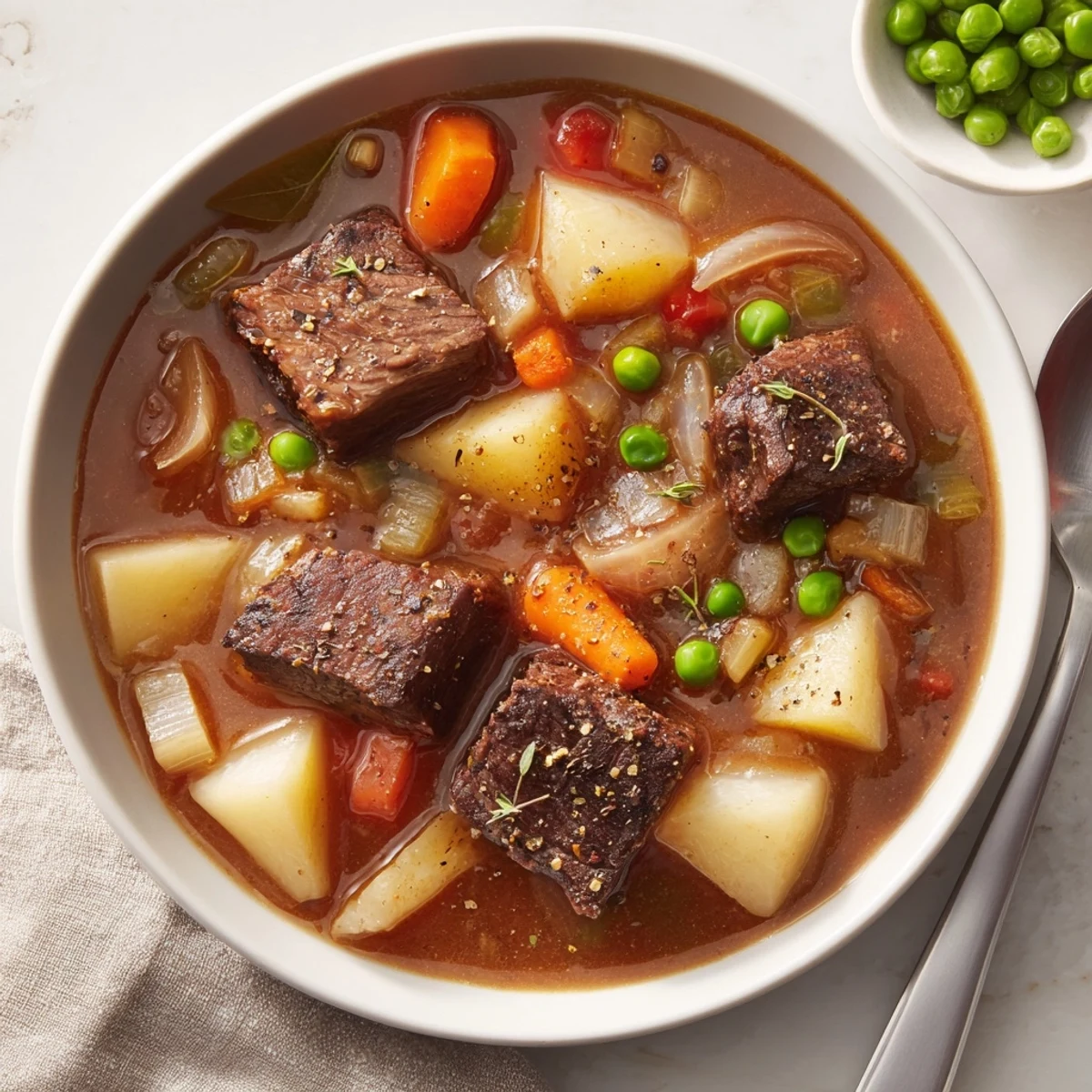
- Remove the lid, add the frozen peas, and simmer uncovered for fifteen more minutes until everything is tender and the broth coats the back of a spoon. Fish out the bay leaves, taste, and add salt and pepper until it sings.
 Pin this
 The first time I served this to a room full of people, the conversation stopped entirely for about ten minutes. All I heard were spoons against bowls and the occasional satisfied groan. That silence was the best compliment I never received out loud.
Serving Suggestions That Actually Matter
Crusty bread is not optional in my house because someone needs to mop up every drop of that broth. Buttered egg noodles work too, and they turn the whole thing into something closer to a holiday meal. A simple green salad with vinaigrette on the side cuts through the richness and keeps it from feeling heavy.
Making It Your Own
Throw in a handful of mushrooms if you love them, or swap parsnips for some of the carrots for an earthier sweetness. A diced bell pepper added with the onions brings a subtle brightness that surprises people. Once you understand the basic method, this stew bends to whatever is in your fridge.
Storage and Reheating
Beef stew keeps beautifully in the fridge for up to four days, and I genuinely believe day two tastes better than day one. The flavors marry overnight in a way that no amount of cooking can replicate in the moment. For reheating, gentle heat on the stovetop works far better than the microwave.
- Freeze individual portions in airtight containers for up to three months for an instant comfort meal.
- Label the containers with the date because even stew gets a little tired after a few months in the deep freeze.
- Always reheat slowly and add a splash of stock if the broth has thickened too much overnight.
 Pin this
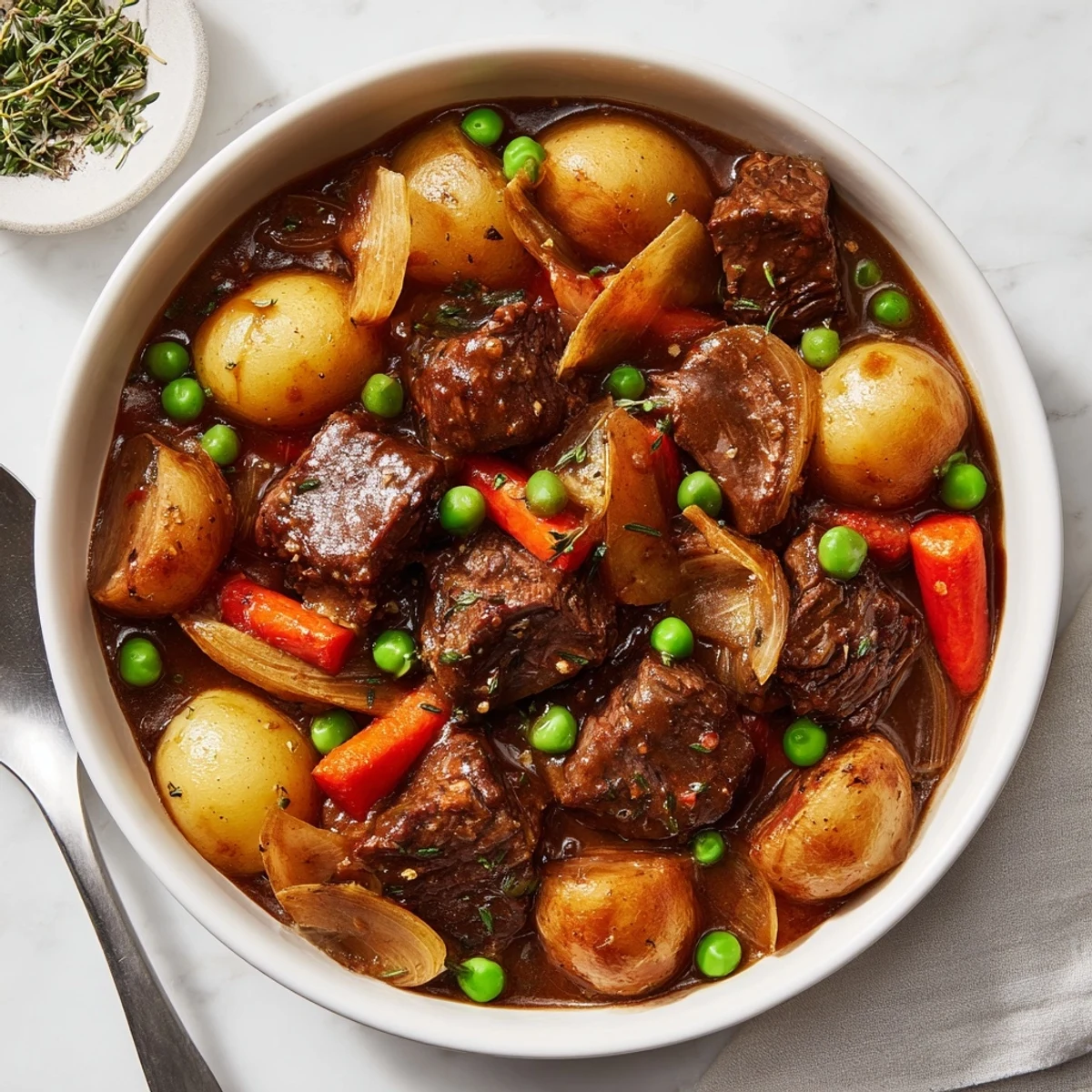
 Some recipes are just dinner, but beef stew is the reason people gather in kitchens during winter. Make a big pot, invite someone over, and let the smell do the talking.
Recipe FAQs
- → How do I thicken the stew without lumps?
-
Toss flour with a little cold water to form a smooth slurry before stirring it into the pot, or dissolve cornstarch in cold water for a gluten‑free option. Add gradually and simmer until the liquid reaches the desired body.
- → Can I omit the wine and still have depth of flavor?
-
Yes. Replace the wine with additional beef stock and add a splash of Worcestershire or a teaspoon of balsamic for acidity and rounded savory notes that mimic the wine's depth.
- → Why is browning the beef important?
-
Searing beef in batches creates caramelized surfaces that add rich, meaty flavor to the cooking liquid. Avoid crowding the pan so pieces brown rather than steam.
- → When should I add delicate vegetables like peas?
-
Add peas or other quick‑cooking vegetables in the final 10–15 minutes of cooking so they stay bright and retain texture instead of becoming mushy.
- → How long can I store leftovers and how do I reheat?
-
Store cooled stew in an airtight container in the refrigerator for 3–4 days, or freeze for up to 3 months. Reheat gently on the stove over low heat, adding a splash of stock if needed to loosen the sauce.
- → What cuts of beef work best for slow simmering?
-
Well‑marbled, tougher cuts like chuck or blade break down and become tender with long, gentle simmering, yielding rich flavor and a silky mouthfeel.