
 Pin this
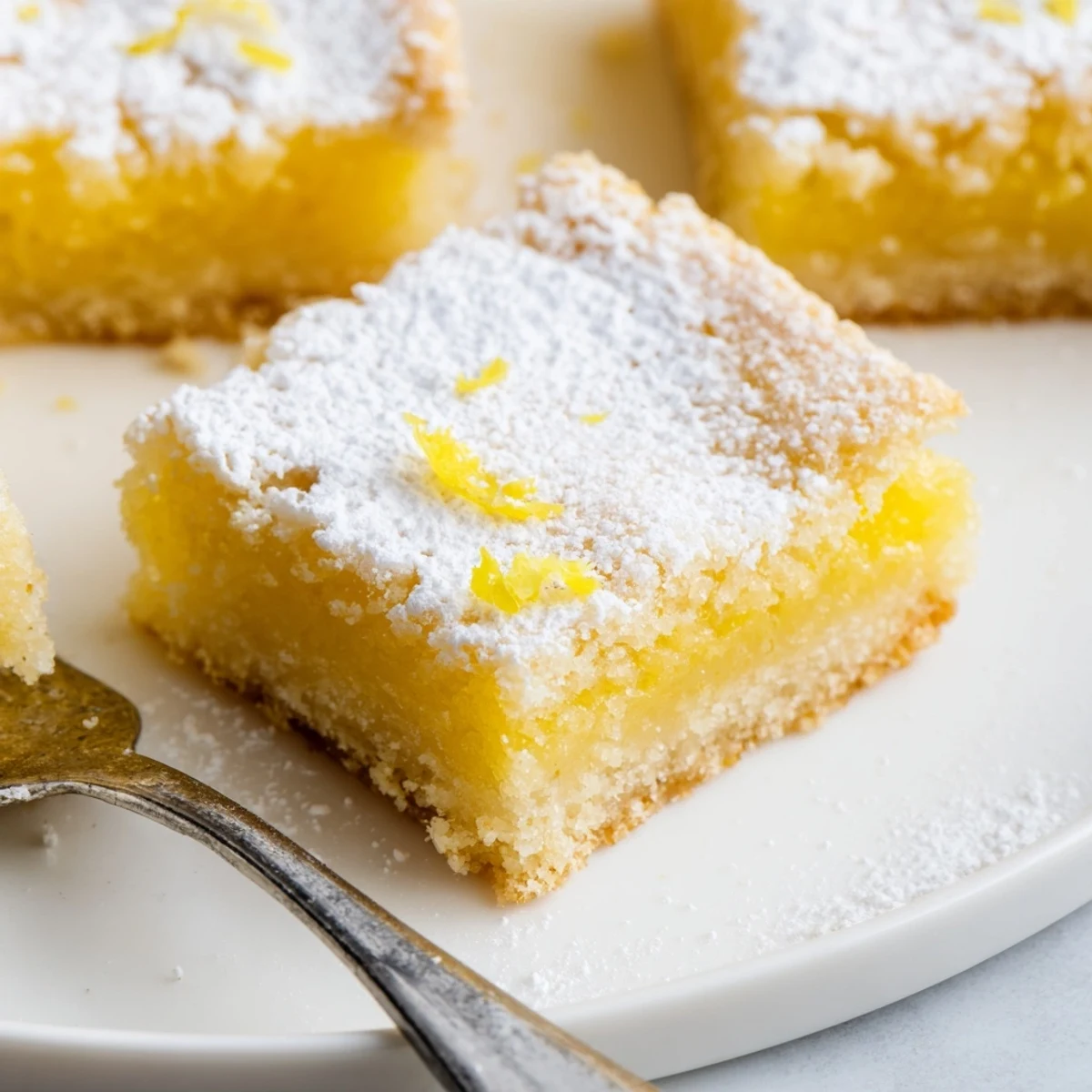
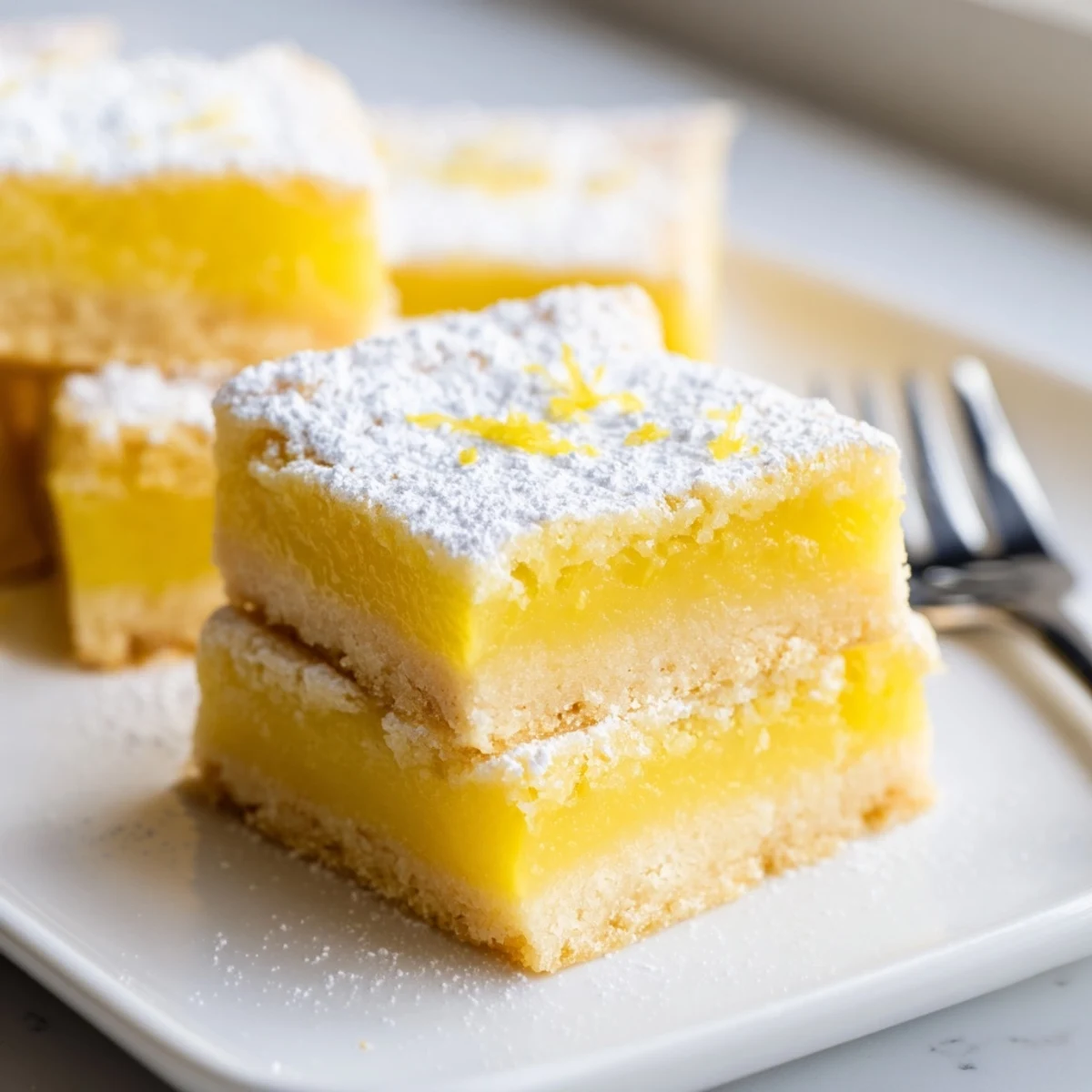
 These bright and fresh lemon bars combine a buttery, crumbly shortbread crust with a silky, tangy lemon filling made from fresh lemon juice and zest.
Ready in just 50 minutes with simple pantry ingredients, they yield 12 generous squares perfect for potlucks, picnics, or everyday desserts.
The crust is pressed into a 9x13 pan and baked until golden, then the egg-lemon filling is poured over the hot base and baked until just set. A dusting of powdered sugar finishes them beautifully.
The screen door slammed and my aunt walked in carrying a plate of lemon bars that smelled like pure sunshine on a Tuesday afternoon in June. I was twelve, barefoot on hot concrete, and that first bite, tart and sweet with a crumbly base that dissolved instantly, rewired something in my brain. I have chased that exact flavor for years, tweaking and adjusting until I finally landed on this version. It is bright, bold, and unfussy in all the right ways.
I brought a batch of these to a neighbor who had just moved in across the street, and she stood on her porch eating two before she even finished unpacking the first box. We have been friends ever since, and she still asks for them every spring.
Ingredients
- Unsalted butter (1 cup, softened): Good butter is the backbone of the crust here, so grab the real stuff and let it soften naturally at room temperature.
- Granulated sugar (1/2 cup for crust, 1 1/2 cups for filling): The crust needs just enough sweetness to balance the lemon flood coming on top.
- All-purpose flour (2 cups for crust, 1/4 cup for filling): That small amount in the filling might seem odd, but it is the secret weapon that keeps the custard from collapsing into soup.
- Salt (1/4 tsp): A pinch in the crust makes every other flavor wake up and pay attention.
- Large eggs (4): They give the filling its silky, custardy structure, so use the best ones you can find.
- Fresh lemon juice (2/3 cup, about 3 to 4 lemons): Bottled juice will betray you here, squeeze it fresh and your kitchen will smell incredible while you work.
- Lemon zest (1 tbsp, finely grated): This is where all the aromatic oils live, so press firmly and zest only the yellow part.
- Powdered sugar (for dusting): A snowy blanket right before serving adds a gentle sweetness and makes everything look finished.
Instructions
- Preheat and prep the pan:
- Set your oven to 350 degrees and line a 9 by 13 inch baking pan with parchment, leaving enough overhang to grab later like handles.
- Build the crust:
- Cream the butter and sugar together until pale and fluffy, then work in the flour and salt until the mixture looks like damp sand that holds together when squeezed.
- Press and bake the base:
- Press the dough firmly and evenly across the bottom of your pan, then slide it into the oven for about 18 minutes until the edges turn a soft gold.
- Whisk the filling:
- While the crust bakes, beat the eggs and sugar until blended, then whisk in the flour, lemon juice, and zest until everything is smooth and fragrant.
- Pour and finish baking:
- Drop the oven temperature to 325 degrees, pour the filling straight over the hot crust, and bake another 18 minutes until the center is set with only the faintest wobble.
- Cool, cut, and finish:
- Let the pan cool completely on a wire rack, lift the whole slab out using the parchment edges, and cut into squares with a sharp knife before dusting generously with powdered sugar.
 Pin this
 There is something about a plate of lemon bars on a kitchen counter that makes people linger a little longer at the table, telling one more story before they leave.
Storing Your Leftovers
Keep any extras in an airtight container in the refrigerator and they will stay fresh for up to four days, though honestly they rarely last that long in my house. The chill actually firms up the filling beautifully, and I know people who insist on eating them cold straight from the fridge.
Citrus Variations Worth Trying
Once you have the base recipe down, swap the lemons for limes and suddenly you have something that tastes like a key lime pie in bar form. Orange juice and zest create a gentler, sweeter version that kids tend to gravitate toward, and a mix of all three is a chaotic joy.
Tools That Make This Easier
You do not need much, but a decent zester and a sturdy whisk will save you time and frustration. A mixing bowl with a pour spout is a small luxury you will appreciate when transferring the filling.
- Run your knife under hot water and wipe it clean between each cut for bakery neat squares.
- A piece of parchment pressed into the corners before baking saves you from the dreaded stuck corner.
- Taste your lemons before juicing, because one surprisingly dull lemon can drag the whole batch down.
 Pin this
 Make a batch this weekend and share them with someone who could use a little brightness, because food this sunny was never meant to be kept to yourself.
Recipe FAQs
- → Can I use bottled lemon juice instead of fresh?
-
Fresh lemon juice is strongly recommended for the brightest, most vibrant flavor. Bottled juice lacks the fresh zestiness and can taste flat. You'll need about 3 to 4 lemons for two-thirds of a cup of juice.
- → How do I know when the lemon filling is fully set?
-
Gently shake the pan — the center should not jiggle or wobble. The edges will look slightly firmer and lightly golden. It will continue to firm up as it cools, so don't overbake.
- → Should lemon bars be stored in the refrigerator?
-
Yes, once completely cooled, store them in an airtight container in the fridge for up to 4 days. Chilling also makes them easier to cut into clean squares.
- → Can I freeze lemon bars?
-
Absolutely. Cut them into squares and freeze in a single layer on a baking sheet, then transfer to a freezer-safe container. They keep well for up to 3 months. Thaw overnight in the fridge.
- → Why is my shortbread crust crumbly and hard to press?
-
The dough should feel crumbly but hold together when pinched. Make sure the butter is properly softened before creaming with sugar. Press firmly and evenly into the pan using your hands or the back of a measuring cup.