
 Pin this
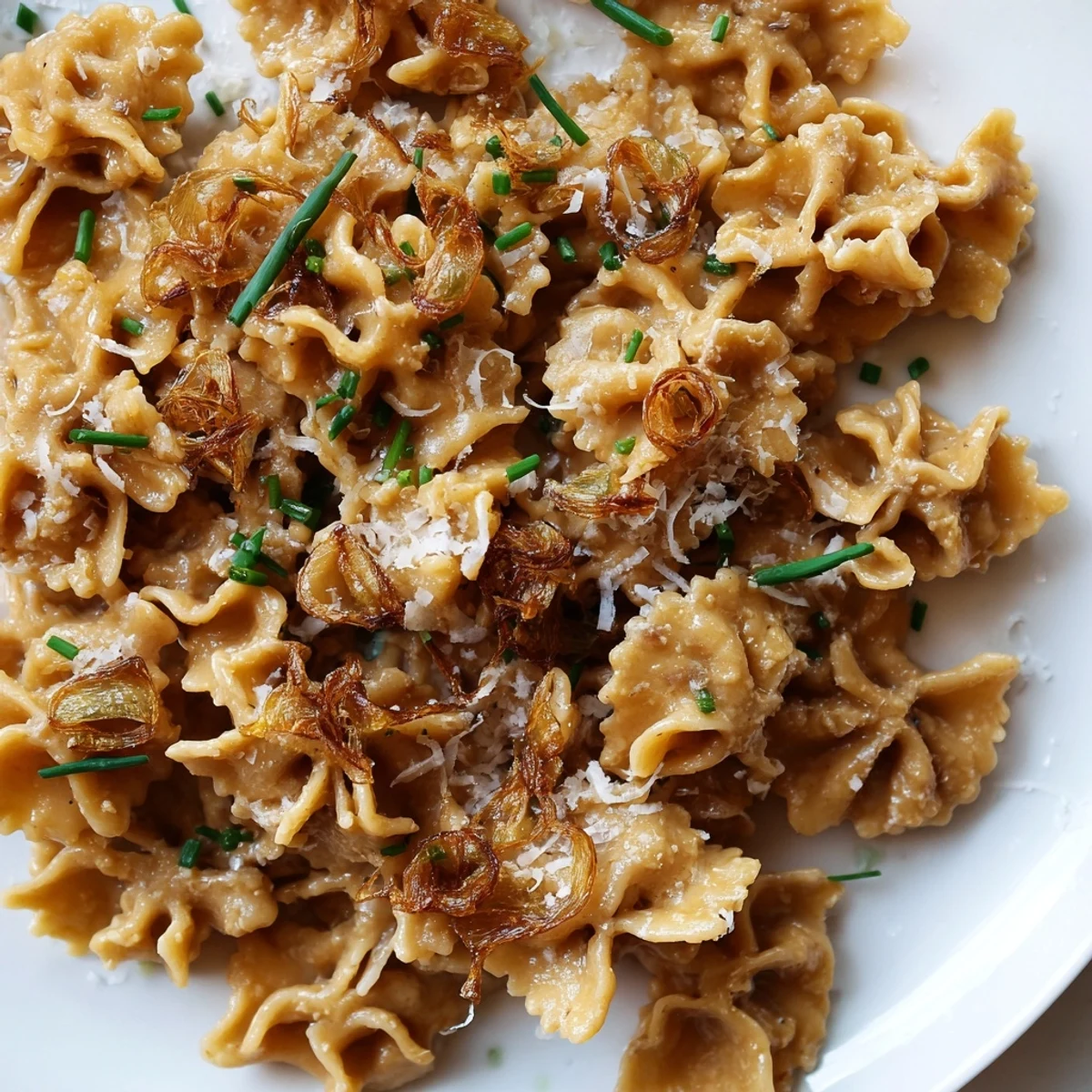
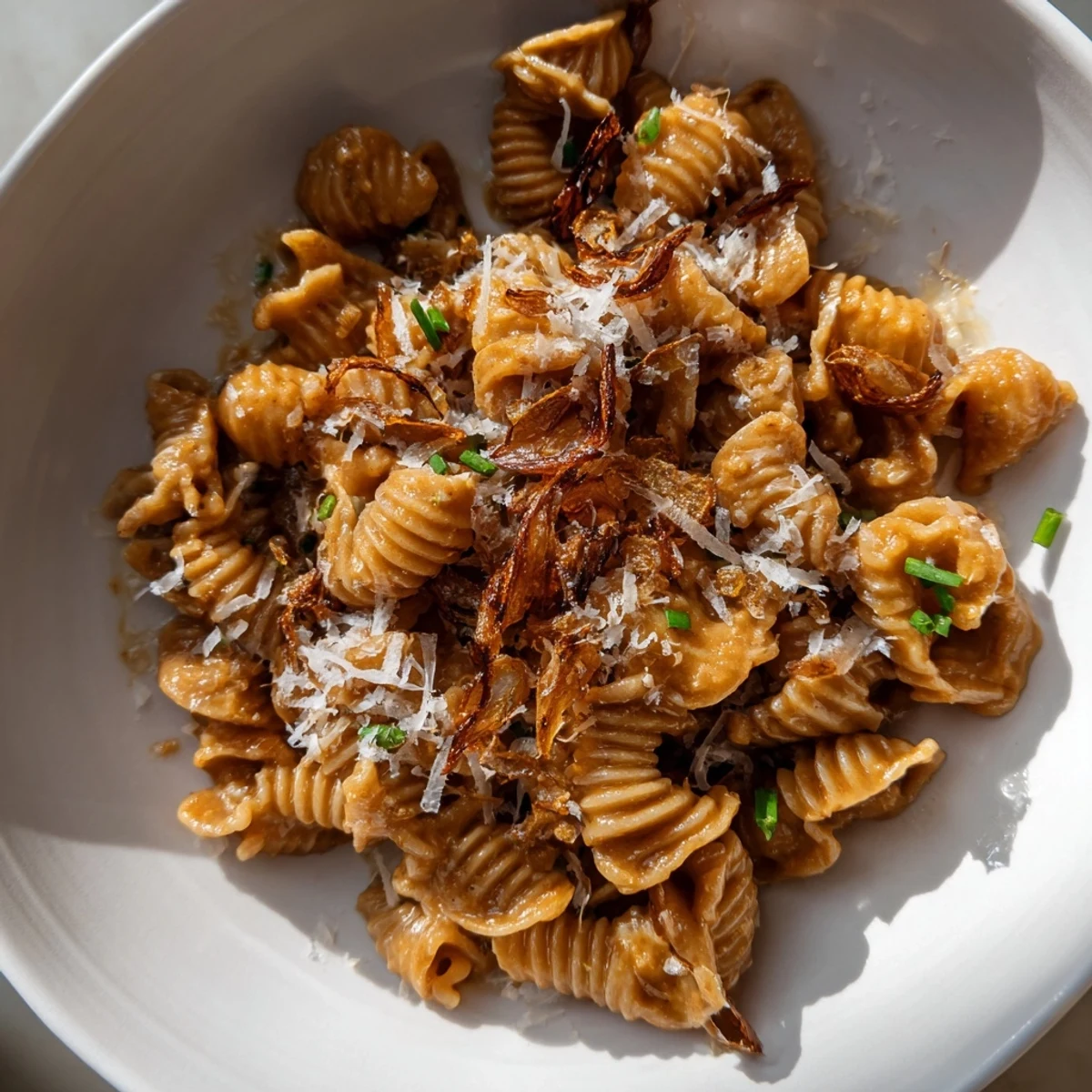
 This fusion pasta brings together the best of Italian and Japanese flavors in one luxurious dish. Radiatori's ridged shape catches every bit of the rich brown butter and miso sauce.
Roasting the garlic transforms it into a sweet, spreadable paste that melts right into the sauce. The white miso adds depth without overpowering, creating a savory backbone.
Crispy fried shallots on top provide a satisfying crunch that contrasts beautifully with the silky pasta. Ready in about an hour, it serves four and works beautifully for a weeknight dinner that feels special.
The smell of butter browning is one of those things that stops you mid sentence in the kitchen and makes you just stand there breathing. I stumbled onto the combination of miso and brown butter during a week when my fridge held nothing but condiments and stubbornness, and that happy accident permanently changed how I think about pasta sauce.
My neighbor knocked on my door the night I first made this for company, supposedly to borrow a corkscrew, but she ended up staying for two plates and a bottle of wine on the kitchen floor.
Ingredients
- Radiatori pasta (400 g): Those little ruffled shapes hold sauce in their folds like tiny edible pockets, which is why radiatori works better here than smoother pastas.
- Garlic (1 large head): Roasting transforms raw garlic into something sweet and spreadable, mellow enough that you could eat it straight from the paper.
- Olive oil (1 tbsp): Just enough to coax the garlic into softening inside its foil blanket.
- Unsalted butter (100 g): Unsalted matters here because you are building flavor from scratch and controlling every grain of salt yourself.
- White or yellow miso paste (2 tbsp): White miso keeps things gentle and slightly sweet, while yellow adds a punchier fermented kick that some people actually prefer.
- Parmesan cheese (1/4 cup grated, plus extra): A hard aged wedge grated fresh will melt more evenly and taste sharper than anything from a green can.
- Lemon juice (1 tbsp, optional): A small squeeze at the end wakes up every other flavor on the plate without tasting overtly citrusy.
- Shallots (2 large): Their mild, almost floral sweetness fries up more delicately than regular onions ever could.
- Neutral oil (1/2 cup): Canola or grapeseed oil has a high smoke point and a clean taste that lets the shallots be the star.
- Fresh parsley or chives (optional): A scattering of green at the end signals freshness and makes the dish look finished.
- Salt and black pepper: Season the pasta water generously and finish with pepper that has been cracked right before it hits the pan.
Instructions
- Roast the garlic slow and low:
- Preheat your oven to 200 degrees C (400 degrees F), slice the top off the garlic head to expose the cloves, drizzle with olive oil and a pinch of salt, wrap it tightly in foil, and let it roast for 30 to 35 minutes until the cloves are golden and squeeze out like soft butter.
- Fry the shallots until they sing:
- Heat neutral oil in a small saucepan over medium heat, add the thinly sliced shallots in small batches so the oil does not crowd, and fry while stirring gently until they turn a deep golden color and sound like rustling leaves when you move them, about 3 to 5 minutes per batch, then lift them out with a slotted spoon onto paper towels and sprinkle with salt immediately.
- Cook the pasta with intention:
- Bring a large pot of well salted water to a rolling boil and cook the radiatori according to package directions until just al dente, tasting a piece a minute before the suggested time because nothing saves overcooked pasta, then scoop out a full cup of the starchy water before draining.
- Brown the butter until it speaks:
- Melt the butter in a large skillet over medium heat and let it cook without rushing, stirring occasionally and watching for the foam to subside and tiny amber flecks to appear at the bottom while a warm nutty smell fills the room, roughly 3 to 4 minutes.
- Marry the miso and garlic:
- Reduce the heat to low, add the miso paste and the mashed roasted garlic into the brown butter, and whisk vigorously until everything melts into a single fragrant sauce that looks like liquid gold.
- Toss and coat the pasta:
- Add the drained pasta directly to the skillet and toss with tongs to coat every ruffle and ridge, then scatter in the Parmesan and a splash of that reserved pasta water, stirring until a glossy sauce clings to each piece, and finish with lemon juice if you are using it and a generous grinding of black pepper.
- Plate with care:
- Divide the pasta among warm plates or shallow bowls, pile the crispy shallots on top, shower with extra Parmesan and fresh herbs if you have them, and serve immediately while the contrast between the silky sauce and the crunchy shallots is at its peak.
 Pin this
 There is something quietly powerful about serving a dish that makes people close their eyes after the first bite.
Making It Your Own
Sauteed mushrooms folded in at the last minute add an earthy layer that plays beautifully with the miso, and a handful of wilted spinach turns this into something that feels almost virtuous without losing any of its indulgent character.
What to Pour Alongside
A cold glass of Sauvignon Blanc cuts through the richness of brown butter and cheese with its crisp acidity, and the pairing feels effortless enough for a Tuesday but special enough for a date night at the kitchen counter.
Pasta Shapes and Swaps
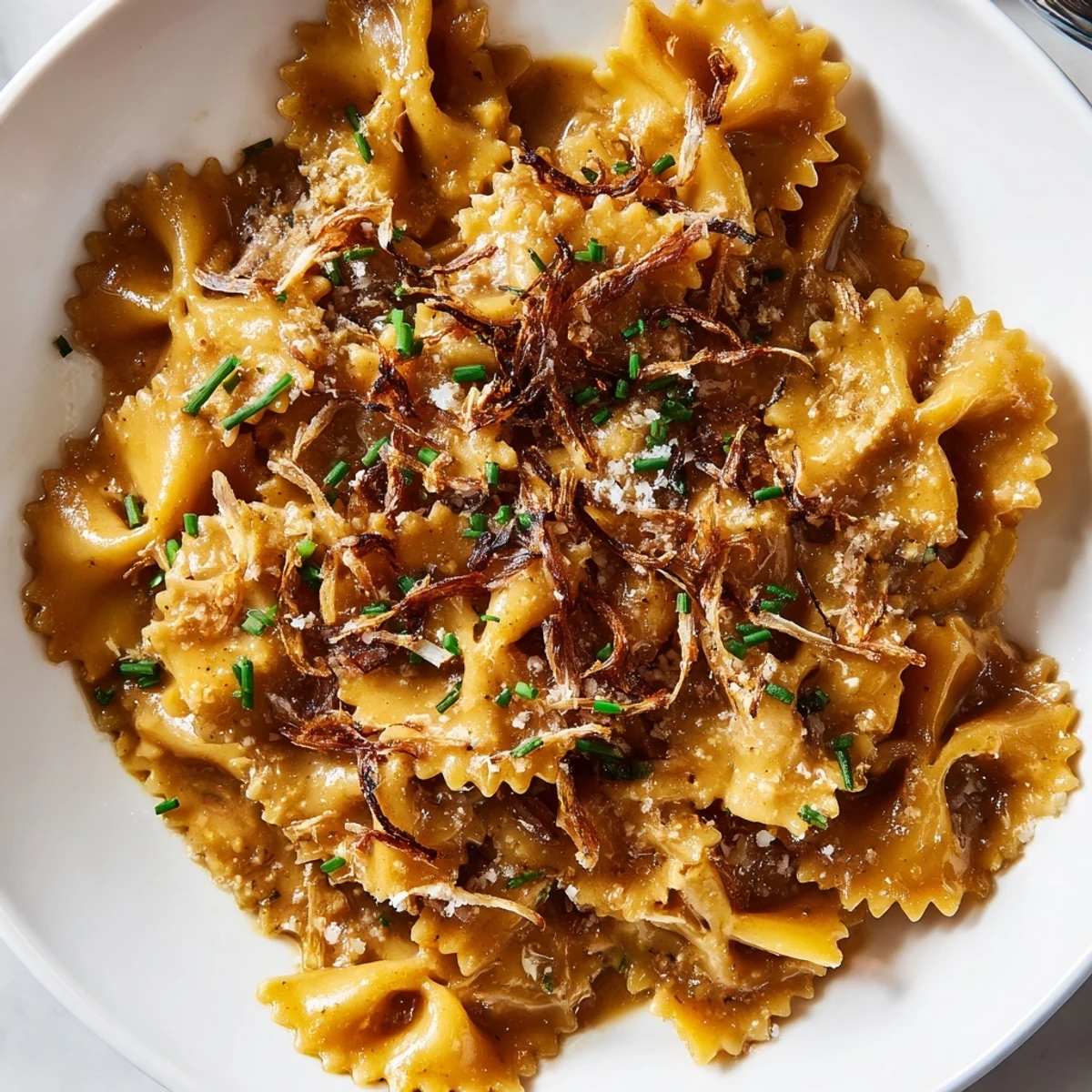
If radiatori is not on your grocery shelf, fusilli or rigatoni step in beautifully because they share the same sauce trapping ridges and hollows that make every forkful satisfying rather than slick.
- Gluten free pasta works too, just rinse it briefly before adding to the sauce to remove excess starch.
- Vegans can swap in plant based butter and a good vegan Parmesan without losing the soul of the dish.
- Always check your miso label if dietary restrictions matter, since some brands sneak in fish based dashi.
 Pin this
 Some dinners are just dinner, but this one has a way of becoming the meal people ask for by name when they walk through your door.
Recipe FAQs
- → Can I use a different pasta shape?
-
Yes, fusilli, rigatoni, or any pasta with ridges or nooks works well. The ridges help grab onto the brown butter miso sauce, so avoid smooth pastas like spaghetti for the best results.
- → What type of miso should I use?
-
White or yellow miso paste is ideal here. It provides gentle umami without being too salty or overpowering. Avoid red miso, which can dominate the delicate brown butter flavor.
- → How do I know when the butter is properly browned?
-
Watch for the butter to foam up, then settle. You will see golden brown flecks at the bottom of the pan and smell a nutty, toasty aroma. This takes about 3 to 4 minutes over medium heat. Remove from heat immediately once it reaches this stage.
- → Can I make the crispy shallots ahead of time?
-
Absolutely. Fry the shallots and store them in an airtight container at room temperature for up to 3 days. They stay crisp and save you time when assembling the dish.
- → Is this dish suitable for vegans?
-
It can be adapted by swapping the butter for a high-quality vegan butter and using vegan Parmesan. Make sure your miso paste is vegan as well, since some varieties contain fish-based dashi.
- → Why roast the garlic instead of using raw?
-
Roasting converts raw garlic's sharp, pungent bite into something mellow and sweet. The cloves become soft enough to mash into a paste that blends seamlessly into the sauce, adding a gentle sweetness that complements the miso.
- → What wine pairs well with this pasta?
-
A crisp, dry white wine like Sauvignon Blanc or Pinot Grigio cuts through the richness beautifully. The acidity balances the buttery sauce while complementing the umami notes from the miso.