
 Pin this
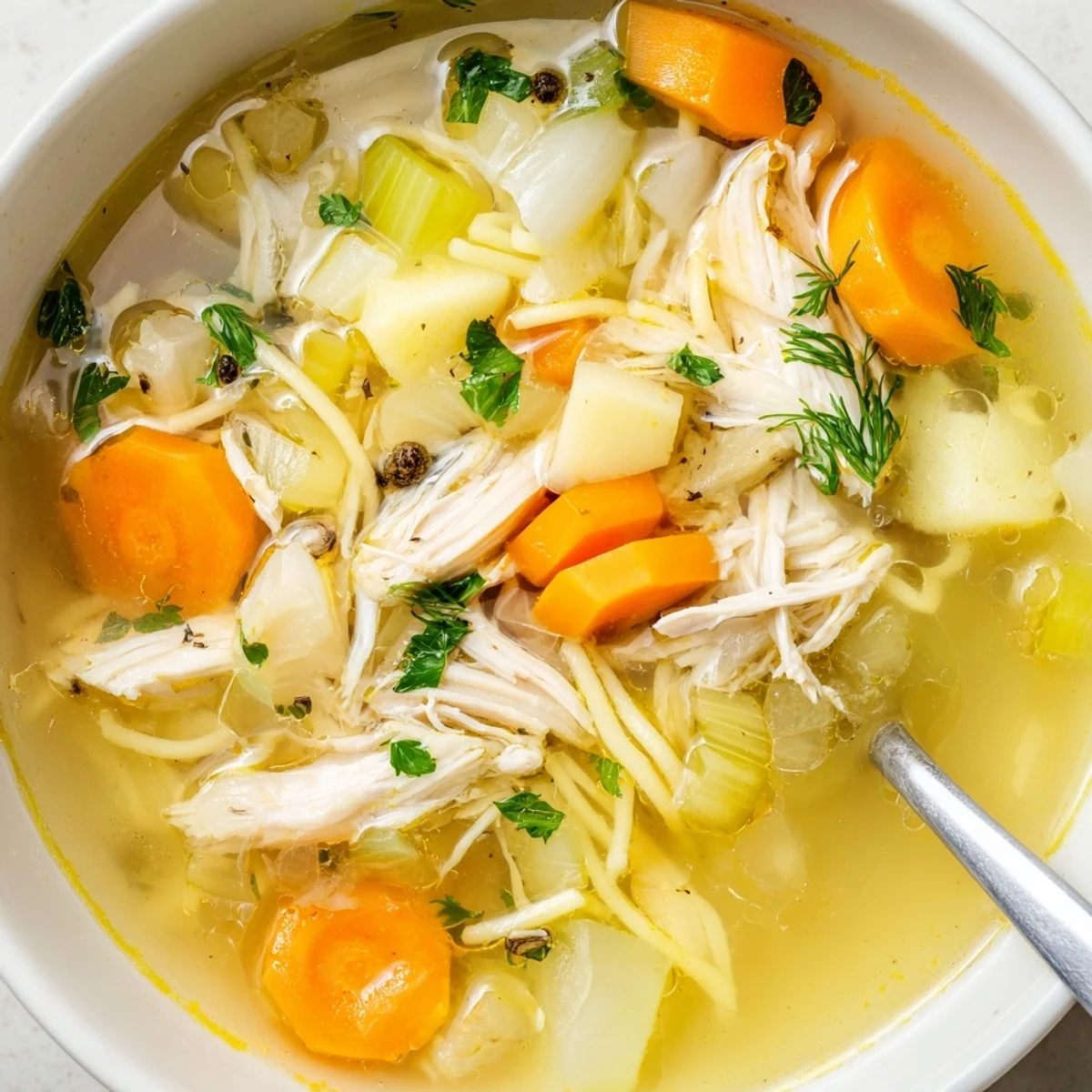
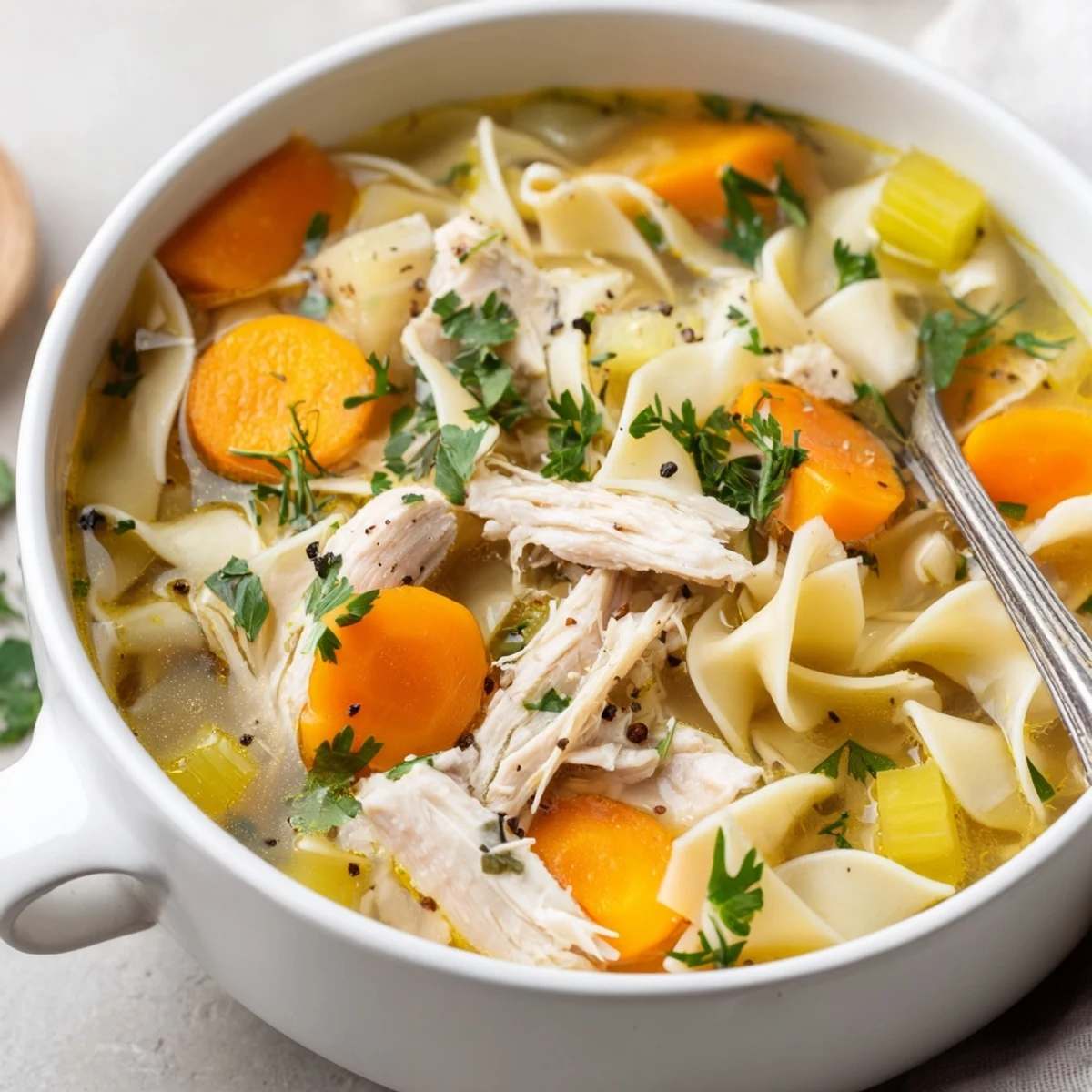
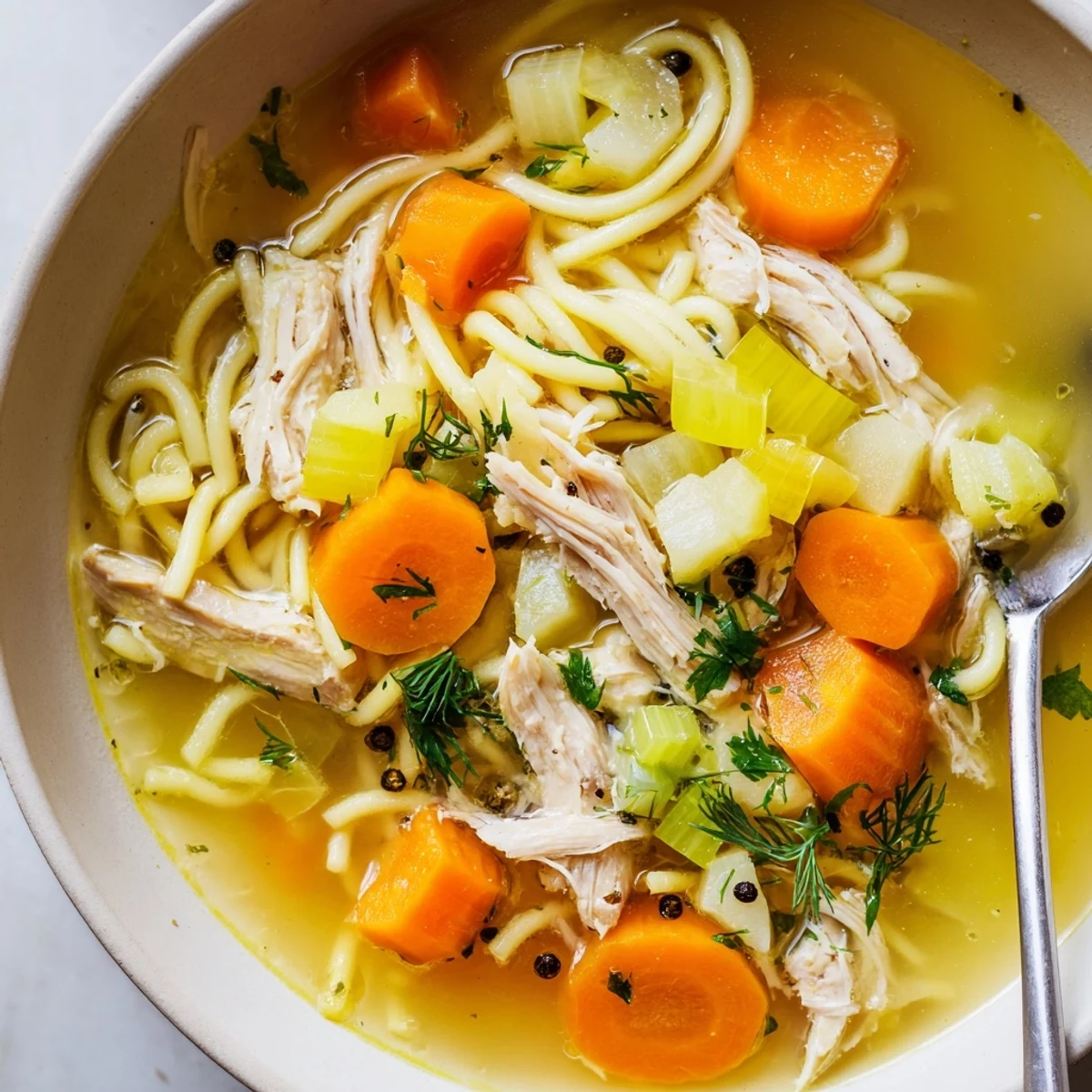
 This classic chicken soup uses bone-in chicken simmered with carrots, celery, onion, garlic, bay leaves and thyme in cold water or low-sodium broth until the meat is tender and vegetables are soft. Remove bones, shred the chicken, add noodles or rice if using, then finish with chopped parsley or dill. Sautéing the vegetables first or letting the pot rest overnight deepens flavor; season to taste.
The screen door slammed shut behind me on a gray November afternoon, and all I could think about was something warm to eat. My grandmother had already started her chicken soup before I even walked in, the whole house smelling like slowly simmered broth and something close to contentment. She never measured anything, just tasted and nodded and added another pinch of thyme. That pot on her stove taught me more about cooking than any cookbook ever has.
I once made a double batch of this soup for a neighbor recovering from surgery, and she called me three days later asking for the recipe because her teenage son had eaten the entire container in one sitting.
Ingredients
- 1 whole chicken (about 1.2 kg), cut into pieces, or 800 g chicken thighs or breasts, bone in, skin on: Bone in pieces give the broth its body and richness, so resist the urge to go boneless here.
- 3 medium carrots, sliced: Slice them on a slight angle for even cooking and a nicer look in the bowl.
- 2 celery stalks, chopped: These form the aromatic backbone alongside the onion.
- 1 large onion, diced: A generous onion adds sweetness that balances the savory broth.
- 3 garlic cloves, minced: Fresh garlic matters here, do not reach for the jarred version.
- 2 bay leaves: Remember to fish them out before serving, they are not a pleasant surprise to bite into.
- 1 parsnip (optional), peeled and sliced: If you have never tried parsnip in soup, it adds a gentle earthy sweetness.
- 2 liters cold water or low sodium chicken broth: Starting with cold liquid helps extract more flavor from the bones.
- 1 tsp whole black peppercorns: Whole peppercorns give subtle warmth without gritty specks throughout the broth.
- 1 small bunch fresh parsley: Stems go into the pot during cooking, leaves get saved for garnish.
- 1 tsp dried thyme or 3 sprigs fresh thyme: Thyme and chicken are a classic pairing for good reason.
- 1 and 1/2 tsp salt, plus more to taste: Start modest and adjust at the end, you can always add more.
- 150 g egg noodles or rice (optional): Noodles make it feel like childhood, rice keeps it simple and comforting.
- Fresh dill, chopped, for garnish: A handful of dill at the end brightens everything beautifully.
Instructions
- Build the foundation:
- Place the chicken pieces in a large pot and pour in the cold water or broth. Bring it to a gentle simmer over medium heat, and use a spoon or skimmer to remove any foam that rises to the top so your broth stays clear.
- Add the vegetables and aromatics:
- Toss in the carrots, celery, onion, garlic, parsnip if using, bay leaves, peppercorns, thyme, and salt. Let everything simmer uncovered for 45 to 60 minutes until the chicken is cooked through and the vegetables are tender when you poke them with a fork.
- Pull the chicken:
- Carefully lift the chicken pieces out of the pot and set them aside to cool slightly. Once cool enough to handle, discard the skin and bones, then shred or chop the meat into bite sized pieces.
- Add noodles or rice if desired:
- Drop in the egg noodles or rice and let them simmer for 8 to 10 minutes until tender. Return the shredded chicken to the pot so it warms through.
- Season and finish:
- Taste the broth and add more salt or pepper if it needs it. Remove and discard the bay leaves and any herb stems lingering in the pot.
- Serve with care:
- Ladle the steaming soup into bowls and scatter fresh parsley and dill over the top. Serve it hot, preferably with someone you care about sitting across the table.
 Pin this
 The night I made this for my family during a power outage, we ate by candlelight and my daughter said it was the best soup she ever tasted, which had more to do with the atmosphere than my cooking.
Storing and Reheating
This soup tastes even better the next day after the flavors have had time to mingle and settle in the fridge overnight. If you added noodles, know they will soak up broth and soften considerably, so you might need to splash in a little water when reheating. Store it in an airtight container for up to four days, or freeze individual portions for busy weeknights when cooking feels impossible.
Serving Suggestions
Crusty bread torn by hand is the only correct accompaniment, though a lightly dressed green salad works if you want to feel virtuous. A glass of Sauvignon Blanc alongside turns a simple bowl of soup into a proper Friday night dinner. Sometimes I sprinkle a little grated Parmesan on top just because it feels right.
Adapting for Dietary Needs
This recipe is naturally gluten free and dairy free as written, which makes it an easy choice when you are cooking for a crowd with mixed needs.
- Use certified gluten free noodles or skip them entirely and add extra vegetables instead.
- If someone has a celery allergy, you can omit it and add a bit of fennel for a similar aromatic quality.
- Always double check your broth labels, some store bought versions hide unexpected allergens.
 Pin this
 A pot of chicken soup on the stove is really just a reason to slow down and take care of someone, including yourself. Let it simmer and let the kitchen fill with that warmth.
Recipe FAQs
- → Should I use bone-in chicken or boneless?
-
Bone-in pieces give a richer, more gelatinous stock and more depth of flavor; boneless meat cooks faster but yields a lighter broth. For maximum body, simmer bone-in thighs or a whole chicken until tender, then remove bones before shredding.
- → How do I keep the broth clear?
-
Start with cold water, bring to a gentle simmer (avoid a rolling boil), and skim any foam that rises. Low, steady simmering and minimal agitation help the solids settle and produce a clearer, cleaner-tasting broth.
- → When should I add noodles or rice?
-
Add egg noodles or rice toward the end of cooking, typically 8–12 minutes before serving, so they stay tender without breaking down. For leftovers, cook grains separately and combine when reheating to prevent them from absorbing too much liquid.
- → Can I swap vegetables or herbs?
-
Yes. Parsnip can be used for sweetness, and fresh thyme or a small bunch of parsley adds brightness. Hold delicate herbs like parsley or dill until the end to preserve color and fragrance.
- → How can I make this gluten-free?
-
Use rice or certified gluten-free noodles and verify that any store-bought broth or packaged ingredients are labeled gluten-free. Many simple swaps keep the dish safe without changing its character.
- → Any tips for deeper flavor?
-
Sauté the vegetables briefly in a little olive oil before simmering to develop sweetness, use bone-in chicken, and let the pot cool and sit overnight to allow flavors to meld; reheat gently and adjust seasoning before serving.