
 Pin this
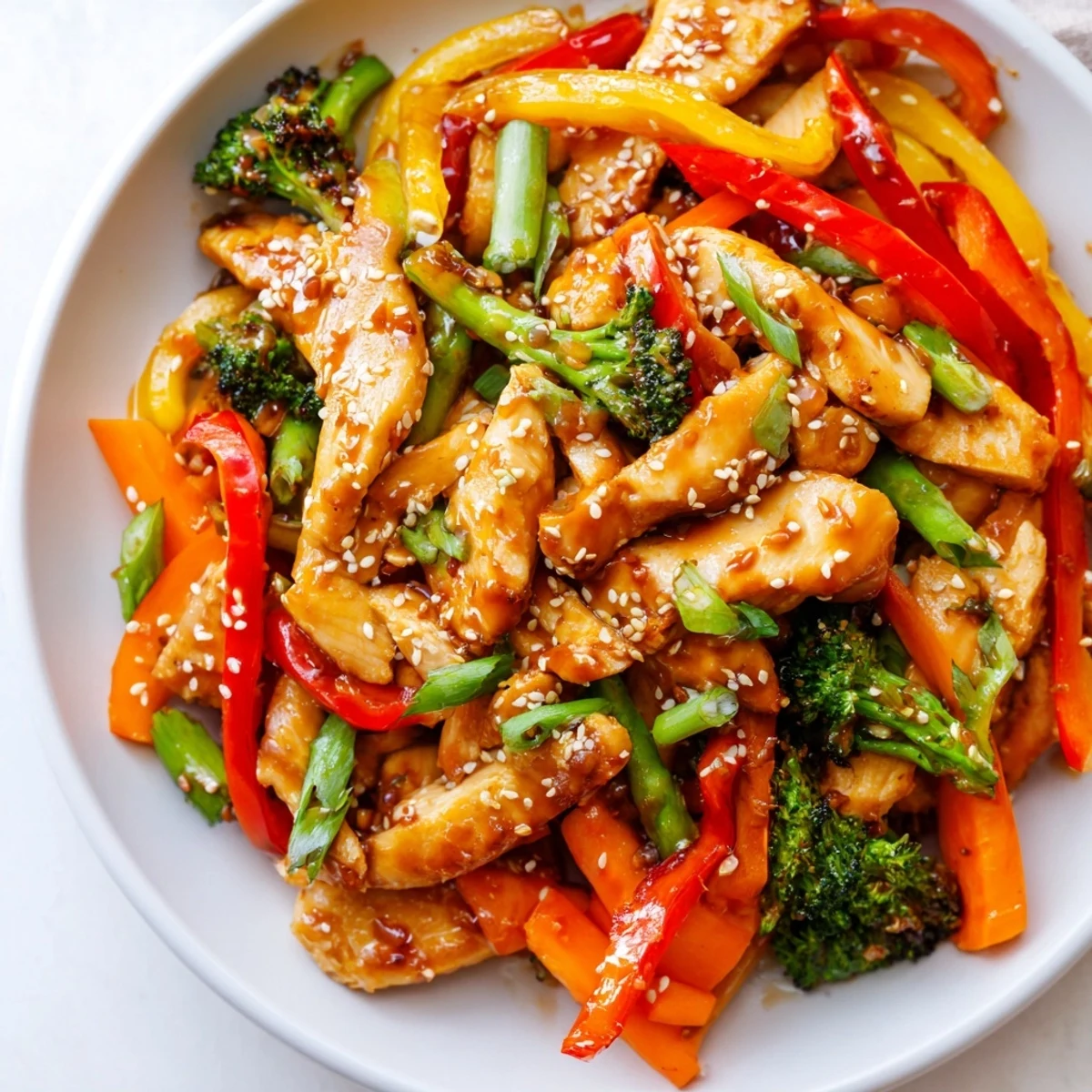
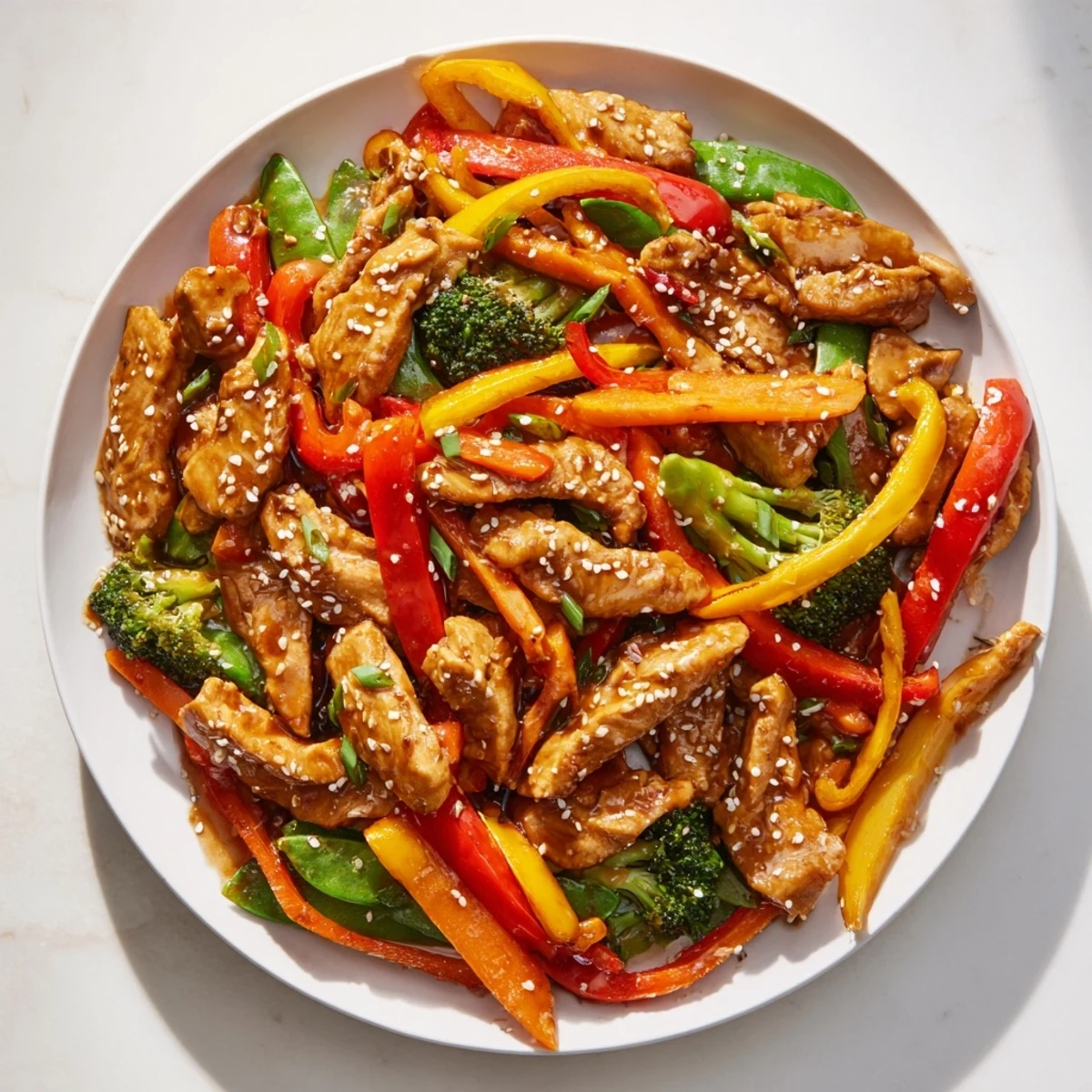
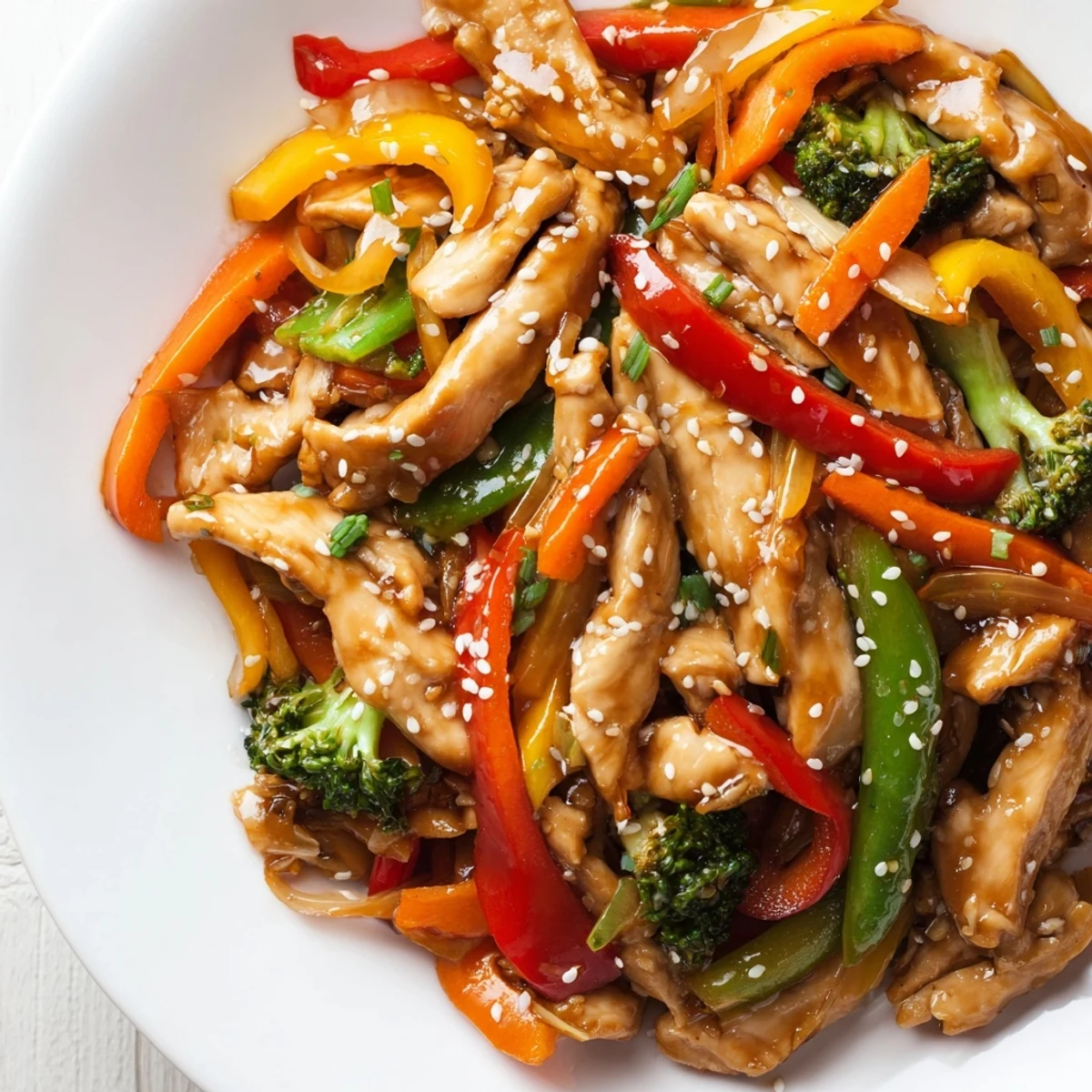
 This dish features tender chicken breast slices stir-fried with a colorful mix of bell peppers, carrot, broccoli, snap peas, and spring onions. A savory sauce combining soy, oyster, and sesame oil enhances the natural flavors while adding a silky texture. Ready in 30 minutes, it's perfect for a quick, nutritious dinner. Optional garnishes like toasted sesame seeds and fresh herbs add depth and freshness.
There's something almost meditative about the sound of vegetables hitting a hot wok, that quick sizzle that tells you everything is about to come together. I stumbled onto this chicken stir fry on a Wednesday when I had thirty minutes, a craving for something bright, and absolutely nothing fancy in mind. What surprised me was how the sauce—that perfect balance of sweet, savory, and sesame—turned simple weeknight ingredients into something I actually looked forward to making again.
I made this for my partner on a night when neither of us wanted to order takeout again, and they asked for seconds before I'd even sat down. That moment—when someone genuinely enjoys what you've put in front of them without needing a long explanation—is when you know a recipe is a keeper.
Ingredients
- Chicken breast: Slice it thin so it cooks evenly and stays tender; rushing through the slicing here saves you from dry chicken later.
- Red and yellow bell peppers: They add sweetness and color, and honestly, they're more forgiving than you'd think about how thick you slice them.
- Carrot: A julienne cut means it cooks in the same time as everything else without becoming mushy.
- Broccoli florets: Cut them smaller than you think you need to; they're the last thing to soften and benefit from extra heat.
- Snap peas: These stay crisp if you don't overthink it, and they add a fresh crunch that makes the whole dish feel lighter.
- Spring onions: Add these at the very end so they stay bright and sharp instead of losing themselves in the heat.
- Garlic and ginger: Mince them fine; they perfume the whole pan in seconds and make everything taste intentional.
- Soy sauce: Use tamari if you're keeping things gluten-free, and don't skip it—it's where the savory depth comes from.
- Oyster sauce: It sounds exotic but it's just umami in a bottle, the secret that makes people wonder what you did differently.
- Sesame oil: A little goes a long way; it's the finishing touch that makes this taste like actual stir fry instead of stir-fried vegetables.
- Cornstarch: Whisked in cold sauce, it thickens everything into a glossy coat that clings to the vegetables instead of pooling at the bottom.
- Chicken broth: This lightens the sauce just enough so it feels balanced rather than heavy.
- Honey: A teaspoon rounds out the flavors without making anything sweet; brown sugar works if that's what you have.
- Black pepper: Freshly ground makes a difference you can actually taste, especially in something this simple.
- Vegetable oil: Use it for cooking because it has a high smoke point; save the sesame oil for finishing.
- Sesame seeds and fresh herbs: Entirely optional but they turn a weeknight dinner into something that feels a little more intentional.
Instructions
- Build your sauce first:
- Whisk together soy sauce, oyster sauce, sesame oil, cornstarch, chicken broth, honey, and black pepper in a small bowl and leave it sitting nearby. You'll thank yourself when everything else is moving fast.
- Get your wok screaming hot:
- Heat one tablespoon of oil over medium-high heat until it shimmers; this is your signal that the chicken is about to cook properly instead of steam.
- Sear the chicken until it's barely cooked through:
- Three to four minutes is all it needs; the outside should look golden and the inside still pale, because it's about to spend another few minutes in the pan anyway.
- Set the chicken aside and build flavor:
- Add the last tablespoon of oil and let the garlic and ginger perfume the whole wok for just thirty seconds—you'll actually smell the moment it's ready.
- Stir-fry the vegetables to crisp-tender:
- Add everything except the spring onions and keep moving it around for three to four minutes; you want to hear that sizzle the whole time, not silence.
- Bring it all together:
- Return the chicken, pour in that sauce, and stir constantly for two to three minutes until everything glistens with a thin glaze and nothing looks dry.
- Finish with the spring onions:
- Toss them in just before serving so they stay bright and fresh instead of wilting into oblivion.
- Serve immediately:
- Hot plates if you can manage it, garnished with sesame seeds and cilantro if you want people to think you really know what you're doing.
 Pin this
 What I love about this dish is that it sits somewhere between being genuinely healthy and tasting like an indulgence, which is exactly the dinner that gets made twice a month instead of once. It proves that you don't need complicated techniques or fancy ingredients to feed people something they actually want to eat.
Why This Works as a Weeknight Dinner
Thirty minutes from planning to eating is the sweet spot where cooking feels manageable instead of like another chore. Everything cooks in one pan, which means less time staring at dishes afterward, and the whole thing comes together with the kind of rhythm that makes you feel competent even on nights when you're running on fumes. It's also forgiving enough that you can swap vegetables based on what's actually in your produce drawer without the whole thing falling apart.
Building Your Own Version
The magic of stir fry is that once you understand the formula—hot pan, quick cooking, balanced sauce—you can put almost anything in it. I've made this with snap peas swapped for green beans, used tofu when I forgot to defrost chicken, and added extra ginger when I was fighting off a cold. The sauce stays the same, the technique stays the same, and somehow it always tastes intentional instead of like you were just using what was available.
The Small Details That Matter
Mise en place—having everything prepped and sitting in bowls before you turn on the heat—sounds fussy but it's the difference between feeling calm and feeling panicked when a wok is full of hot vegetables. The vegetables cook so quickly that there's no time to chop while things are sizzling, and trying to do both at once is how you end up with burned garlic and half-cooked peppers.
- Keep sesame seeds in a small dish nearby because you'll remember them at the last second and scramble to sprinkle them on before serving.
- If you're serving rice alongside, get that started before you begin cooking the stir fry so everything finishes at the same time.
- Leftovers are genuinely better the next day when the sauce has had time to settle into everything, so don't hesitate to make extra.
 Pin this
 This is the kind of dinner that taught me that good food doesn't need to be complicated, just thoughtful. Make it when you need something fast but real, and watch how it becomes a regular in your rotation.
Recipe FAQs
- → Can I substitute chicken with other proteins?
-
Yes, tofu or shrimp can be used as alternatives to chicken for different flavor profiles and dietary preferences.
- → How do I keep the vegetables crisp-tender?
-
Stir-fry the vegetables quickly over high heat to retain their vibrant color and satisfying crunch.
- → Is it possible to make this dish gluten-free?
-
Use tamari instead of soy sauce and choose gluten-free oyster sauce to accommodate gluten-free diets.
- → What sides pair well with this stir fry?
-
Steamed jasmine rice, brown rice, or rice noodles complement the dish nicely and balance the flavors.
- → Can I add spice to the stir fry?
-
Yes, adding chili flakes or sliced red chili alongside garlic during cooking adds a pleasant spicy kick.