
 Pin this
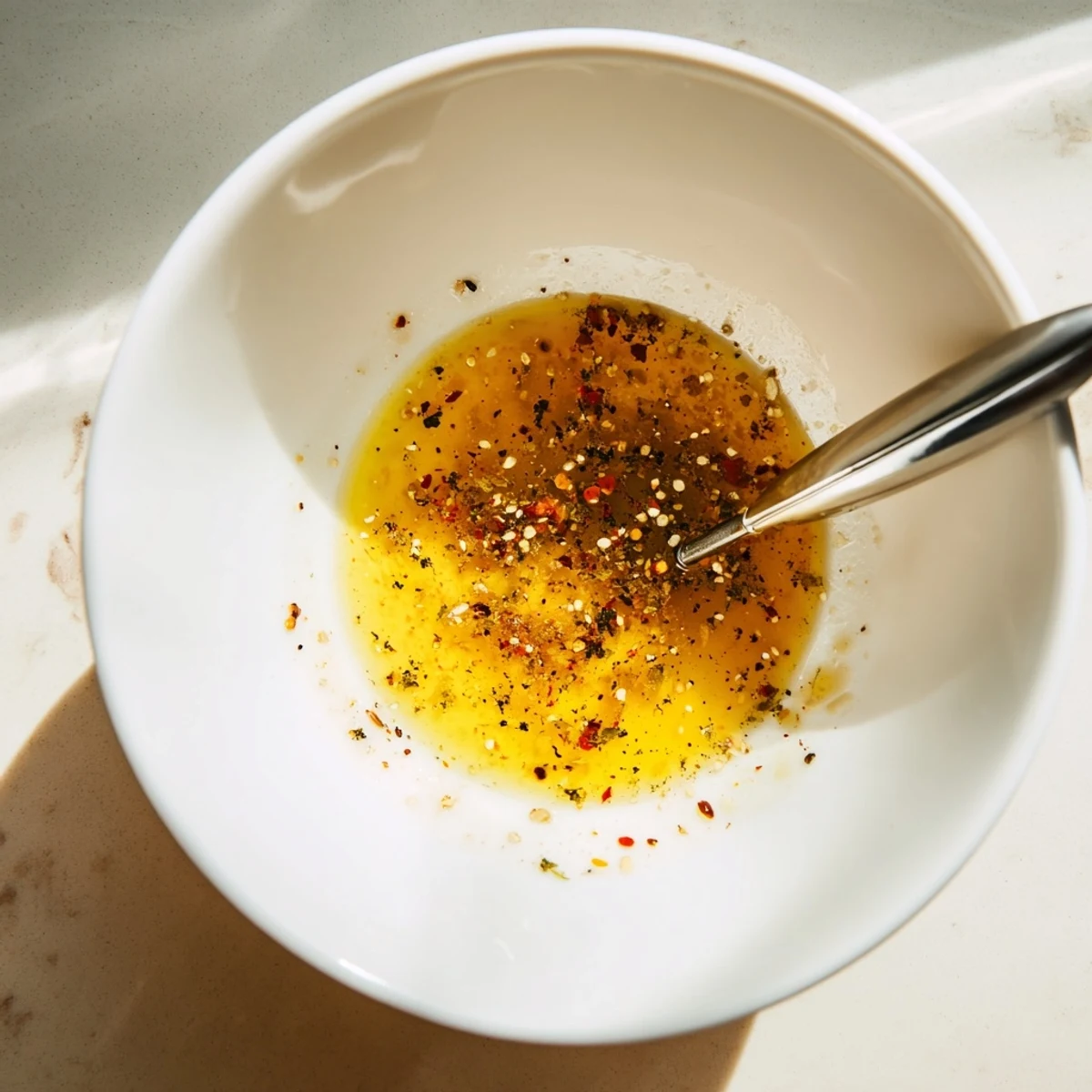
 This classic French vinaigrette blends 1 tbsp red wine vinegar, 3 tbsp extra virgin olive oil, 1 tsp Dijon mustard and a touch of honey or maple syrup. Whisk the acid, mustard and sweetener together, then drizzle in oil while whisking to emulsify. Add minced garlic if desired, season with salt and freshly ground pepper. Use immediately or chill up to a week; add fresh herbs or lemon for variation.
My grandmother never measured anything when she made vinaigrette, and watching her flick oil into a jar with one hand while stirring with a fork felt like watching someone conduct a tiny orchestra. She would taste it off the back of a spoon, squint, add a grain more salt, and declare it perfect. It took me years to realize she was not being secretive about the recipe, she genuinely did not have one written down. This is the version I finally pinned down after standing beside her counter with a measuring spoon and a lot of patience.
I brought a jar of this to a potluck dinner once, fully expecting no one to notice something as simple as salad dressing. Three people pulled me aside to ask what was in it, and my friend David literally dipped bread into the leftover pool on his plate. That moment taught me that the simplest things, when done right, steal the show from everything else on the table.
Ingredients
- Extra virgin olive oil (3 tbsp): Use the good stuff here, since there are so few ingredients, the quality of your oil shines through immediately.
- Red wine vinegar (1 tbsp): White wine vinegar works just as well, but red wine vinegar gives a bolder tang that cuts through rich greens beautifully.
- Dijon mustard (1 tsp): This is the emulsifier that holds everything together and adds a subtle heat that makes the dressing feel grown up.
- Honey or maple syrup (1 tsp, optional): A touch of sweetness rounds out the acidity, and I almost always include it unless the salad already has fruit.
- Garlic clove, finely minced (1 small, optional): One clove is enough, any more and it starts to overpower the delicate balance you are building.
- Salt: Add gradually and taste as you go, flaky sea salt dissolved into the dressing changes the entire character.
- Freshly ground black pepper: Pre ground pepper tastes flat here, take the extra ten seconds to grind it fresh.
Instructions
- Build the Base:
- In a small bowl, whisk together the vinegar, Dijon mustard, honey if you are using it, and the minced garlic until the mixture looks smooth and unified. You will smell the sharp vinegar soften as the mustard folds in.
- Drizzle and Emulsify:
- Slowly pour in the olive oil in a thin steady stream while whisking like you mean it, never stop moving the whisk. The dressing will transform from separated and watery to creamy and slightly thickened before your eyes.
- Season to Taste:
- Add salt and pepper a little at a time, tasting after each addition until the flavor pops without overwhelming your tongue.
- Serve or Store:
- Pour it immediately over crisp greens, or tuck it into a sealed jar in the refrigerator where it will keep happily for up to a week.
 Pin this
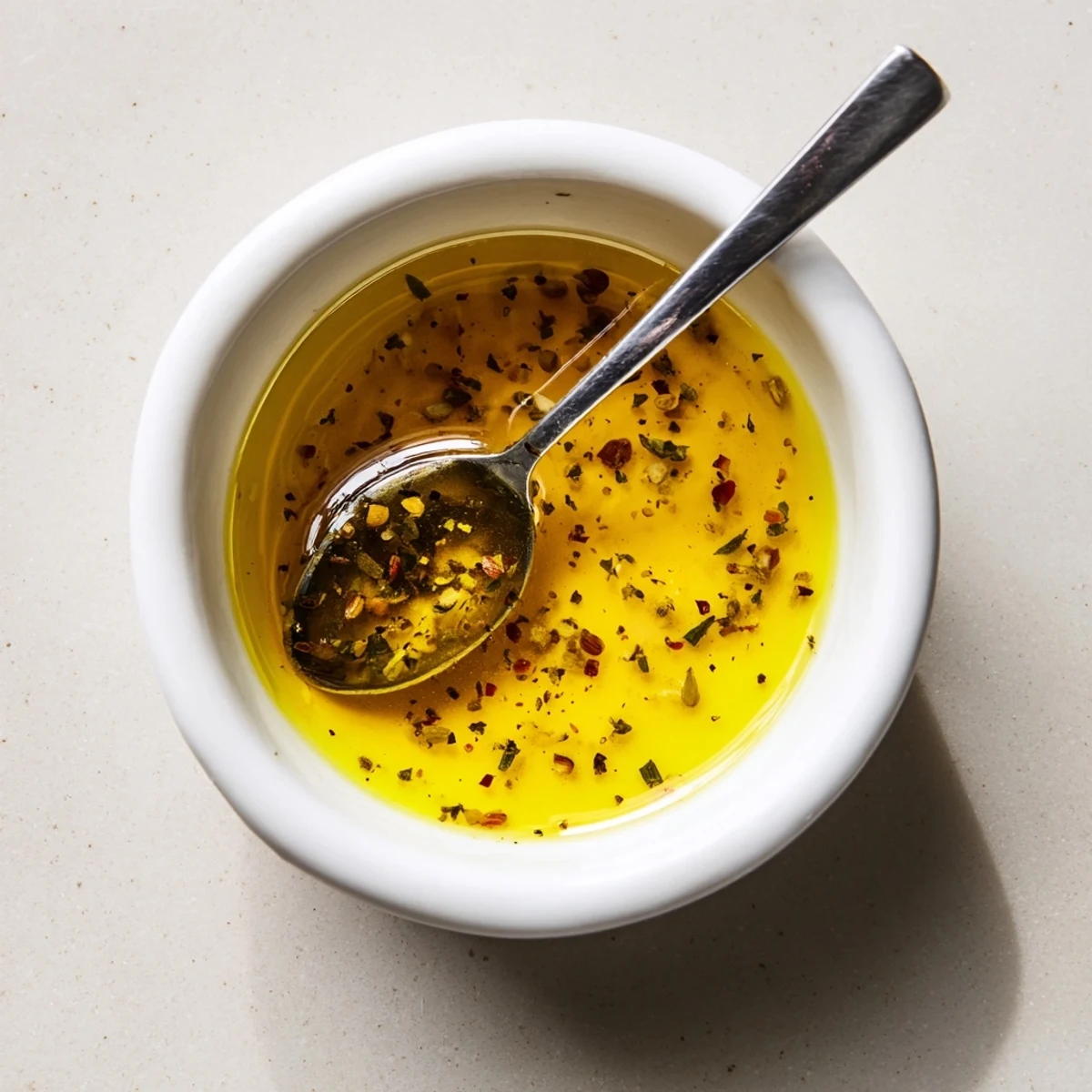
 There is something quietly powerful about tossing a bowl of greens with dressing you made yourself, it turns a side dish into a statement. I started making extra just to have a jar sitting in the fridge, ready for the nights when cooking feels like too much effort.
Making It Your Own
The beauty of vinaigrette is how forgiving it is once you understand the basic ratio. Swap the vinegar for fresh lemon juice on a hot summer evening and suddenly it tastes like a different dressing entirely. Stir in chopped tarragon, chives, or parsley and you have something that pairs beautifully with roasted vegetables or grilled fish. I discovered the herb trick during an afternoon when my windowsill garden was overflowing and I refused to let anything go to waste.
When Creamy Sounds Better
If you are craving something richer, fold in a spoonful of Greek yogurt after emulsifying and the texture becomes almost indulgent. I started doing this on rainy weeknights when salad felt too light and I wanted it to feel like a real meal. The yogurt also tames the acidity in a way that makes the dressing more approachable for kids or anyone sensitive to sharp flavors.
A Few Last Thoughts
Keep your tools simple, a small bowl and a whisk or even just a fork will get the job done perfectly. A garlic press saves time but mincing by hand gives you more control over how pungent the garlic becomes in the final dressing. And if you are ever unsure about the balance, dip a lettuce leaf in rather than tasting from a spoon because the greens change how the flavors hit your palate.
- Shake the jar vigorously before each use if it has been sitting in the fridge.
- Double the batch because it disappears faster than you expect.
- Trust your taste buds over the measurements every single time.
 Pin this
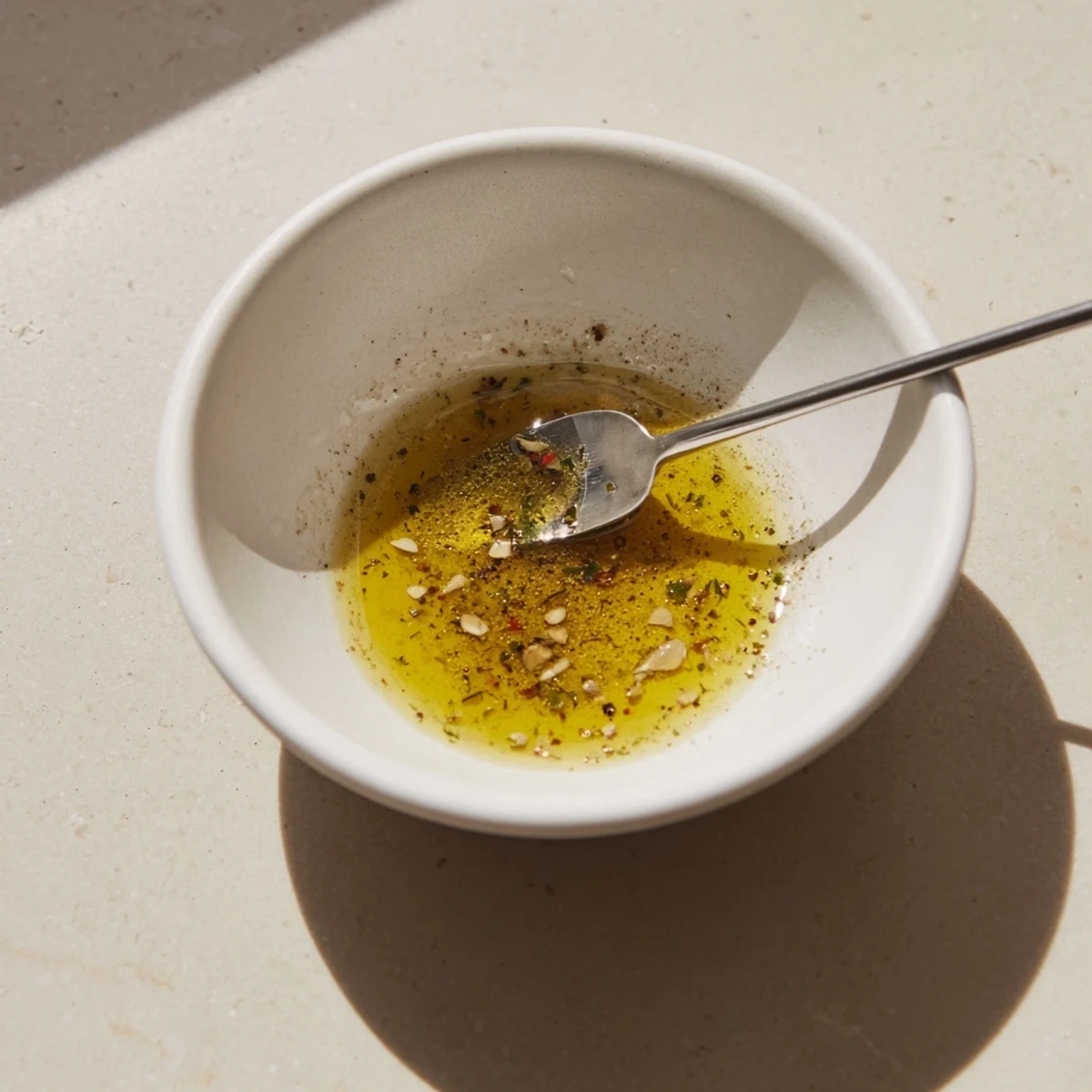
 A good vinaigrette is less a recipe and more a habit, one that makes every meal feel a little more intentional. Once you stop thinking about it and start pouring by instinct, you have inherited something worth passing along.
Recipe FAQs
- → How do I get a stable emulsion?
-
Whisk the vinegar, mustard and any sweetener first, then add the oil in a slow, steady stream while whisking vigorously. Dijon helps bind oil and vinegar; using a jar and shaking also creates a quick, stable emulsion.
- → How long will it keep in the fridge?
-
Stored in a sealed container, the dressing keeps well up to one week. Oil may solidify slightly when chilled—bring to room temperature and whisk or shake before using.
- → Can I swap vinegar for lemon?
-
Yes. Fresh lemon juice gives a brighter, citrusy acidity. Use the same amount and taste as you go, since lemon can be sharper than wine vinegar.
- → How can I make a creamier texture?
-
Whisk in a spoonful of Greek yogurt, crème fraîche, or a neutral mayonnaise to thicken and mellow the dressing while keeping the flavor balanced.
- → What herbs and pairings work best?
-
Chopped parsley, tarragon, chives or dill lift the dressing. It pairs beautifully with crisp greens, roasted vegetables, or as a finishing drizzle on grilled fish and chicken.
- → Does the mustard change the flavor much?
-
Dijon adds a subtle heat and acts as an emulsifier, improving texture and mouthfeel. If avoiding mustard, a small amount of lecithin-rich egg yolk or a touch more honey can help bind the oil and acid.