
 Pin this
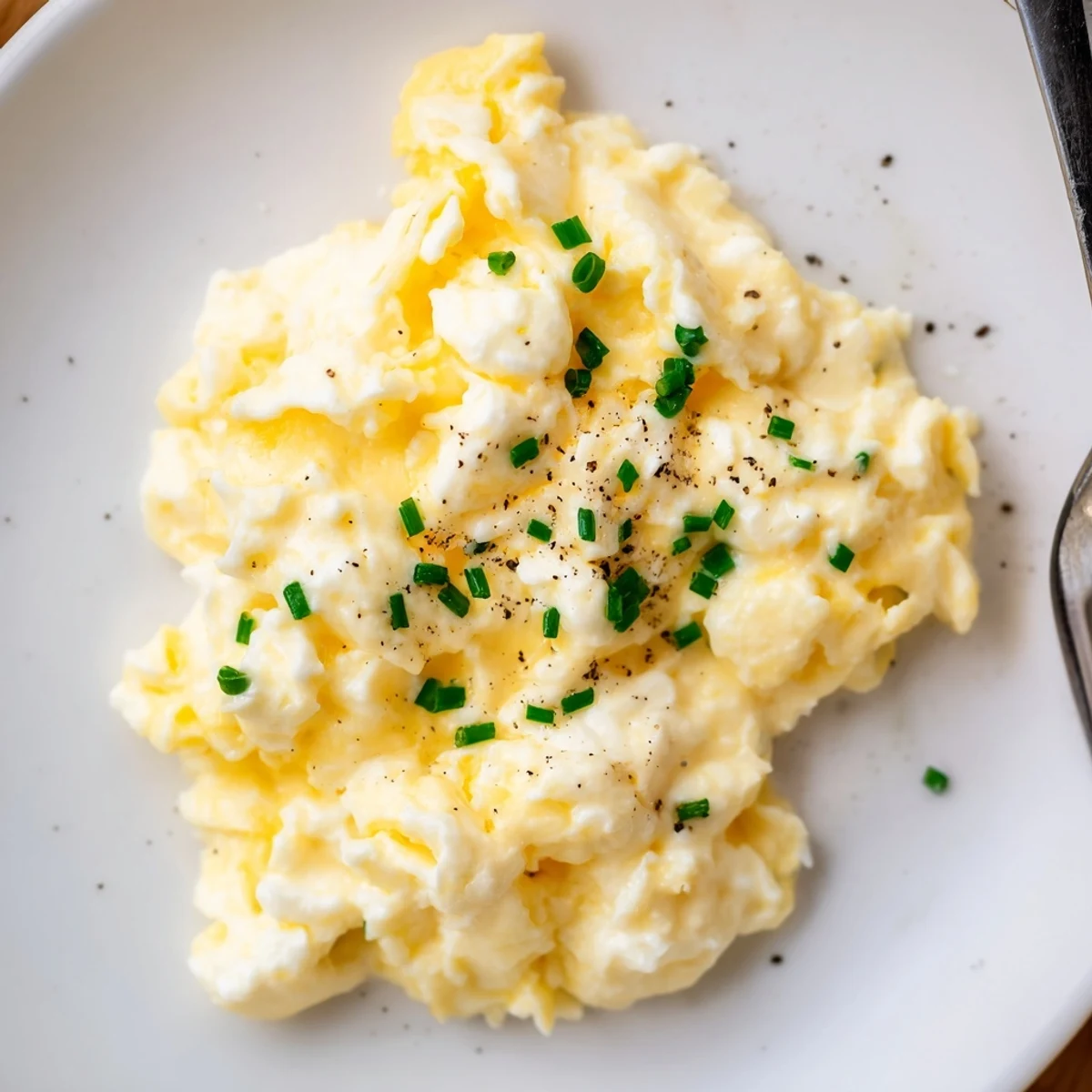
 Whisk eggs with salt and pepper, then fold in cottage cheese and half the chopped chives. Melt butter in a nonstick skillet over medium-low and pour in the mixture. Stir gently, scraping the pan, until soft curds form but eggs remain moist and creamy—about 2–3 minutes. Remove from heat early so residual warmth finishes cooking; garnish with remaining chives and serve with toast or additions like spinach or smoked salmon.
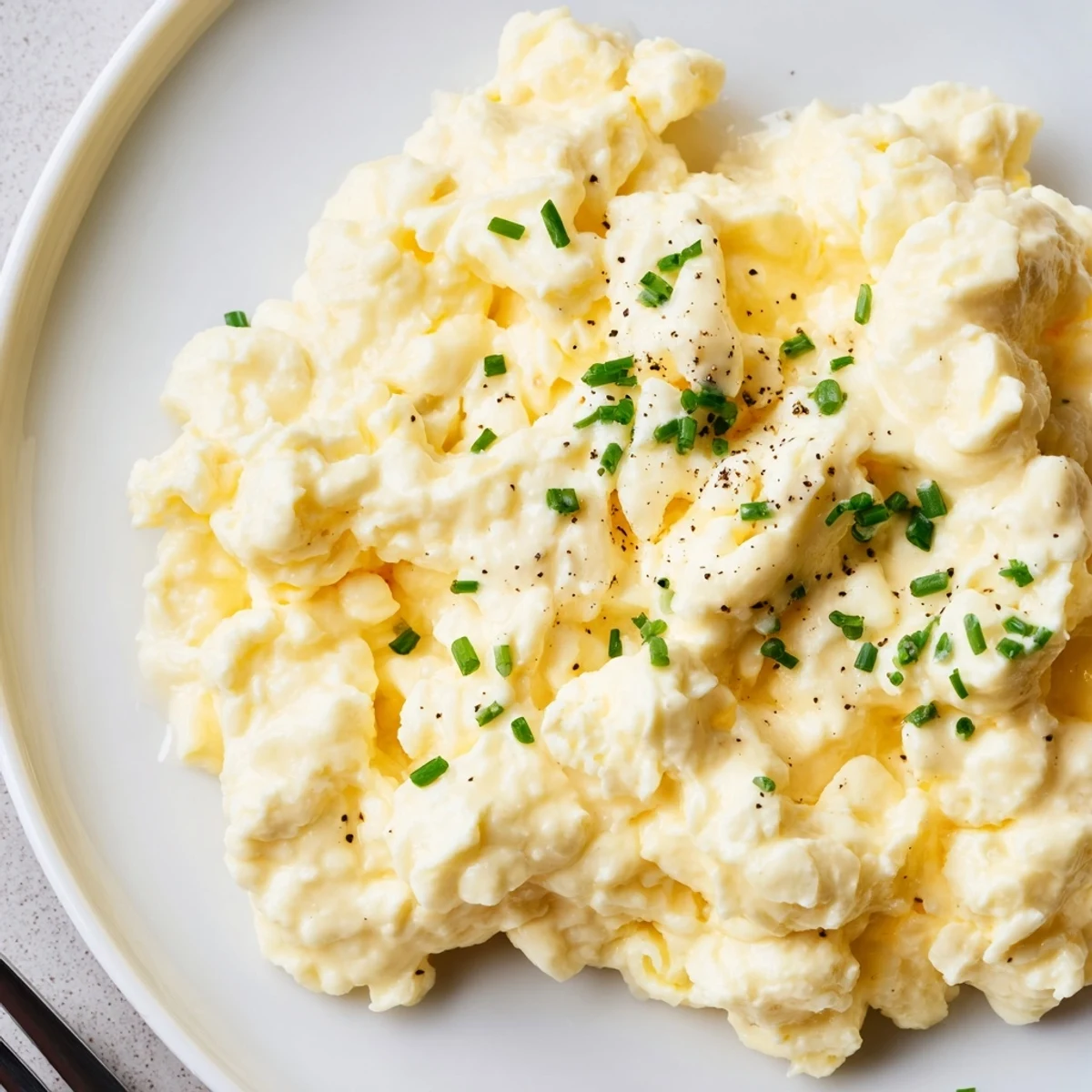
My roommate stared at me like I had lost my mind when I dumped a scoop of cottage cheese into my scrambled eggs one lazy Sunday morning. By the end of that first bite, she was quietly asking for her own plate. Something about the way the curds melt into the eggs creates this impossibly creamy, almost risotto like texture that plain scrambled eggs never quite achieve.
I started making this during a phase where I was obsessed with finding breakfasts that would actually keep me full until lunch. The first few attempts were a bit chaotic because I kept cranking the heat too high and ending up with rubbery curds clinging to dry eggs.
Ingredients
- 4 large eggs: Room temperature eggs whisk more evenly and cook with a softer texture straight from the fridge works too but cold eggs need a few extra seconds.
- 1/2 cup cottage cheese: Full fat gives the creamiest result but low fat still works beautifully and adds even more protein per bite.
- 1 tablespoon unsalted butter: Butter is nonnegotiable here for flavor and preventing sticking in the pan.
- 2 tablespoons fresh chives: Fresh makes a real difference because dried chives taste like nothing and you deserve better.
- 1/4 teaspoon salt: Seasoning the eggs before cooking distributes flavor throughout rather than just on the surface.
- 1/8 teaspoon black pepper: Freshly cracked is best and preground pepper tastes flat and dusty by comparison.
Instructions
- Whisk the eggs:
- Crack the eggs into a bowl, add salt and pepper, and whisk until the yolks and whites are fully blended with no streaks remaining. The mixture should look uniform and slightly frothy on top.
- Fold in the cottage cheese:
- Gently stir in the cottage cheese and half the chives. You want to see little white curds throughout the egg mixture and they do not need to dissolve.
- Melt the butter:
- Set a nonstick skillet over medium low heat and add the butter. Wait until it finishes bubbling and smells nutty before pouring in the eggs.
- Stir gently and patiently:
- Use a flexible spatula to slowly sweep the bottom and edges of the pan, forming soft folds as the eggs set. This should take about 2 to 3 minutes and the eggs should still glisten with moisture.
- Pull the pan off heat early:
- Remove from heat when the eggs look just slightly underdone because carryover cooking will finish the job perfectly. Sprinkle the remaining chives on top and serve right away.
 Pin this
 This dish became our apartment ritual during a particularly cold January when neither of us wanted to brave the walk to the brunch spot down the street. We would huddle in the kitchen with mugs of coffee and pile these creamy eggs onto whatever bread we had left.
What to Serve Alongside
Toasted sourdough is the obvious choice because its tang cuts through the richness of the eggs beautifully. Rye bread also works if you want something earthier, and a simple side salad with lemon vinaigrette balances the plate when you are serving brunch guests.
Smart Swaps and Additions
Ricotta can replace cottage cheese if you want a milder, smoother flavor with less visible curd texture. A handful of baby spinach wilts into the eggs during the last minute of cooking, and flaked smoked salmon folded in at the end turns this into something genuinely special.
Getting the Texture Right Every Time
The biggest challenge is trusting that the eggs will finish cooking off the heat because it feels wrong to pull them while they still look wet. Your spatula is the best tool here and a wooden spoon works but cannot get into the corners of the pan as effectively.
- Use a nonstick pan because eggs stick to everything else and cottage cheese makes it worse.
- A splash of cream beaten into the eggs adds extra richness for a weekend treat.
- Grate a little parmesan over the top at the end if you want to push it over the edge.
 Pin this
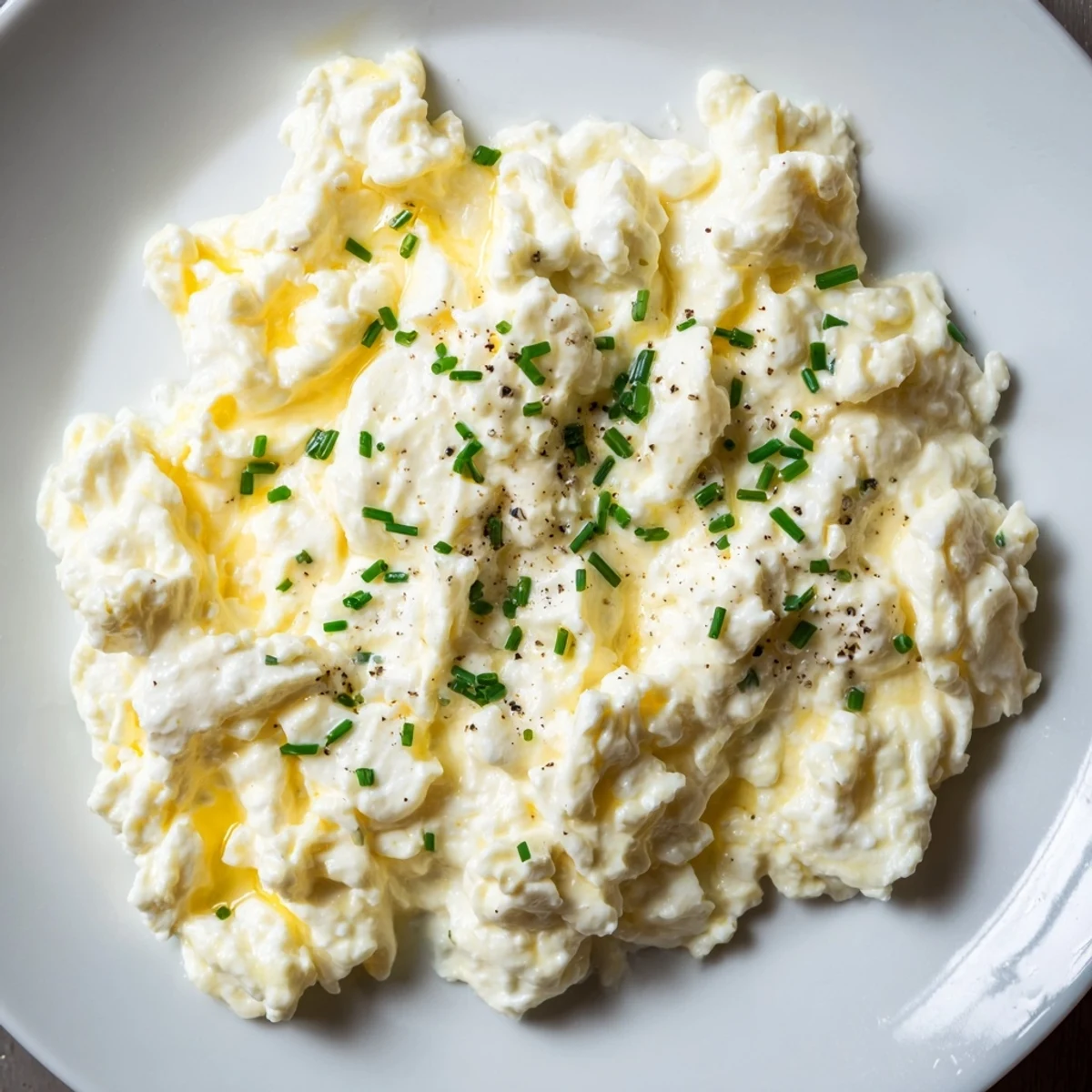
 Some recipes are about technique and others are about finding a tiny twist that changes everything you thought you knew about a familiar dish. These eggs fall squarely in the second category, and once you try them, going back to plain scrambled eggs feels like settling.
Recipe FAQs
- → How do I keep the eggs soft and creamy?
-
Cook over medium-low heat and stir gently, removing the pan from the heat while the curds are still slightly wet. Residual heat will finish the cooking and preserve a creamy texture.
- → Can I use low-fat cottage cheese?
-
Yes. Low-fat cottage cheese will still add creaminess and protein, though full-fat gives a richer mouthfeel. Drain excess liquid if the cottage cheese seems very wet.
- → What can I add for extra flavor or texture?
-
Stir in baby spinach, chopped tomatoes, smoked salmon, or a sprinkle of grated Parmesan. Freshly chopped chives finish the dish with a mild onion note.
- → Is ricotta a good substitute?
-
Ricotta works well for a milder, silkier finish. It won’t be as tangy as cottage cheese but creates similarly tender curds.
- → How should I season these eggs?
-
Keep seasoning simple: salt and freshly ground black pepper. Add chives at the end for brightness and consider a small splash of cream for extra richness.
- → What pan and tools give the best result?
-
A nonstick skillet and a flexible spatula help you control the curd formation and scrape the pan cleanly, producing even, tender scrambled eggs.