
 Pin this
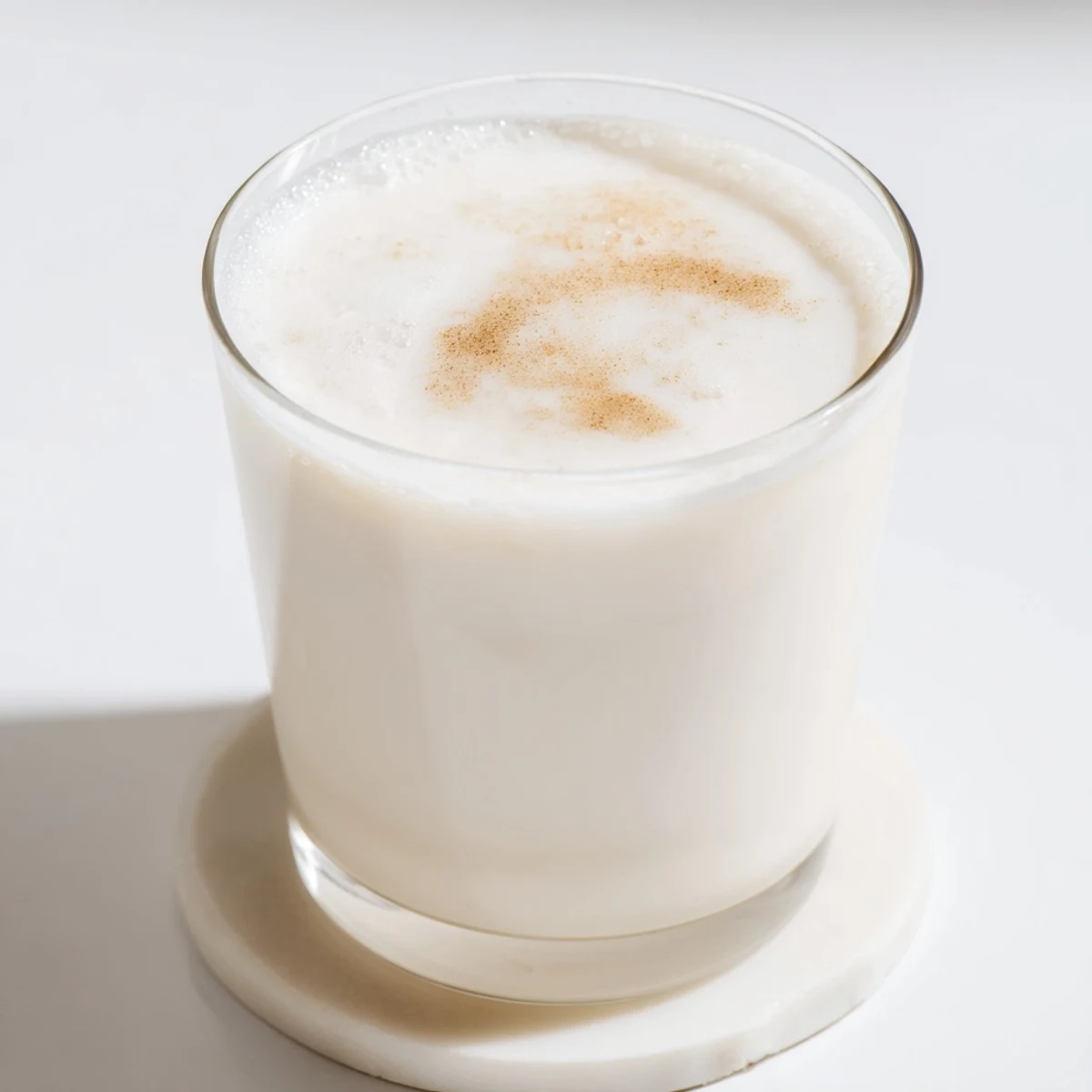
 Create your own fresh, creamy almond milk at home with just raw almonds and water. This simple method produces smooth, dairy-free milk perfect for morning coffee, smoothies, or baking projects. The process involves soaking almonds overnight, blending with fresh water, then straining through a nut milk bag or cheesecloth. Customizable with vanilla, sweetener, or sea salt. Each batch yields approximately 1 liter and stays fresh in the refrigerator for 4-5 days.
The whir of the blender at six in the morning used to drive my roommate crazy, but once she tasted what came out of it, she started setting out the strainer for me the night before. Homemade almond milk is one of those things that sounds fussy until you actually make it and realize it barely takes ten minutes of real work. The store bought version suddenly tastes thin and oddly sweet once you have had the real thing sitting in your fridge. It is creamy, fresh, and endlessly adaptable to whatever mood or recipe you are chasing.
A friend who runs a bakery swore me off commercial almond milk over brunch one Sunday, dumping a jug of her homemade version into my coffee without asking. That single cup ruined me for anything store bought and I have been blending batches every week since.
Ingredients
- 1 cup raw almonds: Use raw and unsalted because roasted almonds will give the milk a heavy, toasted flavor that overpowers everything else.
- 4 cups filtered water: Filtered water makes a noticeable difference since tap water chlorine can fight with the delicate almond flavor.
- 1 to 2 tablespoons maple syrup or sweetener of choice (optional): Maple syrup adds warmth but dates blended in also work beautifully if you prefer a less refined option.
- 1 teaspoon vanilla extract (optional): A small splash rounds out the flavor and makes the milk taste more complete even without sweetener.
- Pinch of sea salt (optional): Salt does not make it salty but lifts and balances the natural nuttiness in a way that surprises people every time.
Instructions
- Soak the almonds overnight:
- Place the almonds in a bowl, cover generously with water, and let them soak at least eight hours or overnight on your counter. Drain and rinse them well until the water runs clear and the almonds feel plump between your fingers.
- Blend until silky:
- Toss the soaked almonds into a blender with four cups of fresh filtered water and run it on high for one to two minutes. The liquid should look cloudy white and uniformly smooth with no large chunks remaining.
- Add flavorings if you like:
- Pour in your sweetener, vanilla extract, and a pinch of sea salt, then blend for another ten seconds just to bring everything together. Taste it and adjust because this is your chance to make it exactly how you want it.
- Strain out the pulp:
- Drape a nut milk bag or cheesecloth over a large bowl or jug and slowly pour the blended mixture through it. Gather the cloth and squeeze firmly with your hands to extract every last drop of that creamy liquid.
- Bottle and chill:
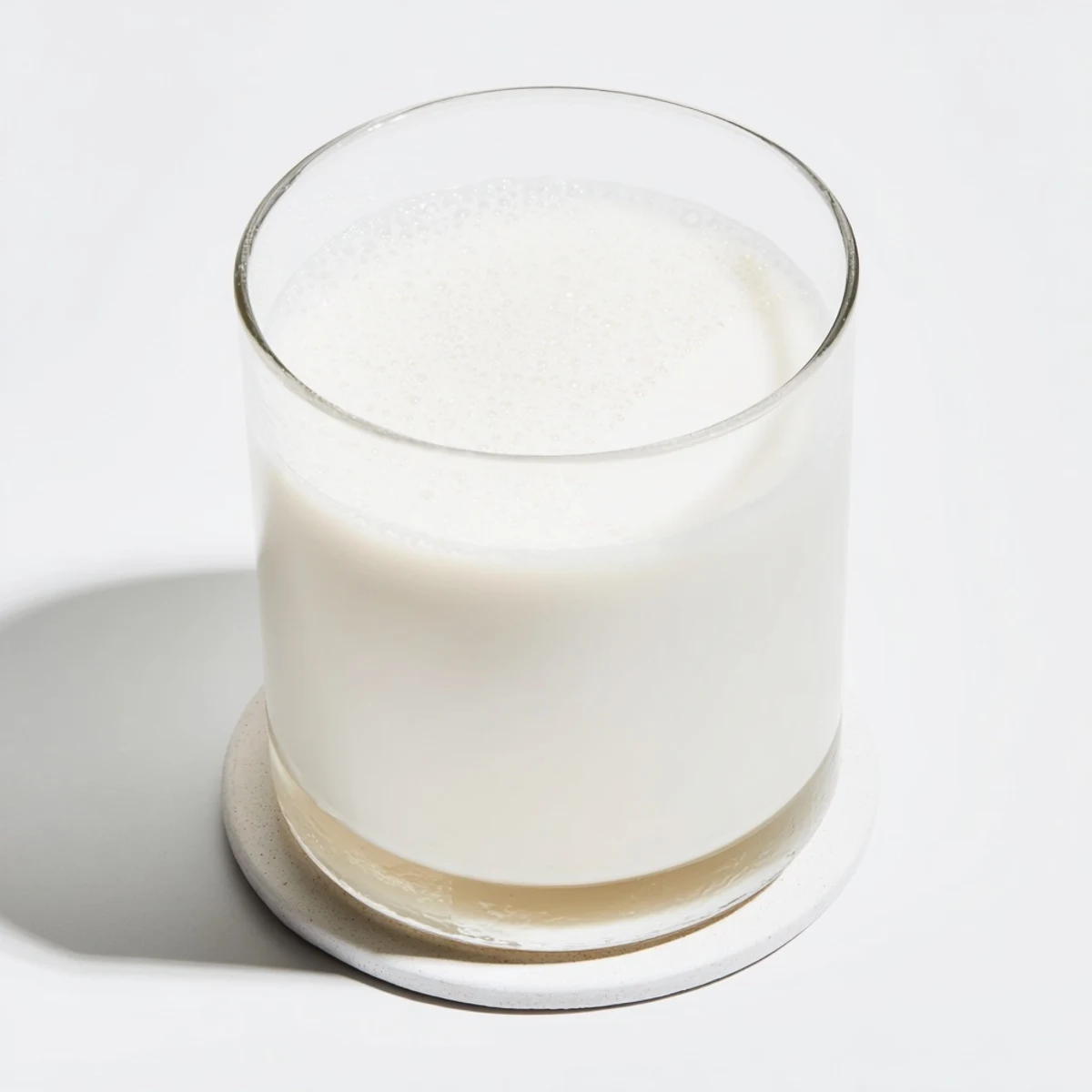
- Transfer the finished milk into a clean glass bottle or jar with a tight lid and store it in the refrigerator. It will keep for four to five days and needs a good shake before each use since separation is completely natural.
 Pin this
 Pouring a cold glass of this into my morning coffee while the house is still quiet has become a small ritual I genuinely look forward to. It turned a routine habit into something that feels intentional and a little bit luxurious.
How Long Does Homemade Almond Milk Last
Fresh almond milk stays good in the refrigerator for about four to five days when stored in a clean, airtight container. If it smells sour or tastes sharp before that, your container may not have been fully clean or your fridge might be running warm.
Variations Worth Trying
Stir in a tablespoon of cocoa powder and a little extra sweetener for a rich chocolate version that kids absolutely love. You can also drop in a cinnamon stick while storing it, or blend in a few dates and a pinch of cardamom for something warm and slightly spiced.
What You Need to Get Started
A decent blender is really the only equipment that matters here because an underpowered one will leave you with grainy milk no matter how long you blend. Beyond that, a nut milk bag is cheap and worth owning, but cheesecloth works fine in a pinch.
- Soak extra almonds so you always have a batch ready to blend when you run low.
- Label your storage jar with the date so you never have to guess if it is still fresh.
- Shake vigorously before pouring because separation is a sign your milk has no added emulsifiers.
 Pin this
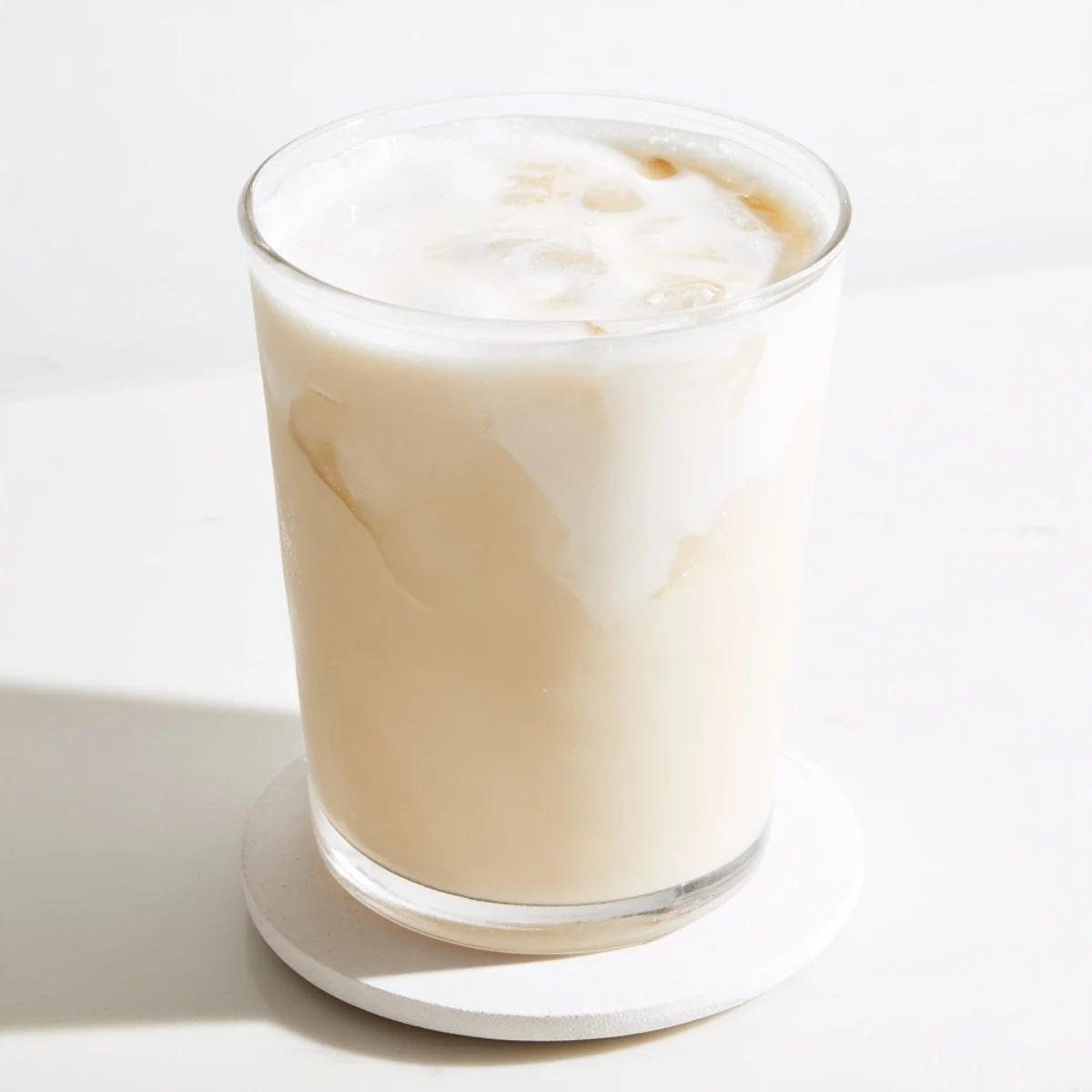
 Once you start making almond milk at home, the carton version starts tasting like a watered down memory of what almond milk should actually be. It is one of the simplest kitchen upgrades you will ever make and your morning coffee deserves it.
Recipe FAQs
- → Do I really need to soak the almonds?
-
Yes, soaking is essential. It softens the nuts, making them blend more smoothly, and helps remove enzyme inhibitors that can make digestion difficult. Aim for at least 8 hours or overnight for best results.
- → Can I use roasted almonds instead of raw?
-
Raw almonds work best because they produce a creamier, more neutral-tasting milk. Roasted almonds will yield a darker milk with a stronger, nuttier flavor that might not work well in all applications.
- → What can I do with the leftover almond pulp?
-
Don't throw it away! Dry the pulp in a low oven, then grind it into almond flour for baking. Add it to smoothies for extra fiber and protein, mix into oatmeal, or use it in energy bites and homemade granola.
- → How long does homemade almond milk last?
-
Store your almond milk in an airtight container in the refrigerator for 4-5 days. Shake well before each use, as natural separation occurs. If it smells sour or looks off, it's time to make a fresh batch.
- → Can I make this without a nut milk bag?
-
A nut milk bag works best, but you can use a fine mesh strainer lined with several layers of cheesecloth. Alternatively, strain through a clean thin dish towel or coffee filter, though these methods take longer.
- → Why does my almond milk separate in coffee?
-
Natural separation occurs when acidic coffee meets almond milk. Blending a small amount of the hot coffee with the milk first helps temper it. Adding a pinch of sea salt or using less water when making the milk can also help.