
 Pin this
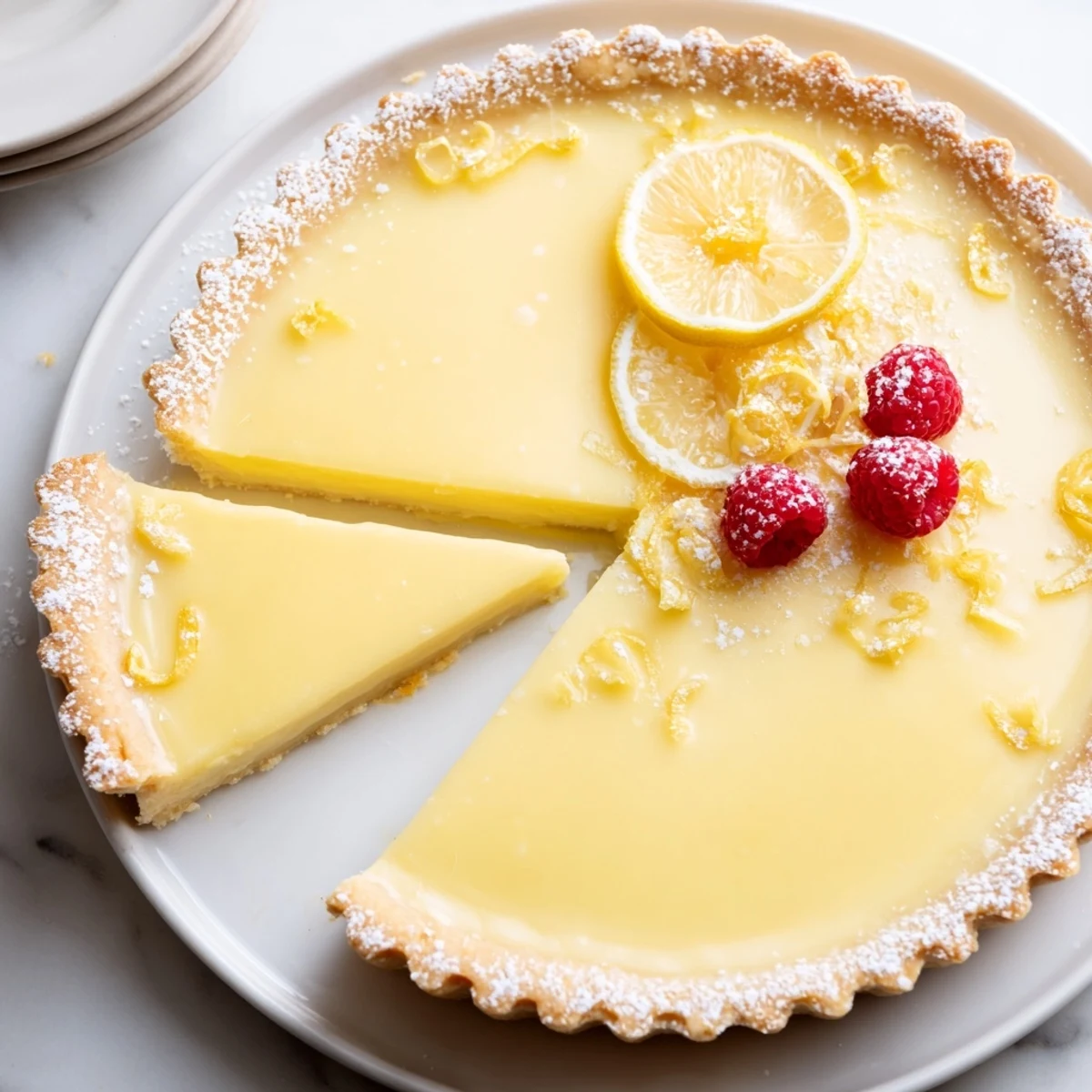
 Make a crisp, buttery crust by pulsing flour, powdered sugar and cold butter, then adding an egg yolk and chilling the dough. Blind-bake the shell until golden. Whisk heavy cream, sugar, eggs and yolks with lemon zest, lemon juice and a pinch of salt until smooth, then pour into the warm crust and bake gently at a lower temperature until edges set and center is slightly jiggly. Cool completely and refrigerate at least an hour before dusting with powdered sugar and garnishing.
The first time I tried making a lemon tart, it was purely out of curiosity on an uncharacteristically gloomy Saturday. The brightness of the lemons seemed to cut right through the rainy hush outside, and I found myself savoring the joy of their zest scent filling my kitchen. There was something satisfyingly tactile about pressing the crumbly dough into the pan with chilled fingertips. By the end, I wasn’t just baking—I was chasing a little burst of sunshine on a gray day.
I’ll never forget serving this tart for a casual brunch with friends; the chatter paused as the first forkfuls revealed that velvet-smooth lemony center. Someone laughed about how it was almost too pretty to eat, but we didn’t let that stop us. We nibbled slices between stories and sips of coffee—by the time the platter was empty, it felt like we’d set a little tradition in motion.
Ingredients
- All-purpose flour: Makes the crust sturdy but still tender—just don’t overwork it or things get tough fast.
- Powdered sugar: I love the delicate sweetness it brings, helping the crust stay crisp and not overly sweet.
- Salt: Barely a pinch, but it sharpens the flavors all the way through the crust.
- Unsalted butter (cold, cubed): Cold butter is nonnegotiable for that flaky crumb—cut it in quickly, like you’re making scones.
- Egg yolk: Adds richness and helps the dough bind together; save the extra white for another kitchen adventure.
- Cold water: Trickle it in just until the dough holds—sometimes my kitchen is warm, and I need a touch more.
- Heavy cream: Adds that silkiness in the lemon filling you can’t fake—don’t sub in milk here.
- Granulated sugar: Balances the tangy lemon, but don’t be afraid to tweak if your lemons are especially tart.
- Eggs + egg yolks: It’s the custardy magic that turns the filling into something truly lush.
- Lemon zest: This is where the fragrance comes alive—I always zest straight onto the sugar to get every fragrant oil.
- Fresh lemon juice: Bottled juice just isn’t the same—you want that sharp, clean zap only fresh gives.
- Powdered sugar and berries (for garnish): Not absolutely required, but it’s a finishing touch that makes every slice feel special.
Instructions
- Get the oven warm:
- Preheat to 350°F (175°C), and enjoy that anticipatory hush before dessert magic begins.
- Make your crust base:
- Whirl flour, powdered sugar, and salt in a food processor, then pulse in cubes of cold butter—stop as soon as it’s sandy and soft in appearance.
- Bind it all together:
- Add in egg yolk and cold water, pulsing just until the dough barely gathers—this is one place where less is more.
- Shape and cool:
- Tip dough onto a floured counter, coax into a disk, wrap it up snugly, and let it chill for half an hour to relax.
- Roll and settle:
- Roll to 1/8-inch thickness; gently press into a tart pan, trimming any overhang, then prick the base a few times with a fork and freeze briefly for best shape.
- Blind bake for crispness:
- Line with parchment, fill with pie weights or beans, and bake for about 15 minutes; lift weights, bake 8–10 minutes more until golden, then cool a bit.
- Lower the heat:
- Turn your oven down to 300°F (150°C) to gently set the filling in the next step.
- Whisk your lemon filling:
- Blend cream, sugar, eggs, egg yolks, zest, juice, and salt in a bowl—it’s silent poetry when it turns smooth and pale yellow.
- Fill and bake:
- Pour filling into the barely warm crust; bake 20–25 minutes, watching for the filling to be just set but with a subtle wobble in the center.
- Chill and finish:
- Allow the tart to cool fully, then chill for at least an hour until slicing delivers perfect, clean edges; dust with powdered sugar and add a flourish of berries right before serving.
 Pin this
 This lemon tart took on its own flair when my neighbor popped by for a slice—they left raving, and I couldn’t help but feel ridiculously pleased every time someone asked for the recipe.
Getting That Perfectly Crisp Crust
There’s a tactile joy in pressing the dough into the fluted edges of the tart pan, feeling how chilly dough meets warm hands. A quick freeze before baking became my runaway trick for no-slump crust, especially if I’m distracted mid-prep. When in doubt, I always blind bake a minute or so longer for deep golden color.
Achieving a Silky Lemon Filling
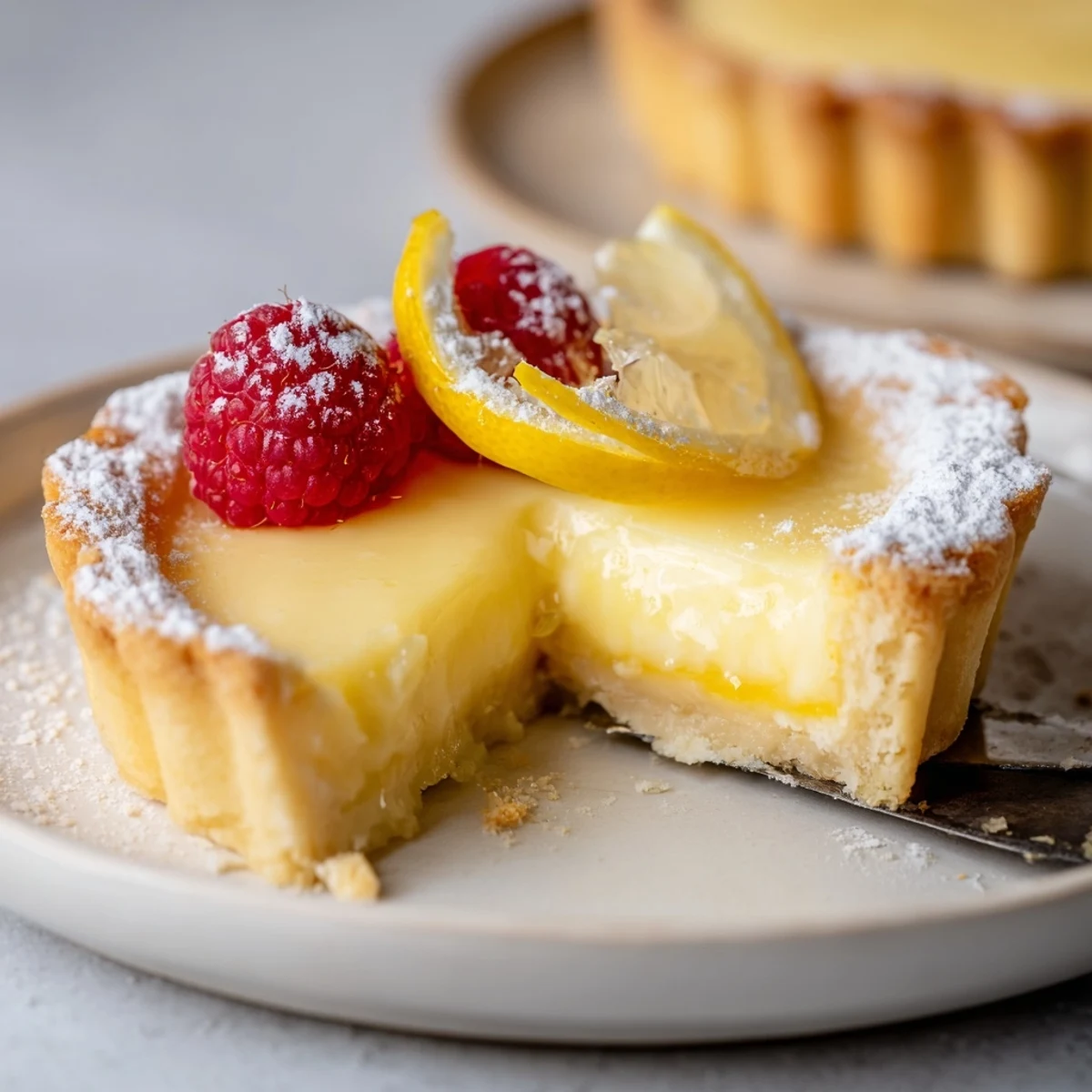
Whisking the eggs with cream and sugar creates the smoothest custard, but strain the mixture for extra elegance if you’re feeling fancy. I zest lemons right over the bowl too—so the fragrant oils don’t escape. Those little details make all the difference when you cut into that first glistening wedge.
Serving and Storing Suggestions
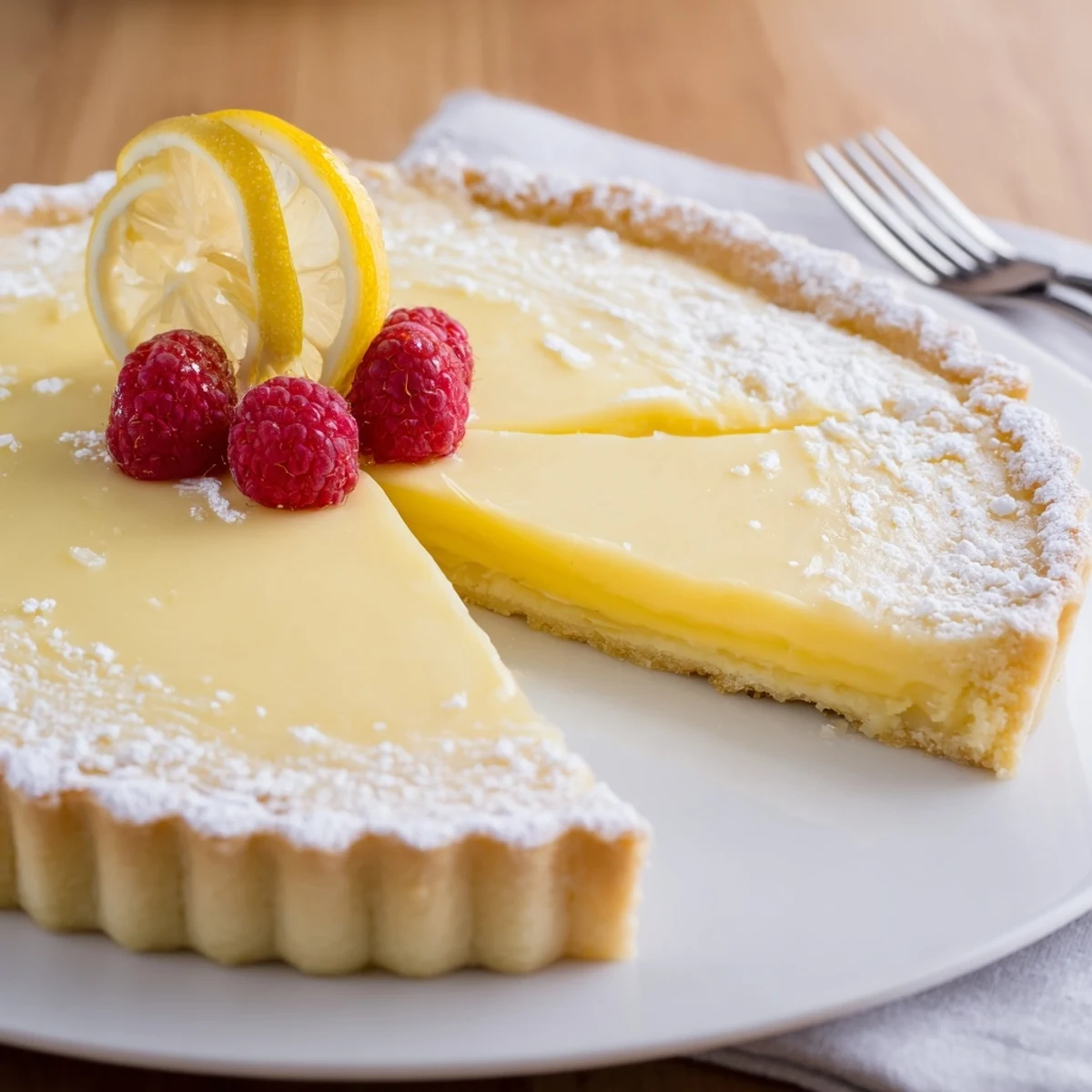
Always cool the tart completely before cutting or your filling won’t set right—and wipe your knife between slices for picture-perfect pieces. This keeps beautifully in the fridge, which means you can savor a slice tomorrow if you can resist temptation. For a dinner party, adding a handful of fresh berries or a few candied lemon slices is my effortless way to dress things up.
- If the crust cracks, just patch with leftover dough before baking.
- A sprinkle of flaked salt on top takes it up a notch for grown-up palates.
- Leftovers taste even more lemony after a night in the fridge.
 Pin this
 Bringing this lemon tart out never fails to turn an everyday gathering into something a little bit festive. I hope it brings as much brightness and delight into your kitchen as it has into mine.
Recipe FAQs
- → How can I keep the crust crisp?
-
Use cold butter and avoid overworking the dough, chill the formed disk before rolling, blind-bake the shell with parchment and weights until golden, and cool fully before adding the filling. A brief freeze before blind-baking helps maintain shape and reduces shrinkage.
- → Can I make a gluten‑free crust?
-
Yes. Substitute a tested gluten‑free flour blend at a 1:1 ratio, add a tablespoon of extra cold butter or an egg white if the dough feels crumbly, and handle gently. Chill well and blind-bake as usual to achieve a crisp base.
- → What prevents the lemon filling from curdling or cracking?
-
Whisk the eggs and yolks with sugar gently, combine with cream and citrus slowly, and bake at a lower temperature so the custard sets gradually. Avoid overbaking; remove when edges are set but center still jiggles slightly. Straining the mixture before pouring helps ensure a silky texture.
- → What can I use instead of heavy cream?
-
Full‑fat creme fraiche or sour cream will give a rich tang and similar texture. For a lighter result, use whole milk combined with a tablespoon of melted butter per cup, but expect a slightly looser filling and adjust baking time accordingly.
- → How should I zest lemons to get the best flavor?
-
Use a microplane or fine grater to collect bright yellow zest only; avoid the bitter white pith. Zest before juicing to make the process easier and to retain the aromatic oils for maximum lemon fragrance.
- → How long should the tart chill and how to serve it?
-
Cool to room temperature, then refrigerate at least one hour to fully set the filling. Dust with powdered sugar and garnish with fresh berries or candied lemon slices. Serve chilled for the cleanest texture and flavor; pairs well with a glass of chilled Sauternes or sparkling wine.