 Pin this
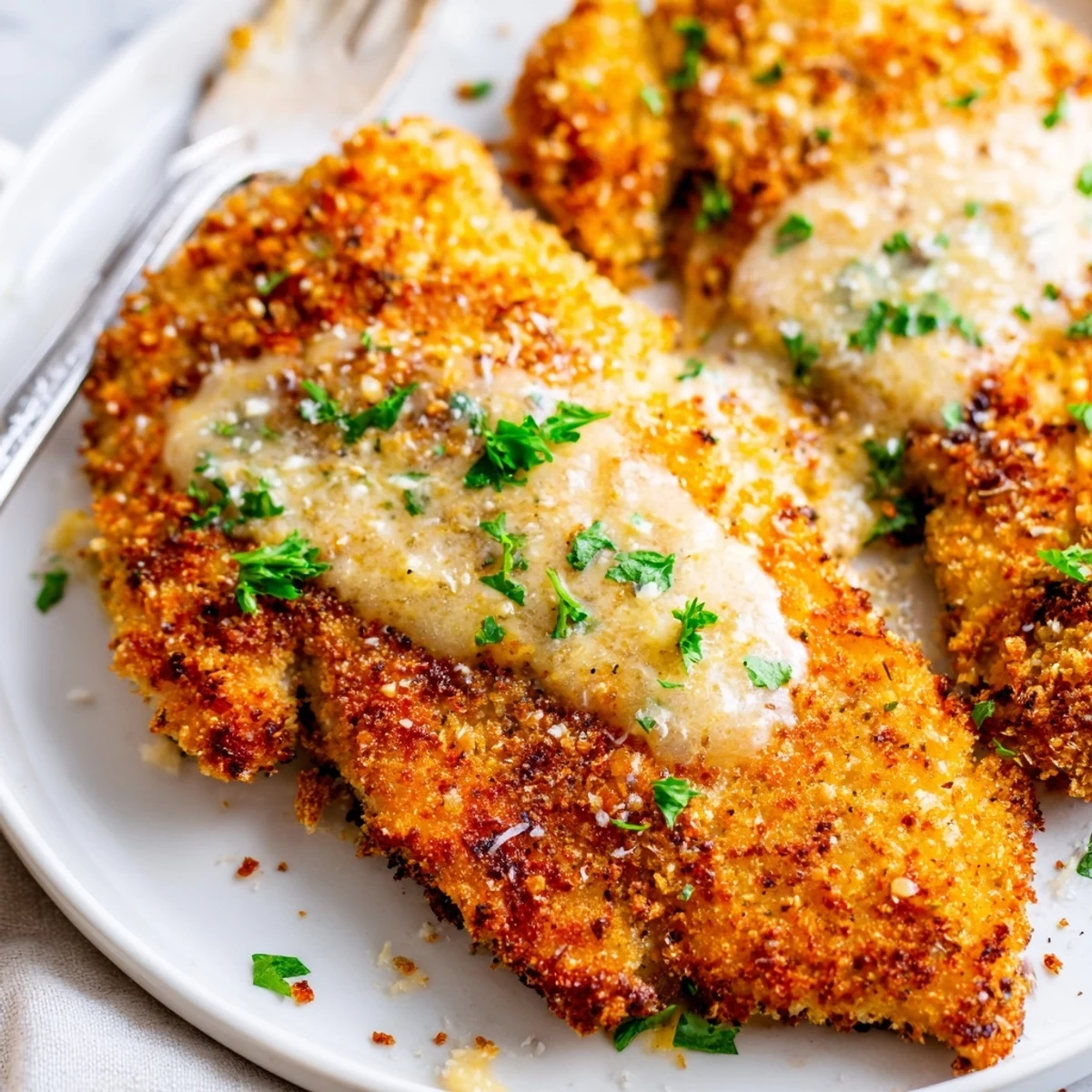
 Pat and season boneless chicken breasts, then dredge in flour, egg, and a panko-Parmesan mix. Fry in hot oil until golden and cooked through, about 4–5 minutes per side. For the sauce, sauté garlic in butter, add heavy cream, chicken broth, Parmesan and Dijon, then simmer until slightly thickened. Spoon the warm, silky sauce over the crispy cutlets, garnish with parsley and serve with mashed potatoes or pasta.
The sound of chicken hitting hot oil is something I will never tire of, that aggressive sizzle that makes the whole kitchen feel alive. My apartment fills with the smell of toasted breadcrumbs and Parmesan, and suddenly even a Tuesday evening feels like an occasion. This crispy chicken with creamy sauce became my weeknight therapy after a particularly brutal winter, when comfort was nonnegotiable. It is unapologetically indulgent, and that is exactly the point.
I made this for my neighbor Clara once when she was going through a rough patch, dropping off a plate without really thinking much of it. She showed up at my door the next morning with a jar of homemade jam and said, with total seriousness, that the sauce alone was worth getting out of bed for. Now it is our unspoken tradition whenever one of us needs a little extra care, no questions asked.
Ingredients
- 4 boneless, skinless chicken breasts: Try to buy ones that are roughly the same thickness so they cook evenly without drying out.
- 1 cup all-purpose flour: This is your first coat, creating a dry surface for the egg to cling to.
- 2 large eggs: Beaten loose, they act as the glue between flour and breadcrumbs.
- 1 cup breadcrumbs (preferably panko): Panko gives you that jagged, extra crunchy texture that regular breadcrumbs just cannot match.
- 1/2 tsp salt: Do not skip seasoning the flour mixture, it makes a real difference in the final taste.
- 1/2 tsp black pepper: Freshly cracked is always better if you have it.
- 1/2 tsp paprika: Adds a subtle warmth and a faint golden color to the crust.
- 1/4 cup grated Parmesan cheese (optional): Mixed into the breadcrumbs, it creates little pockets of savory crunch that are absolutely worth it.
- 1/3 cup vegetable oil (for frying): You want enough to come halfway up the chicken for a proper shallow fry.
- 2 tbsp butter: The foundation of your sauce, so use good quality butter if you can.
- 2 cloves garlic, minced: Finely minced so it melts into the sauce without catching anyone off guard with a raw bite.
- 1 cup heavy cream: This is what makes the sauce feel like a warm blanket, no substitutes unless you want a thinner result.
- 1/2 cup chicken broth: Balances the richness and adds depth without making the sauce too heavy.
- 1/4 cup grated Parmesan cheese: Stirred into the sauce, it thickens everything and adds a nutty, salty backbone.
- 1 tsp Dijon mustard: A small amount that most people cannot identify but everyone notices when it is missing.
- Salt and pepper to taste: Taste the sauce before serving and adjust, it needs your personal judgment.
- 1 tbsp chopped fresh parsley (for garnish): A bright, fresh finish that cuts through all that richness beautifully.
Instructions
- Prep and season the chicken:
- Pat each chicken breast thoroughly dry with paper towels, then season both sides generously with salt, pepper, and paprika. Dry chicken means a better sear and a crisper crust, so do not rush this step.
- Set up your breading station:
- Arrange three shallow bowls in a row with flour in the first, beaten eggs in the second, and panko mixed with Parmesan in the third. Working one at a time, dredge each breast in flour shaking off excess, dip it fully into egg, then press firmly into the breadcrumb mixture so every inch is coated.
- Fry to golden perfection:
- Heat vegetable oil in a large skillet over medium high heat until it shimmers, then carefully lay in the chicken breasts without crowding the pan. Cook four to five minutes per side until deeply golden and cooked through to 165 degrees inside, then transfer to paper towels to drain.
- Build the creamy sauce:
- In a separate saucepan, melt butter over medium heat and sauté the minced garlic for about thirty seconds until fragrant but not browned. Pour in the heavy cream, chicken broth, Parmesan, and Dijon mustard, then let it simmer gently for two to three minutes until it coats the back of a spoon.
- Plate and serve:
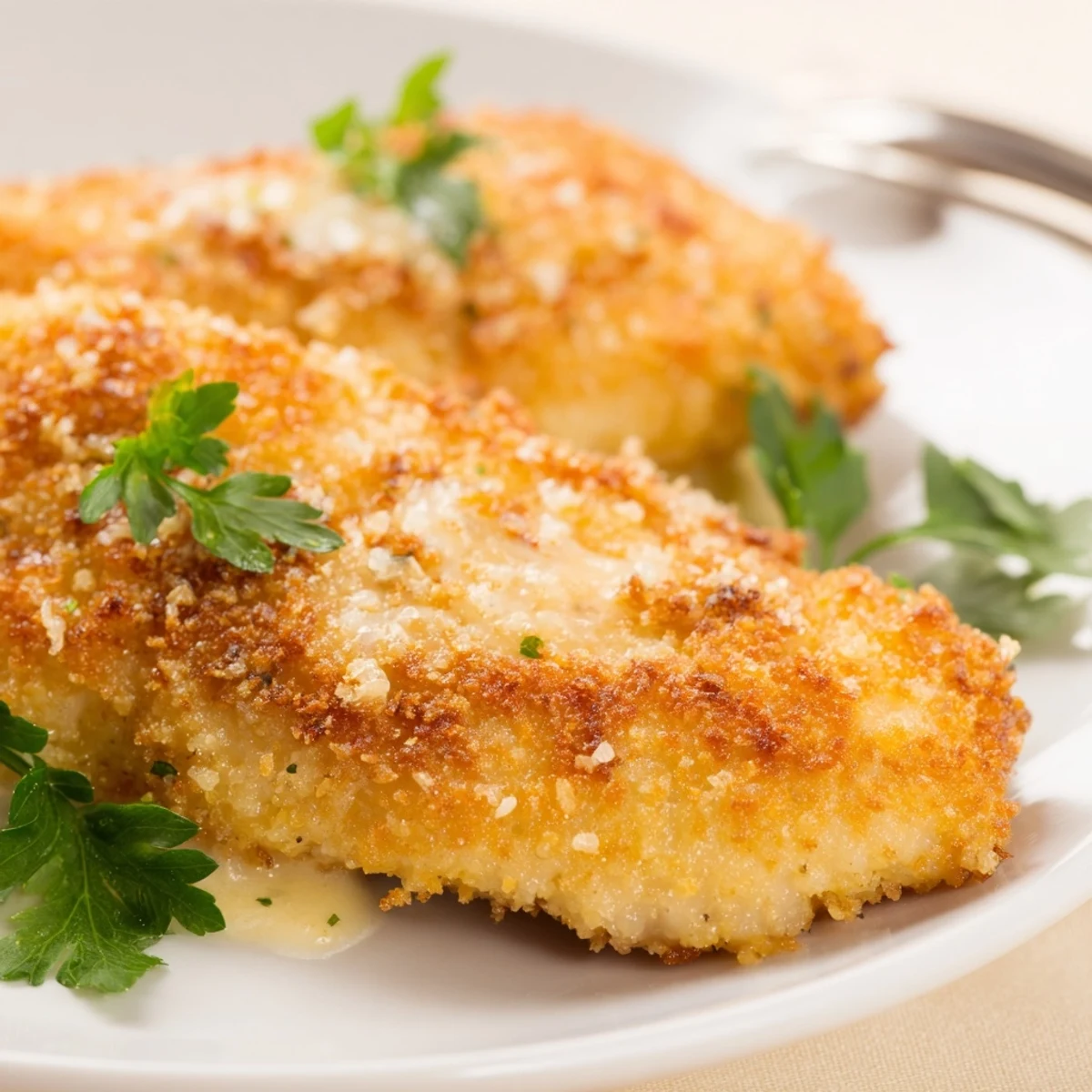
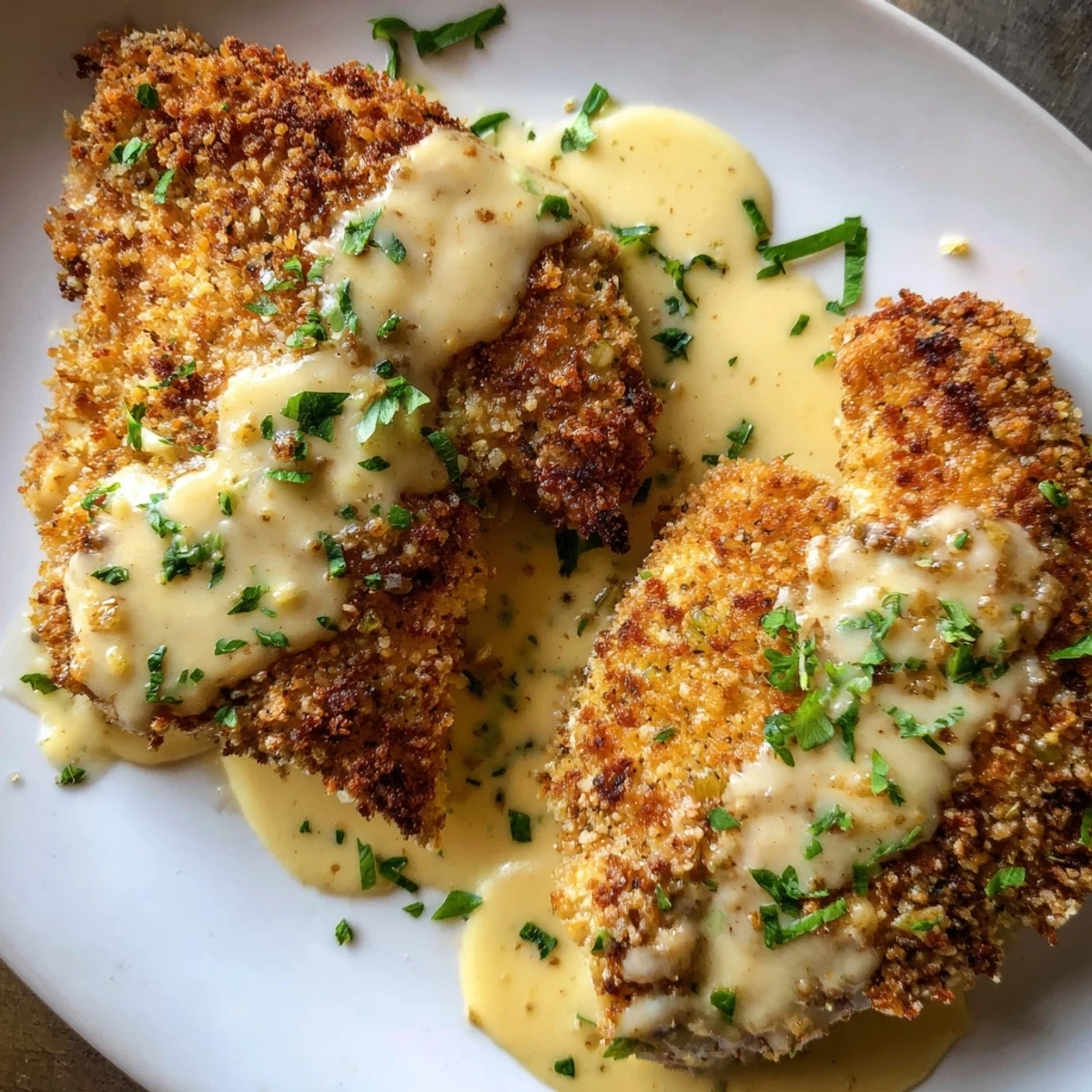
- Set each crispy chicken breast on a plate and spoon a generous amount of warm sauce over the top. Finish with a scatter of chopped fresh parsley and serve immediately while the crust is still at its crunchiest.
 Pin this
 There was a night when my friend David stopped by unexpectedly and I had just finished making this, the sauce still warm on the stove and the chicken resting under foil. We stood in the kitchen eating off the same plate with forks, barely saying a word, just nodding at each other between bites. It was one of those meals that had nothing to do with the recipe and everything to do with the moment.
What to Serve Alongside
Mashed potatoes are the obvious choice here, and honestly they are the right one, because something needs to soak up that extra sauce. Steamed green beans or a simple side salad with a vinaigrette provide just enough acidity to balance the richness of the cream. I have also tossed the leftover sauce with penne the next day and it was possibly even better than the original meal.
Handling Leftovers
The chicken will lose its crunch overnight in the fridge, and that is perfectly fine because you can reheat it in a 375 degree oven for about ten minutes to bring back some texture. The sauce reheats beautifully in a small pot over low heat, just stir occasionally and add a splash of broth if it has thickened too much. I have been known to shred the cold leftover chicken and tuck it into a sandwich with a smear of the cold sauce, which sounds strange but is incredibly good.
Getting the Crust Right Every Time
The breading station is where most people either nail it or walk away disappointed, and the secret is pressing the breadcrumbs firmly onto every surface of the chicken. Let the breaded chicken rest for five minutes before frying so the coating can adhere properly. If you are cooking for a crowd, you can bread everything ahead of time and keep it on a sheet pan in the fridge for up to an hour.
- One hand for dry ingredients and one hand for wet keeps your fingers from turning into breaded claws.
- If the panko is not sticking, try pressing harder or giving the chicken a second quick dip in egg.
- Always let the cooked chicken rest for two minutes before cutting so the juices redistribute instead of running out.
 Pin this
 This is the kind of recipe that earns a permanent spot in your rotation, not because it is fancy but because it makes people happy without wearing you out. Make it once and you will find yourself reaching for it again and again.
Recipe FAQs
- → How can I keep the chicken crisp when adding the sauce?
-
Drain fried chicken on paper towels and rest briefly. Spoon the sauce over each piece rather than covering them fully, or serve sauce on the side to preserve the crust.
- → Which oil and temperature work best for frying?
-
Use a neutral oil with a high smoke point, such as vegetable oil. Heat to medium-high so the exterior browns quickly; aim for around 350–375°F if using a thermometer.
- → How do I thicken the cream sauce if it stays thin?
-
Simmer longer to reduce and concentrate flavors. For a quicker fix, whisk a small cornstarch slurry or a touch of flour into cold cream before adding, or stir in extra grated Parmesan to help thicken.
- → Can components be prepared ahead of time?
-
Yes. Bread the chicken and refrigerate briefly before frying. The sauce can be made in advance and reheated gently over low heat; re-crisp chicken in a hot oven for a few minutes before serving.
- → What are good gluten-free substitutions?
-
Replace all-purpose flour with a gluten-free flour blend and use gluten-free breadcrumbs or crushed cornflakes or almond meal for the coating.
- → How do I check the chicken is fully cooked?
-
Use an instant-read thermometer and pull at 165°F in the thickest part, or slice into the center to ensure juices run clear and there is no pink meat.