
 Pin this
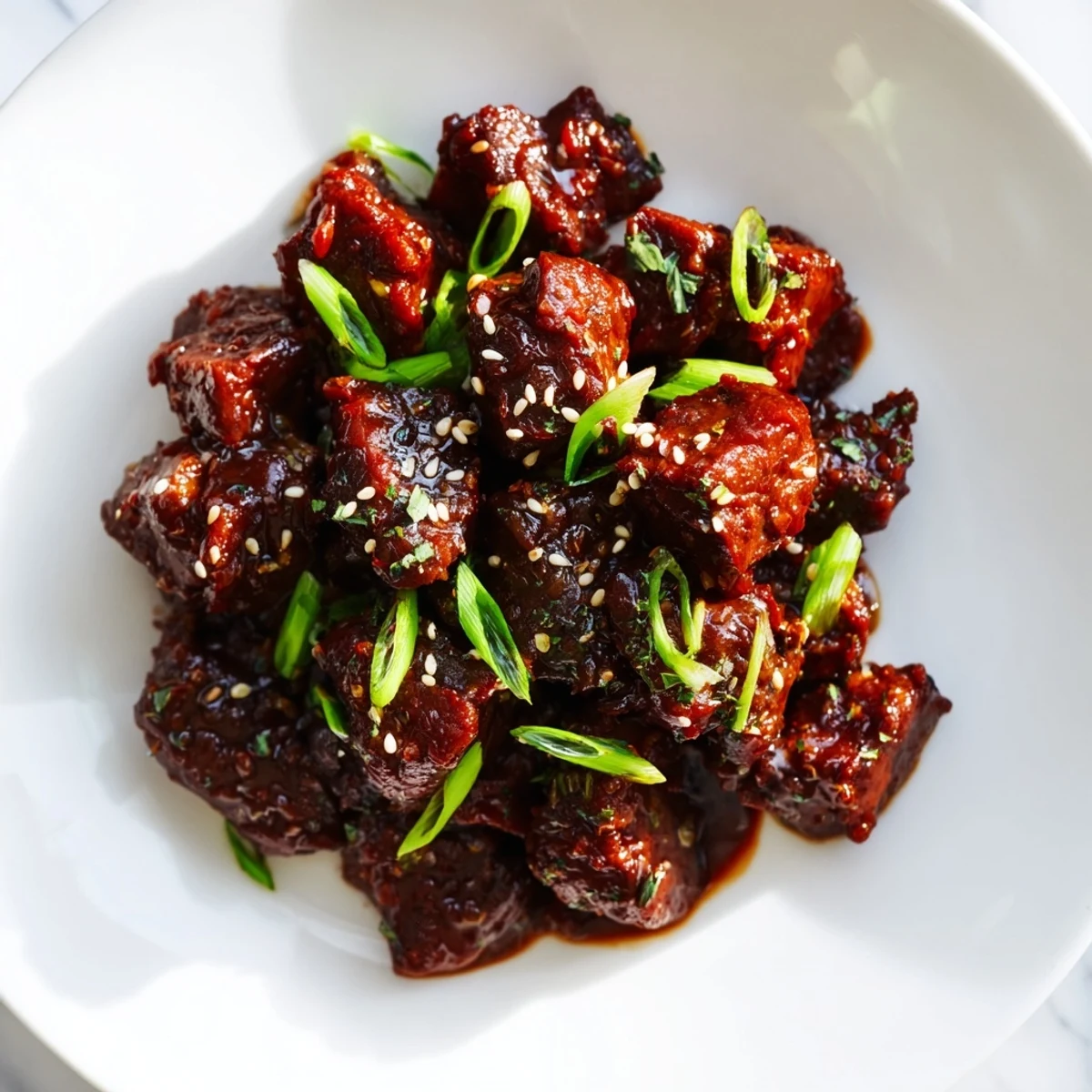
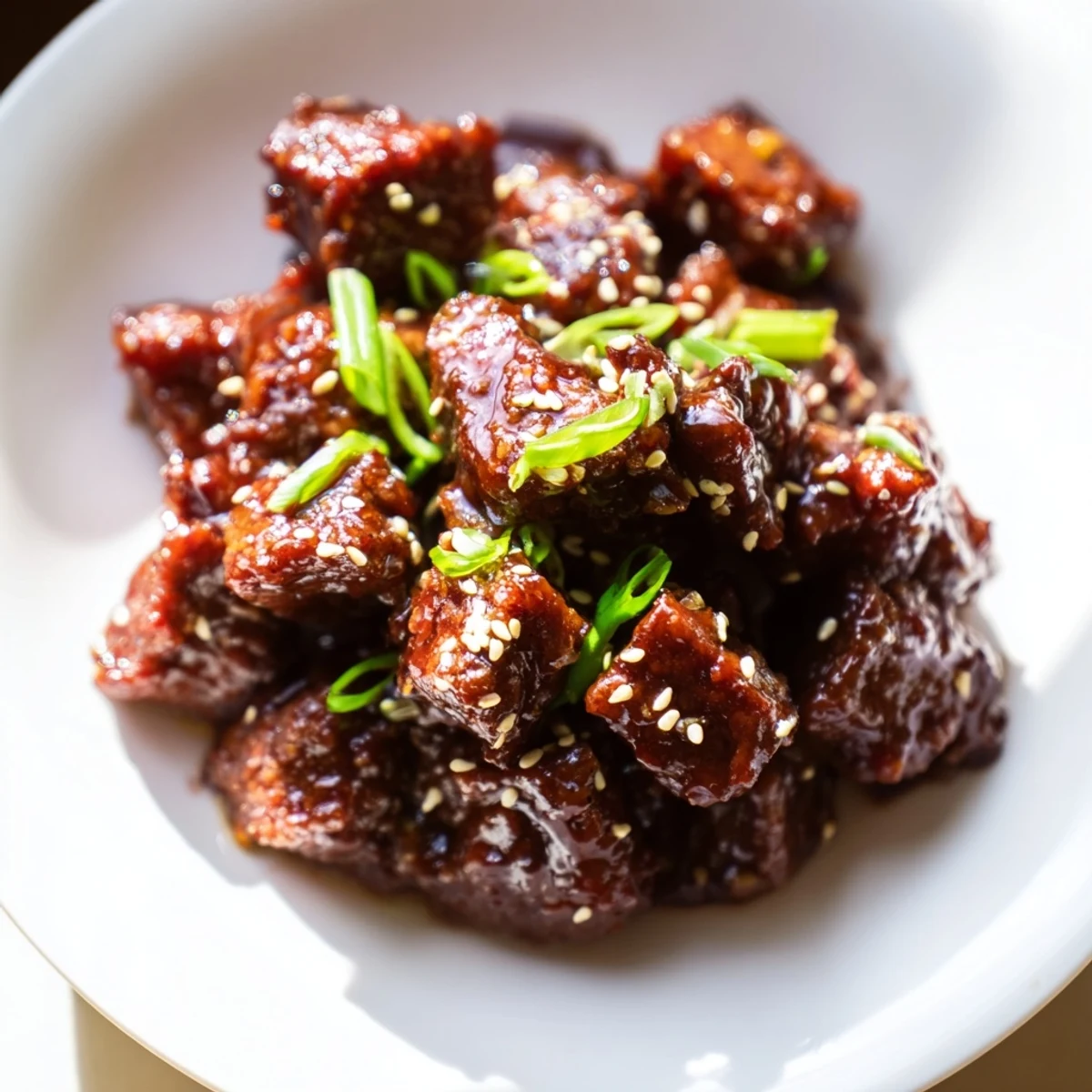
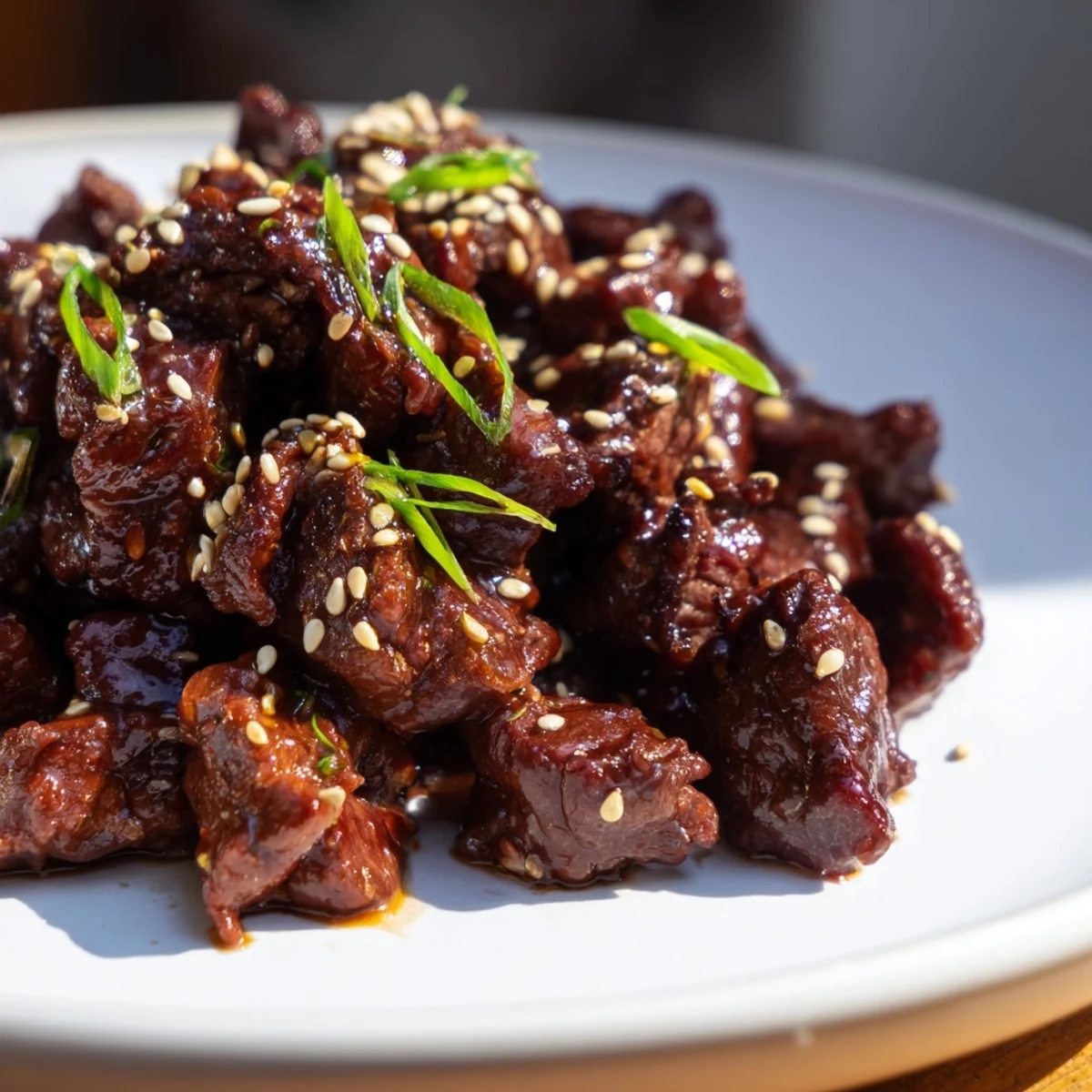
 Prepare tender Korean beef by slow-cooking beef chuck with a flavorful sauce of soy sauce, brown sugar, sesame oil, rice vinegar, garlic, ginger, and gochujang. The beef cooks for 6-7 hours on low until fork-tender, then thickens with a cornstarch slurry. Serve over rice, noodles, or in lettuce wraps with green onion and sesame seed garnish.
This dish offers a perfect balance of savory, sweet, and spicy Korean flavors with minimal hands-on time. The slow cooking method ensures incredibly tender beef that shreds easily, making it versatile for various serving options.
The first time I made Korean beef in the slow cooker, I came home to an apartment that smelled like a Seoul street vendor had moved in. My roommate actually texted me from work asking what I was cooking. That rich, sweet-spicy aroma fills every corner of your home and makes waiting for dinner feel like an event.
Last winter I made this for a small dinner party when my friend Sarah was going through a tough breakup. We sat around my tiny table with steaming bowls of beef and rice, and she actually stopped crying long enough to ask for the recipe. Food has this way of making things feel manageable, even on the hardest days.
Ingredients
- 2 lbs beef chuck roast: Chuck roast has the perfect marbling for slow cooking, becoming meltingly tender while still holding its shape beautifully
- 1/2 cup low-sodium soy sauce: Using low-sodium lets you control the salt level since the sauce reduces during cooking
- 1/4 cup brown sugar: The molasses notes in brown sugar give the sauce that authentic Korean-style depth and glossy finish
- 1/4 cup beef broth: Adds savory richness and helps create enough liquid for the beef to cook properly
- 2 tablespoons sesame oil: Toasted sesame oil is non-negotiable here, it provides that nutty Korean flavor foundation
- 2 tablespoons rice vinegar: Cuts through the richness and adds a subtle brightness that balances all the sweet and salty elements
- 4 cloves garlic, minced: Fresh garlic is essential, nothing else gives quite the same aromatic punch
- 1 tablespoon fresh ginger, grated: I learned the hard way that jarred ginger just does not work here, fresh is worth the extra effort
- 2 tablespoons gochujang: This Korean chili paste brings fermented depth and gentle heat that Sriracha simply cannot replicate
- 1 tablespoon cornstarch: Creates that restaurant-quality glossy sauce that clings to every bite of beef
- 1 medium yellow onion, sliced: The onions melt into sweetness and become almost candy-like after hours of cooking
- 4 green onions, sliced: Fresh green onion garnish adds a bright pop and makes everything look restaurant-worthy
- 2 teaspoons toasted sesame seeds: These tiny seeds add such satisfying crunch and nutty aroma as a finishing touch
Instructions
- Whisk together your sauce:
- In a medium bowl, combine soy sauce, brown sugar, beef broth, sesame oil, rice vinegar, garlic, ginger, and gochujang until completely smooth and the sugar has dissolved
- Assemble everything in the slow cooker:
- Add the beef cubes and sliced onions to your crock pot, then pour that beautiful sauce over everything and toss gently until every piece is coated
- Let the slow cooker work its magic:
- Cover and cook on low for 6-7 hours or on high for 3-4 hours until the beef is fork-tender and shreds easily with minimal effort
- Thicken the sauce:
- Remove about 1/4 cup of the cooking liquid and whisk it with the cornstarch until completely smooth, then stir it back into the crock pot, cover, and cook on high for 20-30 minutes until the sauce coats the back of a spoon
- Serve and garnish:
- Pile that gorgeous beef over steamed rice, noodles, or lettuce wraps and finish with plenty of green onions and toasted sesame seeds
 Pin this
 This recipe became my go-to for new parents because it makes so much and freezes beautifully. My sister still talks about the batch I dropped off when her twins were born, and honestly, that feeling of feeding someone who needs it beats any restaurant meal.
Make It Your Own
After making this countless times, I have learned that small tweaks can make it feel brand new. Sometimes I add sliced carrots or bell peppers in the last hour if I want more vegetables, and once I threw in some star anise just to see what would happen. The beef still tasted amazing, just with this subtle extra layer of warmth that made everyone ask what was different.
Serving Ideas That Work
While rice is the classic choice, I have discovered some unexpected pairings that might surprise you. My husband loves this stuffed into baked sweet potatoes, and I have even served it over crispy ramen noodles for texture contrast. The sweet-salty beef also makes incredible tacos with quick-pickled cucumbers and a drizzle of extra sesame oil.
Timing Is Everything
The hardest part of this recipe is not checking it constantly, which I still struggle with sometimes. That smell wafting through your house will test your patience, but walking away is exactly what makes the beef so tender. I usually start it in the morning and literally force myself to leave the house for a few hours so I am not tempted to lift the lid.
- The cornstarch slurry works best when the liquid is hot, so whisk it right before you are ready to thicken
- If you want to meal prep this, let it cool completely before storing to prevent condensation from making the sauce watery
- Reheating gently with a splash of water brings the sauce back to life perfectly
 Pin this
 There is something deeply satisfying about a recipe that takes care of itself while you go about your day. This Korean beef became a regular in my rotation because it turns simple ingredients into something that feels special enough for company but easy enough for Tuesday.
Recipe FAQs
- → What type of beef works best for this dish?
-
Beef chuck roast is ideal as it becomes incredibly tender when slow-cooked. The marbling and connective tissue break down during the long cooking process, resulting in juicy, shredded beef. You can substitute with other tough cuts like brisket or round if needed.
- → Can I make this dish spicier?
-
Yes, you can increase the heat by adding more gochujang or including red pepper flakes. Start with an extra teaspoon of gochujang and adjust to your preference. You can also add sliced Korean chili peppers during the last hour of cooking.
- → How can I make this gluten-free?
-
Use gluten-free soy sauce and ensure your gochujang is gluten-free. Most brands are, but always check labels. The cornstarch can be substituted with arrowroot powder or tapioca starch for thickening if needed.
- → What's the best way to serve this Korean beef?
-
Serve over steamed jasmine rice for a traditional presentation. It also works well with noodles, in lettuce wraps, or as a filling for Korean-style tacos. Garnish with extra green onions and toasted sesame seeds for added flavor and visual appeal.
- → Can I cook this on high instead of low?
-
Yes, you can cook on high for 3-4 hours instead of low for 6-7 hours. The beef will still become tender, though the flavor development might be slightly different. Always check for doneness before thickening the sauce.