
 Pin this
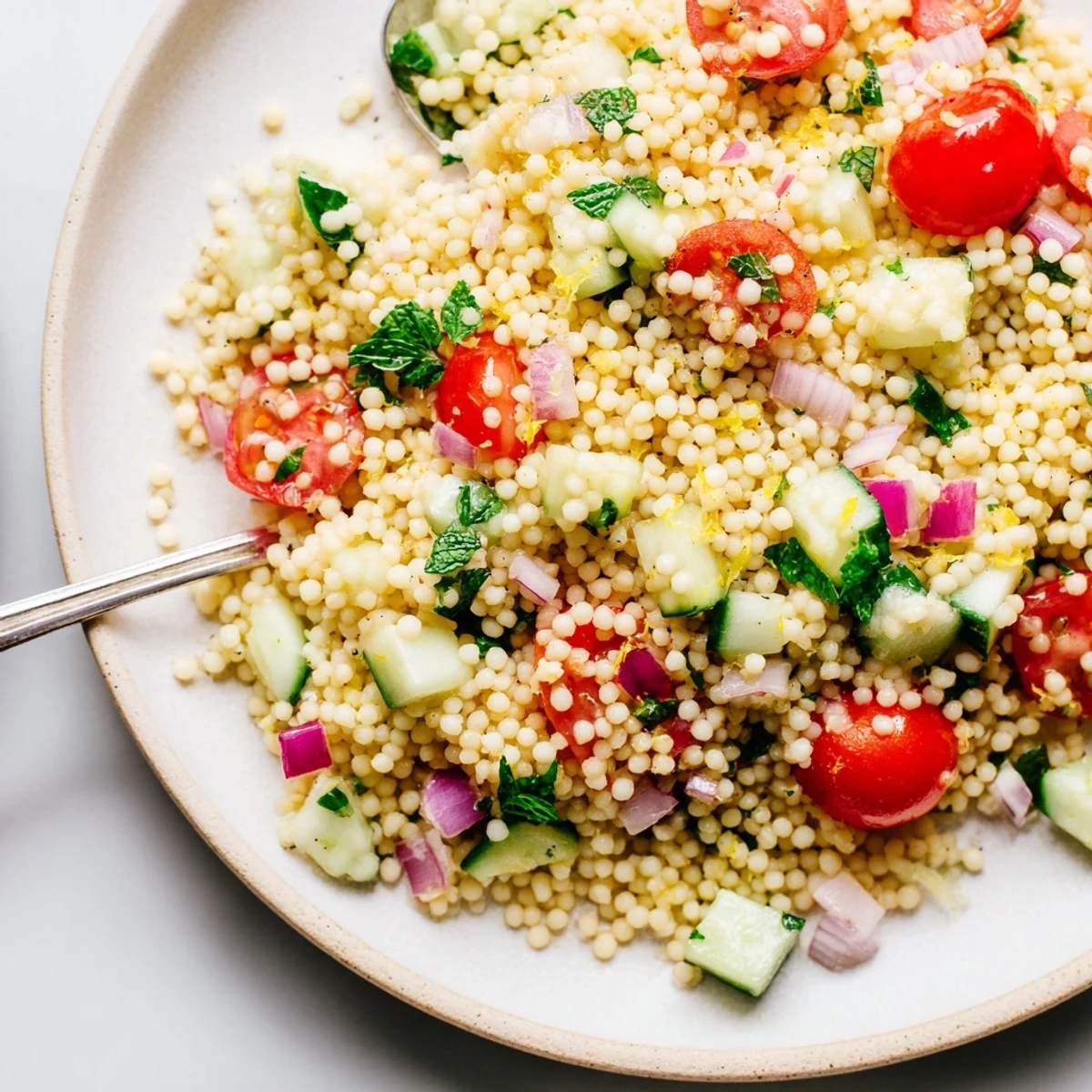
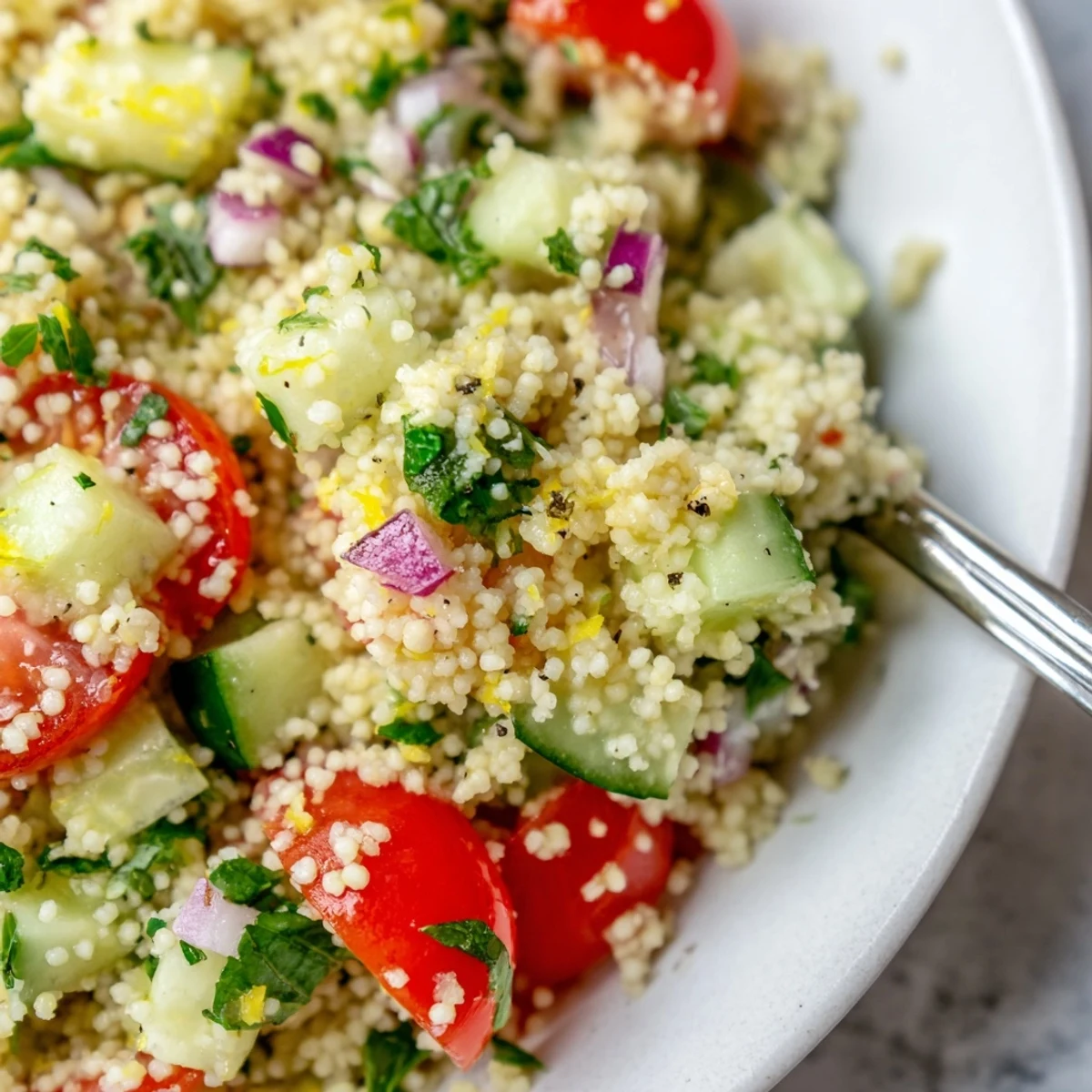
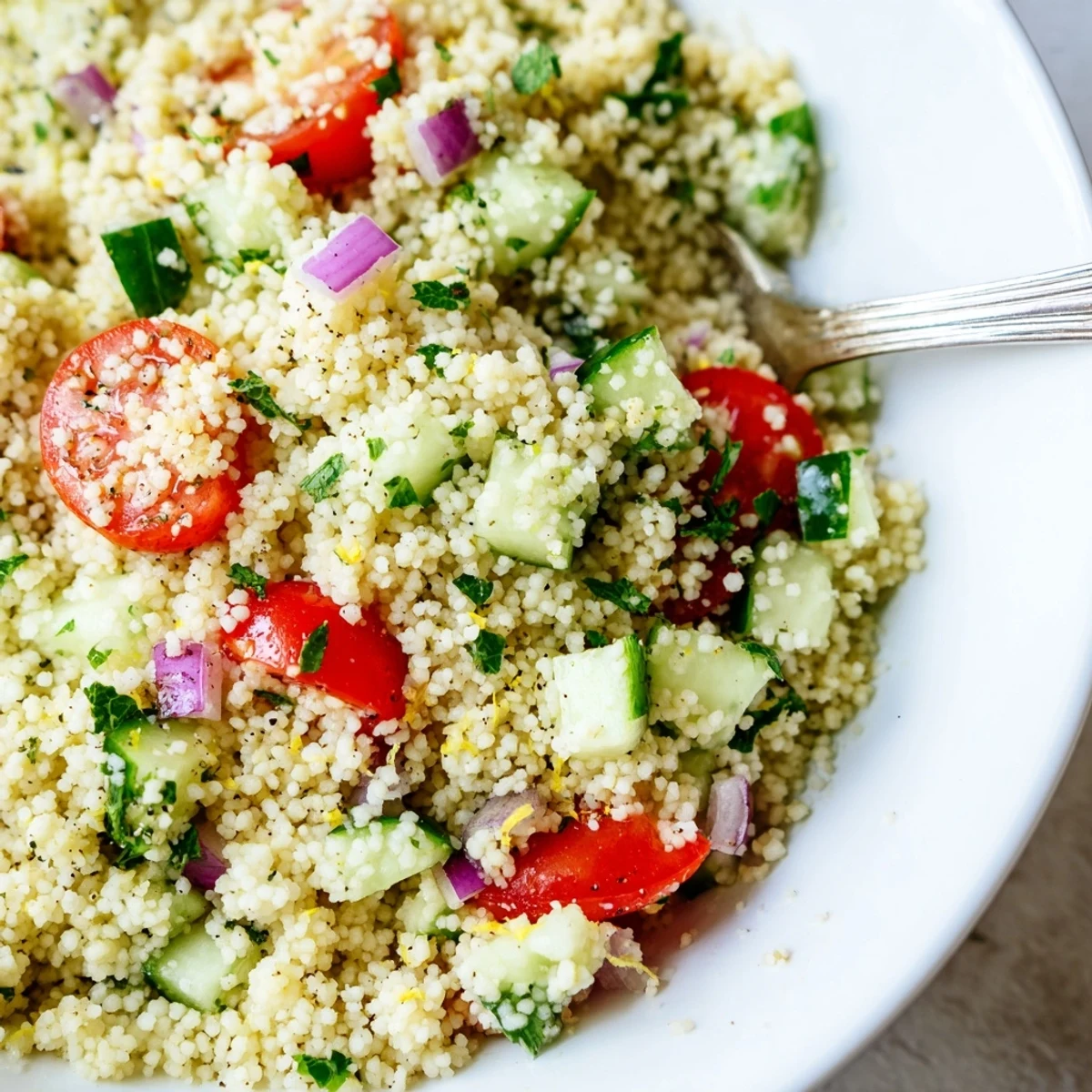
 A bright, no-fuss couscous salad starring cucumber, lemon and fresh herbs. Fluffy couscous steeps in boiling water, is fluffed with a fork and cooled slightly before folding in diced cucumber, cherry tomatoes, red onion, parsley and mint. A lemon-olive oil dressing with a touch of honey brings brightness and balance. Add crumbled feta or grilled shrimp for extra richness. Chill briefly; serves four and keeps up to two days refrigerated.
The screen door was propped open with a cinderblock and a warm breeze kept fluttering the kitchen curtains the afternoon I threw this salad together from what was left in the crisper.
My neighbor stopped by to return a borrowed plate and ended up eating two bowls standing at the counter, still wearing her gardening gloves.
Ingredients
- 1 cup couscous: The tiny grains soak up flavor like nothing else, making them the perfect blank canvas for a bright dressing.
- 1 cup boiling water: Just enough to hydrate the couscous without turning it into paste.
- 1/2 teaspoon salt: Add it to the dry couscous before the water so every grain gets seasoned from the start.
- 1 large cucumber, diced: Crispness is everything here, so choose a firm one with minimal seeds.
- 1/2 cup cherry tomatoes, halved: Their natural sweetness balances the sharpness of the onion and lemon.
- 1/4 red onion, finely chopped: A little goes a long way and you can soak it in cold water for five minutes if you want to tame the bite.
- 1/4 cup fresh parsley, chopped: Flat leaf parsley adds an earthy freshness that dried parsley simply cannot replicate.
- 2 tablespoons fresh mint, chopped: This is the herb that makes the whole salad sing, so do not skip it.
- 1 lemon, zested and juiced: Use every bit of it because the zest carries more fragrance than the juice alone.
- 3 tablespoons extra virgin olive oil: A fruity oil will make a noticeable difference in such a simple dish.
- 1 teaspoon honey or maple syrup: Just enough sweetness to round out the acidity without making it taste like dessert.
- 1/4 teaspoon black pepper: Freshly cracked is always better than pre ground.
- Additional salt, to taste: Taste at the end and adjust because the couscous will have absorbed some salt already.
Instructions
- Hydrate the couscous:
- Combine the couscous and salt in a large bowl, pour the boiling water over it, and cover tightly with a plate or plastic wrap for five minutes until the water disappears completely.
- Fluff and cool:
- Run a fork through the couscous in gentle sweeping motions to separate every grain, then let it sit uncovered so it cools down and stops cooking from residual heat.
- Whisk the dressing:
- In a small bowl, combine the lemon zest, lemon juice, olive oil, honey or maple syrup, black pepper, and a pinch of salt, whisking until the mixture looks cloudy and unified rather than separated.
- Combine the vegetables:
- Add the diced cucumber, halved cherry tomatoes, red onion, parsley, and mint to the cooled couscous, tossing gently so the tomatoes do not get bruised.
- Dress and toss:
- Pour the dressing over everything and fold it in with a large spoon, making sure each grain of couscous gets a light coating of that lemony oil.
- Taste and serve:
- Have a bite before you serve it and add salt or a squeeze more lemon if it tastes flat, then enjoy it at room temperature or chilled.
 Pin this
 I packed the leftovers in a mason jar and ate them cold on the porch at sunset, which honestly might be the best way to experience it.
Swaps and Additions
Crumbed feta turns this into a proper lunch, and a handful of grilled shrimp makes it feel like a meal worth sitting down for with a glass of white wine.
Making It Gluten Free
Quinoa works as a straight swap for couscous and brings a nuttier flavor, though you will need to simmer it for about fifteen minutes instead of just steeping it in boiling water.
Tools You Will Reach For
Keep your knife sharp because a dull blade will mash the cucumber and tomatoes instead of cutting them cleanly.
- A large mixing bowl gives you room to toss without spilling everything onto the counter.
- A small whisk blends the dressing faster than a fork, though a fork will do in a pinch.
- Measure the boiling water accurately because too much makes the couscous gummy and too little leaves it crunchy in the center.
 Pin this
 Some dishes just taste like a season, and this one will always taste like the first warm evening when you finally stop reaching for a sweater.
Recipe FAQs
- → How do I cook couscous so the grains stay fluffy?
-
Use equal parts boiling water to couscous, cover and let stand for about 5 minutes. Fluff gently with a fork to separate the grains and cool slightly before combining with vegetables to avoid clumping.
- → Can I make this ahead of time?
-
Yes. Assemble and refrigerate up to 48 hours. Dress lightly before storing and adjust seasoning just before serving; a brief chill helps flavors meld without softening the vegetables too much.
- → What can I use instead of couscous for a gluten-free option?
-
Swap in quinoa or certified gluten-free millet. Cook them according to package directions, cool, then fold in the same vegetables and lemon-olive oil dressing for similar texture and brightness.
- → How should I adjust the dressing for balance?
-
Taste for acidity and sweetness: start with the lemon juice and olive oil, then add a small amount of honey or maple syrup to round sharp edges. Finish with salt and cracked black pepper to taste.
- → What additions make this more substantial?
-
Fold in crumbled feta, toasted pine nuts, or grilled shrimp for protein and richness. Roasted chickpeas or cubes of halloumi also add heartiness while keeping Mediterranean flavors intact.
- → How can I keep the salad from becoming soggy?
-
Drain or pat any watery vegetables before adding, toss grains and vegetables gently, and refrigerate in a shallow container. Dress just enough to coat—extra dressing can be added at serving time.