
 Pin this
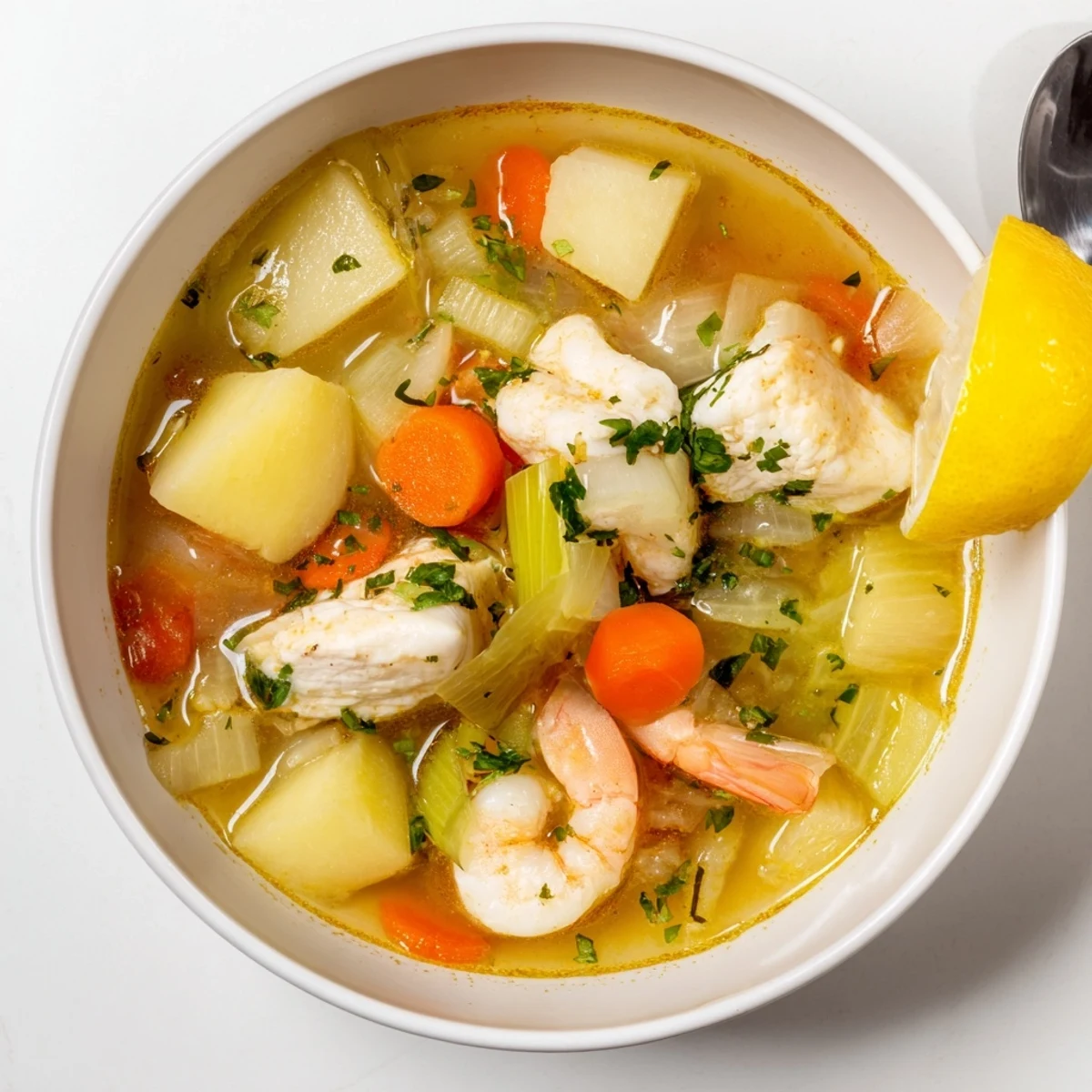
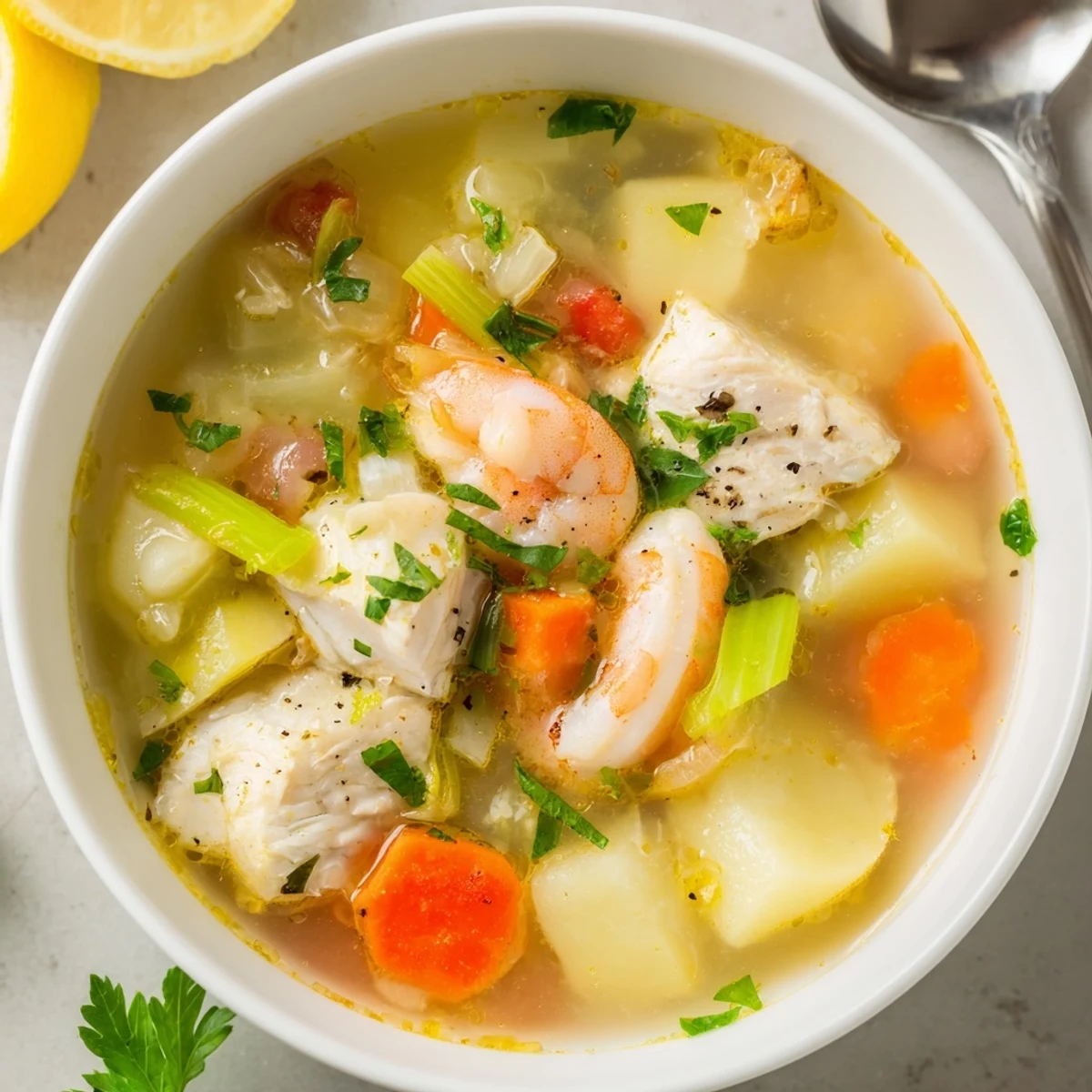
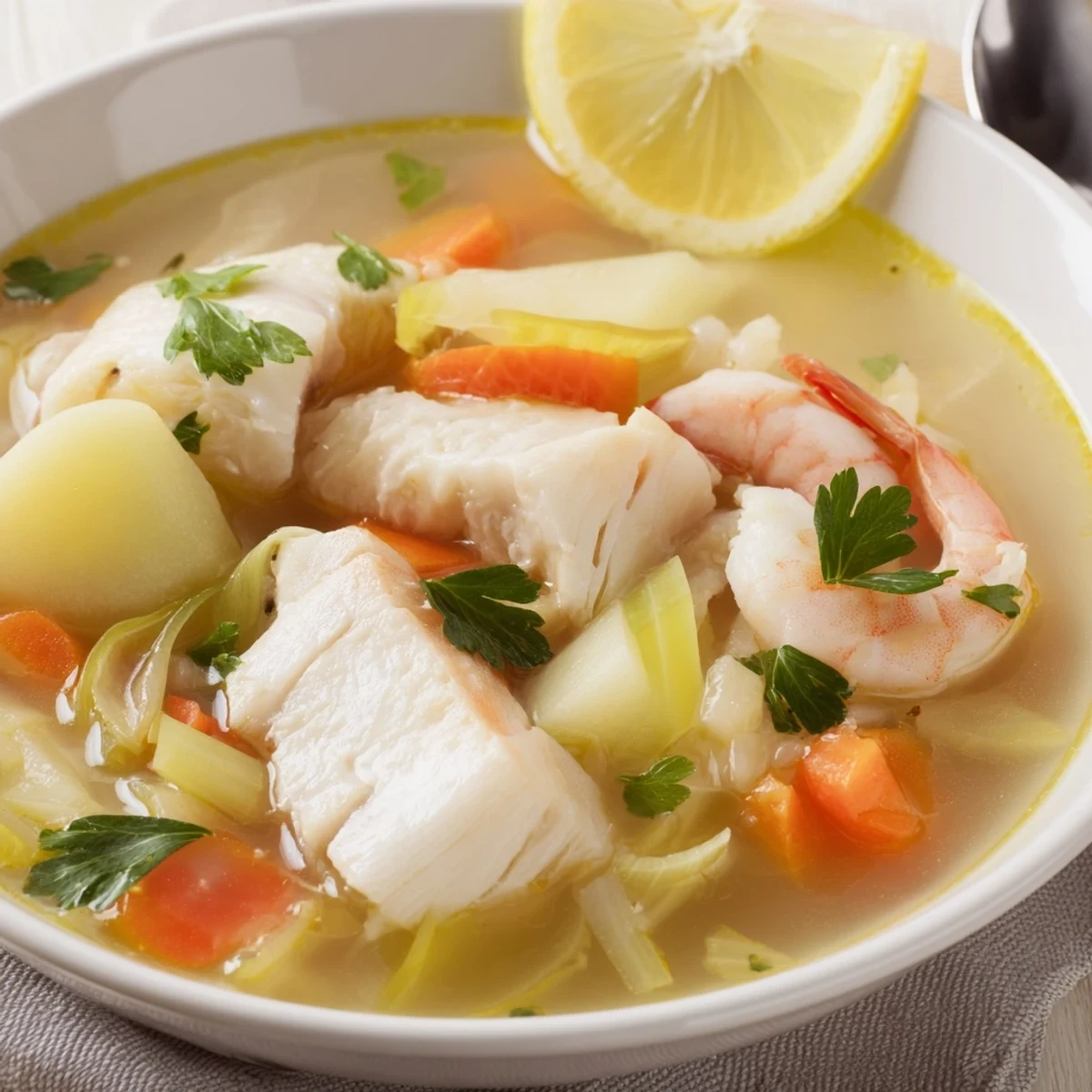
 This comforting fish soup combines white fish fillets and optional shrimp with carrots, leek, potatoes, celery and canned tomatoes, simmered in fish stock and a splash of dry white wine. Start by softening onion and leek in olive oil, add the vegetables, then wine and tomatoes. Simmer until tender, add seafood and cook gently until flaky. Finish with chopped parsley and lemon wedges before serving.
The rain was hammering against the kitchen window and the power had been flickering for an hour when I decided that canned soup was simply not going to cut it. I had some cod in the fridge that needed using and a half bottle of white wine that had been sitting open far too long. Forty minutes later, with nothing but the stove and a candle for light, I was eating the best bowl of fish soup I have ever made, completely by accident.
My neighbor knocked on the door that rainy evening asking if we had lost power too, and I handed her a bowl through the doorway. She stood there in the hallway eating it with a piece of bread, not even bothering to sit down.
Ingredients
- 400 g white fish fillets (cod, haddock), skinless and boneless, cut into chunks: The foundation of the soup so pick something fresh and firm that will hold its shape without falling apart into mush.
- 150 g shrimp, peeled and deveined (optional): Adds a lovely sweetness and makes the soup feel a bit more special for guests.
- 1 large onion, finely chopped: You want this to melt into the broth so dice it smaller than you think you need.
- 2 garlic cloves, minced: Fresh garlic only here, the jarred stuff loses too much punch in a wet soup like this.
- 2 carrots, sliced: Cut them on a slight angle for nice presentation and even cooking.
- 1 leek, cleaned and sliced: Split it lengthwise and rinse between every layer because grit hides in there like it has somewhere to be.
- 2 medium potatoes, peeled and cubed: They thicken the broth slightly as they cook and give the soup real substance.
- 2 celery stalks, diced: An underrated team player that adds a quiet savory depth most people cannot quite identify.
- 1 can (400 g) chopped tomatoes: Their acidity balances the richness of the seafood beautifully.
- 1 L fish stock: Homemade is ideal but a good quality store bought stock works perfectly fine.
- 100 ml dry white wine: Something you would actually drink, never cooking wine from a bottle you would not pour into a glass.
- 2 tbsp olive oil: Just enough to soften the vegetables without making things greasy.
- 1 bay leaf, 1/2 tsp dried thyme, 1/2 tsp dried oregano: A simple herb combination that lets the seafood stay in the spotlight.
- Salt and pepper to taste: Season gradually and taste as you go, the stock already carries salt.
- Fresh parsley, chopped, and lemon wedges for serving: The lemon squeeze at the end is not optional, it wakes up every single flavor in the bowl.
Instructions
- Build the flavor base:
- Warm the olive oil in a large heavy pot over medium heat and cook the onion and leek until they turn soft and translucent, about five minutes, stirring occasionally so nothing catches on the bottom.
- Wake up the vegetables:
- Add the garlic, carrots, celery, and potatoes to the pot and stir them around for another five minutes until everything is coated in oil and just beginning to soften at the edges.
- Let the wine work:
- Pour in the white wine and let it bubble away for two minutes until the sharp alcohol smell dissipates and you are left with a subtle sweetness.
- Build the broth:
- Add the chopped tomatoes, fish stock, bay leaf, thyme, and oregano, then bring everything to a boil before dropping the heat to low, covering the pot, and letting it simmer for fifteen minutes until the vegetables are tender when pierced with a fork.
- Add the seafood:
- Gently lower the fish chunks and shrimp into the simmering broth and cook for five to seven minutes until the fish flakes easily when nudged with a spoon and the shrimp turn pink and curl.
- Finish and taste:
- Remove and discard the bay leaf, then season with salt and pepper, tasting carefully because the fish stock may already be quite salty.
- Serve with intention:
- Ladle into warm bowls, scatter fresh parsley over the top, and make sure everyone gets a lemon wedge to squeeze over their soup right before eating.
 Pin this
 That rainy night this bowl of soup turned a miserable evening into something warm and genuinely happy, and now whenever I smell leeks softening in olive oil I think of my neighbor standing in the hallway holding bread.
Serving Ideas
Thick slices of crusty bread are really the only thing you need alongside this soup. A rustic sourdough or a simple baguette toasted with a bit of garlic butter turns a bowl into a complete meal that feels like something you would be served at a small seaside restaurant.
Making It Your Own
A pinch of chili flakes added with the tomatoes changes the whole personality of the dish into something bolder and more adventurous. You could also swap the white fish for salmon or even a bit of smoked fish if you want a deeper, more pronounced flavor running through the broth.
Storing and Reheating
If you have leftovers, cool them quickly and keep them in the refrigerator for up to one day. Reheat gently on the stove over low heat and never use the microwave at full power because it will overcook the fish in seconds.
- Store the soup and any bread separately so the bread does not turn soggy.
- Taste before reheating because the flavors will concentrate as it sits.
- Add a squeeze of fresh lemon after reheating to brighten everything back up.
 Pin this
 Some recipes become favorites because they are impressive, but this one earned its place because it is honest, warming, and exactly the kind of food that makes a cold kitchen feel like home.
Recipe FAQs
- → Can I substitute the fish with other types?
-
Yes. Firm white fish like cod, haddock or pollock hold up well; for a richer profile use salmon or smoked fish. Adjust cooking time for thicker or oily varieties so the pieces remain tender.
- → How do I avoid overcooking the seafood?
-
Cut fish into uniform chunks and add them near the end of simmering. Gently poach for 5–7 minutes until the fish flakes easily; the residual heat will finish cooking without drying it out.
- → What stock should I use for best flavor?
-
Fish stock enhances seafood notes, while vegetable stock keeps the broth lighter. If using plain water, boost flavor with extra aromatics and the suggested splash of dry white wine.
- → How can I thicken the broth naturally?
-
Smash a few cooked potatoes against the pot to release starch for body, or puree a portion of the soup with an immersion blender. Both add texture without masking the broth's brightness.
- → Any tips for adding spice or heat?
-
Add a pinch of chili flakes with the aromatics, or stir in a small spoon of harissa or chili paste to taste. Start light and adjust gradually to preserve the soup's balance.
- → How should leftovers be stored and reheated?
-
Cool quickly and refrigerate within two hours; consume within 48 hours. Reheat gently on the stove over low heat, adding a splash of stock if needed to revive the broth and avoid breaking the fish.