
 Pin this
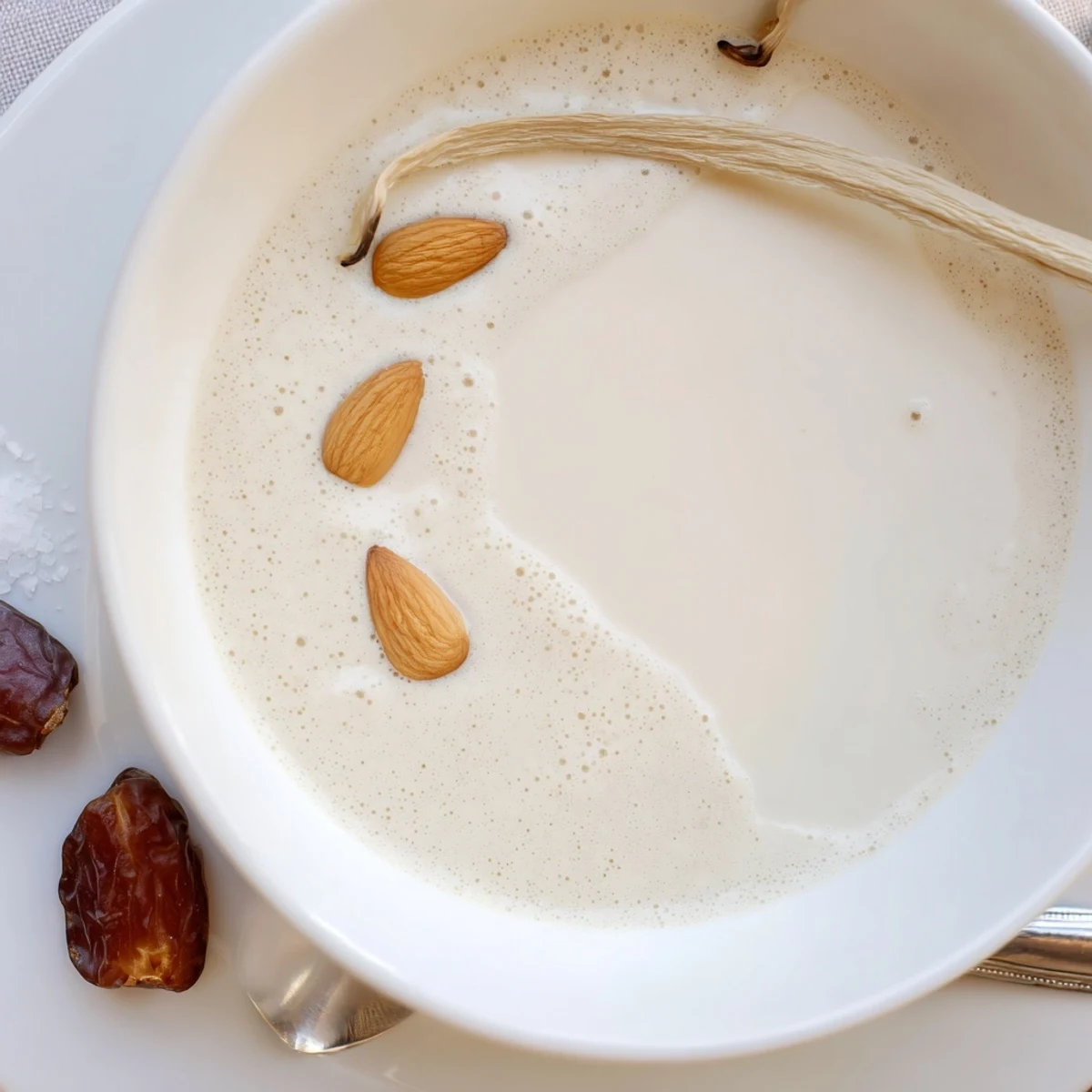
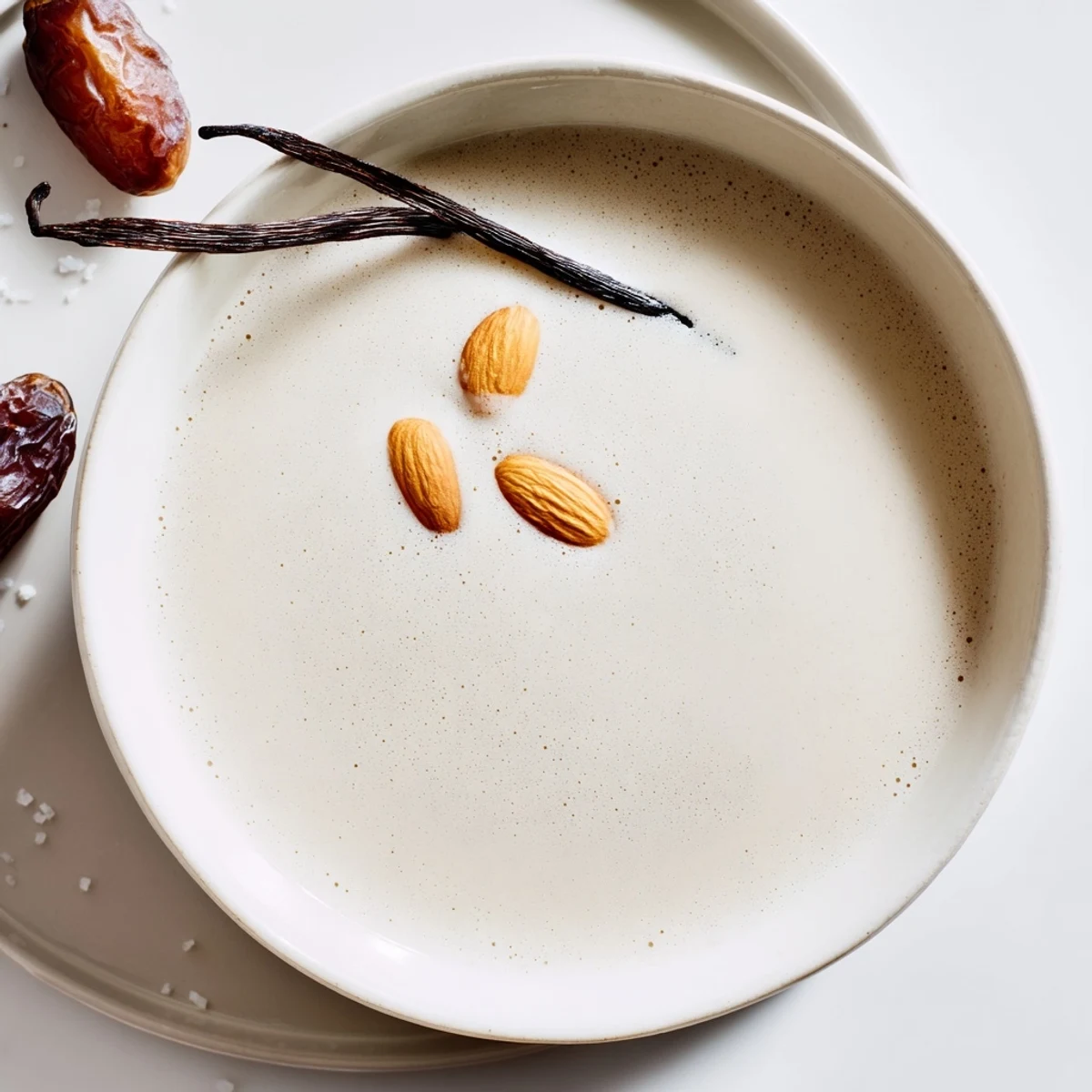
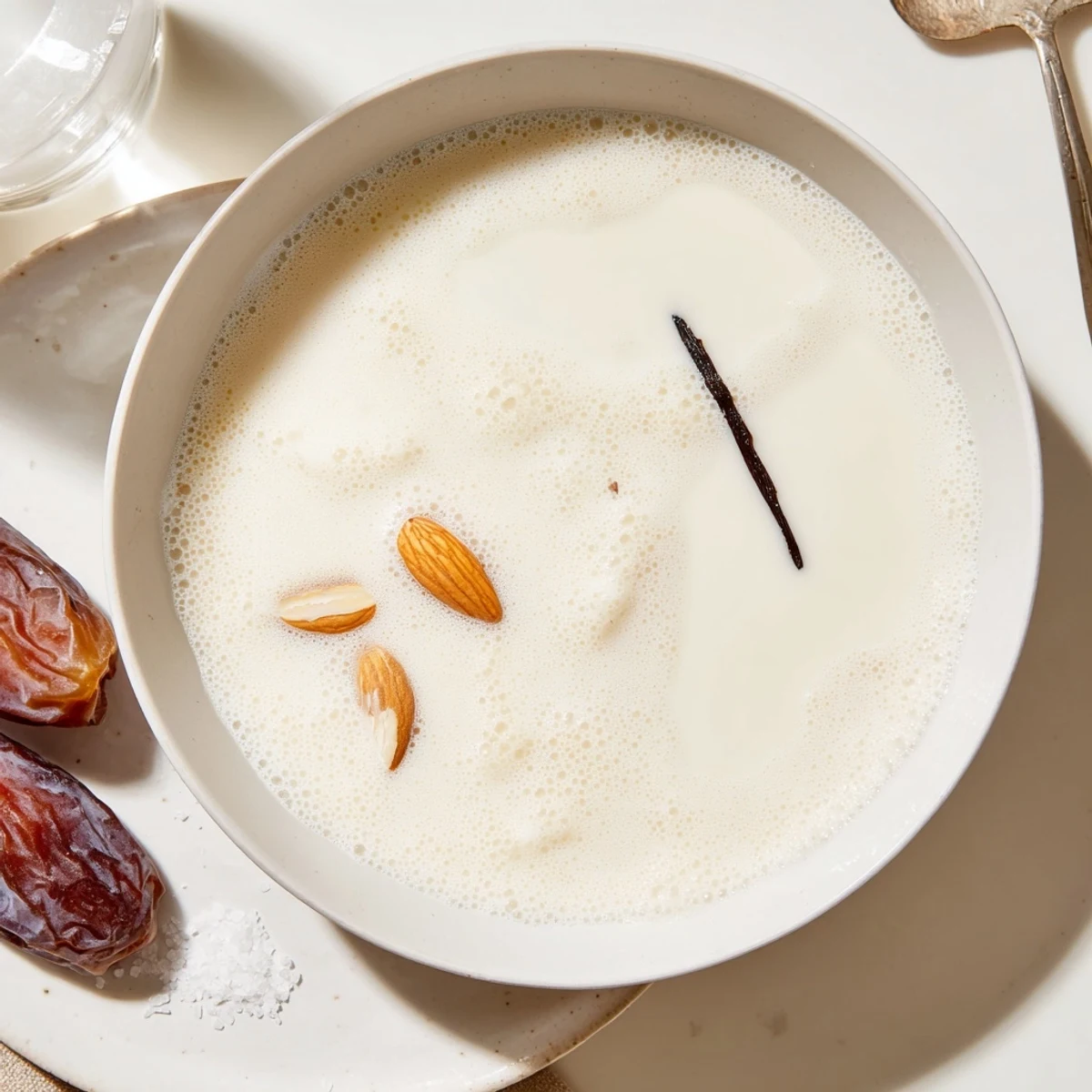
 Soak raw almonds overnight, drain, then blend with filtered water at roughly 1 cup almonds to 4 cups water until very smooth. Add dates for sweetness, vanilla for flavor, and a pinch of sea salt if desired. Strain through a nut milk bag or fine cloth and squeeze thoroughly to extract liquid.
Transfer to a sealed jar and refrigerate, shaking before use. Use within 3-4 days. Reserve the almond pulp for baking or smoothies; adjust water for thinner or creamier results.
The whir of my blender at six in the morning used to drive my roommate crazy, but once she tasted fresh almond milk in her coffee, she started setting out the almonds for me the night before. There is something almost meditative about squeezing that nut milk bag and watching creamy white liquid pour out, knowing you made it from literally two things. Store bought almond milk never quite hits the same after you have had the real thing sitting in your fridge.
I started making this during a phase when everything in my kitchen was an experiment, and almond milk was the one habit that actually stuck. My friend Maria watched me strain a batch once and declared it witchcraft, then immediately asked me to show her how. Now we both keep jars of it in our fridges and swap flavor ideas like recipes are gossip.
Ingredients
- Raw almonds (1 cup, 150 g): Use plain, unsalted, and unroasted almonds because roasting changes the flavor entirely and soaking works best with raw ones.
- Filtered water (4 cups, 1 liter): Good water matters here since it is half the drink, and filtered water keeps the taste clean.
- Dates, pitted (1 to 2, optional): These add a gentle, caramel like sweetness that feels more natural than refined sugar.
- Vanilla extract (1 tsp, optional): A splash rounds everything out and makes the milk taste like a treat rather than a project.
- Sea salt (a pinch, optional): Just a tiny amount lifts all the flavors and keeps the milk from tasting flat.
Instructions
- Soak the almonds:
- Drop the almonds into a bowl, cover them generously with water, and tuck the bowl into the fridge for at least eight hours or overnight until they look plump and slightly bloated.
- Drain and rinse:
- Pour off the soaking water and give the almonds a good rinse under the tap until the water runs clear, which washes away enzyme inhibitors and any bitterness.
- Blend everything:
- Toss the soaked almonds into your blender with four cups of fresh filtered water, plus the dates, vanilla, and salt if you are using them, then blend on high for one to two minutes until the mixture looks pale, frothy, and completely smooth.
- Strain the milk:
- Pour the blended mixture through a nut milk bag or a double layer of cheesecloth into a large bowl, gathering the corners and squeezing firmly with your hands to extract every last drop of liquid.
- Bottle and chill:
- Transfer the fresh almond milk into a clean glass bottle or jar, pop it in the refrigerator, and give it a hearty shake before each pour since separation is totally natural and means you did it right.
 Pin this
 One Saturday morning my nephew walked in, watched me wringing out a nut milk bag with both hands, and asked if I was milking a ghost. I laughed so hard I spilled half the batch across the counter, and we spent the next twenty minutes cleaning it up together while he invented increasingly absurd names for what we were making.
Getting the Consistency Right
The ratio of almonds to water is your dial for thickness. Four cups of water to one cup of almonds gives you something that pours like whole milk, which is where most people want to be. If you like it richer and more decadent for pouring over granola, pull back to three cups of water. For a lighter version that works well in smoothies or as a base for soups, bump it up to five.
Flavor Variations Worth Trying
Once you have the basic method down, the fun really starts. A tablespoon of cocoa powder and a drizzle of maple syrup turns this into something dangerously close to chocolate milk. A handful of strawberries blended in at the last minute makes a pink, fruity version that disappears fast in summer. Cinnamon, cardamom, or even a drop of almond extract can take it in a completely different direction, so treat each batch like a small adventure.
Storage and Freshness
Homemade almond milk is alive in a way store bought never is, which is beautiful but also means it does not sit around forever. Plan to use it within three to four days, and always give it a sniff before pouring if it has been hanging out in the back of the fridge.
- Keep it in a sealed glass container because plastic can hold onto flavors from previous contents.
- Shake vigorously before each use since the solids will settle at the bottom naturally.
- If the milk smells sour or tastes off before the four day mark, your container might not have been fully clean.
 Pin this
 Once you start making your own almond milk, the carton version starts tasting like water with ambition. It is one of those small kitchen rituals that pays you back every single morning.
Recipe FAQs
- → How long should almonds be soaked?
-
Soak raw almonds at least 8 hours or overnight to soften them. Longer soaking makes blending easier and helps achieve a smoother texture.
- → What is the best water-to-almond ratio?
-
Use about 1 cup (150 g) almonds to 4 cups (1 liter) filtered water for a balanced, creamy milk. Increase water for a thinner drink or reduce for a richer result.
- → How do I sweeten or flavor the milk?
-
Add 1–2 pitted dates while blending for natural sweetness, or stir in 1 tsp vanilla extract. A pinch of sea salt enhances the overall flavor.
- → What can I do with the leftover almond pulp?
-
Save the pulp for baking, cookies, muffins, or add to smoothies and granola. Dry it in a low oven to make almond flour or use fresh pulp in baked goods for moisture.
- → How should I strain the milk without special tools?
-
Use cheesecloth or a fine mesh sieve if a nut milk bag isn't available. Line the sieve with a double layer of cheesecloth, pour the blend, and gather the cloth to squeeze out the liquid.
- → How long does homemade almond milk keep?
-
Store in a sealed jar in the fridge and use within 3-4 days. Shake well before each use, as separation is natural.