
 Pin this
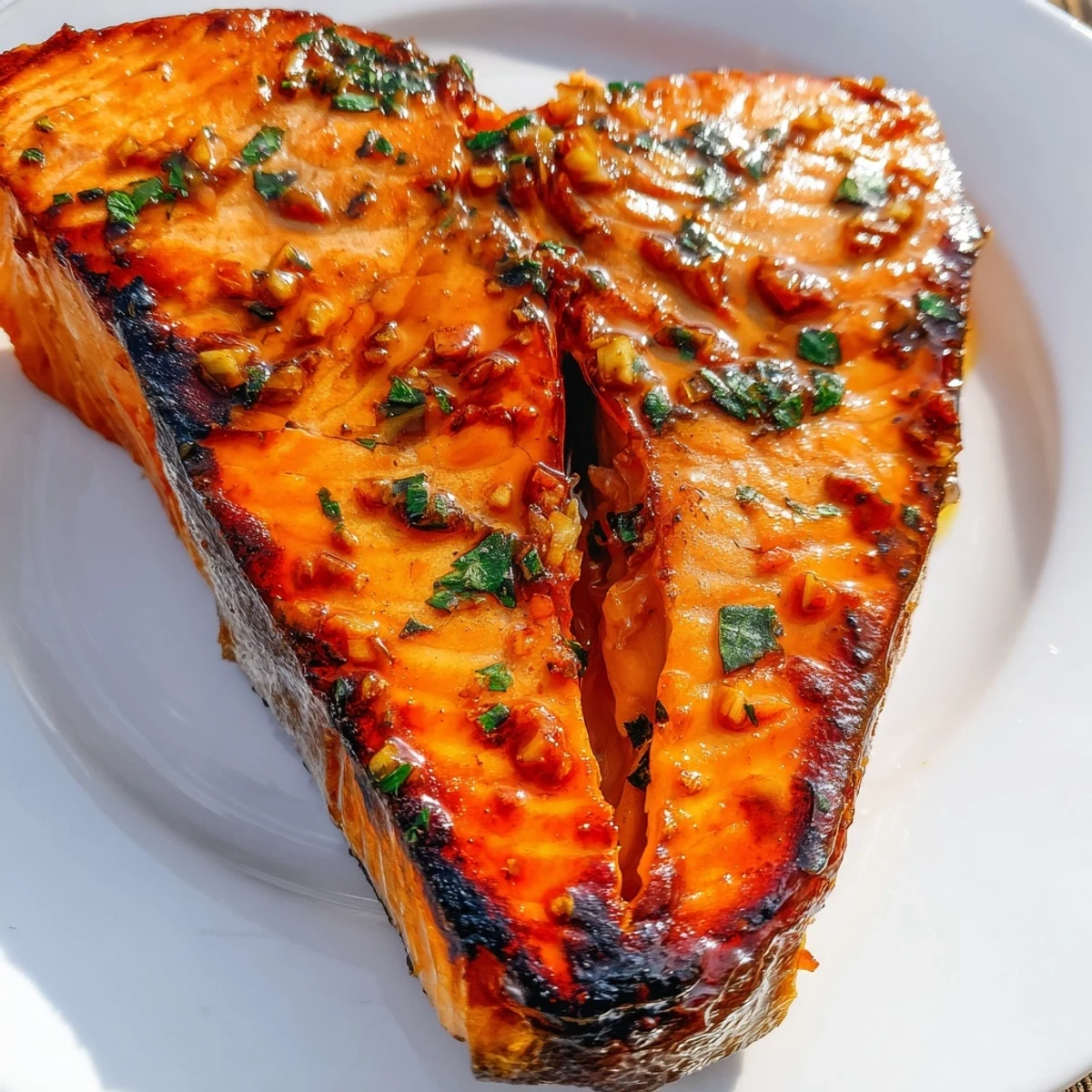
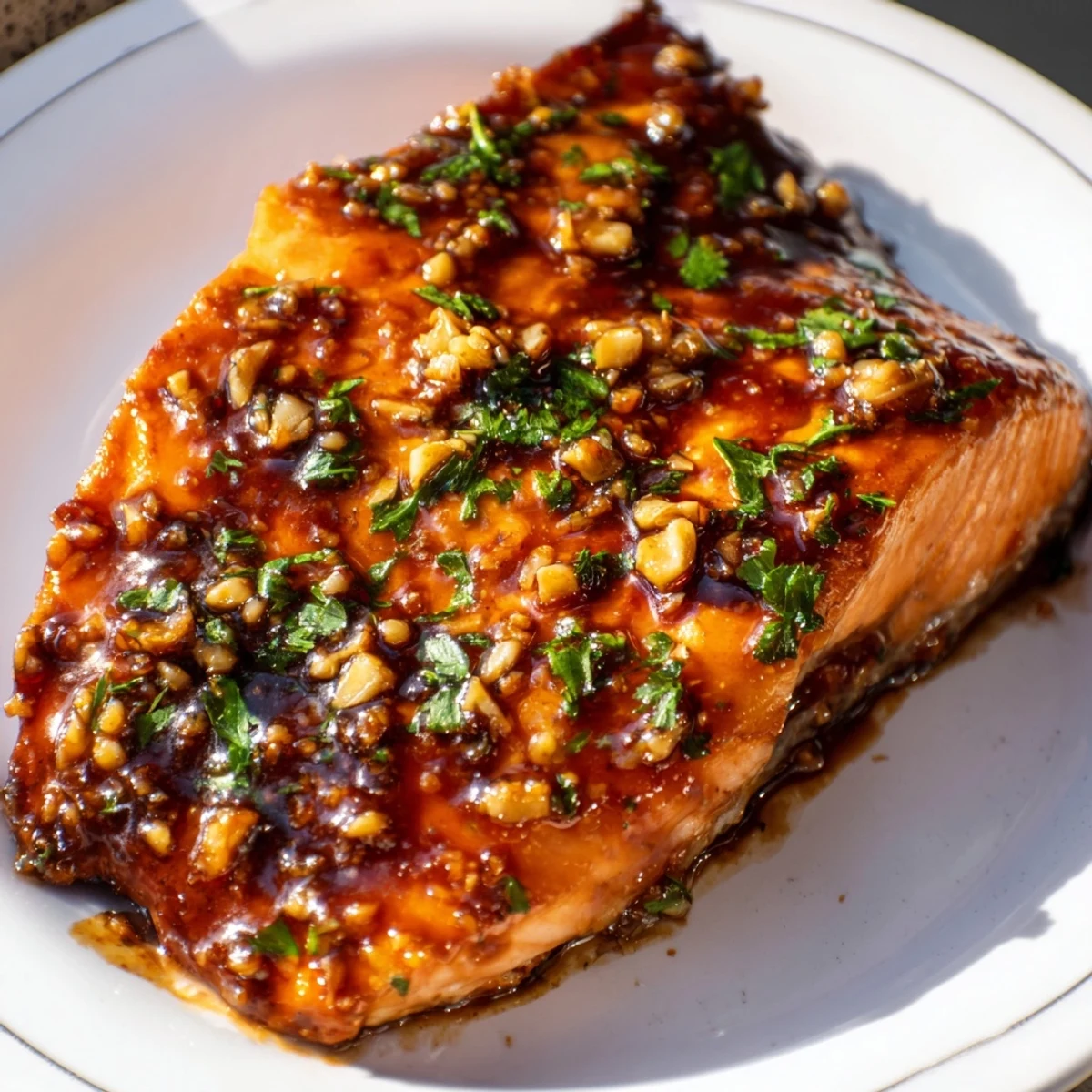
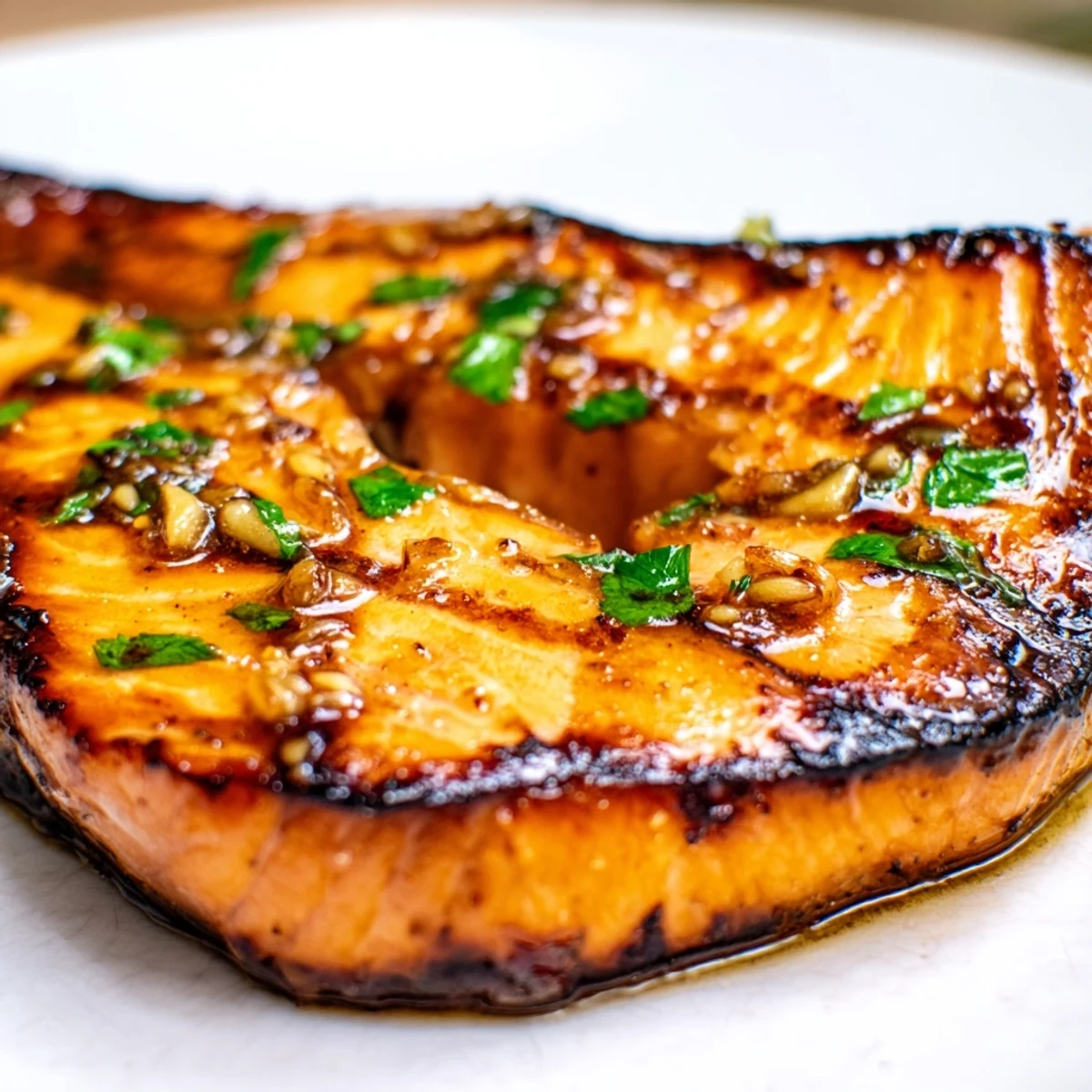
 Salmon steaks are seasoned and coated with a mixture of honey, soy sauce, garlic, lemon juice, and olive oil. Broiled close to the heat, they develop a caramelized glaze that enhances their natural richness. This quick method produces a flavorful main course that pairs well with steamed rice or roasted vegetables. Garnished with fresh parsley and lemon wedges, it offers a balanced and vibrant plate ideal for pescatarian and dairy-free preferences.
My neighbor dropped off a bunch of wild salmon one summer, and I had maybe twenty minutes before guests arrived. I threw together what I had on the counter—honey, garlic, soy sauce—and broiled it hot and fast. The glaze caramelized into this glossy amber shell while the fish stayed tender underneath, and honestly, that improvised dinner got more compliments than my carefully planned meals ever did.
I made this for my partner one random Thursday when we both came home tired, and watching the salmon glaze under the broiler felt almost meditative—the kitchen smelled so good that we forgot we were exhausted. By the time we sat down, we were both smiling like we'd done something special, even though it was the easiest thing I'd made all week.
Ingredients
- Salmon steaks: Four pieces, skin-on if you like, about 6 ounces each—they cook faster than fillets and stay incredibly moist, plus the edges get those crispy caramelized bits.
- Salt and black pepper: Just enough to season before the glaze goes on, letting the fish taste like itself first.
- Honey: Three tablespoons of the real stuff, not the squeeze bottle—it caramelizes beautifully under the broiler and brings sweetness without being cloying.
- Soy sauce: Two tablespoons for umami depth and that savory backbone that makes people ask what's in it.
- Fresh lemon juice: Two tablespoons squeezed right before cooking, cutting through the richness and brightening every bite.
- Garlic: Three cloves minced fine so they cook into the glaze rather than burning, infusing it with warm, aromatic flavor.
- Olive oil: One tablespoon to help the glaze coat evenly and keep the salmon from sticking.
- Red pepper flakes: Optional half teaspoon, but a gentle pinch adds a whisper of heat that keeps the sweetness from being too much.
- Fresh parsley: Two tablespoons chopped, for color and a fresh herbaceous finish that feels like a restaurant touch.
- Lemon wedges: To squeeze over at the table—that last bright hit makes everything better.
Instructions
- Get your broiler ready:
- Preheat it to high and line your baking sheet with foil, greasing it lightly. The foil makes cleanup effortless and keeps the fish from sticking.
- Prep the salmon:
- Pat your steaks completely dry with paper towels—this matters more than you'd think, because moisture keeps the glaze from sticking and browning properly. Season both sides generously with salt and pepper, then arrange them on your prepared sheet.
- Build the glaze:
- Whisk together the honey, soy sauce, lemon juice, minced garlic, olive oil, and red pepper flakes in a small bowl until it looks glossy and well combined. Taste it if you want—it should taste sweet and savory with a little punch at the end.
- First glaze coat:
- Brush half the glaze over your salmon steaks with even coverage, using a pastry brush or the back of a spoon. You're building flavor in layers, so this first coat matters.
- First broil:
- Slide the sheet under the broiler about 6 inches from the heat and cook for 6 minutes. Watch it—broilers are aggressive, and you want the salmon to cook through, not char.
- Second glaze and finish:
- Pull the sheet out carefully, brush the remaining glaze over the salmon, and slide it back under the broiler for another 6 to 8 minutes. You're looking for the flesh to flake easily and the edges to turn caramelized and slightly crispy, with the thickest part reaching 145°F internally.
- Plate and serve:
- Transfer the salmon to plates while it's still warm, scatter fresh parsley over the top, and set out lemon wedges on the side for people to squeeze as they eat.
 Pin this
 The first time I made this for people I actually wanted to impress, I was nervous—fancy restaurant food at home always felt risky. But plating it, watching the glaze catch the light, hearing the quiet satisfaction in the room when everyone tasted it—that's when I realized good food doesn't need to be complicated, just honest and done with care.
Timing and Flavor Building
The two-coat glaze method isn't just for looks; it's how you build layers of caramelized flavor without drying out the fish. The first coat seals in moisture while the salmon cooks through, and the second coat, applied when the fish is already warm, caramelizes in minutes into this glossy, burnished finish. I've tried single-coat versions out of laziness, and they're fine, but the double-coat version tastes noticeably richer and more refined.
Variations and Swaps
Maple syrup works beautifully if you want an earthier sweetness instead of honey's brightness, and I've used it on autumn nights when the weather turns cooler. You can also add a splash of fresh ginger or a teaspoon of sesame oil to the glaze if you want to push it toward Asian-inspired flavors. The core recipe is flexible enough to make your own without losing what makes it work—that balance of sweet, savory, and bright.
Serving and Pairing Ideas
I usually serve this with something light and simple—steamed rice soaks up the glaze beautifully, or roasted vegetables that char at the edges the same way the salmon does. A crisp salad cuts through the richness if you want something brighter, and if you're drinking wine, a dry Riesling or Sauvignon Blanc is your friend. The acidity in the wine echoes the lemon and keeps everything from feeling heavy.
- Pair it with jasmine rice to let the glaze be the star of the plate.
- Roast broccoli or snap peas alongside so you have something crispy next to the soft salmon.
- Squeeze extra lemon at the table—everyone will, so have it ready.
 Pin this
 This recipe taught me that sometimes the simplest meals, made with attention and good ingredients, feel more special than anything fussy. It's become my go-to when I want to cook something that tastes impressive but doesn't ask me to spend hours in the kitchen.
Recipe FAQs
- → How do I prevent the salmon from sticking to the baking sheet?
-
Lightly grease the baking sheet with oil or use foil/parchment paper to ensure the salmon doesn't stick during broiling.
- → Can I prepare the glaze in advance?
-
Yes, the honey garlic glaze can be whisked ahead and stored briefly, allowing flavors to meld before coating the salmon.
- → What is the best way to check if the salmon is cooked?
-
The salmon is done when its flesh flakes easily with a fork and reaches an internal temperature of 63°C (145°F).
- → Are there alternatives to honey in the glaze?
-
Maple syrup can be used as a substitute for honey to maintain sweetness with a slightly different flavor profile.
- → What side dishes complement this salmon preparation?
-
Steamed rice, roasted vegetables, or a fresh crisp salad are excellent accompaniments to balance the rich glaze.
- → Is the glaze spicy?
-
The glaze includes optional crushed red pepper flakes, which add a mild heat if you choose to include them.