
 Pin this
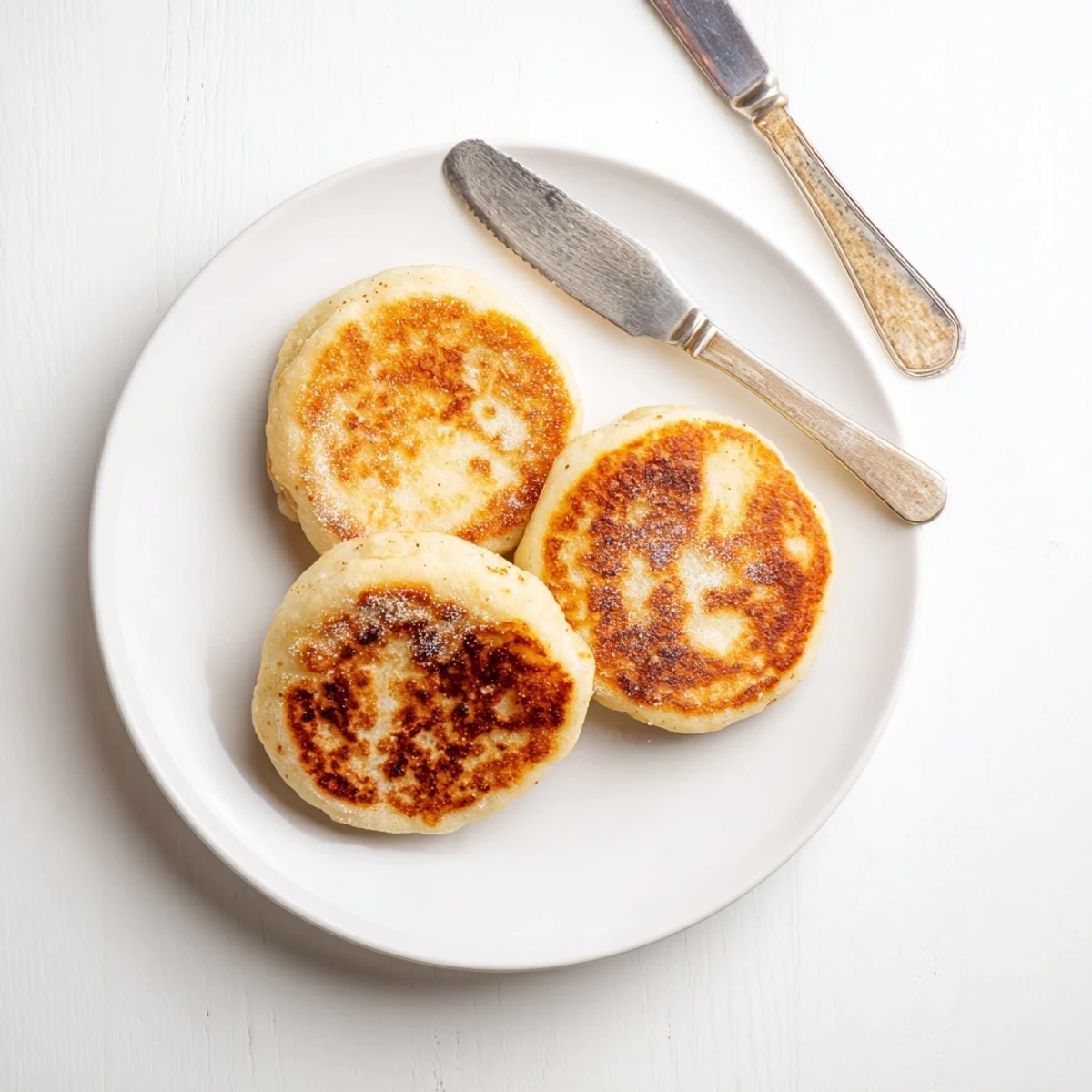
 These traditional Irish potato cakes feature a satisfying contrast textures—crisp, buttery exteriors giving way to soft, creamy centers. Made from simple pantry staples like floury potatoes, butter, and flour, they come together in just 35 minutes for an comforting breakfast or side dish.
The process starts with boiling and mashing potatoes until smooth, then combining them with butter, milk, and seasoned flour to create a pliable dough. After shaping and cutting into rounds or triangles, the cakes are pan-fried in butter until golden brown on both sides.
.Serve them warm with extra butter, alongside a full Irish breakfast, or elevate with smoked salmon and sour cream. Leftover mashed potatoes work brilliantly here, making this an excellent way to transform extras into something special.
The first time I encountered potato cakes was in a tiny kitchen in County Cork, where the cook insisted they were simply fancy leftovers. She flipped them with the confidence of someone who had made thousands, and the smell of butter hitting hot pan filled the entire room. I have been obsessed with that golden crust and tender center ever since.
Last winter, when snow kept us inside for days, I made a double batch and my family ate them standing up by the stove. There is something deeply comforting about watching simple potatoes become something so satisfying, especially when everyone gathers around waiting for their turn.
Ingredients
- Floury potatoes: These starchy varieties like Russet absorb moisture better, giving you that light interior texture without becoming gummy or dense
- Unsalted butter: Using unsalted lets you control the seasoning exactly, and the milk solids in butter create that beautiful golden color we are after
- Whole milk: Full fat milk creates a creamier mash that translates to a more tender final cake
- Plain flour: Just enough flour provides structure without making the cakes tough or breadlike
- Salt and black pepper: Simple seasonings that let the potato flavor shine while enhancing every bite
Instructions
- Boil the potatoes:
- Cook the potato chunks in salted water until they fall apart easily when pierced with a knife, about 12 to 15 minutes. Drain them well and let them sit in the colander for a couple of minutes to steam off excess moisture, which prevents soggy cakes.
- Create a smooth mash:
- Mash the potatoes until completely smooth, then stir in the butter and milk until everything is incorporated and creamy. Let this mixture cool for about 5 minutes so the flour does not cook when you add it.
- Form the dough:
- Stir in the flour, salt, and pepper until you have a soft, slightly sticky dough that holds together when squeezed. The texture should feel like a soft cookie dough, not wet batter.
- Shape the cakes:
- Turn the dough onto a floured surface and knead gently just until it comes together, about 1 to 2 minutes. Pat the dough into a disc about 1 cm thick and cut rounds with a cutter or slice into triangles.
- Fry to perfection:
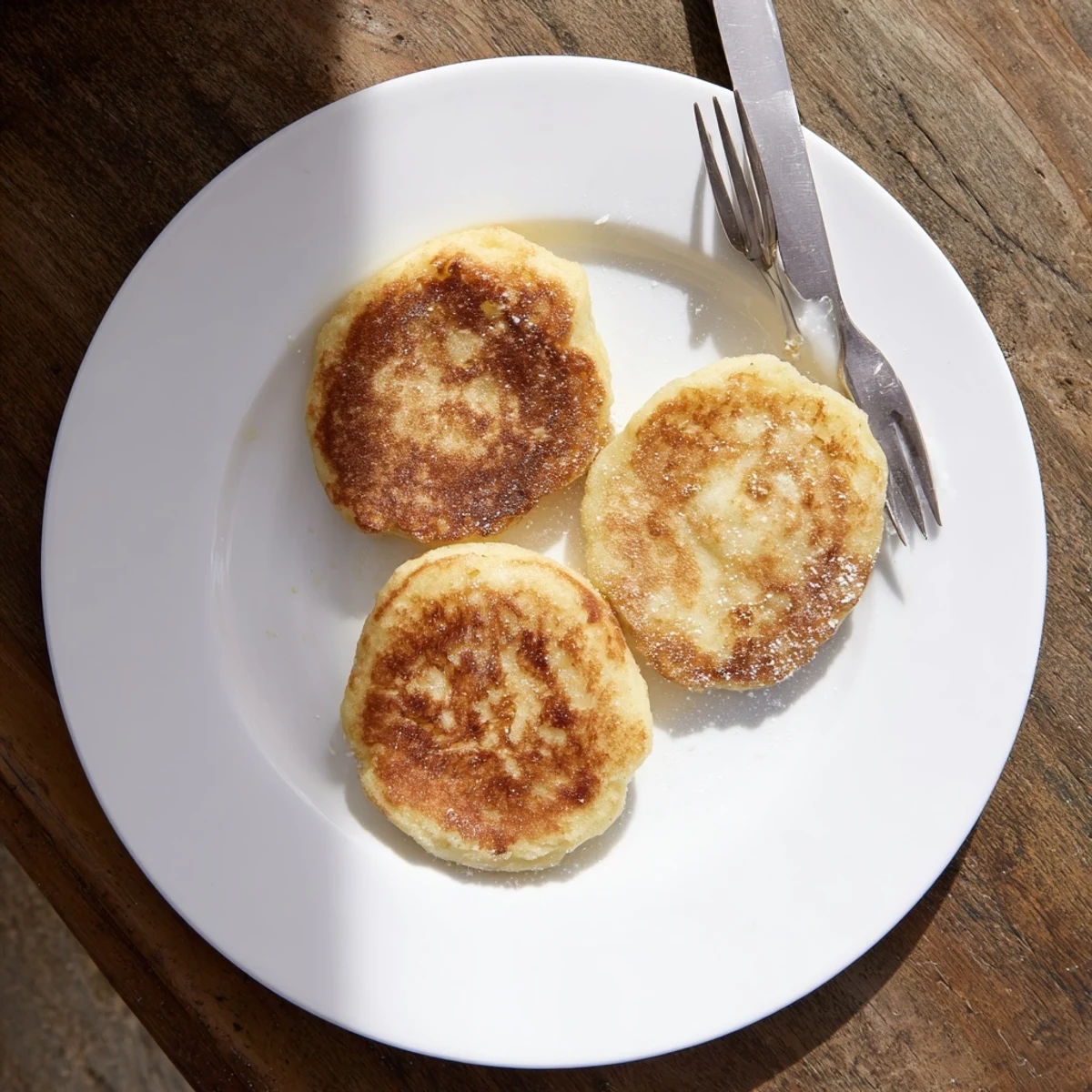
- Melt a little butter in a skillet over medium heat and cook the cakes in batches for 3 to 4 minutes per side. Watch for that deep golden color and listen for the satisfying sizzle that tells you the crust is forming properly.
 Pin this
 My grandmother would stand at the stove, flipping each cake with a worn spatula, and somehow the last one never made it to the serving plate. She claimed she was just quality checking, but I knew better. Those stolen warm moments became my favorite part of the tradition.
Making Them Ahead
You can shape the uncooked cakes and layer them between parchment paper in the refrigerator for up to 24 hours before frying. This actually helps them hold their shape better, and the cold dough develops a slightly better crust when it hits the hot pan.
Perfecting the Crust
The secret is patience with your heat setting, as too high heat burns the outside before the interior heats through. I aim for a gentle sizzle rather than an aggressive fry, and I resist the urge to peek too early since that crust needs uninterrupted contact with the pan.
Serving Ideas
These potato cakes are incredibly versatile and work for any meal from breakfast to dinner. Top them with smoked salmon and sour cream for brunch, or serve alongside a full fry for a traditional Irish breakfast experience.
- Try adding chopped chives or scallions to the dough for extra flavor
- Leftover mashed potatoes work beautifully in this recipe
- Keep finished cakes warm in a low oven while you cook the remaining batches
 Pin this
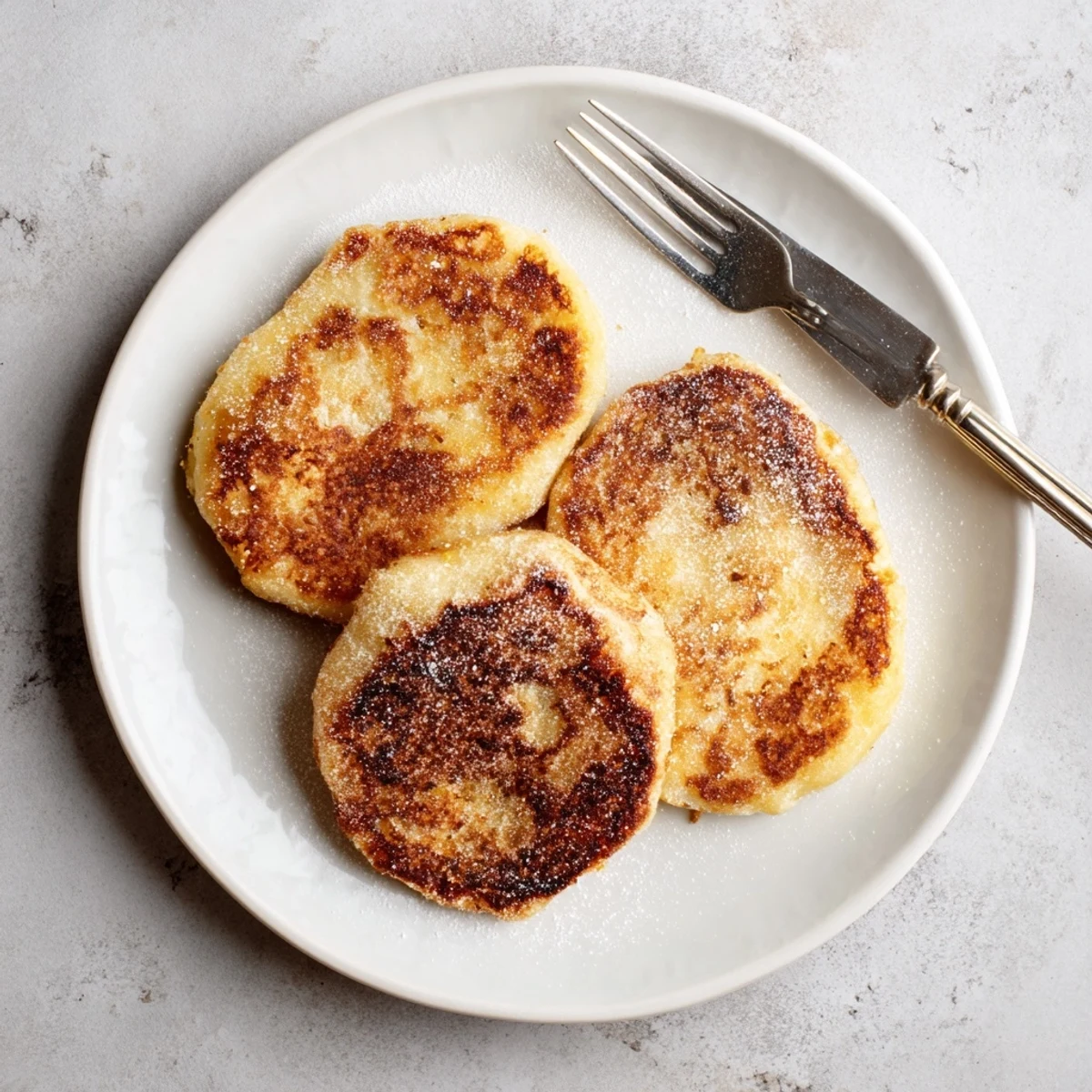
 There is something magical about turning simple ingredients into comfort food that brings people together, one golden cake at a time.
Recipe FAQs
- → What type of potatoes work best for these cakes?
-
Floury or starchy potatoes like Russet or Maris Piper are ideal because they mash smoothly and absorb moisture well, creating a dough that holds its shape during frying without becoming gummy.
- → Can I use leftover mashed potatoes?
-
Absolutely. Leftover mashed potatoes work perfectly for this dish. If your mash already contains butter and milk, reduce those ingredients slightly in the dough to maintain the right consistency.
- → How do I achieve the crispiest exterior?
-
Ensure your skillet or griddle is properly heated to medium temperature before adding the cakes. Use enough butter to coat the pan bottom and don't flip too early—wait until a golden crust forms, about 3-4 minutes per side.
- → What can I serve with potato cakes?
-
They're delicious with melted butter and fresh chives, alongside a full Irish breakfast with eggs and bacon, or paired with smoked salmon and sour cream for an elegant appetizer.
- → Can these be made ahead and reheated?
-
Yes. Cook the cakes completely, cool on a wire rack, then refrigerate for up to 2 days. Reheat in a dry skillet over medium-low heat or in a 350°F oven for 5-7 minutes until warmed through and crisp again.
- → Is there a gluten-free option?
-
Substitute the plain flour with a gluten-free all-purpose flour blend. The texture may be slightly softer, but the flavor remains excellent. Ensure all other ingredients, including butter, are certified gluten-free.