
 Pin this
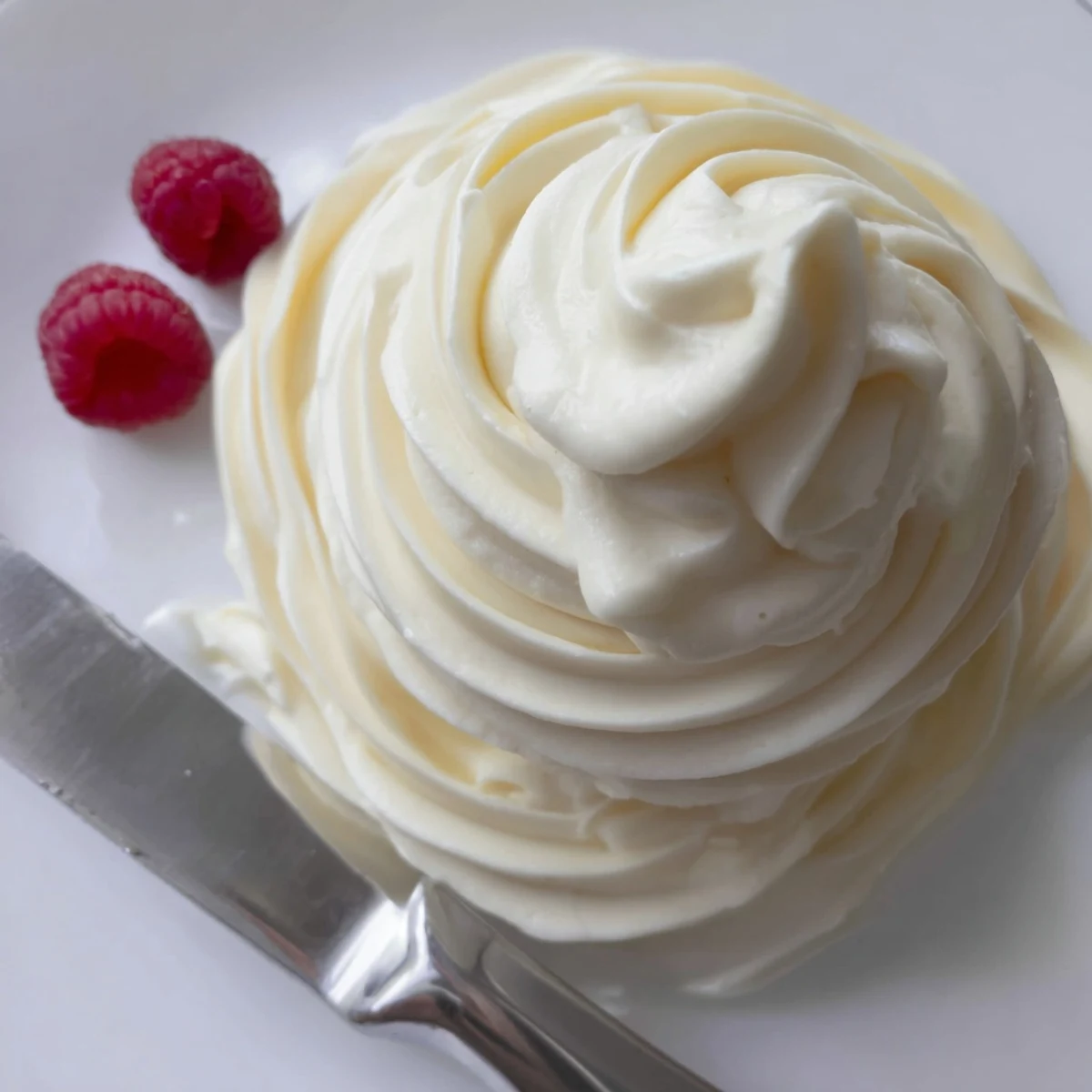
 This Italian meringue buttercream delivers a silky, luxurious texture by slowly drizzling hot sugar syrup into whipped egg whites, then incorporating room-temperature butter until emulsified.
The result is a glossy, pipeable frosting that pairs beautifully with sponge cakes, cupcakes, and berry desserts. It holds its shape elegantly and can be flavored with espresso, chocolate, or fruit purees.
Plan about 40 minutes total, and ensure your equipment is completely grease-free for the most stable meringue.
The steam on my kitchen window told me the syrup was getting close before the thermometer ever did. Italian meringue buttercream is the kind of recipe that humbles you quickly and then rewards your patience with something that tastes like whipped silk. My first attempt ended with a bowl of what looked like scrambled eggs and butter, and I nearly threw the whole thing away before a pastry chef friend told me to just keep the mixer running. That single sentence saved my cake and honestly changed how I approach frostings forever.
I made a batch of this for my sisters wedding shower cake, a simple three layer lemon sponge, and watched a room full of people go quiet after the first bite. The frosting has a way of stealing attention from whatever cake sits beneath it.
Ingredients
- 200 g (1 cup) granulated sugar: The foundation of your sugar syrup, so use plain white granulated sugar for the cleanest results and most reliable caramelization.
- 60 ml (1/4 cup) water: Just enough to dissolve the sugar before heat takes over, measured precisely because too much water extends your cooking time unnecessarily.
- 4 large egg whites (room temperature): Room temperature whites whip to greater volume, so pull them out of the fridge at least thirty minutes ahead and separate carefully to avoid any yolk contamination.
- 1/4 tsp cream of tartar (optional): An acid stabilizer that helps your meringue hold its structure, especially useful on humid days when egg whites want to weep.
- 1/8 tsp fine sea salt: A tiny pinch that balances the sweetness and rounds out the flavor in a way that makes people unable to stop eating it.
- 340 g (1 1/2 cups) unsalted butter (room temperature, cut into cubes): The butter must be truly soft and at room temperature but not greasy or melting, because cold butter will seize the meringue and warm butter will make everything soupy.
- 1 tsp vanilla extract: Use a good quality pure extract here since the flavor really comes through in such a simple, ingredient driven frosting.
Instructions
- Make the sugar syrup:
- Combine sugar and water in a small saucepan over medium heat, swirling the pan gently to help dissolve the sugar without splashing crystals up the sides. Clip on your candy thermometer and watch it climb toward 115 degrees Celsius (240 degrees Fahrenheit), which is the soft ball stage where the syrup becomes glossy and thick.
- Start the meringue:
- While the syrup heats, add egg whites, cream of tartar, and salt to your spotlessly clean stand mixer bowl and begin whipping on medium speed until soft, cloud like peaks form that gently fold over when you lift the whisk.
- Combine syrup and meringue:
- With the mixer running on medium high, pour the hot syrup into the egg whites in a slow, steady stream along the side of the bowl, never directly onto the whisk where it could splatter and create sugar threads. The mixture will immediately puff up and become glossy, and the kitchen will smell like warm sugar.
- Whip to stiff peaks:
- Crank the mixer to high speed and whip for seven to ten minutes until the meringue forms stiff, marshmallow like peaks and the outside of the bowl feels completely cool to the touch, because any residual warmth will melt your butter later.
- Add the butter gradually:
- Switch to medium speed and drop in the butter cubes a few at a time, letting each addition disappear before adding more. The mixture will almost certainly look curdled, soupy, or downright alarming at some point, but trust the process and keep mixing until it suddenly emulsifies into something impossibly smooth and silky.
- Finish with vanilla:
- Add the vanilla extract and whip just until it is evenly incorporated, which should only take about thirty seconds of mixing to avoid overworking the buttercream.
 Pin this
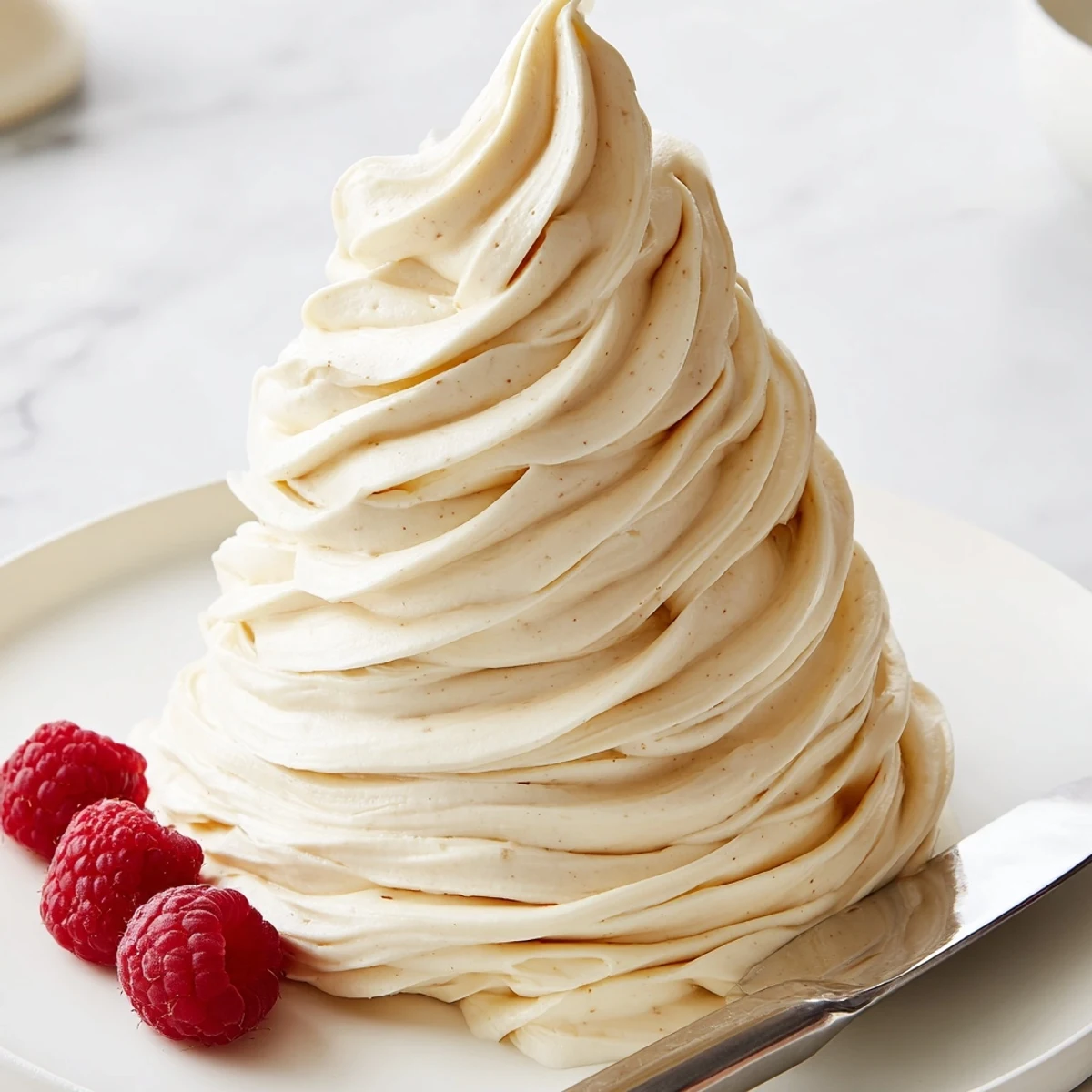
 The moment my buttercream went from a curdled mess to glossy perfection, I stood alone in my kitchen at midnight and actually laughed out loud at how magical it felt.
Flavor Variations Worth Trying
Once you have the base recipe down, the buttercream becomes a canvas for almost any flavor you can imagine. Fold in two ounces of melted and cooled dark chocolate for a rich mocha frosting, or add a tablespoon of espresso powder dissolved in a splash of warm water for something that pairs beautifully with chocolate cake. Fruit purees work wonderfully too, but add them slowly because too much liquid can thin the consistency.
Troubleshooting Common Problems
If your buttercream feels too soft to spread, pop the bowl in the refrigerator for ten minutes, then whip it again until it firms up. If it is too cold and stiff, warm the outside of the bowl with a hair dryer on low heat while the mixer runs, and watch it soften into workable frosting within a minute or two. The weather plays a bigger role than most people realize, and humid or very hot days can make the butter softer than expected.
Storage and Make Ahead Advice
This buttercream keeps beautifully in an airtight container in the refrigerator for up to five days, or you can freeze it for up to two months if you need to prepare well ahead of an event. When you are ready to use it, let it come fully to room temperature, which takes several hours, then re whip it on medium speed until it returns to its original silky texture. Never try to spread cold buttercream on a cake because it will tear your crumb and ruin all your careful layering work.
- Always cover the surface directly with plastic wrap to prevent a skin from forming while it chills.
- Give yourself at least three hours for the buttercream to come to room temperature naturally before re whipping.
- A quick taste test before frosting ensures the flavor is still balanced after refrigeration.
 Pin this
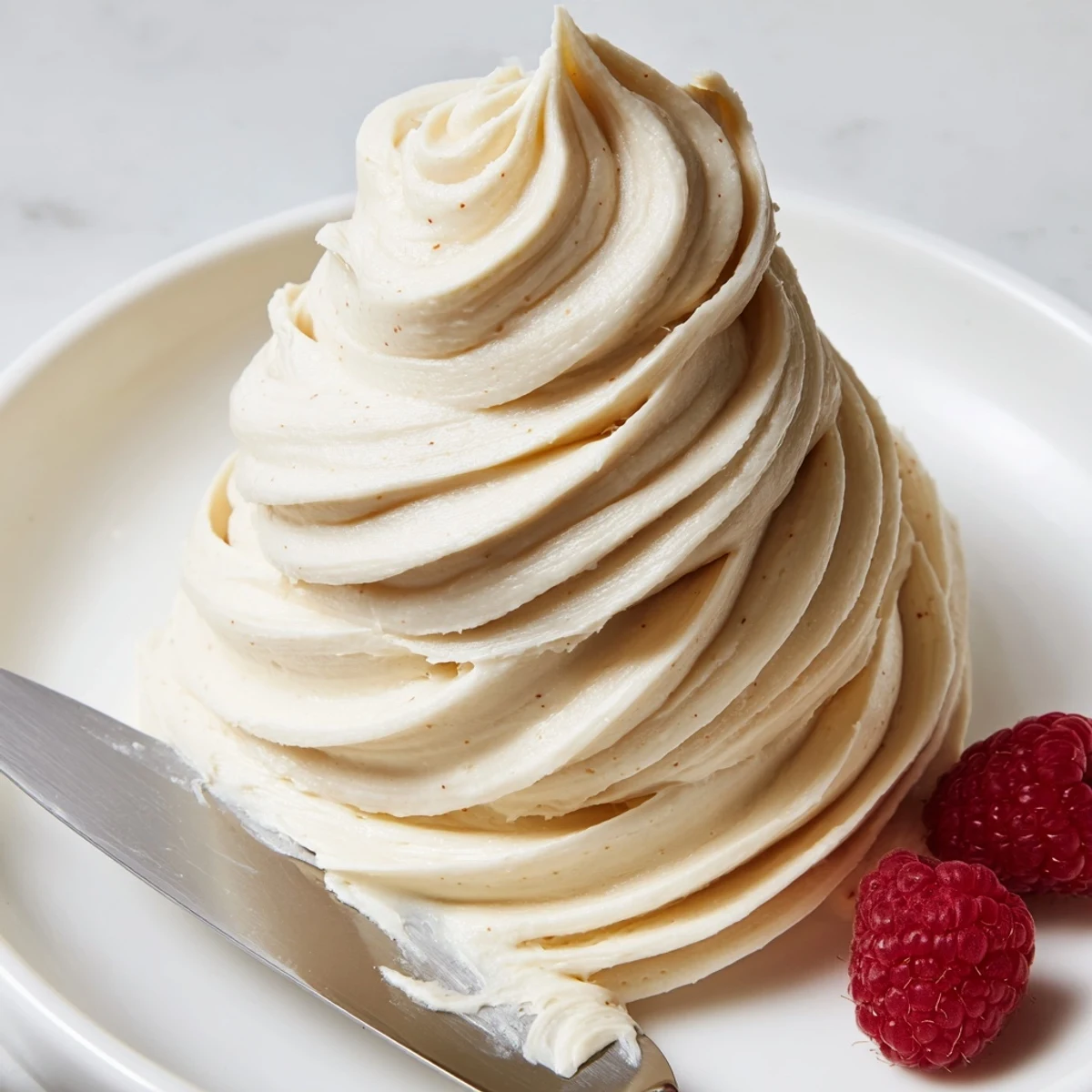
 Every cake I have frosted with this buttercream has become the centerpiece of the table, and I suspect yours will too. Trust the process, embrace the scary curdled phase, and you will be rewarded with the most elegant frosting you have ever made.
Recipe FAQs
- → Why does my buttercream look curdled or soupy?
-
This is completely normal. When butter is added to the meringue, the mixture often looks broken or separated before it comes together. Just keep whipping on medium-high speed and it will emulsify into a silky, smooth buttercream within a few minutes.
- → Can I make Italian meringue buttercream ahead of time?
-
Yes, you can store it covered in the refrigerator for up to 5 days. When you're ready to use it, let it come to room temperature and re-whip until smooth and spreadable again.
- → What temperature should the butter be?
-
The butter should be at room temperature and soft enough to leave a slight indent when pressed, but not melted or greasy. Cut it into cubes before adding so it incorporates evenly into the meringue.
- → Why do I need a candy thermometer?
-
Heating the sugar syrup to exactly 115°C (240°F) is crucial for achieving the right consistency. If the syrup is too cool, the buttercream will be too soft; if too hot, the egg whites could cook unevenly. A candy thermometer ensures precision.
- → How can I flavor Italian meringue buttercream?
-
Add flavorings once the buttercream is fully emulsified and smooth. Espresso powder, melted and cooled chocolate, fruit purees, citrus zest, or extracts all work beautifully. Fold them in gently or whip briefly to incorporate evenly.
- → Why must the mixing bowl be grease-free?
-
Any trace of fat or grease will prevent egg whites from whipping to their full volume and forming stable peaks. Wash the bowl and whisk attachment with hot soapy water and dry thoroughly before starting.