
 Pin this
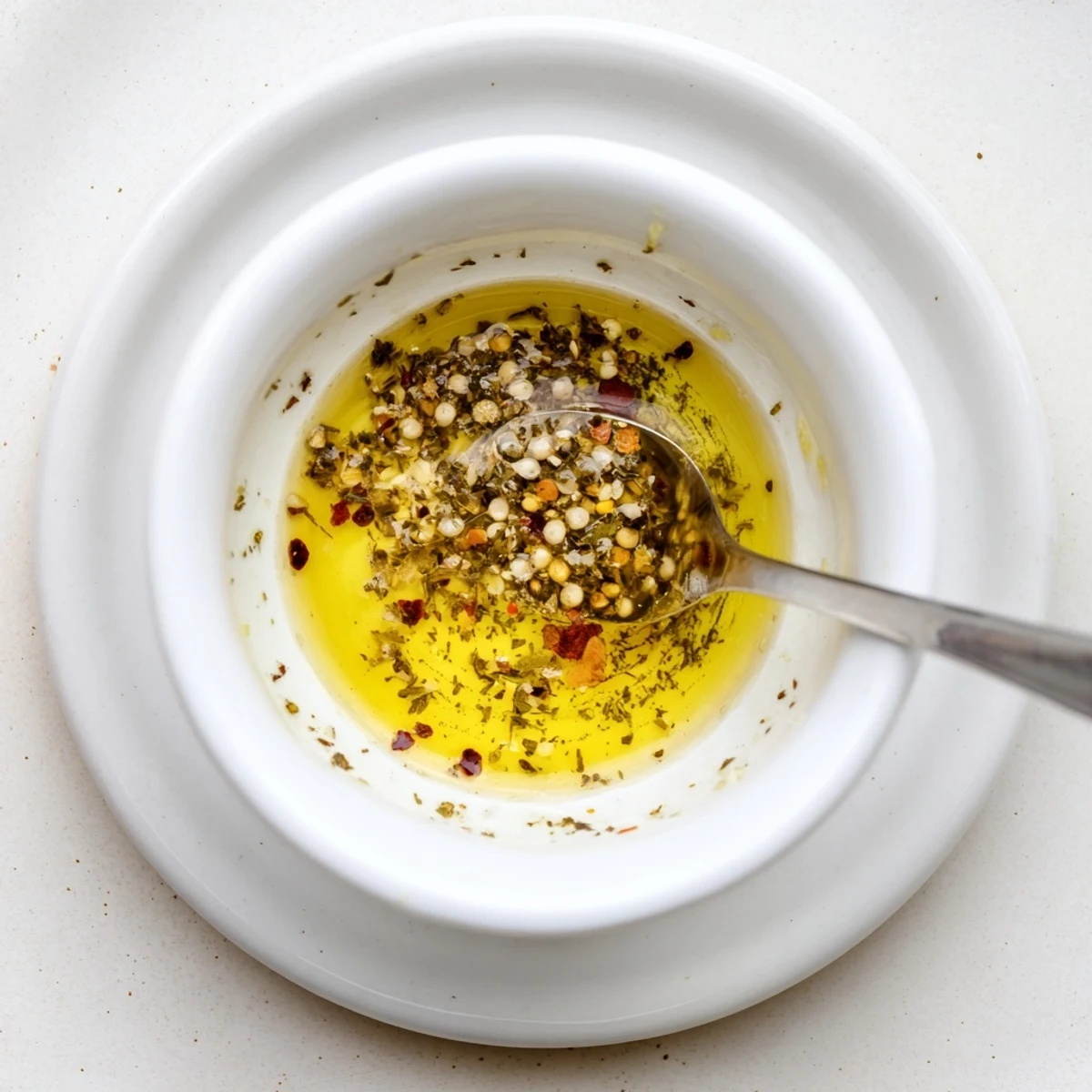
 Quick, zesty Italian vinaigrette ready in 10 minutes. Whisk red wine vinegar, lemon juice, Dijon, garlic and dried herbs, then slowly drizzle in extra virgin olive oil to emulsify. Sweeten or heat with honey and red pepper flakes to taste. Use immediately or chill up to one week; shake or whisk before serving. Makes about 1 cup.
The sound of garlic hitting the cutting board on a Sunday afternoon is one of those small things that signals the whole week ahead will be alright. My neighbor Carla once watched me shake this vinaigrette in a mason jar and laughed, saying she had been buying bottled dressing for twenty years for no good reason. She was right. There is something deeply satisfying about whisking your own dressing, watching it come together in seconds, and realizing you will never go back.
I started making this regularly after a dinner party where I served a plain green salad and watched nobody touch it. The next time, I tossed those same greens with this vinaigrette and the bowl was scraped clean before the main course even hit the table.
Ingredients
- Extra virgin olive oil (1/2 cup): Use the good stuff here since it is the base of everything and you will taste the difference.
- Red wine vinegar (1/4 cup): Gives that classic tangy Italian bite but white wine vinegar works if you prefer something gentler.
- Fresh lemon juice (1 tablespoon): Adds brightness that dried ingredients alone cannot achieve.
- Garlic, finely minced (2 cloves): Finely is the key word since chunks of raw garlic can overwhelm each bite.
- Dijon mustard (1 teaspoon): This is your emulsifier and the quiet hero holding everything together.
- Dried oregano (1 teaspoon): The backbone of the Italian flavor profile so do not skip it.
- Dried basil (1 teaspoon): Rounds out the herb notes beautifully.
- Dried parsley (1/2 teaspoon): Subtle but it adds a fresh grassy undertone.
- Crushed red pepper flakes (1/2 teaspoon, optional): Adds gentle warmth without making it spicy.
- Honey or sugar (1 teaspoon, optional): Balances the acid and rounds sharp edges off the vinegar.
- Kosher salt (1/2 teaspoon): Essential for waking up every other flavor in the jar.
- Freshly ground black pepper (1/4 teaspoon): Always freshly ground for the best aroma.
Instructions
- Build the flavor base:
- In a medium bowl or a mason jar, combine the red wine vinegar, lemon juice, Dijon mustard, garlic, oregano, basil, parsley, red pepper flakes, honey if you are using it, salt, and pepper. Whisk everything together so the mustard starts to dissolve into the liquids.
- Stream in the olive oil:
- While whisking constantly, pour the olive oil in a slow thin stream. Keep whisking and you will feel the dressing thicken and turn creamy as it emulsifies right before your eyes.
- Taste and adjust:
- Dip a piece of lettuce or a small spoon in and see if it needs more salt, a squeeze more lemon, or a pinch more pepper. Trust your palate over the recipe.
- Store or serve:
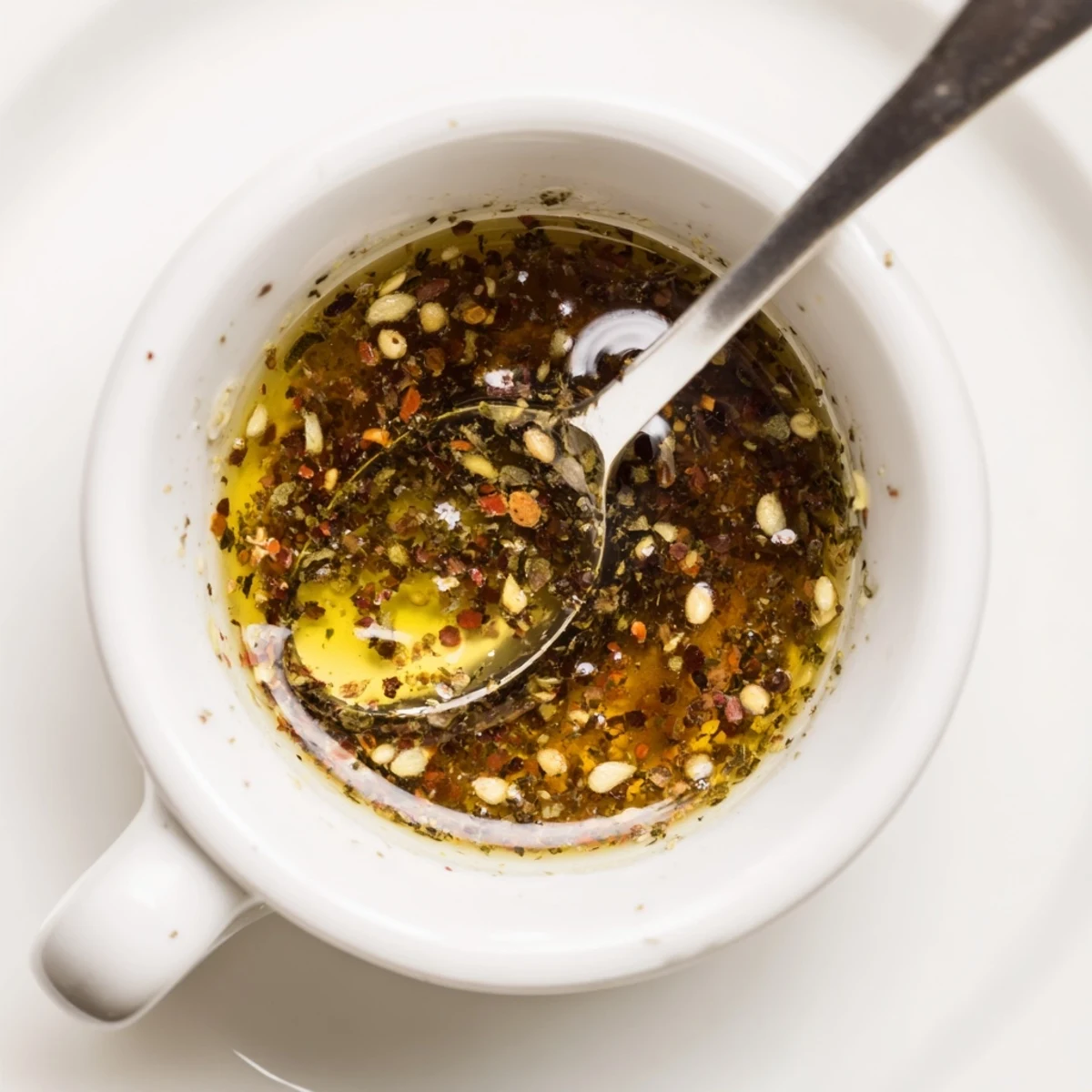
- Use it right away or pour it into an airtight jar and refrigerate for up to a week. Always shake well before using since it will separate as it sits.
 Pin this
 One summer I brought a jar of this to a cookout and ended up standing by the grill, drizzling it over everything from corn on the cob to sliced tomatoes, while people kept asking what was in it.
Versatility Goes a Long Way
This vinaigrette is not just for salads. It doubles as a marinade for chicken thighs, a finishing drizzle over grilled zucchini, and even a quick dip for crusty bread when you are feeling lazy.
Choosing Your Ingredients Wisely
Since there are so few ingredients, each one carries real weight. A flat or stale olive oil will make a flat dressing, so taste your oil first if the bottle has been open for a while.
A Few Parting Thoughts
Homemade dressing is one of those small kitchen habits that pays for itself in flavor and pride almost immediately. Keep a jar in your fridge and you will find yourself reaching for it constantly.
- Add two tablespoons of grated Parmesan for a richer, more savory version that is no longer dairy free.
- Swap red wine vinegar for white wine vinegar if you want a softer, less assertive tang.
- Always check your Dijon mustard label for hidden gluten if that is a concern for you.
 Pin this
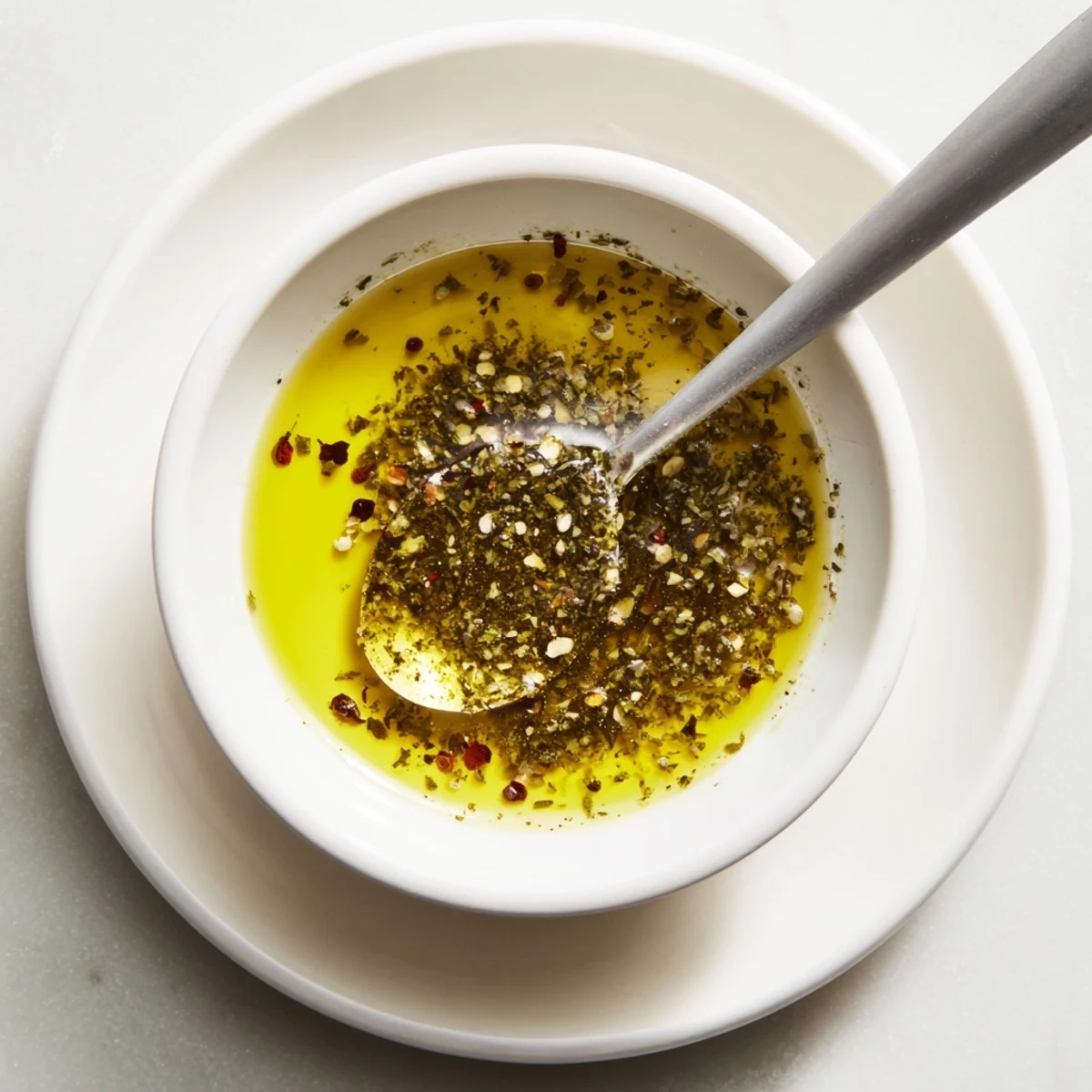
 Once you start making your own vinaigrette, the bottled stuff starts tasting like a memory you no longer need. Keep it simple, taste as you go, and enjoy the satisfaction of something made by hand.
Recipe FAQs
- → How do I properly emulsify the dressing?
-
Whisk the vinegar, lemon, mustard and aromatics first, then slowly drizzle in the olive oil while whisking steadily until the mixture thickens. Alternatively, combine in a jar and shake vigorously to emulsify.
- → Can I use fresh herbs instead of dried?
-
Yes. Substitute fresh basil, oregano and parsley for dried, using roughly three times the volume of fresh herbs. Chop finely and taste after the vinaigrette rests to adjust seasoning.
- → How long will the vinaigrette keep?
-
Store in an airtight container in the refrigerator for up to one week. Oil may solidify when cold—bring to room temperature and shake or whisk before using.
- → What are good substitutes for red wine vinegar?
-
White wine vinegar offers a milder tang; sherry vinegar adds depth. Extra lemon juice increases brightness if you prefer a citrus-forward dressing.
- → How can I adjust sweetness or heat?
-
Add a teaspoon of honey or sugar for mild sweetness. Increase crushed red pepper flakes for more heat, adding a little at a time and tasting as you go.
- → Is this suitable as a marinade?
-
Yes. The acid and oil make it a great quick marinade for chicken, fish or vegetables—marinate briefly (about 15–30 minutes) to avoid over-tenderizing delicate proteins.