
 Pin this
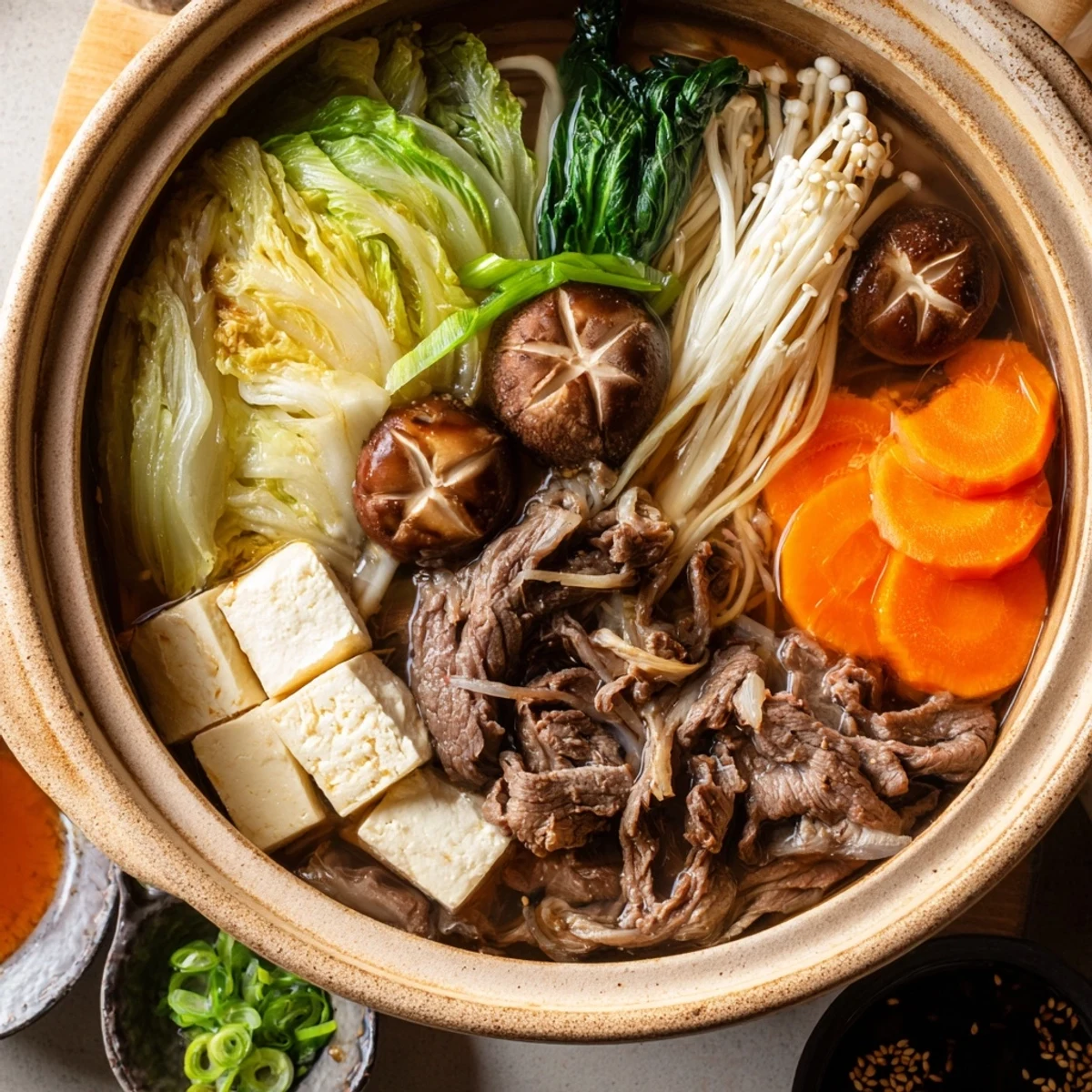
 Gather around the table for this interactive Japanese dining experience where thinly sliced beef sirloin and pork loin meet an array of fresh vegetables in aromatic dashi broth. The name shabu shabu comes from the gentle swishing motion used to cook ingredients directly in the simmering pot. Each piece is briefly cooked to perfection then dipped in tangy ponzu or rich sesame sauce.
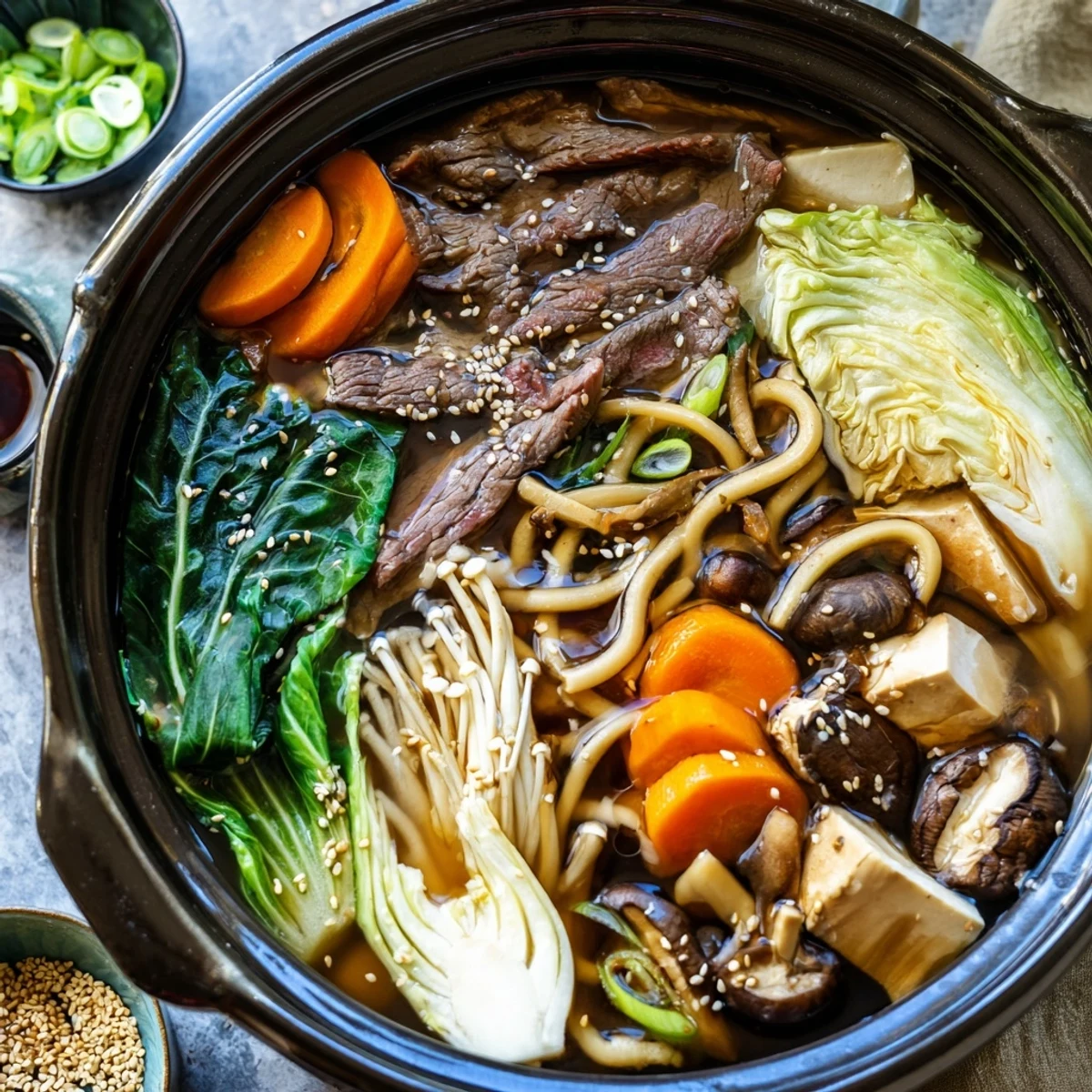
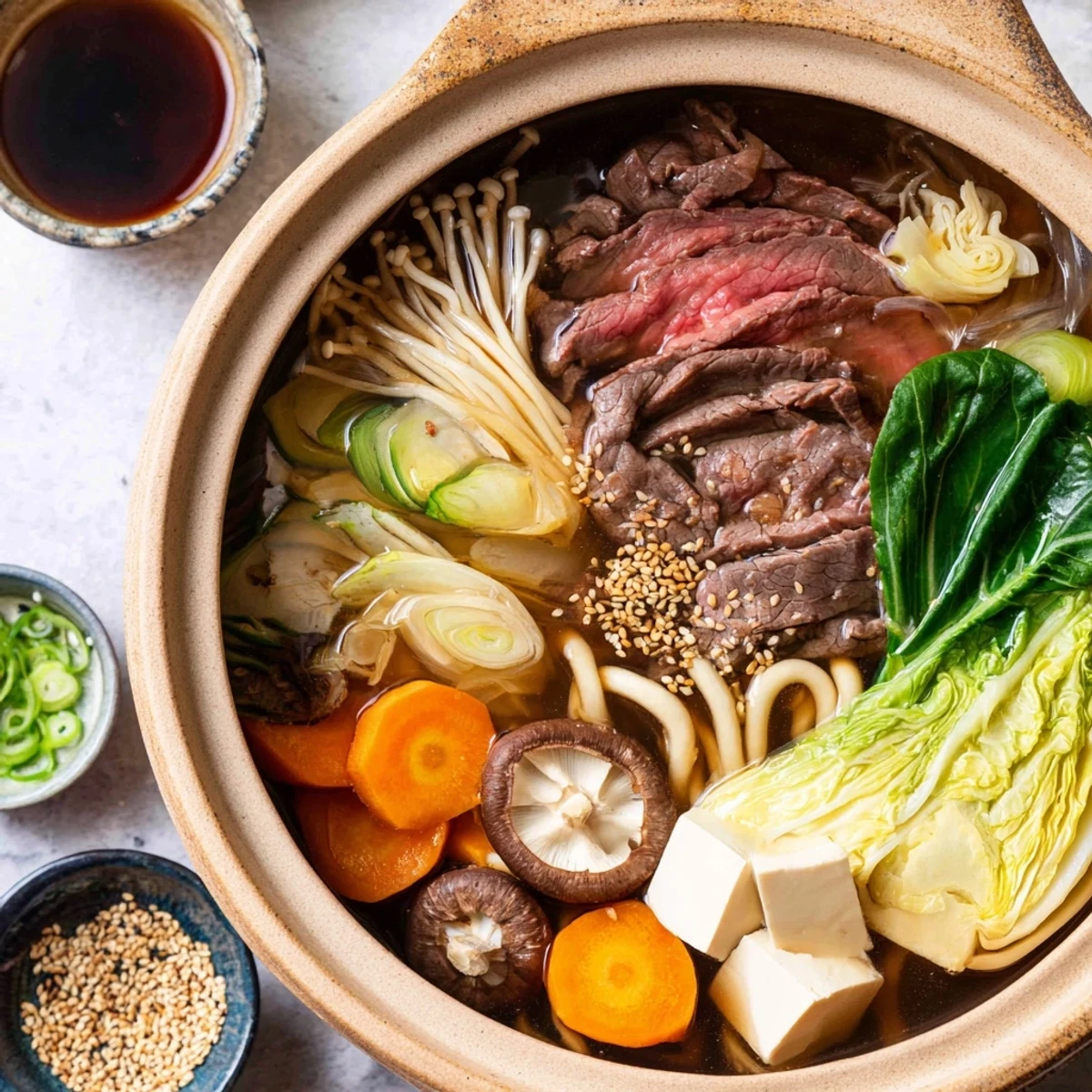
The arrangement creates a beautiful centerpiece with Chinese cabbage, spinach, carrots, shiitake and enoki mushrooms, leeks, and cubed tofu. As the meal progresses, the broth deepens in flavor, culminating with udon noodles added to soak up the enriched essence. Perfect for social dining, this customizable feast accommodates various preferences and dietary needs while bringing everyone together around the warm, aromatic pot.
The first time I had shabu shabu was at a tiny restaurant in Tokyo where the chef taught us the proper swishing technique. We sat around a steaming pot, laughing as our chopsticks fumbled through the broth. That communal cooking experience stuck with me more than any fancy tasting menu ever could.
Last winter I hosted a shabu shabu night for six friends, crowded around my dining table with a portable burner hissing softly. We spent three hours dipping, swishing, and talking between bites. The vegetables dwindled first, then the meat vanished, but nobody wanted the noodles to end the evening.
Ingredients
- 8 cups dashi stock or low sodium chicken broth: The foundation of everything, dashi brings that subtle umami depth that makes Japanese broth distinctive
- 2 inch piece kombu dried kelp: This infuses the broth with ocean essence and should be removed before boiling to prevent bitterness
- 400 g thinly sliced beef sirloin or ribeye: Paper thin slices are non negotiable, ask your butcher to slice it shabu shabu style
- 200 g thinly sliced pork loin optional: Adds a different fat profile and subtle sweetness that some guests prefer
- 1/2 Chinese cabbage: The sweetness balances the savory broth, cut into pieces that are easy to grab with chopsticks
- 1 bunch spinach trimmed: Use baby spinach if you can find it, it wilts beautifully without getting slimy
- 1 large carrot thinly sliced: Cut these on a diagonal for more surface area and quicker cooking
- 200 g shiitake mushrooms stems removed: Their meaty texture holds up well in hot broth and absorbs flavor
- 200 g enoki mushrooms trimmed: These delicate clusters cook almost instantly and feel luxurious
- 1 leek sliced diagonally: The sweetness emerges after a brief swim in the hot broth
- 1 block firm or silken tofu cubed: Silken feels more luxurious but firm holds its shape better if youre clumsy with chopsticks
- 200 g udon noodles pre cooked or fresh: These soak up all that concentrated flavor at the end of the meal
- 1/2 cup ponzu sauce: Bright and citrusy, it cuts through rich beef perfectly
- 1/2 cup sesame sauce goma dare: Creamy and nutty, this is what makes pork sing
- 2 green onions finely sliced: Fresh crunch that brightens every bite
- 2 tbsp toasted sesame seeds: Toast them right before serving for maximum aroma
Instructions
- Prepare the gentle broth:
- Place kombu in dashi stock and heat gradually, removing the kelp just before bubbles appear. Keep it at a bare simmer throughout the meal.
- Create the table display:
- Arrange meats, vegetables, and tofu on separate platters, grouping by color and texture. Make it beautiful because people eat with their eyes first.
- Set up your station:
- Position your portable burner centrally and give everyone their own small dipping bowl. Keep sauces within easy reach.
- Master the swish:
- Dip meat into the broth and swish back and forth for just 5 to 10 seconds. The term shabu shabu literally mimics this sound and motion.
- Dip and enjoy:
- Transfer cooked pieces immediately to your sauce bowl, letting them absorb flavor before eating.
- Finish with noodles:
- Add udon to the remaining broth once everyone has had their fill of meat and vegetables. Let simmer until noodles are heated through.
 Pin this
 My auntie cried the first time we made this together because the broth reminded her of her childhood home in Osaka. Food does that sometimes, bypasses all your defenses and connects you to something bigger than hunger.
Setting the Scene
The beauty of shabu shabu is how it slows down a meal naturally. Nobody reaches for their phone when theyre responsible for cooking their next bite. I like to put on quiet jazz and light a few candles to make the table feel intentional.
Customizing Your Broth
Once you have the basic technique down, start playing with additions. A splash of mirin rounds out harsh edges while a thin slice of ginger adds warmth. I once added a star anise pod by mistake and created something unexpectedly wonderful.
Perfect Pairings
The ritual matters as much as the flavors here. Cold sake cuts through the rich broth while green tea cleanses the palate between courses. A simple cucumber salad with rice vinegar on the side balances the hot pot beautifully.
- Start with lighter vegetables and save heartier items for later
- Keep a small bowl of plain broth on hand for guests who prefer less intense flavor
- The last spoonful of noodle soup is the best part of the entire meal
 Pin this
 Some meals feed your body but shabu shabu feeds something deeper, that part of you that craves connection and warmth and the sound of people you care about laughing around a shared pot.
Recipe FAQs
- → What does shabu shabu mean?
-
Shabu shabu is an onomatopoeia representing the swishing sound made when thin meat slices are moved through the hot broth. This gentle cooking method quickly sears the meat while keeping it tender.
- → What meat cuts work best?
-
Thinly sliced beef sirloin or ribeye are traditional choices. The meat should be sliced paper-thin, ideally by your butcher. Pork loin makes an excellent addition. Chicken or seafood work well as alternatives.
- → How do I eat shabu shabu?
-
Cook each piece individually by swishing it in the simmering broth for just seconds until done. Dip into ponzu sauce for citrus brightness or sesame sauce for nutty richness. Eat immediately while hot.
- → Can I make this vegetarian?
-
Absolutely. Use kombu dashi instead of fish-based stock, omit all meats, and load up on mushrooms, tofu, and vegetables. The cooking method and communal experience remain just as satisfying.
- → What happens to the broth at the end?
-
The finished broth becomes incredibly flavorful from all the ingredients. Add udon noodles during the final minutes to soak up this enriched essence. Many consider this noodle course the perfect closing to the meal.
- → Do I need special equipment?
-
A portable burner or induction cooktop allows cooking at the table, which is traditional and part of the experience. However, you can cook everything on the stove and bring the pot to the table for serving.