
 Pin this
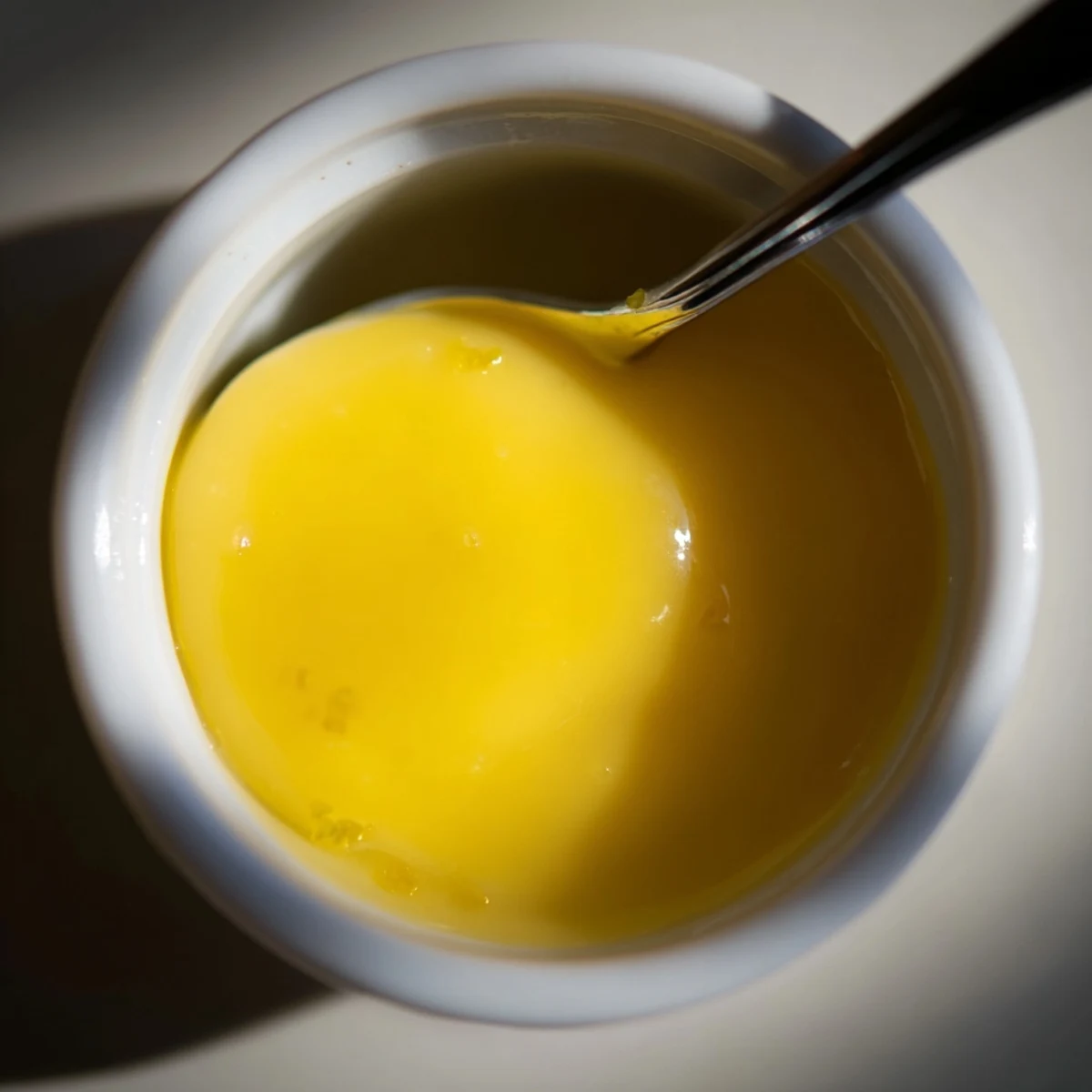
 This lemon curd blends fresh lemon zest and juice with sugar and eggs, gently cooked over simmering water. Once thickened, creamy butter is whisked in for a smooth, rich texture. Strained to remove zest and solids, it cools into a vibrant spread, perfect for enhancing toast, scones, or desserts. Simple tools and minimal steps ensure a delightful citrus treat, versatile and quick to prepare.
The first time I made lemon curd, I was standing in my grandmother's kitchen on a grey afternoon, watching her coax sunshine into a bowl with nothing but lemons, butter, and eggs. She moved with the kind of certainty that comes from making something a hundred times before, barely looking at her hands as they whisked. What struck me most wasn't the technique—it was how a few humble ingredients could transform into something so luxuriously thick and glossy, tasting like bottled spring and cream at once.
Years later, I made this for someone I was trying to impress, spreading it thick on warm scones we'd just pulled from the oven. The look on their face when they tasted that first bite—that exact moment when their eyes went wide and they said nothing, just reached for another scone—that's when I knew this recipe was worth keeping close.
Ingredients
- 3 large lemons (zest and juice): Fresh, bright lemons are non-negotiable here; use heavy ones that feel full of juice, and zest them before cutting, so you don't lose any of that precious oil.
- 115 g unsalted butter, cubed: Cold butter whisked in at the end is what gives this its silky, luxurious finish; salted butter will throw off the balance.
- 200 g granulated sugar: This sweetens without overwhelming the tartness; resist the urge to add more, as balance is everything.
- 3 large eggs and 1 large egg yolk: The eggs are what thicken the curd into that perfect, spreadable consistency; the extra yolk makes it richer and smoother.
Instructions
- Prepare your lemons:
- Wash and dry them well, then zest each one finely before juicing; you'll get about 120 ml of juice, which is just right. The smell alone will make you hungry.
- Combine eggs and sugar:
- In a medium heatproof bowl, whisk them together until the mixture is pale and smooth, about a minute or two of steady whisking.
- Add the citrus:
- Stir in the zest and juice until everything is evenly mixed; this is when you know the heat is about to transform it.
- Set up your double boiler:
- Fill a saucepan with gently simmering water and set your bowl on top, making sure the bottom doesn't touch the water. The steam does the real work here.
- Whisk continuously:
- This is where patience becomes your best friend—keep whisking steadily for 8 to 12 minutes, watching as the mixture gradually thickens and coats the back of a spoon like custard. You'll feel the moment it's ready.
- Finish with butter:
- Remove the bowl from heat and immediately whisk in the cold butter cubes until they're melted and the whole thing is smooth and glossy.
- Strain for silk:
- Pour the curd through a fine-mesh sieve to catch any bits of cooked egg or zest; this step rewards you with that silky texture that makes people ask for the recipe.
- Cool and store:
- Let it cool to room temperature, then jar it in sterilized containers and refrigerate; it keeps beautifully for up to two weeks.
 Pin this
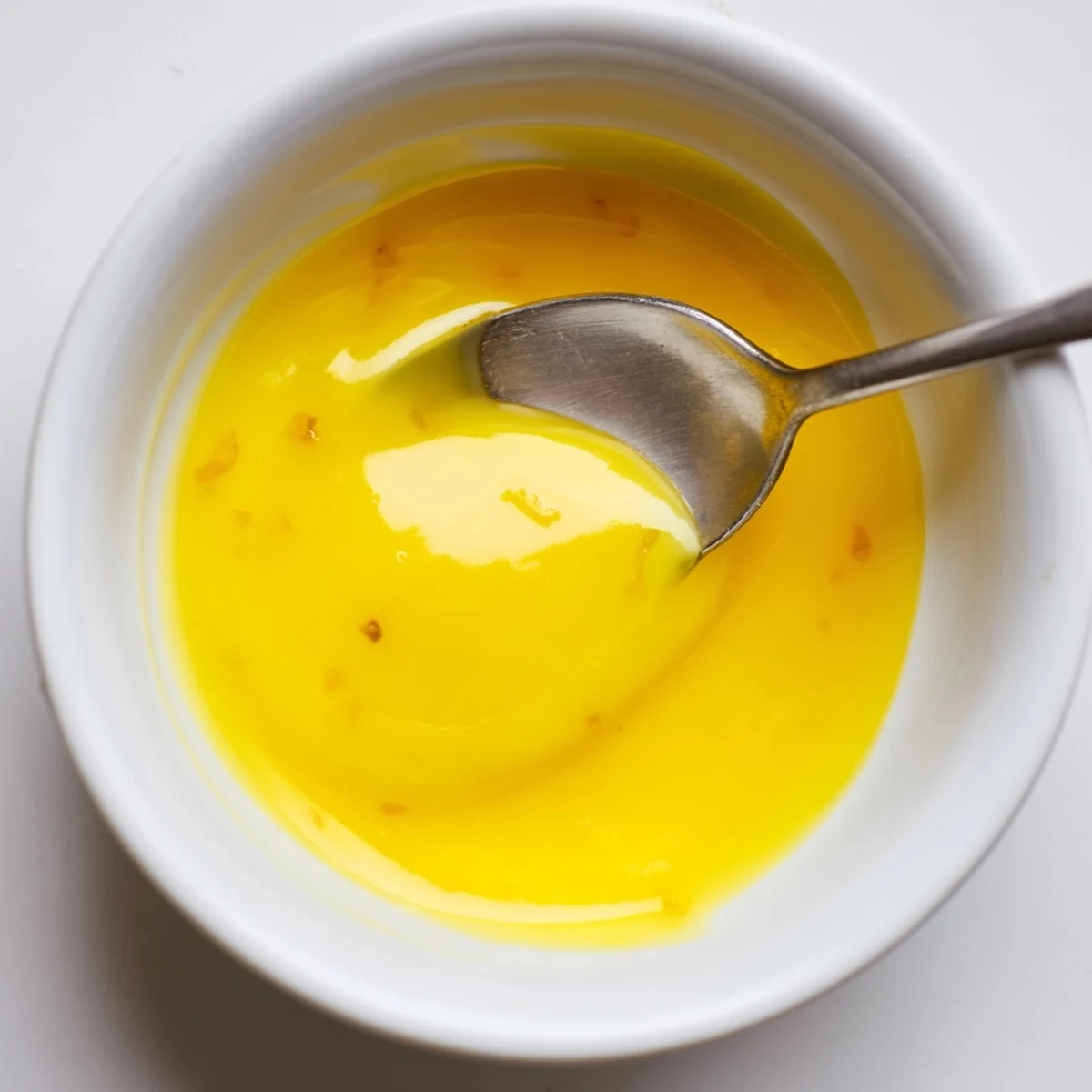
 There's something almost magical about watching a bowl of pale, loose eggs and sugar transform into something thick and luxurious right before your eyes. That moment when you realize you've made something this good from scratch, with your own hands—it never gets old.
Why This Tastes So Good
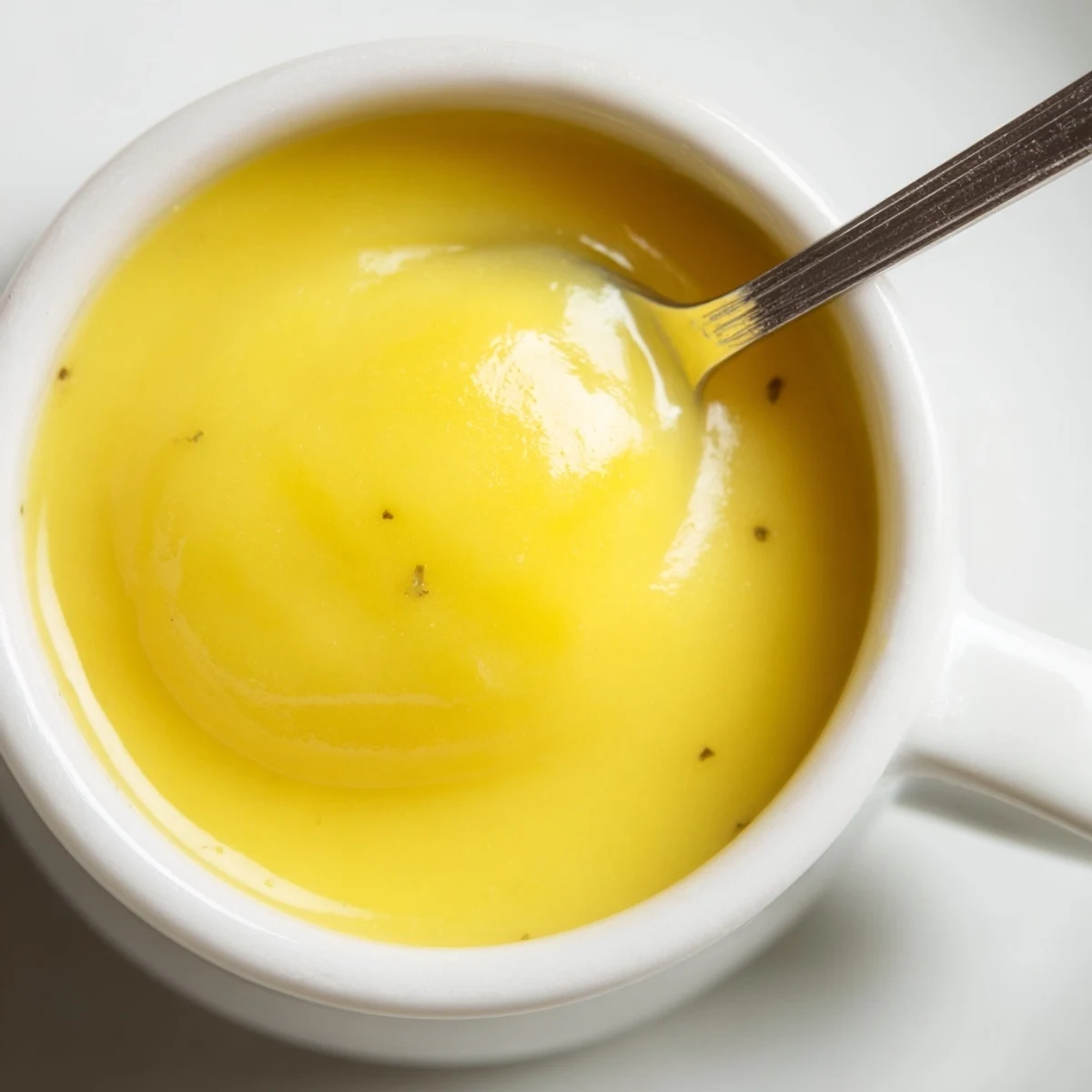
The secret isn't any single ingredient; it's the way they work together. The lemon juice keeps everything bright and prevents the sweetness from becoming cloying, while the butter arrives at the end like a reward, softening every sharp edge. The eggs don't just thicken—they emulsify, creating a texture so creamy you almost can't believe there's no cream in it at all.
Different Ways to Use It
Toast with a thick dollop is the obvious choice, but this curd is generous. Swirl it into yogurt for breakfast, spread it between sponge cake layers, pipe it into chocolate tarts, or stir a spoonful into softened vanilla ice cream on a summer evening. I've even folded a little into mascarpone for a quick dessert cream.
A Few Final Thoughts
Making lemon curd taught me that some of the best things in cooking aren't about fancy equipment or rare ingredients—they're about respecting heat, trusting the process, and knowing when to stop. This recipe scales beautifully if you want to double it, and you can experiment with lime or blood orange juice for a different mood.
- Keep a thermometer nearby, but don't rely on it alone; learn to read the consistency with a spoon.
- Always sterilize your jars by running them through the dishwasher or boiling them briefly, so your curd lasts as long as possible.
- If you want an even silkier finish, use only egg yolks instead of whole eggs—use 5 yolks total, and the result is pure luxury.
 Pin this
 This recipe has been in my kitchen ever since that afternoon, a reminder that the most memorable things often taste like someone cared enough to get it right. Make it, share it, and watch people's faces light up.
Recipe FAQs
- → What method is used to thicken the lemon mixture?
-
The lemon mixture is thickened using a double boiler, gently heating the eggs, sugar, and lemon juice while whisking continuously to prevent curdling.
- → Can different citrus fruits be used?
-
Yes, lime or orange zest and juice can be substituted to create variations with unique citrus flavors.
- → How is the texture achieved?
-
Whisking butter into the thickened lemon custard results in a smooth, creamy texture, with straining removing any zest bits or solids.
- → What tools are essential for preparation?
-
A zester, citrus juicer, whisk, double boiler setup, and fine-mesh sieve are key for achieving the ideal consistency and smoothness.
- → How should the spread be stored?
-
Once cooled, the lemon curd is best stored in sterilized jars in the refrigerator, maintaining freshness for up to two weeks.