
 Pin this
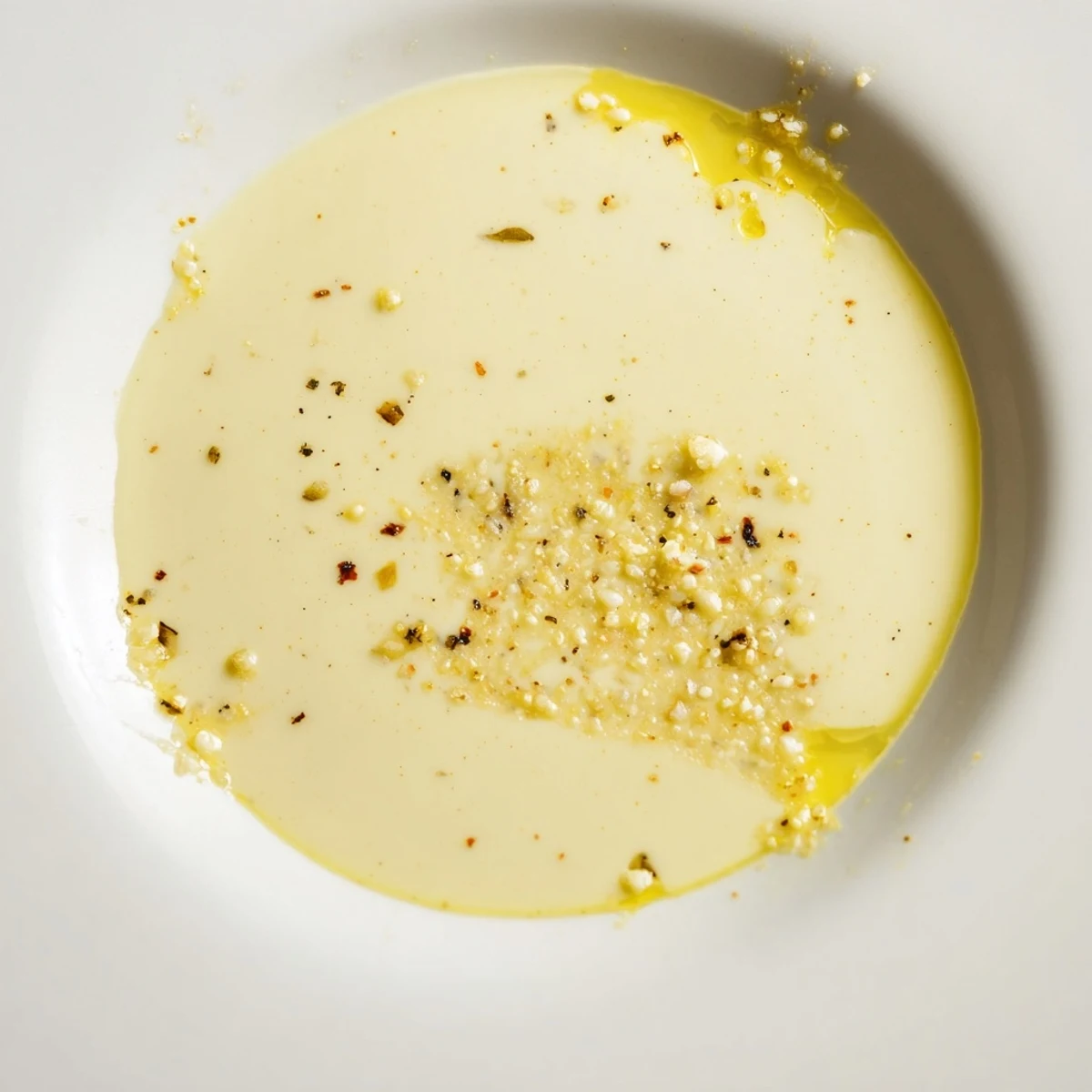
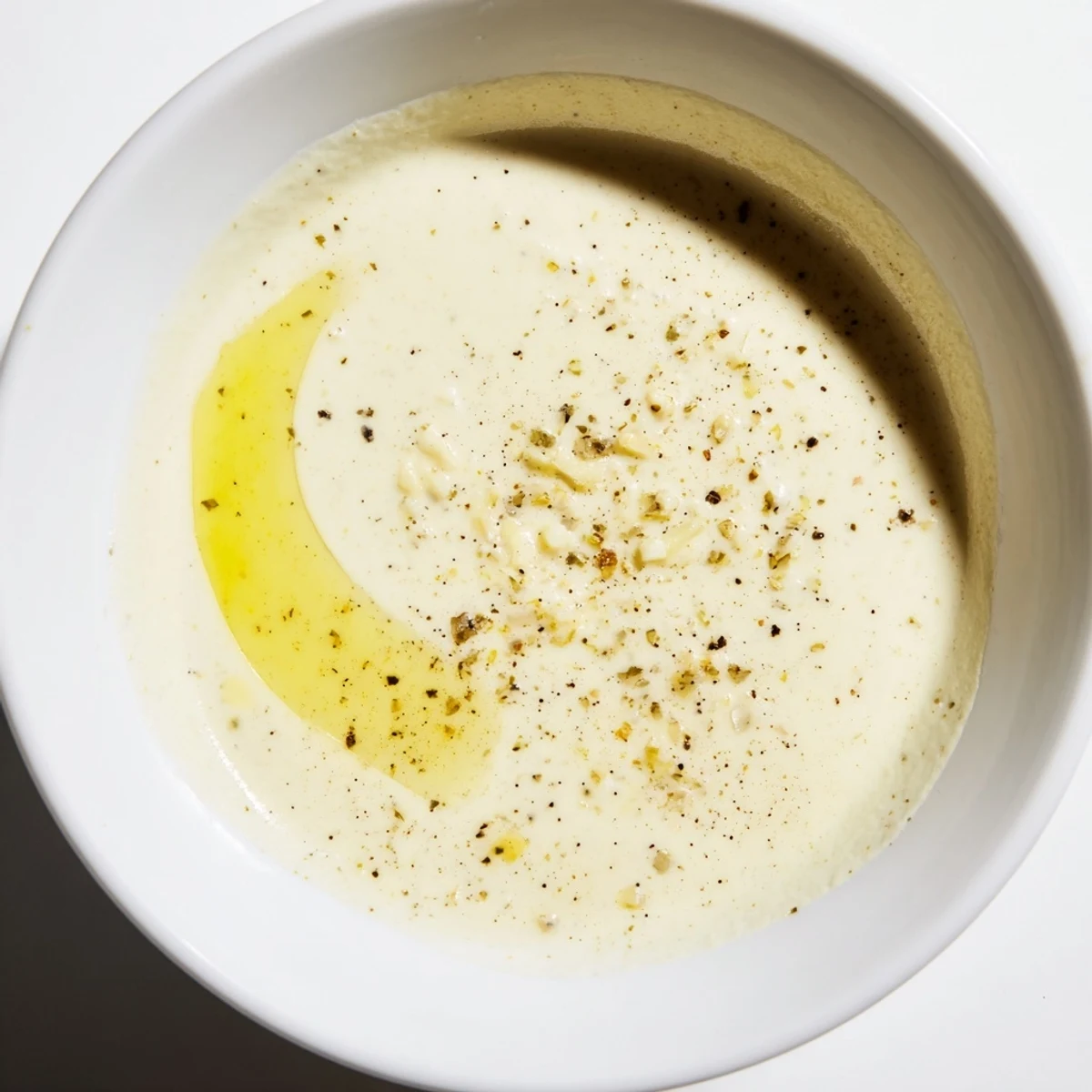
 This lemon Dijon dressing offers a lively combination of freshly squeezed citrus and pungent mustard, balanced by a touch of honey or maple syrup. The olive oil creates a creamy, emulsified texture perfect for enhancing salads and roasted vegetables. Quick to prepare, this easy blend can be customized with fresh herbs or used as a marinade for meats. Store chilled and shake before use to maintain its zesty, fresh flavors.
Last summer, I found myself making this dressing three times a week without even planning it. Something about that sharp lemon cutting through rich olive oil just made every vegetable taste alive again. My roommate started asking why our salads at home tasted better than anything we could order, and honestly, it came down to those five minutes of whisking.
I brought a mason jar of this to a friend's backyard barbecue last month, and people were practically drizzling it on everything. Someone put it on their grilled corn, another person dipped their bread in it, and suddenly the conversation turned into a debate about what this dressing could not improve. The verdict was pretty much nothing.
Ingredients
- Freshly squeezed lemon juice: Bottled lemon juice has a strange metallic aftertaste that becomes obvious in a simple dressing like this. Roll your lemons on the counter before cutting to maximize every drop.
- Dijon mustard: This is not just about flavor. The mustard acts as the emulsifier that binds your oil and acid together into that gorgeous creamy consistency.
- Honey or pure maple syrup: Just enough to round out the sharp edges. I use honey typically but maple syrup works beautifully and keeps things vegan.
- Garlic clove: Grate it directly into the bowl with a microplane. Finely minced garlic can leave harsh raw bits, but grated garlic melts into the dressing.
- Fine sea salt and black pepper: Freshly cracked pepper makes a difference here. The little flecks you can see on your salad add texture and bursts of warmth.
- Extra-virgin olive oil: Since this dressing is so simple, your olive oil quality really matters. Use something you would also happily drizzle over bread.
Instructions
- Build your flavor base:
- In a medium bowl or straight into your storage jar, whisk together the lemon juice, Dijon mustard, honey if using, grated garlic, salt, and pepper until everything is dissolved and friendly. The mixture should look cloudy and well combined.
- Create the emulsion:
- Slowly drizzle the olive oil while whisking continuously with one hand. Keep going until the dressing thickens slightly and looks creamy rather than separated. Alternatively, pour all ingredients into a jar, seal tightly, and shake like you mean it for thirty seconds.
- Taste and adjust:
- Dip a clean spoon into the dressing and taste. Does it need more brightness? Squeeze in more lemon. Too sharp? A touch more honey. Trust your palate more than the recipe here.
- Store and use:
- Pour into a glass jar or container with a tight lid. Keep it in the refrigerator for up to a week, but bring it to room temperature and shake well before each use.
 Pin this
 My niece who claims to hate vegetables actually ate a full plate of roasted broccoli when I served this on the side. She kept dipping each floret into the little ramekin I had set out, and I watched her face change from skeptical to genuinely delighted. Sometimes the right dressing is all it takes to change someone's mind about something they thought they disliked.
Making It Your Own
Once you have the basic ratio down, this becomes a template rather than a strict recipe. I have swapped in lime juice for lemon, added fresh herbs from the garden, or whisked in a teaspoon of tahini for extra creaminess. The mustard and oil ratio stays consistent, but everything else is fair game for experimentation.
The Shake Method
For weeks I only made this in a bowl with a whisk until a friend showed me the jar method. Now I usually skip the bowl entirely and layer all ingredients into a glass jar. The shaking creates a perfect emulsion with minimal effort, and you already have your storage container ready to go. Fewer dishes means I am more likely to actually make homemade dressing instead of reaching for store bought.
Beyond The Salad Bowl
This dressing has quietly become one of my go to marinades for roasted vegetables and grilled proteins. The lemon helps tenderize while the olive oil keeps everything from drying out. I have also used it as a finishing sauce for pan seared fish or dolloped over grain bowls that need something bright and alive.
- Whisk in a tablespoon of Greek yogurt for a creamier, ranch adjacent version that still feels light.
- Add a teaspoon of minced fresh herbs like dill, parsley, or chives right before serving.
- Double the garlic if you are serving this with roasted potatoes, because that combination is unfairly good.
 Pin this
 There is something deeply satisfying about reaching into the fridge and pulling out a jar of something you made yourself. Every time I shake that jar and hear the liquid inside, I remember that simple ingredients treated with a little care become the things we reach for again and again.
Recipe FAQs
- → How can I make this dressing vegan?
-
Replace honey with pure maple syrup to keep the sweetness while maintaining a vegan-friendly mix.
- → Can I use other oils besides olive oil?
-
Extra-virgin olive oil is preferred for its flavor, but mild oils like avocado or grapeseed can be substituted.
- → What dishes pair well with this dressing?
-
Its tangy, creamy profile complements salads, grain bowls, roasted vegetables, and works well as a marinade for chicken or fish.
- → How do I store the dressing?
-
Keep refrigerated up to 1 week and shake well before each use to re-emulsify the ingredients.
- → Can I add herbs to enhance flavor?
-
Yes, finely chopped fresh herbs like parsley or dill add fresh complexity and aroma to the dressing.