
 Pin this
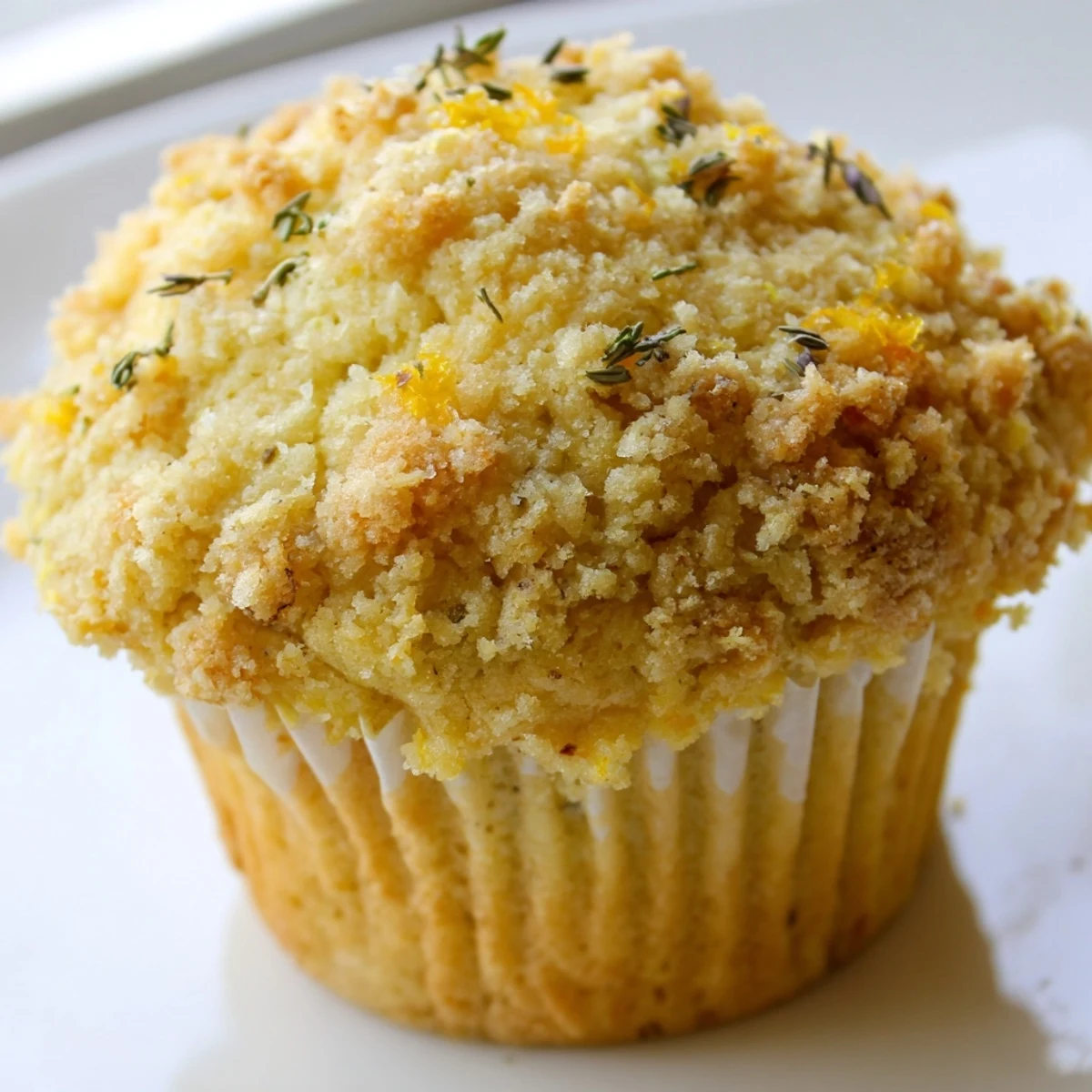
 These lemon orange honey muffins bring together bright citrus flavors and natural sweetness from honey. The batter combines fresh orange and lemon juice and zest with yogurt for a moist, tender crumb.
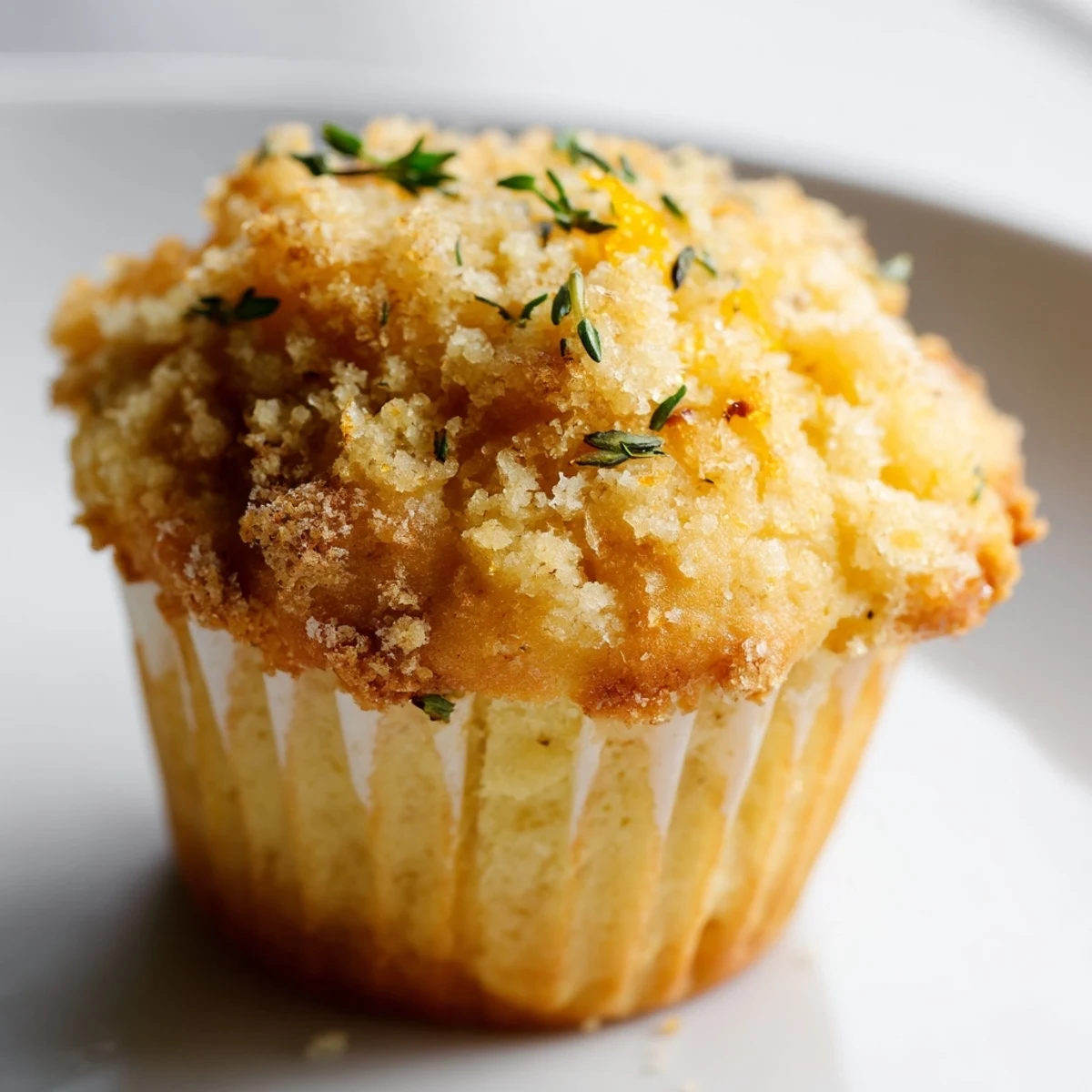
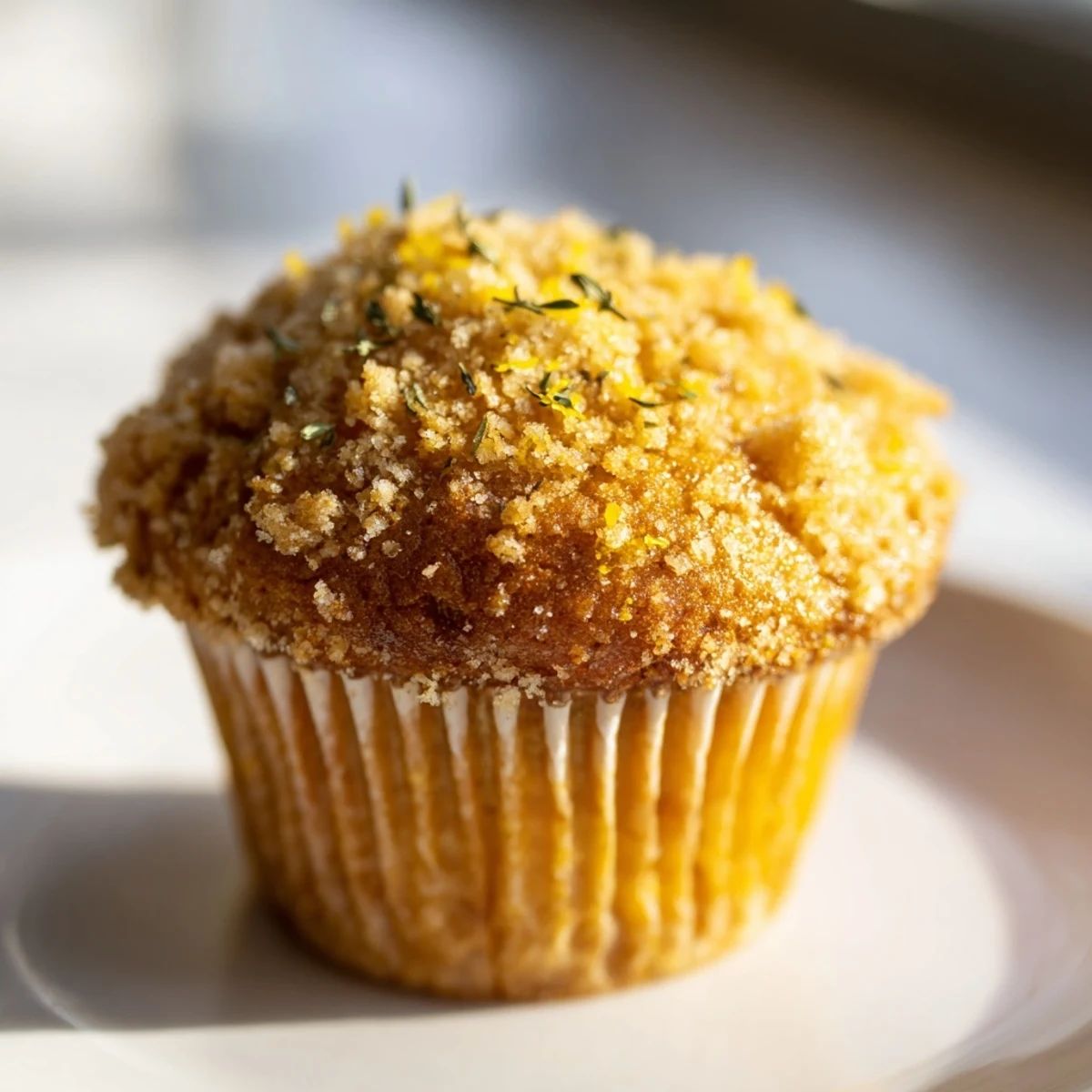
What sets them apart is the thyme crumble topping—a buttery, herb-flecked streusel that adds a savory aromatic contrast to the sweet citrus base. Using cold butter rubbed into flour, sugar, and fresh thyme leaves creates a perfectly crisp, golden finish.
Ready in about 40 minutes with simple mixing techniques, they yield a dozen muffins ideal for meal prep, brunch gatherings, or an elevated everyday breakfast.
The orange tree in my neighbors yard was dropping fruit all over the sidewalk, and rather than let it go to waste, I carried home a bag heavy with impossibly bright oranges. That same afternoon, a jar of local wildflower honey caught my eye at the farmers market, and something clicked. By evening, my kitchen smelled like a grove in summer, and I had a tray of golden muffins cooling on the rack, each one crowned with a crumble that whispered of thyme.
My roommate walked in while I was rubbing butter into the crumble topping and asked if I was making something savory. I handed her a warm muffin fresh from the oven, and she stood speechless in the doorway for a solid ten seconds before asking for another one.
Ingredients
- All-purpose flour (2 cups for batter, 1/3 cup for crumble): Standard flour works beautifully here because the yogurt and oil keep everything tender, so there is no need for cake flour.
- Baking powder (2 tsp) and baking soda (1/2 tsp): The dual leavening gives these muffins a gentle dome without aggressive tunneling through the crumb.
- Salt (1/2 tsp plus a pinch for crumble): Do not skip this, because salt is what makes the citrus flavors taste like themselves rather than just sweet.
- Honey (1/2 cup): Use a honey you actually enjoy tasting on its own, since its personality comes through in every bite.
- Vegetable oil (1/3 cup): Oil keeps the crumb soft and moist in a way butter never quite manages for muffins stored overnight.
- Large eggs (2): Bring them to room temperature so they incorporate smoothly into the honey and oil mixture without causing it to seize.
- Plain yogurt (1/2 cup): Greek yogurt works too and adds richness, but regular plain yogurt gives the lightest texture.
- Freshly squeezed orange juice (1/4 cup) and lemon juice (2 tbsp): Fresh juice matters here because the bottled versions taste flat and metallic against the honey.
- Zest of 1 orange and zest of 1 lemon: This is where all the fragrance lives, so zest directly into the bowl to capture every oil.
- Vanilla extract (1 tsp): It rounds out the edges and ties the citrus and honey together into something cohesive.
- Granulated sugar (3 tbsp, for crumble): A small amount gives the crumble its characteristic crunch without making the whole muffin overly sweet.
- Cold unsalted butter (2 tbsp, cubed, for crumble): Keep it very cold so the crumble holds its shape instead of melting into a smooth cap.
- Fresh thyme leaves (2 tsp, or 1 tsp dried): Strip the leaves gently from the stems because the tender little leaves distribute evenly and the woody stems do not.
Instructions
- Get the oven ready:
- Preheat your oven to 350°F (175°C) and line a 12-cup muffin pan with paper liners or give each cup a light coating of oil.
- Build the dry foundation:
- In a medium bowl, whisk the flour, baking powder, baking soda, and salt together until evenly distributed and no clumps remain.
- Whisk the wet ingredients into harmony:
- In a large bowl, whisk the honey, oil, eggs, yogurt, orange juice, lemon juice, both zests, and vanilla until the mixture is completely smooth and fragrant.
- Bring it all together gently:
- Gradually fold the dry ingredients into the wet mixture using a spatula, stopping as soon as you no longer see streaks of flour because overmixing makes muffins tough.
- Fill the muffin cups:
- Divide the batter evenly among the prepared cups, filling each about three quarters full to give them room to rise without spilling over.
- Make the thyme crumble:
- In a small bowl, mix the flour, sugar, thyme, and salt, then add the cold cubed butter and rub it in with your fingertips until the mixture looks like damp sand with some larger pebbles.
- Crown the muffins:
- Sprinkle the crumble generously and evenly over each muffin, pressing very lightly so it adheres to the batter beneath.
- Bake until golden:
- Bake for 20 to 22 minutes until the tops are golden and a toothpick inserted into the center of a muffin comes out clean.
- Cool with patience:
- Let the muffins rest in the pan for 5 minutes to set their structure, then transfer them to a wire rack to cool completely so the bottoms do not become soggy.
 Pin this
 I brought a basket of these to a picnic last spring and watched three strangers reach for seconds before the cheese board was even unwrapped. That is when I realized a muffin with a little herb and a lot of citrus has a way of making people forget about everything else on the table.
The Zest Makes the Difference
Always zest your citrus directly over the bowl instead of onto a cutting board, because those volatile oils evaporate quickly and you want every last drop of fragrance in the batter. A microplane is the right tool here, and if you do not have one, the small holes on a box grater work in a pinch but require a lighter touch.
Choosing the Right Honey
A mild wildflower or clover honey lets the citrus and thyme shine without competing, while a darker buckwheat honey will overpower everything in its path. Taste your honey plain before using it, because its flavor will only intensify once baked into the muffins.
Storing and Serving
These muffins stay wonderfully soft for up to three days in an airtight container at room temperature, and the thyme crumble actually crisps back up if you give them a brief warm in a low oven. They also freeze beautifully for up to a month when wrapped individually, which makes them perfect for pulling out on sleepy weekday mornings.
- A ten-minute rest in a 300°F oven revives the crumble topping beautifully.
- Pair them with chamomile tea or a glass of lightly chilled white wine for an unexpected afternoon break.
- Always cool them completely before storing or condensation will turn the tops soft.
 Pin this
 Share these muffins with someone who thinks herbs belong only in dinner, and watch their face change with the first bite. That tiny moment of surprise is the best reward a baker can ask for.
Recipe FAQs
- → Can I use dried thyme instead of fresh for the crumble?
-
Yes, substitute 1 teaspoon of dried thyme for the 2 teaspoons of fresh thyme leaves. Dried herbs are more concentrated, so you need less to achieve the same level of herbal flavor in the crumble topping.
- → How should I store these muffins?
-
Store cooled muffins in an airtight container at room temperature for up to 3 days. For longer storage, freeze them individually wrapped in plastic wrap for up to 2 months. Thaw at room temperature or warm briefly in the oven.
- → Can I substitute the honey with another sweetener?
-
You can replace the honey with maple syrup or agave nectar in equal measure. Keep in mind that each sweetener brings its own flavor profile—maple will add warmth, while agave is more neutral. Sugar would require adjusting the wet ingredients slightly.
- → Why is my crumble topping not forming proper crumbs?
-
The butter must be very cold and cubed small. Use your fingertips or a fork to quickly rub the butter into the flour mixture. If the butter softens too much during mixing, chill the bowl for 10 minutes before finishing. Working quickly prevents the butter from melting into a paste.
- → Can I make these muffins dairy-free?
-
Yes, replace the plain yogurt with a dairy-free yogurt alternative like coconut or almond yogurt, and swap the butter in the crumble for a plant-based butter stick. Choose an unsweetened yogurt to maintain the right sweetness balance.
- → What does overmixing do to the muffin batter?
-
Overmixing activates the gluten in the flour, resulting in tough, dense muffins with tunnels rather than a light, even crumb. Fold the dry ingredients into the wet just until no streaks of flour remain—some small lumps in the batter are perfectly fine.