
 Pin this
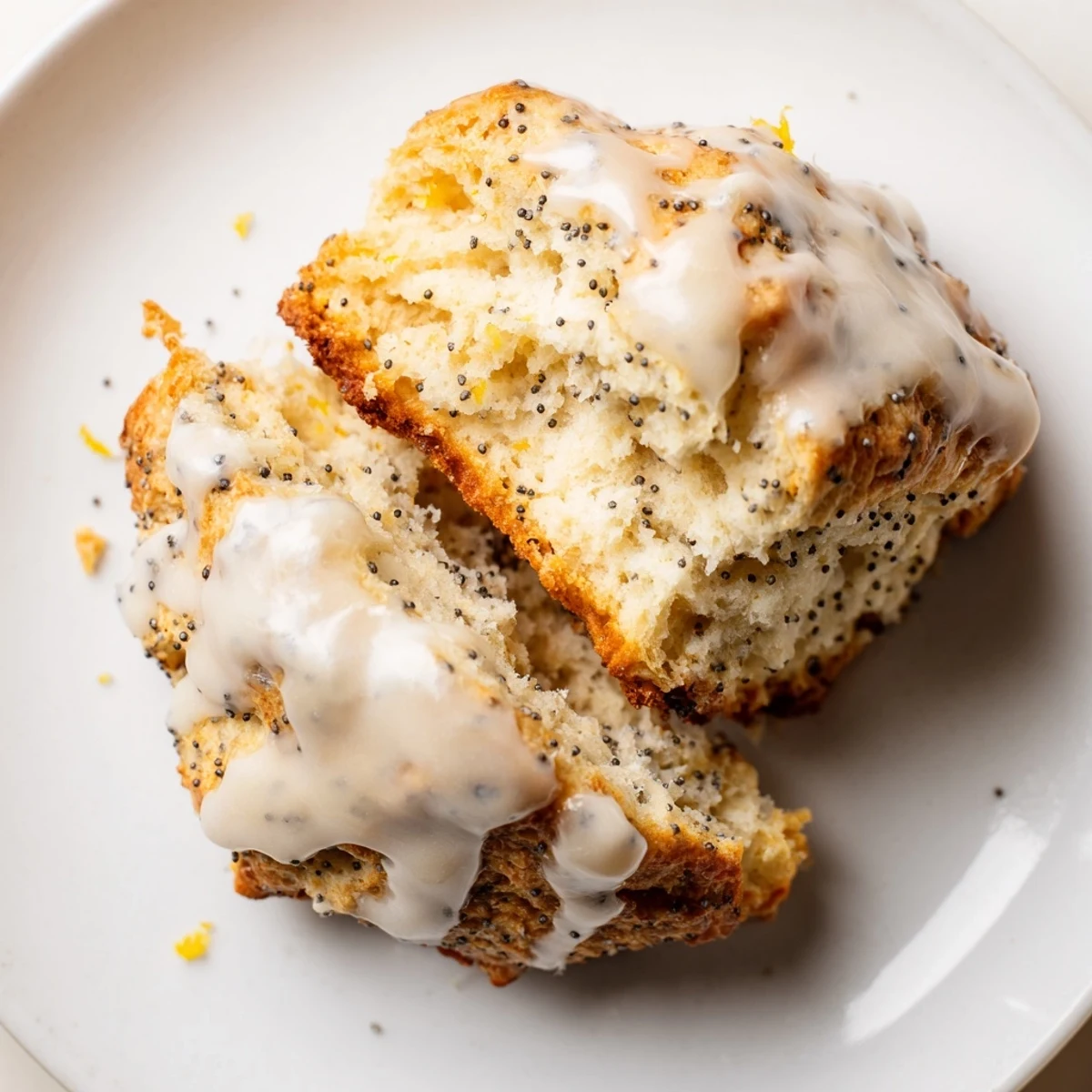
 Experience tender, buttery scones infused with bright lemon zest and crunchy poppy seeds. These British-inspired baked goods are lightly sweetened and finished with a drizzle of citrus glaze, adding a perfect balance of tang and sweetness. Easy to prepare within 40 minutes, they make a delightful choice for breakfast or an elegant afternoon tea. The dough combines cold butter, cream, and lemon juice, creating flaky texture and rich flavor. Serve warm alongside tea or clotted cream for a comforting treat.
There's something about the smell of lemon zest hitting a warm mixing bowl that instantly transports me back to my aunt's kitchen on a rainy Sunday afternoon. She was teaching me to make scones for the first time, and I was convinced I'd ruin them because they seemed so delicate, so temperamental. But as she guided my floured hands through the dough, I realized scones aren't precious at all—they're forgiving, honest, and when you get them right, they're pure magic. These lemon poppy seed ones became my answer to anyone looking for something that tastes fancy but feels like home.
I made these for my book club once, and one friend took a bite and actually closed her eyes. She said the glaze melting on her tongue reminded her of lemon bars from childhood, which made me realize these scones do something special—they bridge that gap between bakery pastry and comfort food. That's when I knew I'd nailed the recipe.
Ingredients
- All-purpose flour (2 cups): The foundation of tender scones; don't sift unless you want them dense, just spoon and level.
- Granulated sugar (1/3 cup): Sweetens the dough without overpowering the lemon; this amount lets the citrus shine.
- Poppy seeds (1 tbsp): They add texture and a subtle earthiness that balances the brightness.
- Fresh lemon zest (1 tbsp): The real star; zest right before mixing so the oils are at their peak.
- Baking powder & baking soda (2 tsp & 1/4 tsp): Work together to lift the scones without a heavy hand.
- Fine sea salt (1/2 tsp): Amplifies the lemon flavor and prevents the sweetness from becoming cloying.
- Cold unsalted butter (1/2 cup): Must be cold and cubed; warm butter makes dense, greasy scones instead of flaky ones.
- Heavy cream (2/3 cup): Creates moisture and tenderness; the cream is gentler than milk here.
- Egg (1 large): Binds the dough and gives the tops that golden-brown shine.
- Fresh lemon juice (2 tbsp for dough, 2–3 tbsp for glaze): Reinforces the lemon notes throughout.
- Vanilla extract (1 tsp): A whisper of warmth that deepens the flavor without announcing itself.
- Powdered sugar (3/4 cup): For the glaze; sift it first so there are no lumps.
Instructions
- Set your stage:
- Preheat the oven to 400°F and line your baking sheet with parchment paper. Having everything ready means you can move quickly once the dough comes together.
- Build the dry base:
- Whisk flour, sugar, poppy seeds, lemon zest, baking powder, baking soda, and salt in a large bowl. The zest distributes the lemon flavor evenly throughout the dough.
- Cut in the cold butter:
- Drop the cold butter cubes into the flour mixture and use a pastry cutter or your fingertips to break them down until everything looks like coarse crumbs. You want pea-sized pieces of butter visible; they create the flakiness.
- Mix the wet ingredients:
- In a separate bowl, whisk together cream, egg, lemon juice, and vanilla until combined. This is your moisture insurance.
- Bring it together gently:
- Pour the wet mixture into the dry ingredients and stir just until combined. Stop as soon as you don't see dry flour; overmixing develops gluten and makes tough scones.
- Shape your dough:
- Turn the dough onto a lightly floured surface and pat it into a 1-inch thick round. Light pressure is your friend here.
- Cut into wedges:
- Divide the round into 8 wedges like a pie and place them on the prepared baking sheet with a little space between each one.
- Brush and bake:
- Lightly brush the tops with cream and bake for 18–20 minutes until golden brown. They'll smell incredible, and you'll know they're done when a toothpick comes out clean.
- Cool before glazing:
- Transfer to a wire rack and let them cool for a few minutes. Rushing the glaze onto hot scones makes it run off.
- Make the glaze:
- Whisk powdered sugar with lemon juice, starting with 2 tablespoons and adding more until you reach a thick but pourable consistency. It should drip slowly, not pool.
- Finish with shine:
- Drizzle the glaze over the cooled scones and let it set for a few minutes before serving. This is where they go from good to unforgettable.
 Pin this
 There was a moment during a brunch I hosted when someone said these tasted like something you'd order at a fancy London tearoom, and the best part was knowing I'd made them in my own kitchen. That's when baking stops being just a task and becomes something you're proud to share.
Why Lemon & Poppy Seeds Work Together
Poppy seeds have this subtle, almost nutty undertone that might seem quiet compared to the boldness of lemon. But that's exactly why they're brilliant together—the poppy seeds anchor the brightness, preventing the lemon from becoming sharp or one-dimensional. The combination creates layers, something you don't expect from such a simple ingredient list.
The Art of Scone Texture
The key to scones that are tender on the inside and crisp on the outside comes down to three things: cold butter, minimal mixing, and baking at the right temperature. When the oven is hot enough, the outside sets quickly while the inside stays moist. If you've made tough scones before, it's almost always because the butter warmed up or the dough was overworked. Once you understand this, you'll never have a bad batch again.
Serving & Pairing Ideas
These scones are flexible enough to suit almost any occasion, whether you're having a quiet morning with tea or hosting guests. The lemon flavor pairs beautifully with both sweet and savory accompaniments, making them surprisingly versatile. Think beyond jam and clotted cream—these work just as well with a smear of lemon curd, a dollop of whipped mascarpone, or even a light cream cheese spread.
- Pair with Earl Grey or green tea for a classic afternoon tea experience.
- Serve slightly warm with clotted cream and lemon curd for the indulgent version.
- A dab of honey butter on a still-warm scone is a quiet moment of pure joy.
 Pin this
 These lemon poppy seed scones have become the recipe I return to again and again, partly because they're reliable and partly because they never fail to make someone smile. There's something timeless about offering someone warm scones with a cup of tea.
Recipe FAQs
- → What gives these scones their lemon flavor?
-
Fresh lemon zest and freshly squeezed lemon juice provide a bright, natural citrus flavor throughout the scones.
- → Can I substitute the butter for a different fat?
-
Cold unsalted butter is ideal for flakiness, but chilled crème fraîche can be used for a richer taste.
- → How do I achieve the crunchy poppy seed texture?
-
Poppy seeds are mixed into the dry ingredients, distributing their slight crunch evenly throughout each scone.
- → What is the purpose of the glaze on top?
-
The citrus glaze adds a sweet, tangy finishing touch that complements the lemon flavor and enhances the scones’ appearance.
- → How long should I bake the scones?
-
Bake them at 400°F (200°C) for 18 to 20 minutes, until golden brown and cooked through.
- → Can I add other mix-ins for variation?
-
Yes, white chocolate chips can be added for additional sweetness and texture if desired.