
 Pin this
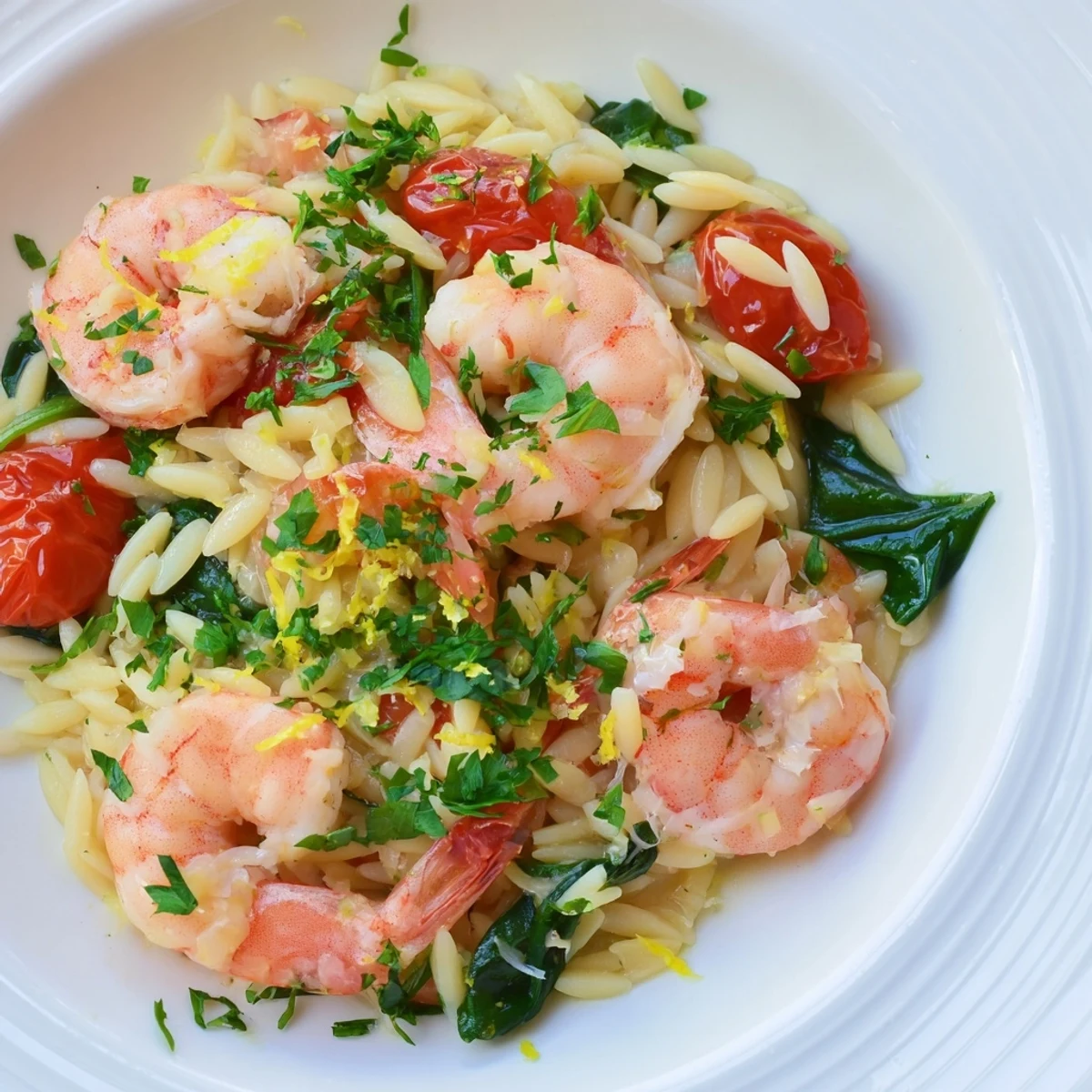
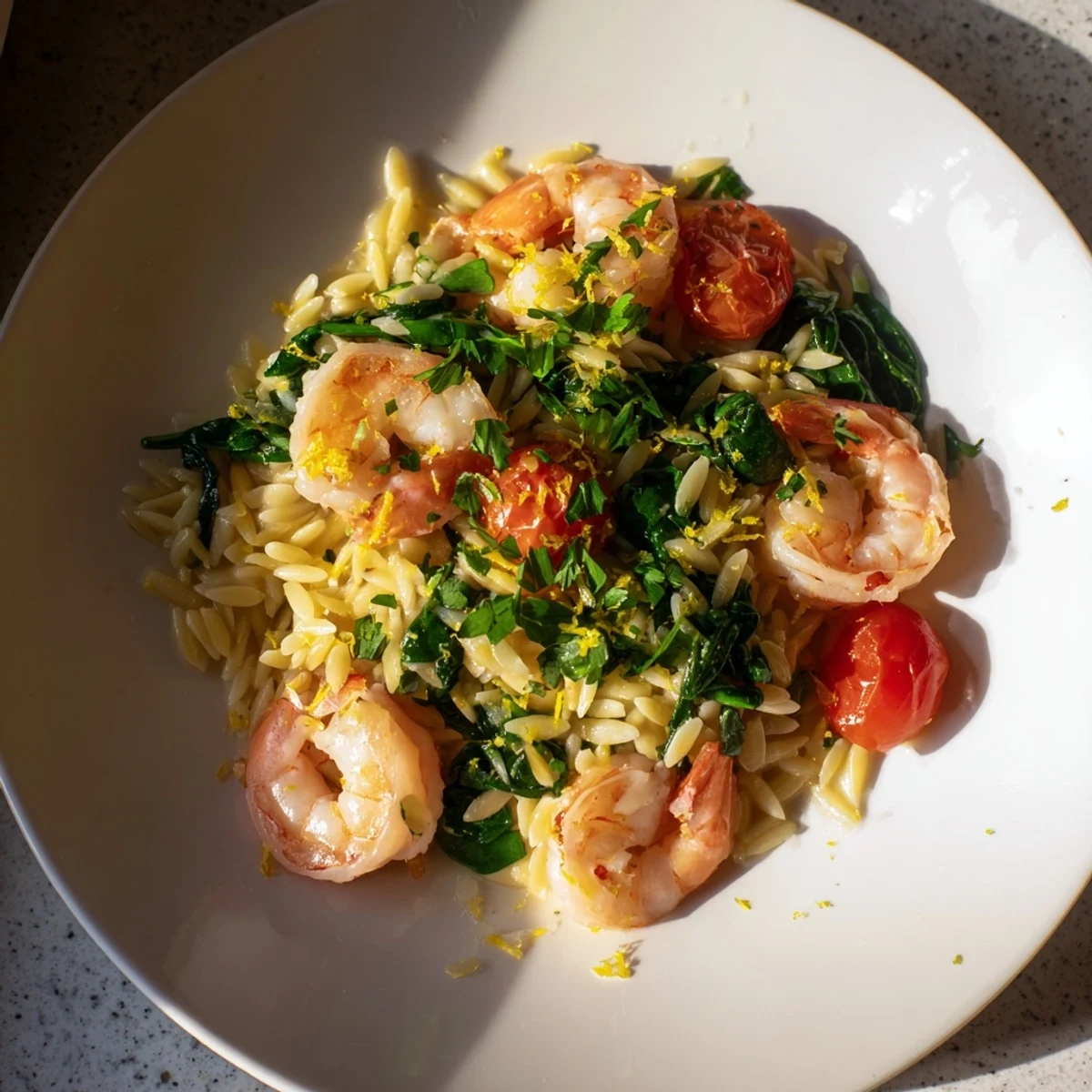
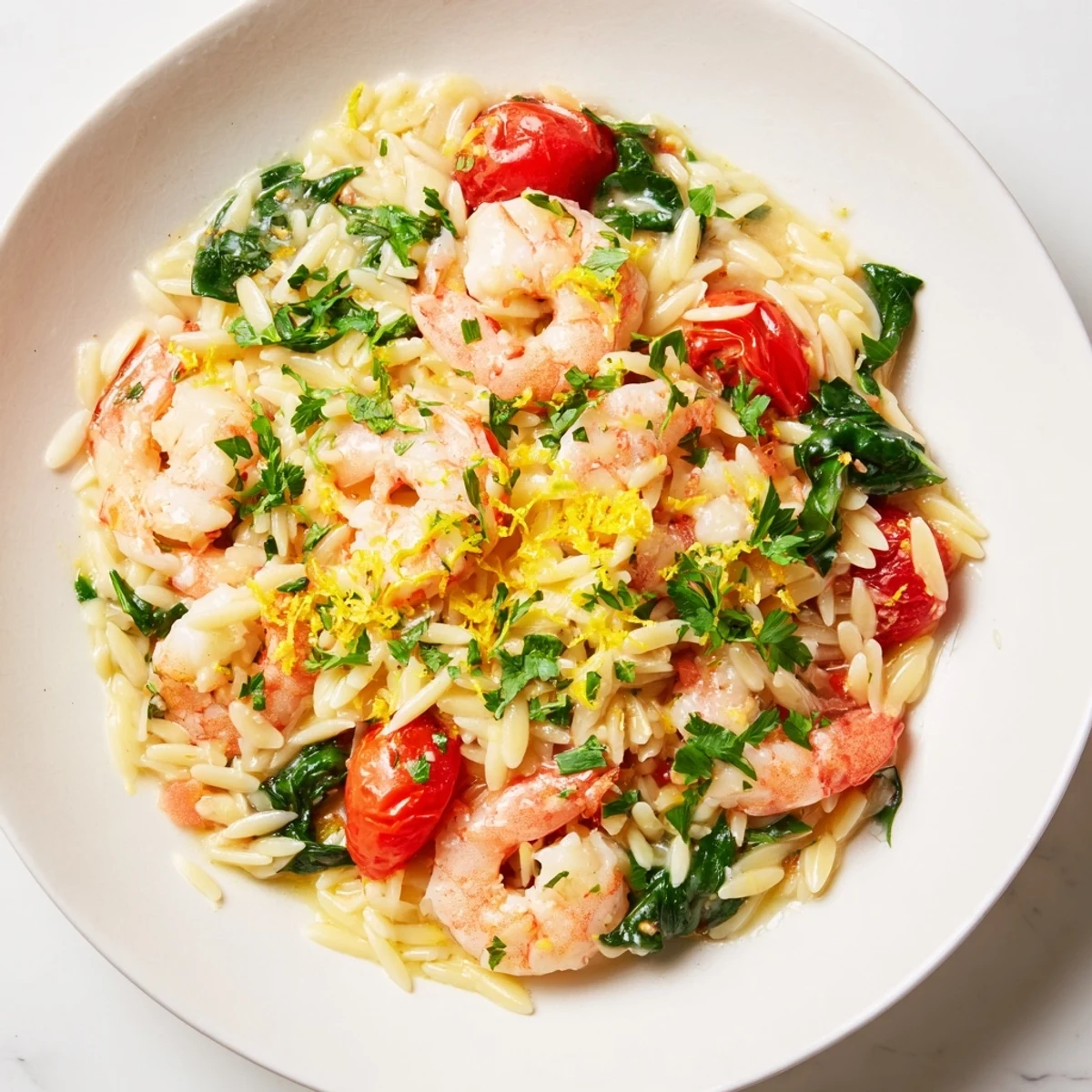
 This vibrant skillet brings Mediterranean flavors to your table in just 30 minutes. Tender shrimp pair beautifully with bright lemon, aromatic garlic, and perfectly cooked orzo pasta. The one-pan method means the pasta absorbs all the savory flavors from the broth, while cherry tomatoes and spinach add freshness and color. Finished with fresh herbs and a squeeze of lemon, this dish balances brightness with satisfying heartiness.
The screen door was slamming shut every thirty seconds that July afternoon, kids running in and out while I stood at the stove with a lemon in one hand and a pound of shrimp thawing in the sink. I had no plan beyond orzo and whatever the farmers market had given me that morning. Thirty minutes later the skillet was empty and my neighbor was asking for the recipe over the fence. That is the thing about this dish, it just happens and people think you worked harder than you did.
My sister called one evening while I was making this and I put her on speaker, the sizzle of shrimp filling the kitchen while she vented about her work day. She went quiet for a moment and said whatever you are cooking sounds incredible. I told her it was five more minutes and she should come over, and she actually did.
Ingredients
- 1 lb large shrimp peeled and deveined: Buy the biggest you can find because they stay juicy and give you that satisfying bite, and always pat them bone dry before they hit the pan.
- 1 medium yellow onion finely chopped: Yellow onion sweeter than white and builds a mellow base that lets the lemon shine.
- 2 garlic cloves minced: Fresh only, the jarred stuff loses the punch that makes this dish sing.
- 1 cup cherry tomatoes halved: They burst during cooking and create little pockets of sweetness.
- 2 cups baby spinach: Wilted down it adds color and a slight earthiness without overpowering anything.
- 1 cup orzo pasta: Toasting it briefly in the pan before adding liquid gives a nutty depth most people skip.
- 2 and 1/4 cups low sodium broth: Chicken or vegetable both work, just keep it low sodium so you control the salt.
- Juice and zest of 1 large lemon: The zest carries the perfume, the juice brings the brightness, and together they are the soul of this recipe.
- 2 tbsp extra virgin olive oil: Split between cooking the shrimp and building the base.
- 1/2 tsp chili flakes optional: A gentle warmth that does not overwhelm but makes you reach for another bite.
- 1/2 tsp smoked paprika: Rubbed on the shrimp it gives a subtle smoky edge that surprises people.
- Salt and black pepper to taste: Season in layers and taste at the end.
- 1/4 cup fresh parsley chopped: Stirred in at the finish it tastes like a garden.
- Lemon wedges for serving: A squeeze at the table wakes up every flavor on the plate.
Instructions
- Get the shrimp going:
- Heat one tablespoon of olive oil in a large deep skillet over medium high heat, pat the shrimp dry, toss with a pinch of salt, pepper, and the smoked paprika, then sear for two to three minutes per side until they curl and turn pink. Pull them off the heat and set aside on a plate.
- Build the flavor base:
- In the same skillet with the remaining olive oil, cook the onion for two to three minutes until it turns translucent and soft, then stir in the garlic and chili flakes for about thirty seconds until your kitchen smells alive.
- Toast the orzo:
- Pour the dry orzo into the pan and stir it around for one to two minutes so every grain gets coated in the oil and picks up a golden toasty scent.
- Simmer everything together:
- Add the broth, lemon juice, and lemon zest, scraping up anything stuck to the bottom, bring it to a boil then drop the heat and let it simmer uncovered for seven to ten minutes, stirring now and then, until the orzo is tender and the liquid is mostly absorbed.
- Add the vegetables:
- Stir in the cherry tomatoes and spinach and cook for one to two minutes until the spinach wilts down and the tomatoes just begin to soften.
- Bring the shrimp home:
- Return the shrimp to the skillet and let everything cook together for two more minutes so the flavors marry, then taste and adjust with salt and pepper.
- Finish and serve:
- Take the pan off the heat, scatter the parsley over the top, and serve straight from the skillet with lemon wedges on the side.
 Pin this
 One night my daughter wandered into the kitchen while this was on the stove, dipped a spoon in, and declared it restaurant food. She was nine at the time and restaurant food was the highest compliment she knew how to give.
How to Adapt It to Your Pantry
I have made this with arugula instead of spinach when that was what the fridge offered and the peppery bite was a wonderful twist. Once I threw in a handful of kalamata olives and crumbled feta on top, and it became something entirely new that we now call the Greek version in my house.
What to Pour Alongside It
A chilled glass of Sauvignon Blanc or Pinot Grigio cuts through the richness and mirrors the citrus in the dish beautifully. If you prefer no alcohol, sparkling water with a wedge of lemon does the same job.
Making It Ahead and Storing Leftovers
This dish is best eaten fresh because orzo continues to absorb liquid as it sits, but leftovers reheat nicely with a splash of broth to loosen things back up. Store them in an airtight container in the refrigerator for up to three days.
- For extra richness stir in a tablespoon of butter right before serving and watch it melt into the sauce.
- Freezing is not recommended because the texture of both the shrimp and the orzo suffers after thawing.
- Always reheat gently on the stove rather than the microwave so the shrimp stay tender.
 Pin this
 This skillet has rescued more weeknight dinners than I can count, and every time I make it the kitchen smells like summer regardless of the season. I hope it becomes one of those recipes you reach for without thinking.
Recipe FAQs
- → Can I use frozen shrimp instead of fresh?
-
Yes, frozen shrimp work perfectly. Thaw them completely and pat dry before cooking to remove excess moisture. This ensures proper searing and prevents the shrimp from becoming rubbery during preparation.
- → What can I substitute for orzo pasta?
-
Small pasta shapes like pastina, tiny stars, or even broken spaghetti pieces work well. For a gluten-free option, try quinoa, rice-shaped pasta, or actually cook rice directly in the broth—just adjust cooking time accordingly.
- → How do I know when the orzo is perfectly cooked?
-
Taste the orzo after 7–10 minutes of simmering. It should be tender with a slight bite to it—al dente. The liquid should be mostly absorbed but still creamy. If it's too thick, add a splash more broth; if too loose, cook another minute or two.
- → Can I make this ahead of time?
-
This dish is best enjoyed fresh, as orzo continues to absorb liquid and may become mushy when reheated. If meal prepping, cook everything except the shrimp and vegetables, store separately, then quickly reheat and combine when ready to serve.
- → Is there a dairy-free way to add richness?
-
Instead of butter, finish with an extra drizzle of high-quality olive oil. The natural starch from the orzo creates a creamy consistency on its own, especially when you stir vigorously during the final minutes of cooking.
- → What other proteins work in this skillet?
-
Chopped chicken breast, cubed halloumi, or even cannellini beans make excellent substitutes. Adjust cooking times accordingly—chicken needs about 8–10 minutes to cook through, while beans only need 2–3 minutes to heat.