
 Pin this
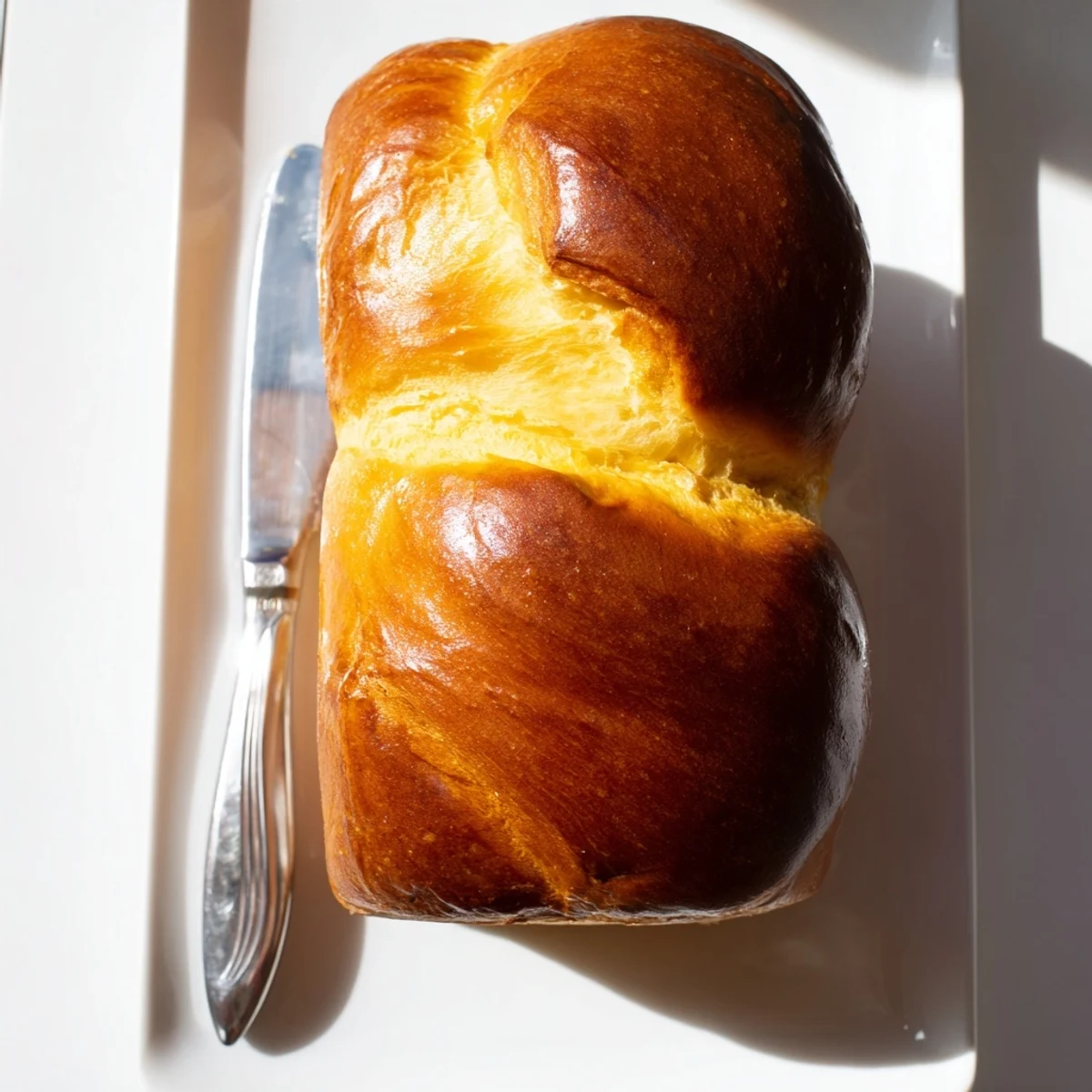
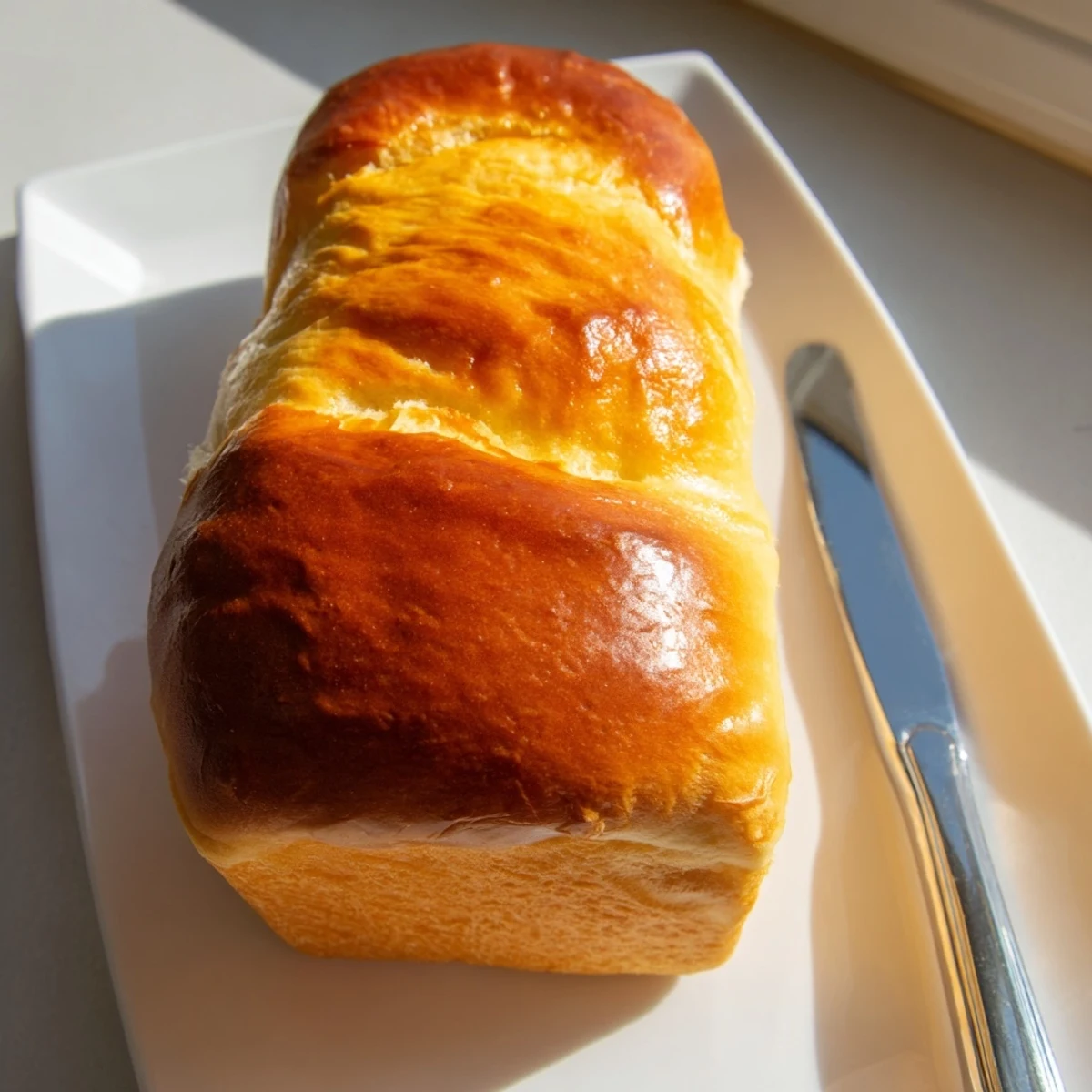
 This classic French-style brioche delivers an incredibly soft, tender crumb thanks to generous amounts of butter and warm milk. The dough requires patience during rising but rewards you with golden bakery-quality loaves perfect for morning toast, afternoon sandwiches, or transformed into decadent French toast.
The mixing process incorporates butter gradually for optimal texture, while two rise periods develop characteristic fluffiness. An egg wash creates that signature glossy golden crust.
Customize with whole wheat flour for heartier slices, or fold in chocolate chips and dried fruits for sweeter variations. Pairs beautifully with salted butter, fruit preserves, or simply enjoyed warm from the oven.
The smell of toasting brioche on a cold Saturday morning is enough to make anyone stumble out of bed with their eyes still half shut. My apartment fills with this buttery, yeasty perfume that somehow feels like a hug from the inside out. I started making this milk brioche after a disastrous attempt at sourdough left me questioning every life choice that led me to believe I could tame a starter. This dough, on the other hand, forgives almost everything.
One rainy Sunday my neighbor knocked on my door to return a borrowed umbrella and caught me pulling a golden loaf from the oven mid torrential downpour. We stood in my doorway tearing off warm chunks with our bare hands, rain dripping off the umbrella between us, barely saying a word because the bread spoke loudly enough.
Ingredients
- Bread flour (500 g): The higher protein content is what gives brioche its chew and structure, so do not swap in all purpose flour unless you want a denser, sadder loaf.
- Granulated sugar (60 g): Just enough sweetness to make this feel like a treat at breakfast without tipping into dessert territory.
- Fine sea salt (10 g): Salt strengthens gluten and balances the sugar, and coarse salt will leave unpleasant crunchy pockets throughout the crumb.
- Instant dry yeast (10 g): Instant yeast skips the blooming step and goes straight into the flour, saving you a small but precious window of patience.
- Large eggs (3): Eggs enrich the dough with fat and color, turning an ordinary bread into something deeply golden and custardy inside.
- Whole milk, warm (150 ml): Warm milk activates the yeast gently and adds richness that water simply cannot replicate here.
- Unsalted butter, softened and cubed (120 g): This is the soul of brioche, and the butter must be room temperature softened, not melted, not refrigerated, or the dough will break and weep.
- Egg wash (1 egg plus 1 tbsp milk): A simple wash brushed on before baking creates that bakery style lacquered top that makes people lean in closer.
Instructions
- Bring the dry team together:
- Pile the bread flour, sugar, salt, and instant yeast into a large mixer bowl and give everything a quick toss with your fingers so the yeast disperses evenly throughout.
- Wake up the dough:
- Pour in the eggs and warm milk, then mix on low speed until a shaggy, messy dough starts clumping around the hook and the dry streaks mostly vanish.
- Feeding the butter slowly:
- Add the softened butter cubes a handful at a time, waiting until each batch disappears before tossing in the next, then knead for 10 to 15 minutes until the dough turns silky smooth and springs back when you poke it gently.
- The long patient rise:
- Cover the bowl tightly with plastic wrap or a damp towel, tuck it somewhere warm and draft free, and walk away for about 1.5 to 2 hours until the dough has ballooned to double its original size.
- Shape with intention:
- Punch down the dough to release trapped air, turn it onto a lightly floured surface, and shape it into a loaf or braid or whatever feels right, then nestle it into a greased loaf pan or onto a parchment lined sheet.
- The second shorter nap:
- Cover the shaped dough loosely and let it puff up again for 45 to 60 minutes until it looks soft and swollen above the rim of the pan.
- Bake to golden glory:
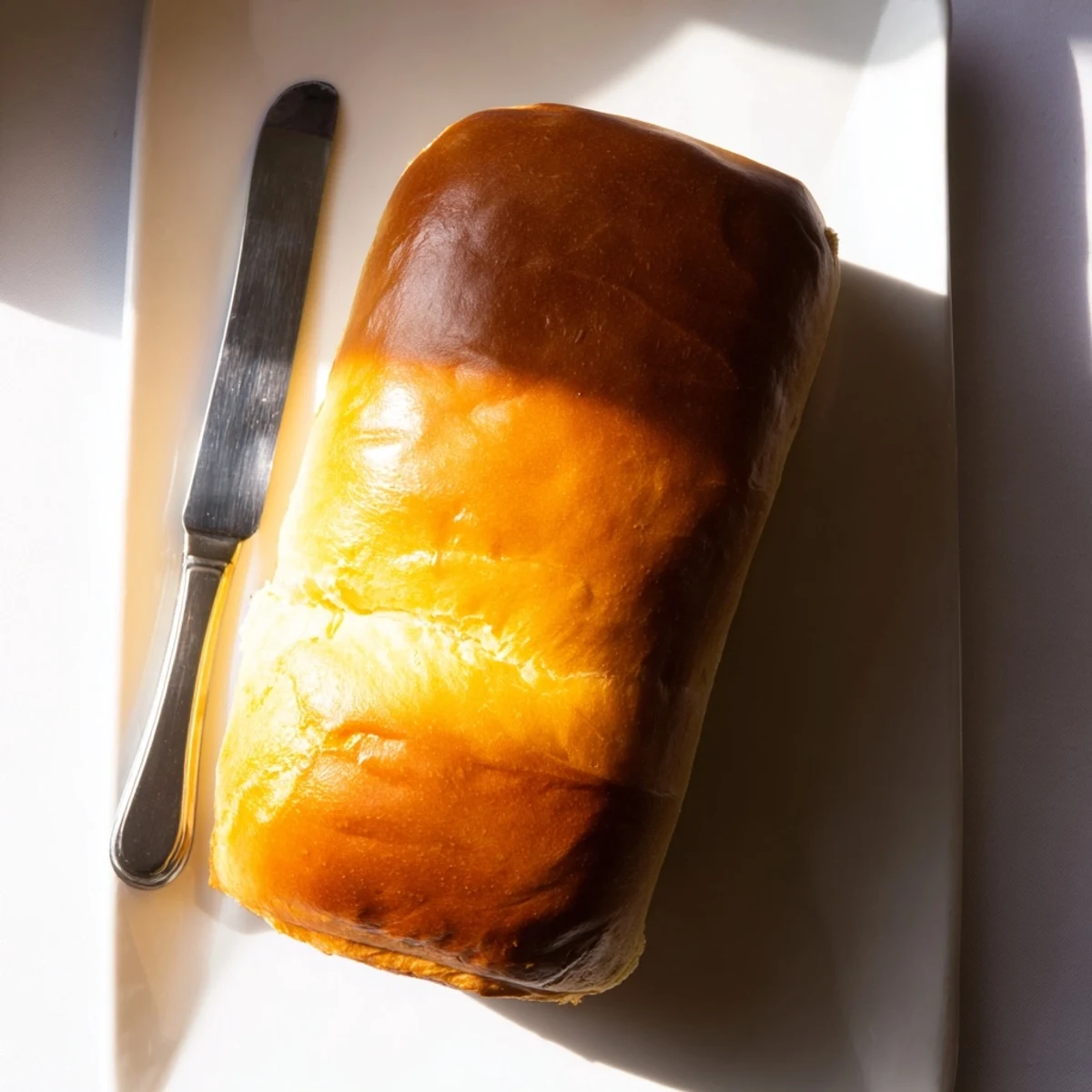
- Preheat your oven to 180 degrees Celsius or 350 degrees Fahrenheit, whisk the egg and milk together, brush the loaf generously with the wash, and bake for 25 to 30 minutes until the crust turns a deep burnished gold and the bottom sounds hollow when you tap it.
- Cool before you slice:
- Let the bread rest in the pan for 10 minutes so the structure sets, then turn it out onto a wire rack and wait as long as you can bear before cutting in.
 Pin this
  Pin this
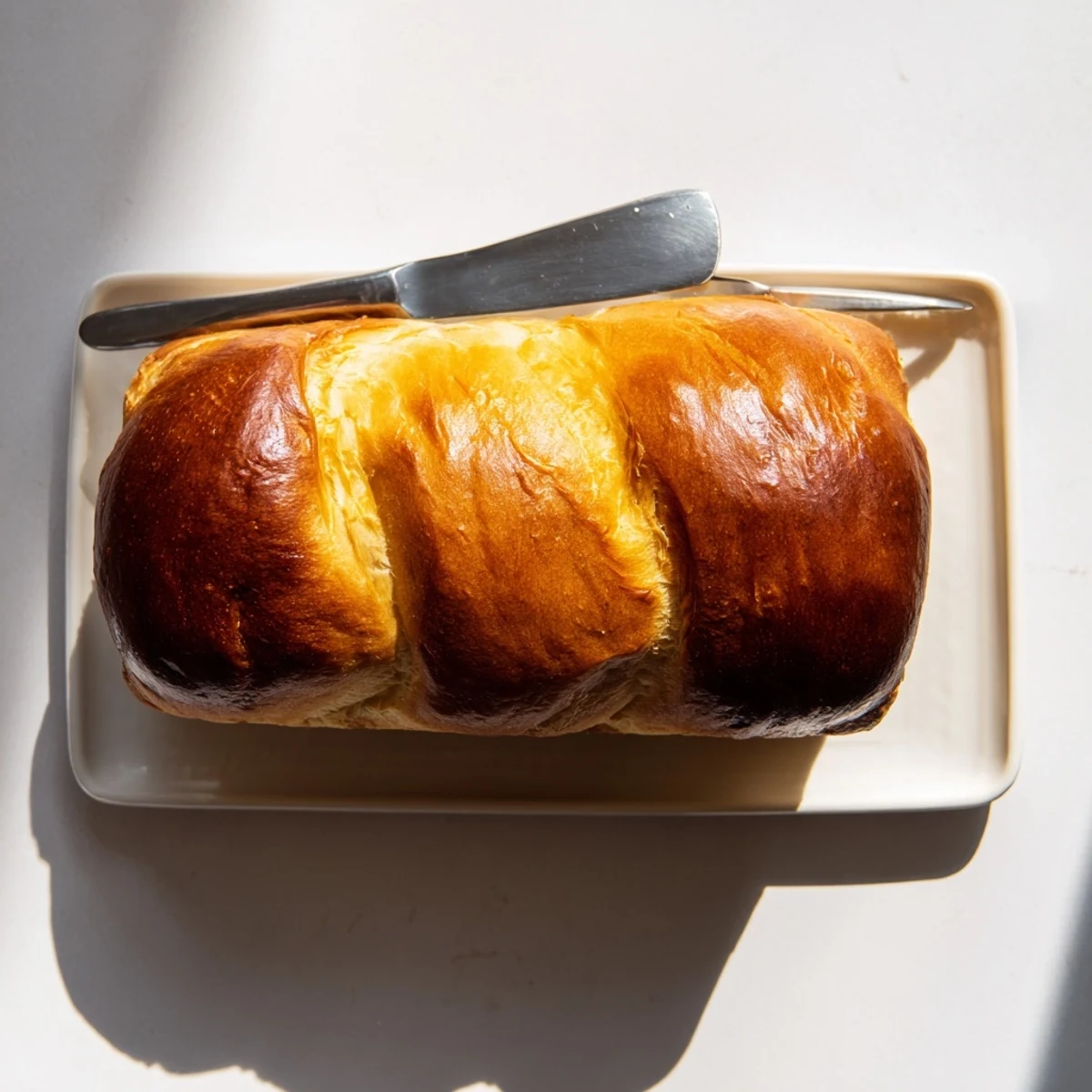
 There is a specific kind of quiet pride that comes from pulling a loaf you shaped with your own hands out of the oven and watching steam curl off the crust while it cools. My mother now asks me to bring this brioche instead of flowers when I visit home, and honestly I cannot think of a higher compliment.
Making It Your Own
I once folded a generous handful of dark chocolate chips into the dough during shaping on a whim, and the resulting loaf was so good that my partner ate half of it standing at the counter before it had fully cooled. You can also swap half the bread flour for whole wheat if you want something a little more rustic and hearty, though the crumb will be slightly denser and the flavor deeper.
What To Serve It With
Sliced thick and toasted until the edges curl, this brioche makes the most indulgent French toast you will ever eat, especially soaked in a vanilla scented custard and fried in more butter. It also makes a quietly spectacular sandwich bread for something like ham and gruyere, where the slight sweetness of the crumb plays against the salty fillings in a way that surprises people.
Storage and Freshness
This bread is best eaten the day it is baked, when the crust still crackles faintly under pressure and the interior is pillowy and warm. If you need to store it, wrap the cooled loaf tightly in foil or keep it in an airtight bag at room temperature for up to three days.
- Freezing sliced portions individually between sheets of parchment makes it easy to grab exactly what you need for a quick breakfast on busy mornings.
- A brief toast in a hot oven or skillet revives day old brioche beautifully, restoring the crust and waking up the butter flavor.
- Never refrigerate this bread, because the cold accelerates staling and turns that beautiful tender crumb into something dry and disappointing.
 Pin this
  Pin this
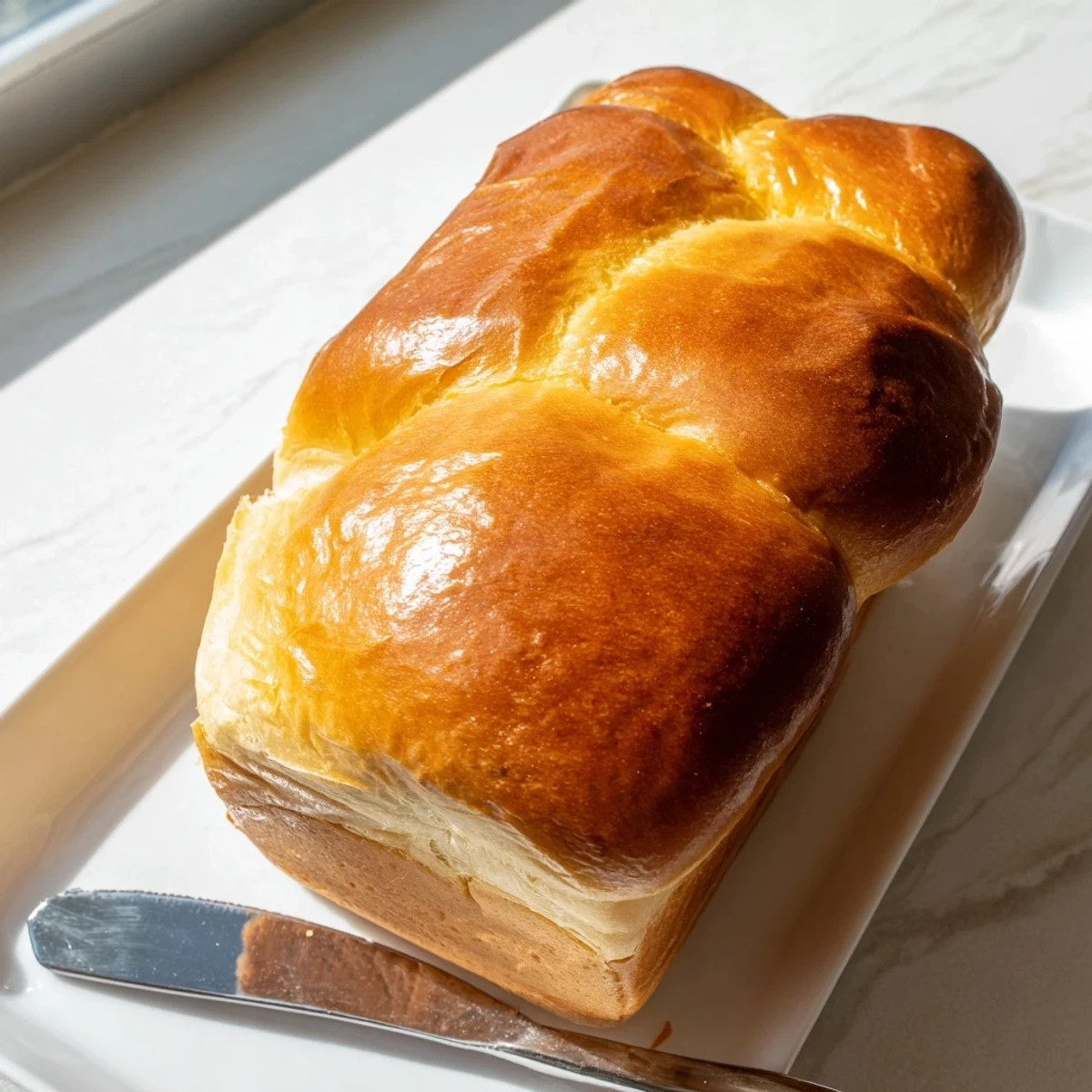
 Baking brioche is less about perfection and more about the willingness to trust the process, even when the dough looks like a disaster. The reward for your patience is a loaf that turns an ordinary morning into something worth remembering.
Recipe FAQs
- → What makes brioche different from regular bread?
-
Brioche contains high proportions of eggs and butter, creating an exceptionally tender, rich crumb. This enrichment results in a slightly sweet flavor and pillowy texture unlike lean bread dough.
- → Why is my brioche dough so sticky?
-
The high butter and egg content naturally creates tackiness. Avoid adding excessive flour during kneading. The dough becomes more manageable after proper refrigeration or the first rise period.
- → Can I make this without a stand mixer?
-
Yes, hand-kneading works beautifully. Allow 15-20 minutes of thorough kneading to fully incorporate butter and develop gluten. The dough becomes smooth and elastic with persistent effort.
- → How should I store leftover brioche?
-
Keep tightly wrapped at room temperature for 2-3 days. For longer storage, freeze sliced portions in freezer bags. Reheat gently in the oven or toaster to restore freshness.
- → What can I use instead of instant yeast?
-
Active dry yeast works perfectly—just dissolve it in the warm milk first with a pinch of sugar. Allow 5-10 minutes for foaming before combining with other ingredients.
- → Why does my brioche deflate after baking?
-
This typically indicates over-proofing. Watch for dough that springs back slowly when gently pressed. The second rise should take 45-60 minutes maximum at warm room temperature.