
 Pin this
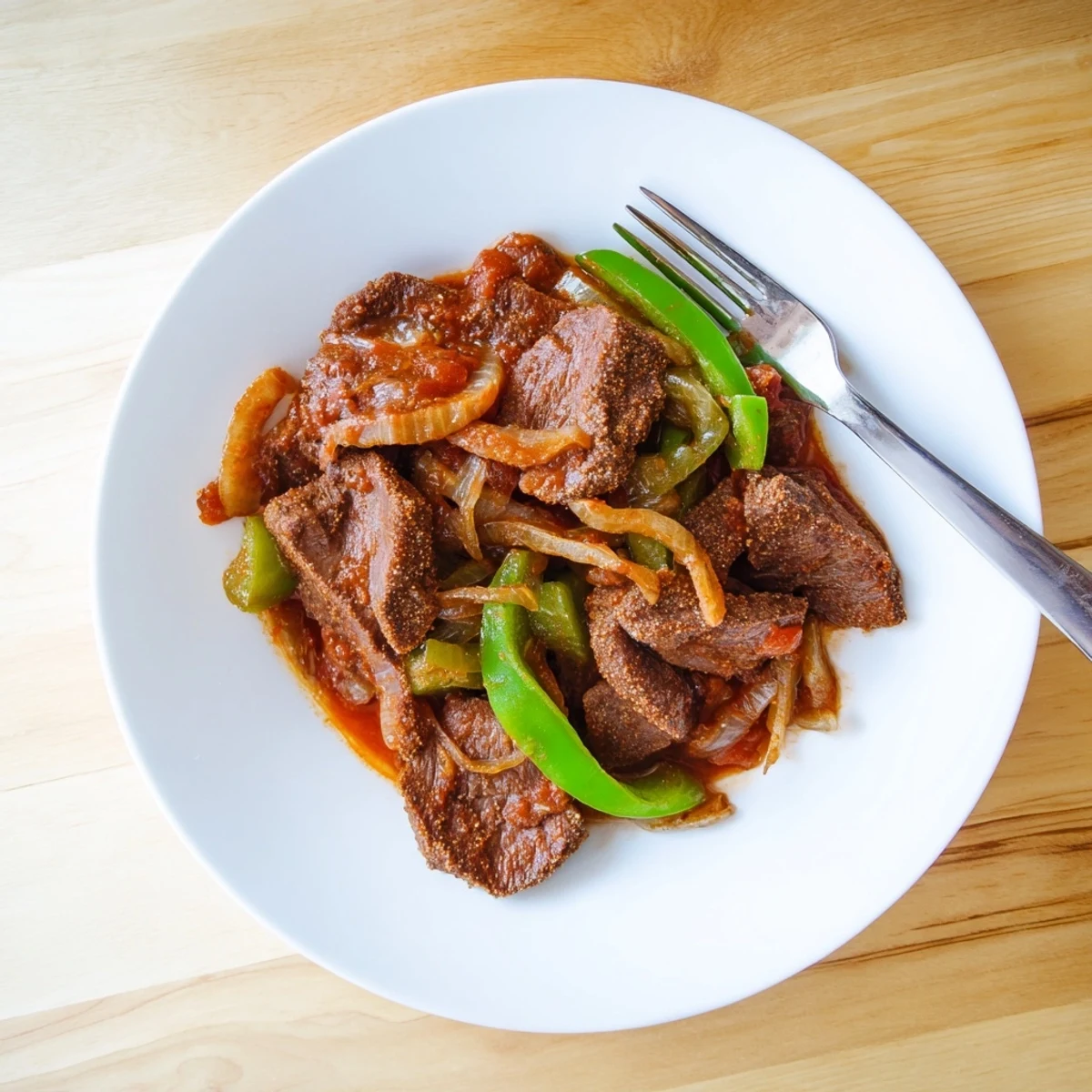
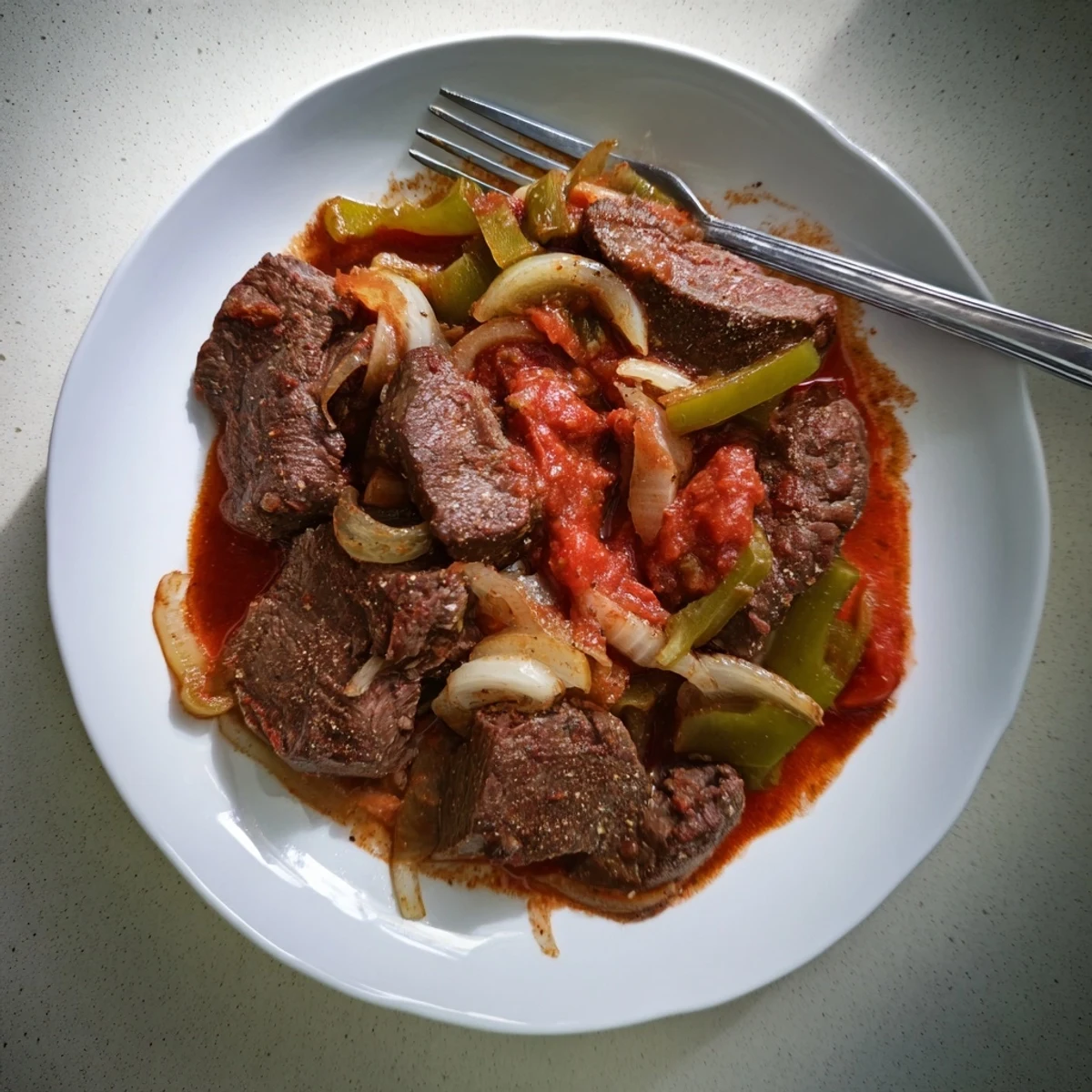
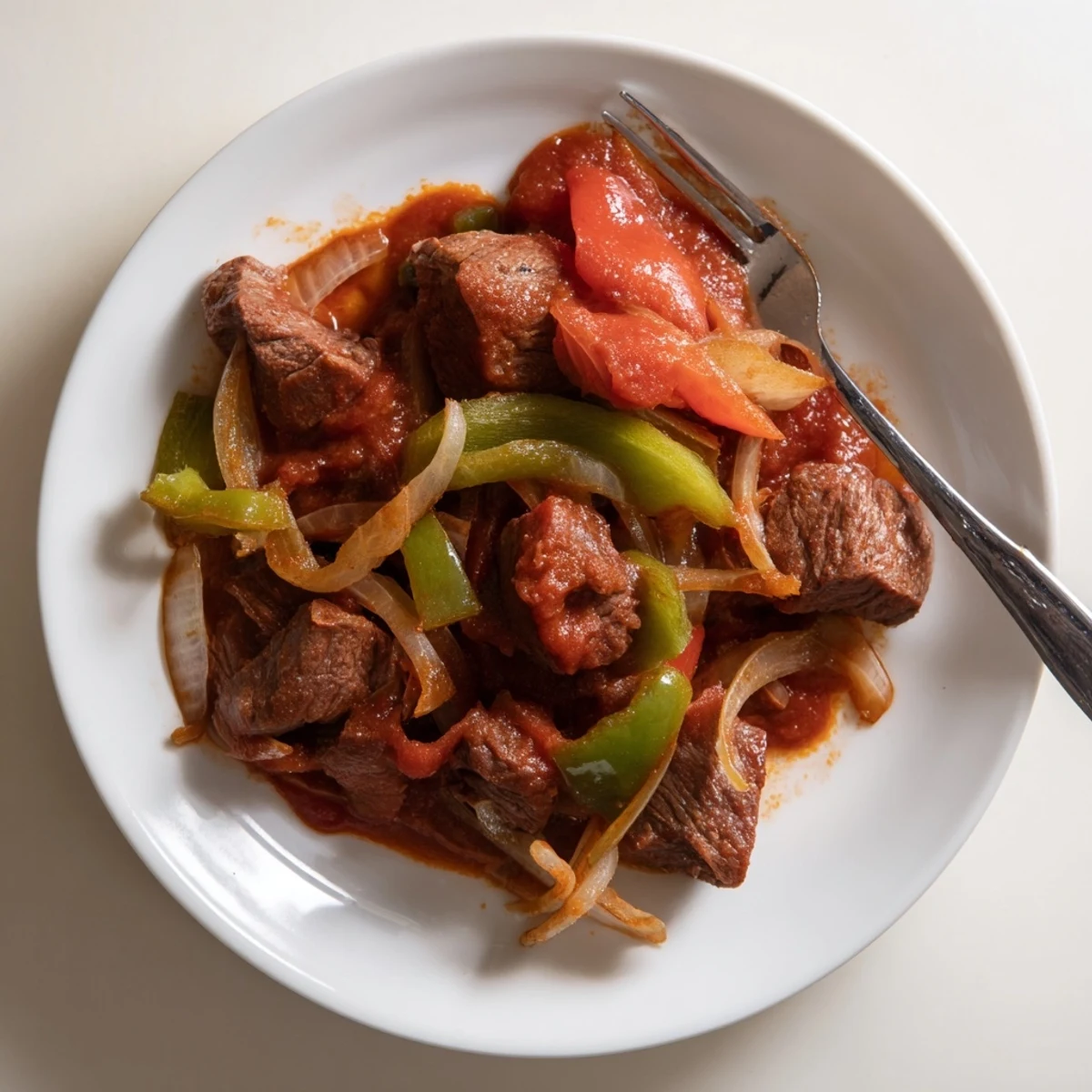
 This classic comfort dish transforms beef round steak into fork-tender perfection through slow braising. The beef gets dredged in seasoned flour, seared until golden, then simmered for nearly two hours with diced tomatoes, onions, bell peppers, celery, and aromatic herbs. The result is melt-in-your-mouth meat swimming in a rich, savory tomato-based sauce that's naturally thickened from the flour coating. Perfect served over mashed potatoes, buttered noodles, or rice to soak up every drop of the hearty gravy.
The smell of Swiss Steak takes me straight back to my grandmother's cramped kitchen on rainy Sunday afternoons. She'd haul out this dented Dutch oven that had survived three generations, and somehow turn tough, inexpensive beef into something that fell apart at the mere mention of a fork. I stood on a step stool, watching her dredge meat in flour with the casual confidence of someone who'd done this a thousand times, flour dusting her apron like culinary snow.
Last winter, during that week where it snowed for three days straight, I made this for my neighbors who had just welcomed their second baby. They showed up at my door with empty containers, asking if I had any more of that steak sauce. Now it's become our snowy weather tradition, something warm and substantial when the world feels cold and overwhelming.
Ingredients
- 2 lbs beef round steak 1/2-inch thick: This economical cut becomes incredibly tender after braising, but ask your butcher to pound it thinner if you want even faster results
- 1/2 cup all purpose flour: Creates that signature coating and thickens the sauce naturally as it cooks, use gluten free flour if needed
- 1 tsp salt and 1/2 tsp black pepper: Keep these nearby, you will want to adjust the seasoning at the end since the flour coating absorbs salt
- 1/2 tsp paprika: Adds a subtle earthy sweetness and beautiful golden color to the seared meat
- 1 large onion sliced: The onions practically melt into the sauce, creating natural sweetness that balances the tomatoes
- 2 cloves garlic minced: Fresh garlic makes a difference here, don't use the pre minced stuff in jars
- 1 green bell pepper sliced: This is the classic Swiss Steak addition that gives the dish its distinct flavor profile
- 2 stalks celery sliced: Provides a gentle aromatic backbone that softens beautifully during braising
- 1 can 14.5 oz diced tomatoes with juice: The juice is essential for the sauce, don't drain them
- 1 cup beef broth: Homemade broth is ideal but any quality broth works fine
- 1 tsp Worcestershire sauce: Don't skip this, it adds that deep umami note that makes the sauce taste like it cooked for hours longer than it did
- 1 tsp dried oregano and 1/2 tsp dried thyme: These herbs complement the tomatoes without overwhelming the beef
- 1 bay leaf: The quiet hero of braised dishes, pull it out before serving
- 3 tbsp vegetable oil: You need enough oil to get a proper sear without overcrowding the pan
Instructions
- Prepare your oven and coating station:
- Preheat oven to 325°F and combine flour, salt, pepper, and paprika in a shallow dish. Dredge both sides of beef in flour mixture, shaking off excess but keeping a light coating.
- Sear the beef to develop flavor:
- Heat oil in a large oven safe Dutch oven over medium high heat. Sear beef pieces 2-3 minutes per side until deeply browned, then remove and set aside on a plate.
- Build the vegetable base:
- In the same pot, add onions, garlic, bell pepper, and celery. Sauté 3-4 minutes until softened and fragrant, scraping up any browned bits from the bottom.
- Combine everything for braising:
- Return beef to pot and add diced tomatoes with juice, beef broth, Worcestershire, oregano, thyme, and bay leaf. Stir gently to combine without knocking off the flour coating.
- Braise until fork tender:
- Bring to a simmer, cover, and transfer to preheated oven. Braise 1.5 to 2 hours until beef is very tender and easily pierced with a fork.
- Finish and adjust seasoning:
- Discard bay leaf, taste sauce, and add more salt or pepper if needed. Serve with generous spoonfuls of sauce and vegetables over the beef.
 Pin this
 My husband originally turned his nose up at Swiss Steak, calling it old fashioned food. After one taste of this version, he asked if we could have it every Sunday. There's something deeply satisfying about serving a dish that turns humble ingredients into something extraordinary.
Making It Your Own
The beauty of Swiss Steak is how it adapts to what you have on hand. Sometimes I add a splash of red wine with the broth, which makes the sauce feel more elegant for dinner guests. Other times I throw in extra vegetables or use fresh herbs from the garden in summer.
Perfect Pairings
Mashed potatoes are the classic choice for a reason, they catch every drop of that incredible sauce. But buttered egg noodles work beautifully too, and polenta creates an unexpected but perfect base. Don't forget a simple green salad with vinaigrette to cut through the richness.
Make Ahead Wisdom
This recipe actually tastes better the next day, so it's perfect for meal prep or Sunday dinner. The flavors have time to marry and the beef becomes even more tender. Reheat gently on the stove with a splash of broth if the sauce has thickened too much.
- Freeze individual portions for up to 3 months
- Double the recipe and make two batches, one for now and one for later
- The sauce freezes beautifully so don't worry about texture changes
 Pin this
 Some dishes feed you, but Swiss Steak feeds something deeper, that part of you that remembers Sunday suppers and slow cooked meals made with care.
Recipe FAQs
- → What cut of beef works best for Swiss steak?
-
Beef round steak about 1/2-inch thick is traditional, but chuck or shoulder steak also work beautifully. The key is using a lean cut that benefits from long, slow braising to become tender.
- → Why is the meat coated in flour before cooking?
-
The seasoned flour coating serves two purposes: it creates a beautiful golden crust when seared, and it naturally thickens the braising liquid into a rich, savory sauce as the dish cooks.
- → Can I make this on the stovetop instead of oven?
-
Absolutely. After bringing everything to a simmer, reduce heat to low, cover tightly, and maintain a gentle bubble for 2-2.5 hours. Check occasionally to ensure liquid doesn't evaporate too quickly.
- → How do I know when the Swiss steak is done?
-
The beef is ready when it's fork-tender and offers no resistance. You should be able to easily shred it with a fork. This typically takes 1.5 to 2 hours of braising time.
- → What sides pair well with Swiss steak?
-
Mashed potatoes are the classic choice to soak up the flavorful sauce. Buttered egg noodles, steamed rice, or roasted potatoes also work wonderfully. Add a simple green salad or steamed green beans for a complete meal.
- → Can I make Swiss steak ahead of time?
-
This dish actually improves overnight. Make it up to 2 days ahead, refrigerate, and reheat gently on the stovetop. The flavors deepen and the sauce becomes even more rich and cohesive.