
 Pin this
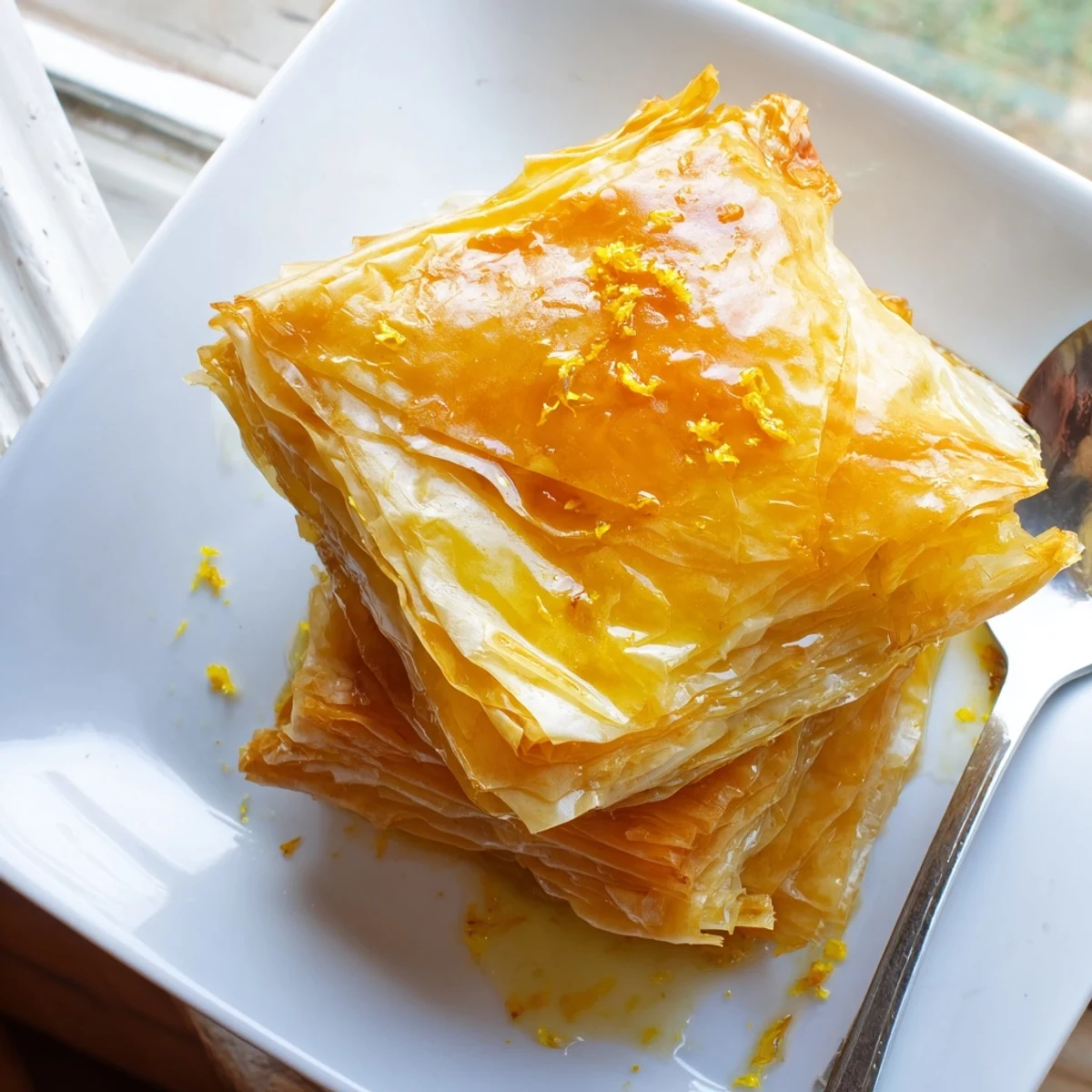
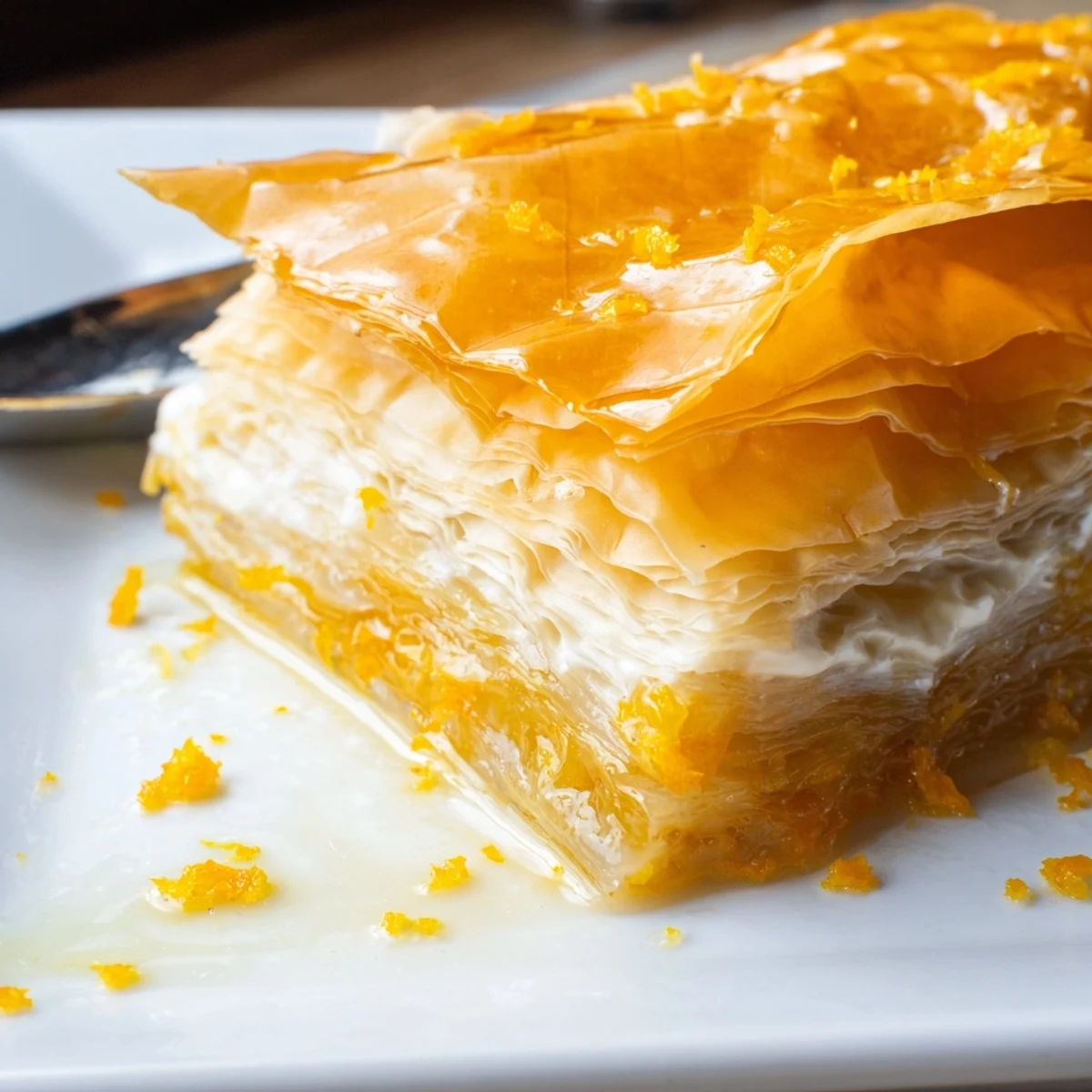
 Portokalopita is a beloved Greek dessert that transforms simple phyllo sheets into an extraordinary citrus-infused treat. The magic lies in the contrast between crisp, golden phyllo pieces and a luscious orange-scented syrup that permeates every layer. Greek yogurt adds a subtle tang and creaminess, while fresh orange zest provides bright, aromatic notes that cut through the sweetness.
The preparation begins with letting phyllo sheets dry slightly before crumpling them—this technique creates those irresistible crispy edges. While baking, the phyllo turns golden and the custard-like batter sets. The hot cake then receives a slow pour of cooled syrup, allowing maximum absorption without becoming soggy. A cinnamon stick in the syrup adds warmth, complementing the fresh orange flavors perfectly.
This dessert requires patience: allowing it to rest for at least two hours after syrup soaking ensures the flavors meld and the texture achieves that signature tender-yet-crispy consistency. Serve chilled or at room temperature, perhaps with a dollop of whipped cream for extra indulgence.
The first time I encountered portokalopita was at a tiny family-run taverna in Athens, where the owner's grandmother emerged from the kitchen with this golden, syrup-drenched masterpiece. She explained that the magic lies in letting the phyllo sheets dry out until they're deliberately brittle, creating these incredible crispy pockets that catch the orange-infused syrup. The air smelled like warm oranges and cinnamon, and I knew I had to learn the secret behind this Greek treasure.
Last summer, I made this for my neighbor's birthday, and she literally stopped mid-conversation after her first bite, eyes wide, asking what kind of magic was in her plate. The cinnamon-scented syrup had soaked all the way through, and she said it reminded her of summers at her yiayia's house in Thessaloniki. Now she requests it for every gathering, and I've learned to always make an extra pan because leftovers disappear embarrassingly fast.
Ingredients
- Phyllo sheets (450 g): Letting these dry out until they're slightly brittle is the secret to creating those irresistible crispy, lace-like layers that catch the syrup
- Large eggs (4): Room temperature eggs will whisk up fluffier and incorporate more air into your custard-like batter
- Full-fat Greek yogurt (250 g): Do not substitute with regular yogurtthe thick, creamy texture is essential for achieving the authentic tender crumb
- Granulated sugar (200 g): This splits between the batter and syrup, balancing the tartness of fresh orange juice
- Light olive oil (120 ml): A subtle fruitiness that complements the orange flavor without overpowering it
- Vanilla extract (2 tsp): Pure vanilla extract makes a noticeable difference in the aromatic depth
- Orange zest (3 oranges total): Use a microplane to avoid the bitter white pith, and only zest right before using to capture the volatile oils
- Baking powder (2 tsp): Ensures the custard layers puff up slightly around the phyllo pieces
- Fresh orange juice (200 ml): Squeeze your own juicebottled juice lacks the bright, floral complexity needed here
- Water (250 ml): Creates the syrup base that will eventually penetrate every crispy layer
- Cinnamon stick (1): Whole cinnamon infuses the syrup gently; ground cinnamon would make it cloudy and gritty
Instructions
- Preheat your oven to 180°C (350°F):
- Lightly grease your 23x33 cm baking dish with a thin coating of oil, getting into the corners
- Prepare the phyllo sheets:
- Remove from packaging and spread them out on a clean surface for about an hour until they feel dry and slightly brittle, then crumple them into rough, bite-sized pieces
- Whisk the base:
- In a large bowl, beat eggs and sugar until the mixture turns pale and noticeably thicker, about 3-4 minutes by hand
- Combine the wet ingredients:
- Fold in yogurt, oil, vanilla, orange zest from 2 oranges, and baking powder until everything is smoothly incorporated
- Coat the phyllo:
- Gradually fold in the crumpled phyllo pieces, taking your time to ensure every shard gets covered in the creamy batter
- Assemble and bake:
- Spread the mixture into your prepared dish and bake for 40 to 45 minutes until deeply golden and a skewer inserted in the center comes out clean
- Make the syrup:
- While the pie bakes, combine water, sugar, orange juice, cinnamon stick, and remaining orange zest in a saucepan; bring to a boil then simmer for 8 minutes before removing the cinnamon and zest
- Syrup the pie:
- Let the syrup cool completely while the pie finishes baking, then slowly pour it over the hot pie in an even pattern and let everything soak for at least 2 hours before serving
 Pin this
 There's something meditative about standing at the counter, crumpling each sheet of phyllo into little golden mountains, listening to the satisfying rustle as they shatter. My kitchen fills with the scent of oranges before anything even goes into the oven, and I've found this recipe has a way of slowing down an entire afternoon. It's become my go-to when I need to bake something that feels like giving someone a warm hug.
The Secret to Perfect Syrup Absorption
I've learned through trial and error that pouring the syrup slowly, in a circular pattern starting from the outer edges and working toward the center, ensures even distribution. Rushing this step leaves you with soggy patches and dry corners, and nobody wants that disappointment after putting in the effort. The pie should make a gentle sizzling sound as it drinks up the syrupthat's how you know you've got the temperature balance right.
Serving Suggestions That Elevate
While portokalopita is absolutely perfect on its own, I've discovered that a dollop of freshly whipped cream with just a hint of orange liqueur folded in takes it to restaurant-quality territory. During summer, a scoop of vanilla bean ice cream creates this incredible temperature contrast that makes the citrus notes sing even brighter. My aunt swears by serving it with strong Greek coffee, cutting through the sweetness with bitter depth.
Storage and Make-Ahead Wisdom
This dessert actually improves overnight as the syrup continues to work its way through every layer, developing a more uniform texture and intensified flavor. I've kept it in the refrigerator for up to four days, covered loosely with foil, and it remains absolutely delicious. The phyllo never loses its characteristic crunch completely, which is pretty remarkable for a syrup-soaked dessert.
- Always bring it to room temperature for about 30 minutes before serving
- Never freeze itthe texture changes irreversibly
- If the top seems less crisp after refrigeration, pop it in a 160°C oven for 5 minutes
 Pin this
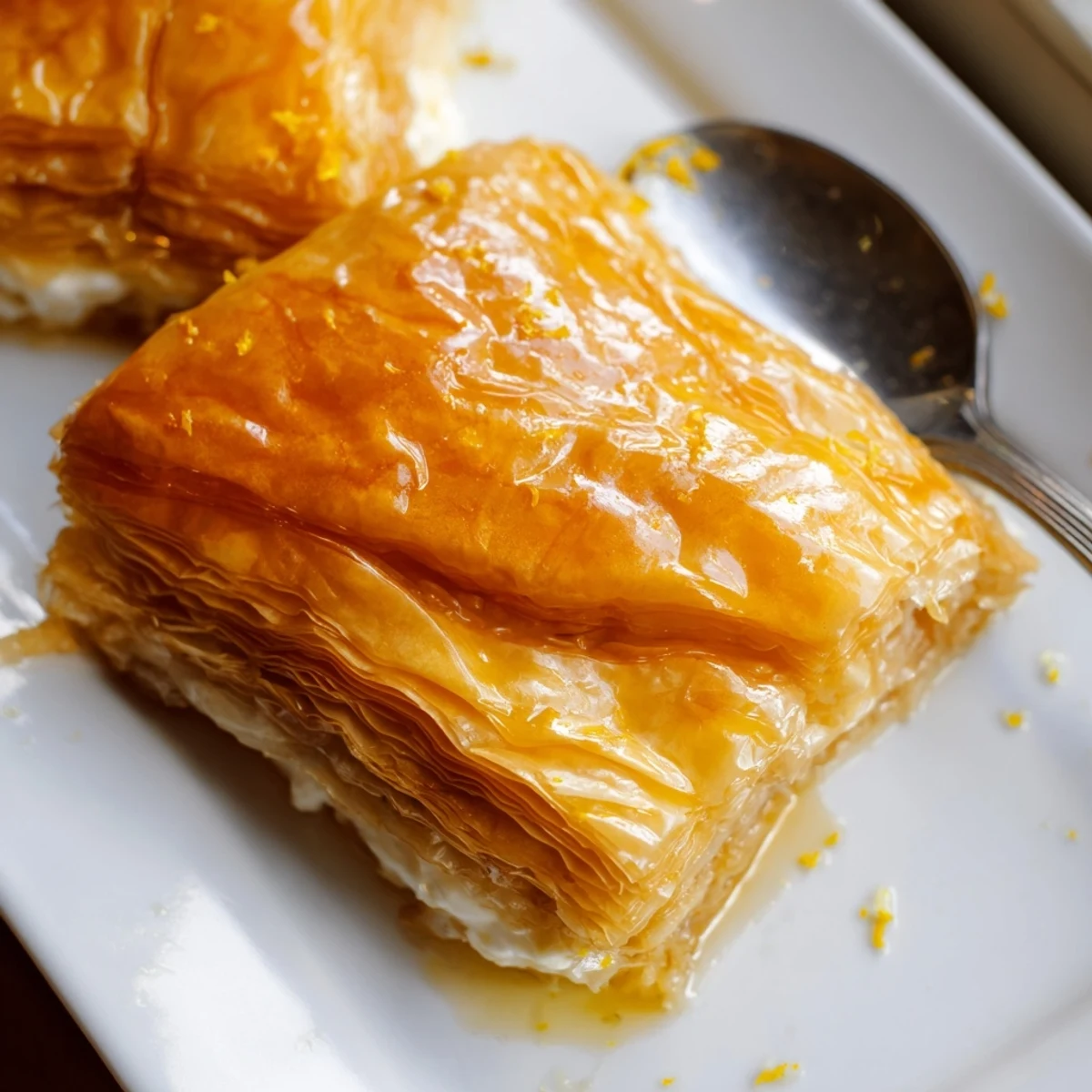
 This recipe has taught me that some desserts are worth every minute of the process, and portokalopita is absolutely one of them. There's pure joy in serving something that looks impressive yet comes from such humble, simple ingredients.
Recipe FAQs
- → What makes Portokalopita different from other Greek desserts?
-
Portokalopita stands out for its unique texture—crumpled phyllo sheets create crispy, layered pockets that differ from the smooth phyllo wraps in baklava or the dense crumb of other cakes. The combination of Greek yogurt in the batter and generous fresh orange zest in both the cake and syrup delivers an intense citrus profile that's distinctly bright and aromatic.
- → Why must I let the phyllo sheets dry before using them?
-
Allowing phyllo sheets to dry slightly makes them easier to crumple without tearing completely. This drying process creates those desirable crisp edges when baked. Fresh, moist phyllo would become gummy rather than achieving the signature crunch that contrasts beautifully with the syrup-soaked layers.
- → Can I prepare Portokalopita in advance?
-
Absolutely—Portokalopita actually improves with time. Making it one day ahead allows the syrup to fully penetrate the phyllo layers, resulting in a more cohesive and flavorful dessert. Store it covered at room temperature for up to two days, or refrigerate for up to five days. Serve at room temperature for the best texture experience.
- → What's the trick to pouring syrup without making the cake soggy?
-
The key is temperature contrast: always pour cooled syrup over a hot cake, and do it slowly rather than all at once. This gradual absorption prevents the bottom from becoming waterlogged while ensuring even distribution. The cake will sizzle as it absorbs the syrup—this is normal and indicates proper soaking is occurring.
- → Can I substitute the Greek yogurt?
-
While Greek yogurt provides the authentic texture and slight tang, you can substitute with full-fat sour cream or a thick Turkish yogurt. Avoid regular yogurt as it's too thin and won't give the batter the right consistency. The yogurt's acidity also helps tenderize the phyllo, creating that perfect melt-in-your-mouth quality.
- → How do I know when the cake is fully baked?
-
Look for a deep golden-brown color across the surface, and insert a skewer or knife into the center—it should come out clean or with just a few moist crumbs. The edges should be visibly crisp and pulling slightly away from the pan sides. The baking time of 40-45 minutes at 180°C (350°F) is typically reliable, but all ovens vary slightly.