
 Pin this
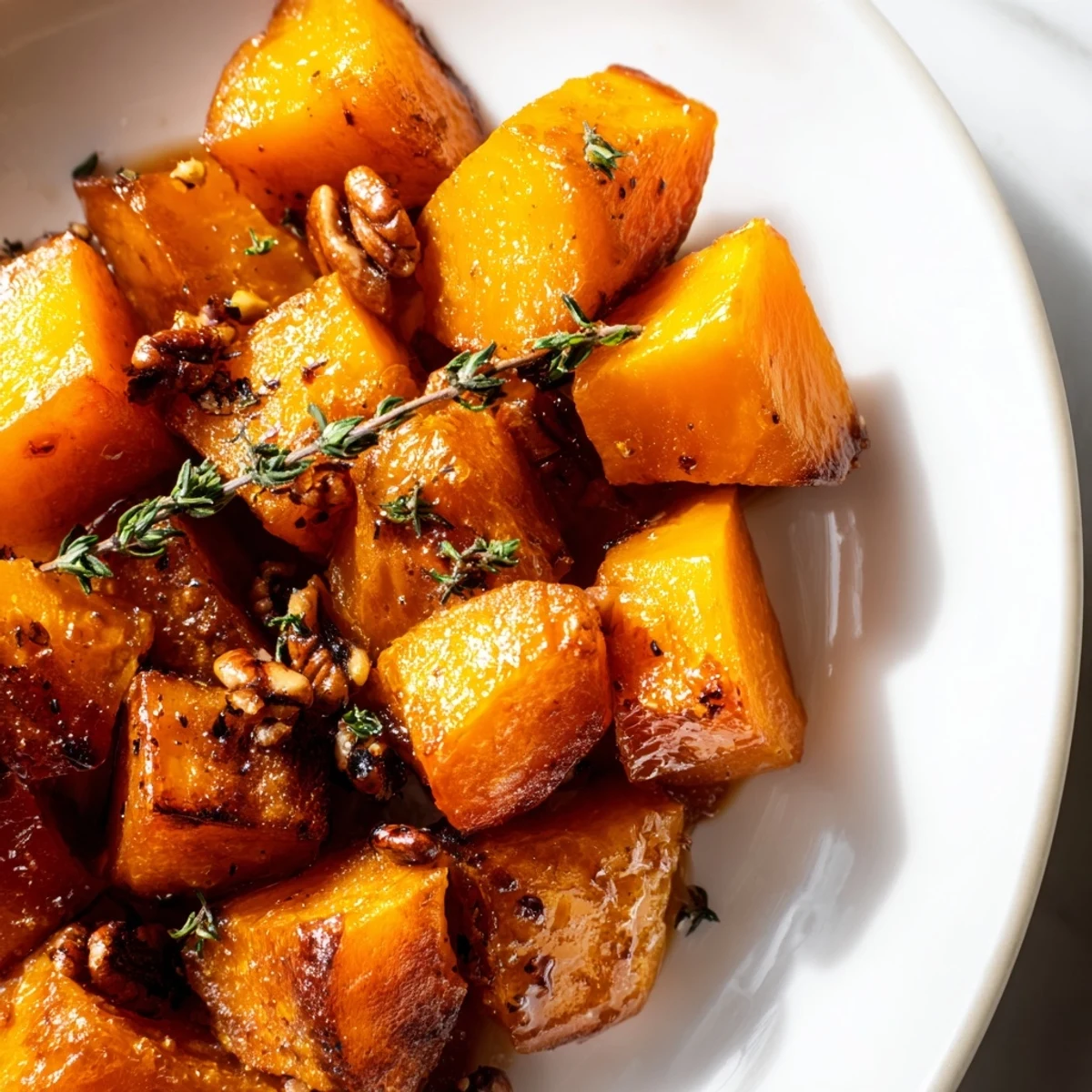
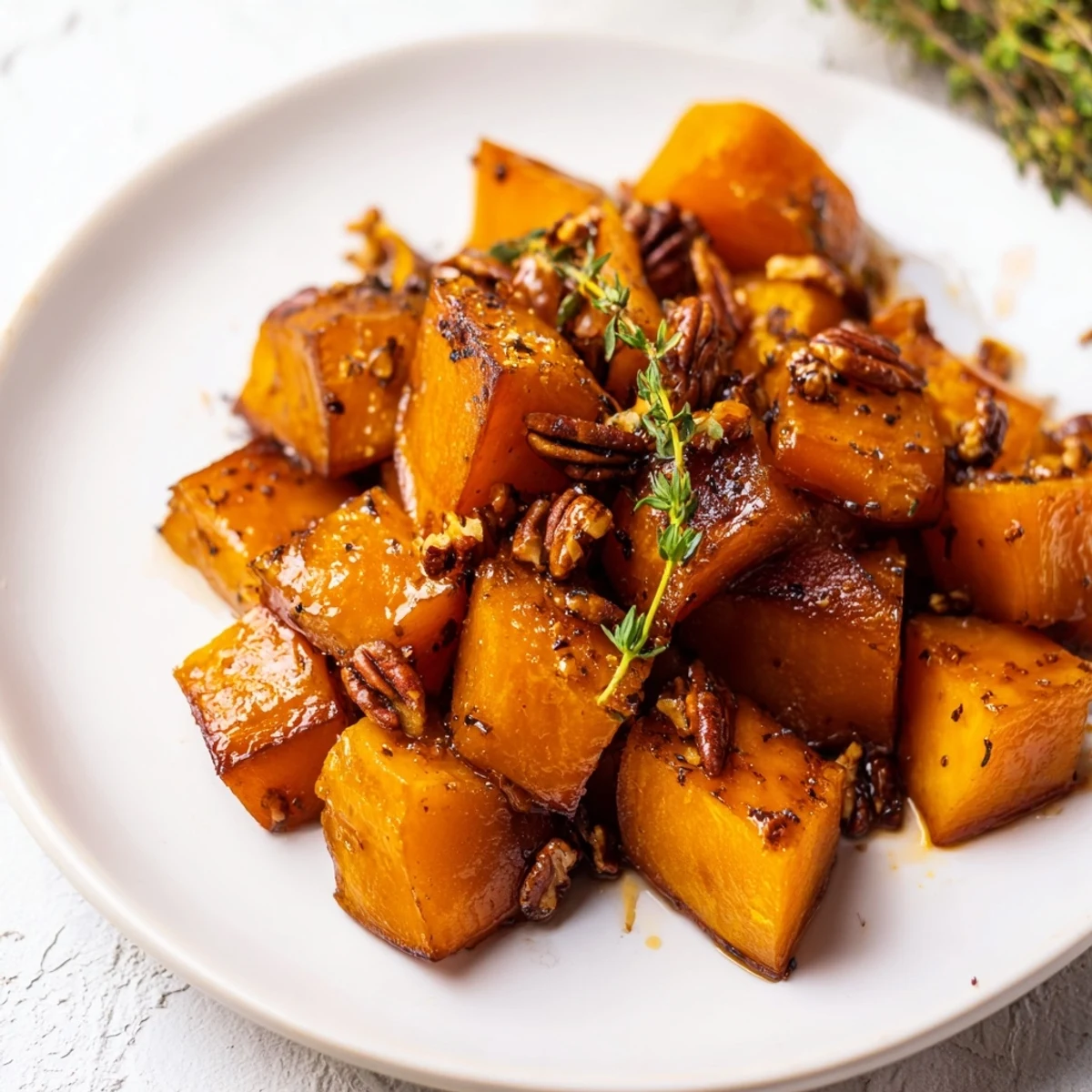
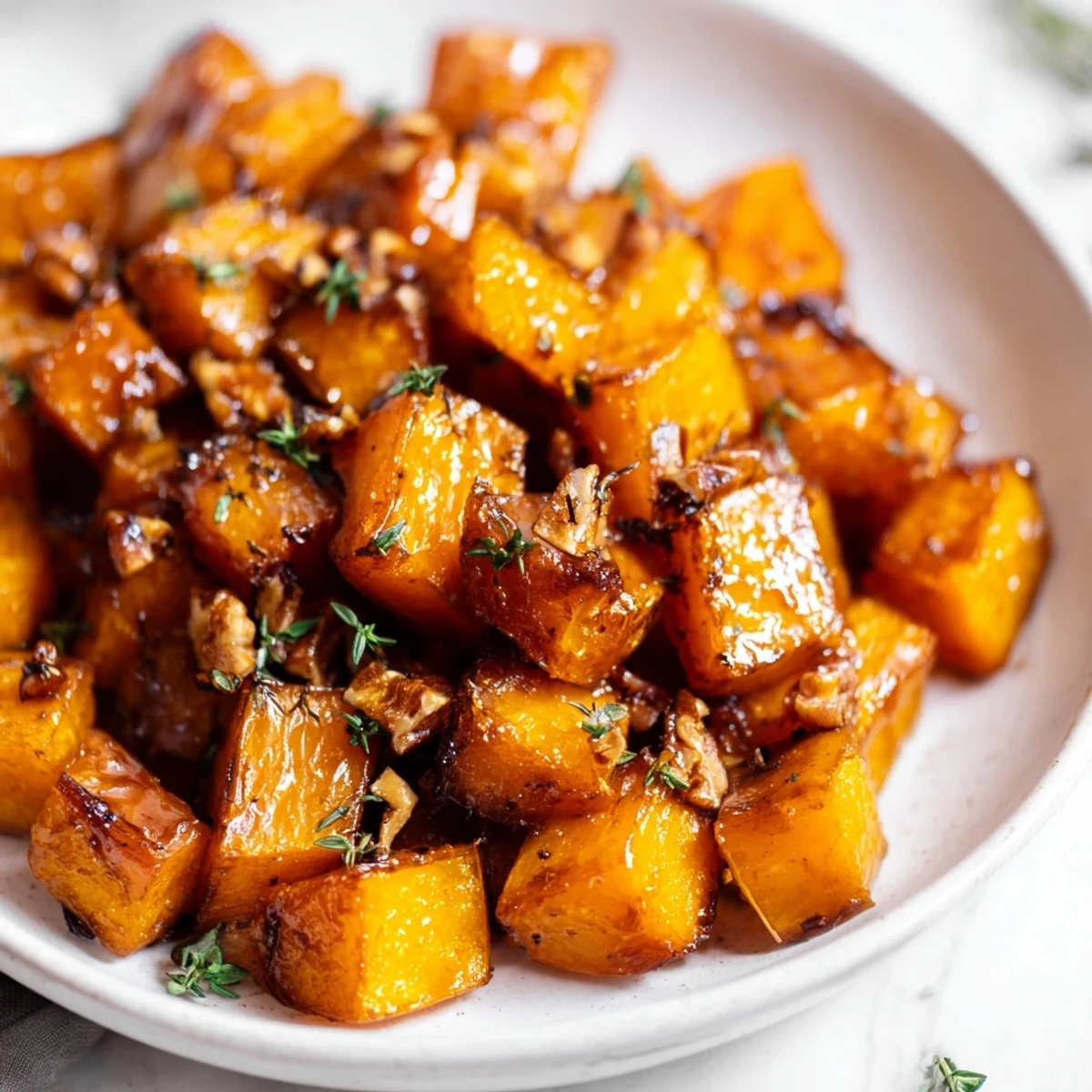
 This straightforward side dish combines butternut squash cubes with olive oil, brown sugar, and warm spices like cinnamon and nutmeg. Simply toss the squash in seasonings, spread on a baking sheet, and roast at 425°F for 25-30 minutes until tender and caramelized. The natural sweetness of the squash mingles beautifully with the brown sugar coating, creating crispy edges and a soft interior.
Optional garnishes of fresh herbs and toasted nuts add texture and flavor depth. This versatile dish pairs wonderfully with roasted meats or serves as a centerpiece for vegetarian meals.
The first frost of autumn always signals squash season in my kitchen. Last October, as maple leaves crunched beneath my boots on the walk home from the farmers' market, I balanced an armful of butternut squash against the chill. That evening, with rain tapping against the windows, I discovered how a little brown sugar and heat could transform humble squash into something magical.
My neighbor Elaine knocked on my door during a particularly hectic Thanksgiving prep, looking frazzled about her own menu planning. I handed her a warm forkful of this squash straight from the testing batch, and her eyes widened in that unmistakable way that told me no words were necessary. She left with the recipe scribbled on a paper napkin and later texted that her picky five-year-old had asked for seconds.
Ingredients
- Butternut squash: I find the sweetest ones tend to have a matte rather than glossy skin, and they should feel heavy for their size.
- Light brown sugar: The molasses content creates a deeper caramel flavor than white sugar ever could, almost like a built-in sauce as it melts.
- Cinnamon and nutmeg: Fresh ground nutmeg makes a noticeable difference here, so dust off that microplane and buy whole nutmegs if you can.
- Olive oil: Use a mild variety that won't compete with the delicate squash flavor, saving your peppery finishing oils for another dish.
Instructions
- Prep your squash:
- Peeling butternut squash can be challenging, so start with a sharp vegetable peeler and work from the neck down. You'll know you've peeled enough when the bright orange flesh is fully visible with no pale streaks.
- Create your coating:
- Toss everything in a large bowl rather than on the baking sheet itself. This ensures each cube gets evenly coated in that sweet-spiced mixture, with no dry spots hiding at the bottom.
- Arrange thoughtfully:
- Leave a little breathing room between each piece on the baking sheet. Crowded squash will steam rather than caramelize, and you'll miss out on those delicious browned edges.
- Watch for the perfect moment:
- The edges should look slightly darker than the centers, with the sugar creating a glistening finish. A fork should slide in easily but the squash shouldn't collapse.
- Finish with flair:
- If using herbs, wait until just before serving to sprinkle them on so they stay bright and fragrant. The contrast of fresh green against the amber squash makes the dish even more inviting.
 Pin this
 One winter evening when the heating in our apartment building failed, I roasted a pan of this squash more for the warmth than the meal itself. My roommates gathered in the kitchen, drawn by the cinnamon-sweet aroma, and we ended up sharing the entire batch standing around the open oven door, laughing about how food could make even a frigid apartment feel like home.
Squash Selection Secrets
My produce vendor at the farmers' market taught me to gently knock on butternut squash, listening for a hollow sound that indicates perfect ripeness. Heavier squashes generally contain more flesh and less cavity space, giving you more bang for your buck. The stem should be intact, dry and corky, not green or moist which might indicate it was harvested too early.
Make-Ahead Magic
You can peel and cube the squash up to three days before cooking, storing it in cold water in the refrigerator to prevent discoloration. I've found this prep-ahead approach not only saves time when you're cooking for guests, but actually improves the final texture, as the slight dehydration of the cut surfaces leads to even better caramelization. Just be sure to drain and pat the cubes thoroughly dry before tossing with oil and seasonings.
Creative Variations
This recipe has become my culinary chameleon, adapting beautifully to whatever mood strikes. Sometimes I'll toss in a pinch of cayenne for a sweet-heat combination that wakes up the taste buds in an unexpected way.
- For a holiday upgrade, try adding a splash of bourbon to the mixing bowl before roasting, which infuses a wonderful depth as it cooks away.
- Crumbled goat cheese scattered over the hot squash creates a creamy contrast that transforms this from side dish to main event.
- Swap the cinnamon and nutmeg for curry powder and a squeeze of lime for a completely different flavor profile that pairs beautifully with grilled chicken.
 Pin this
 This humble side dish reminds me that cooking doesn't always need to be complicated to be memorable. Sometimes the simplest transformation, like coaxing sweetness from squash with just heat and a few pantry staples, brings the most satisfaction.
Recipe FAQs
- → What type of squash works best for this dish?
-
Butternut squash is ideal for its creamy texture and natural sweetness. However, acorn and delicata squash are excellent alternatives that roast beautifully and offer slightly different flavor profiles.
- → How do I know when the squash is properly roasted?
-
The squash is done when it's fork-tender throughout and the edges have caramelized to a golden-brown color, approximately 25-30 minutes at 425°F. Turning halfway through ensures even cooking and browning.
- → Can I prepare this dish ahead of time?
-
You can cube and season the squash several hours in advance, storing it covered in the refrigerator. Roast just before serving for the best caramelization and texture. Leftovers keep well refrigerated for up to three days.
- → What garnishes would you recommend?
-
Fresh herbs like parsley or thyme add brightness, while toasted pecans or walnuts provide satisfying crunch. For a savory variation, try adding smoked paprika before roasting or drizzling with balsamic vinegar after cooking.
- → Is this suitable for dietary restrictions?
-
Yes, it's naturally vegetarian and gluten-free. It's nut-free if you omit the optional pecan or walnut garnish. Always verify packaged ingredients if you have specific allergies or sensitivities.