
 Pin this
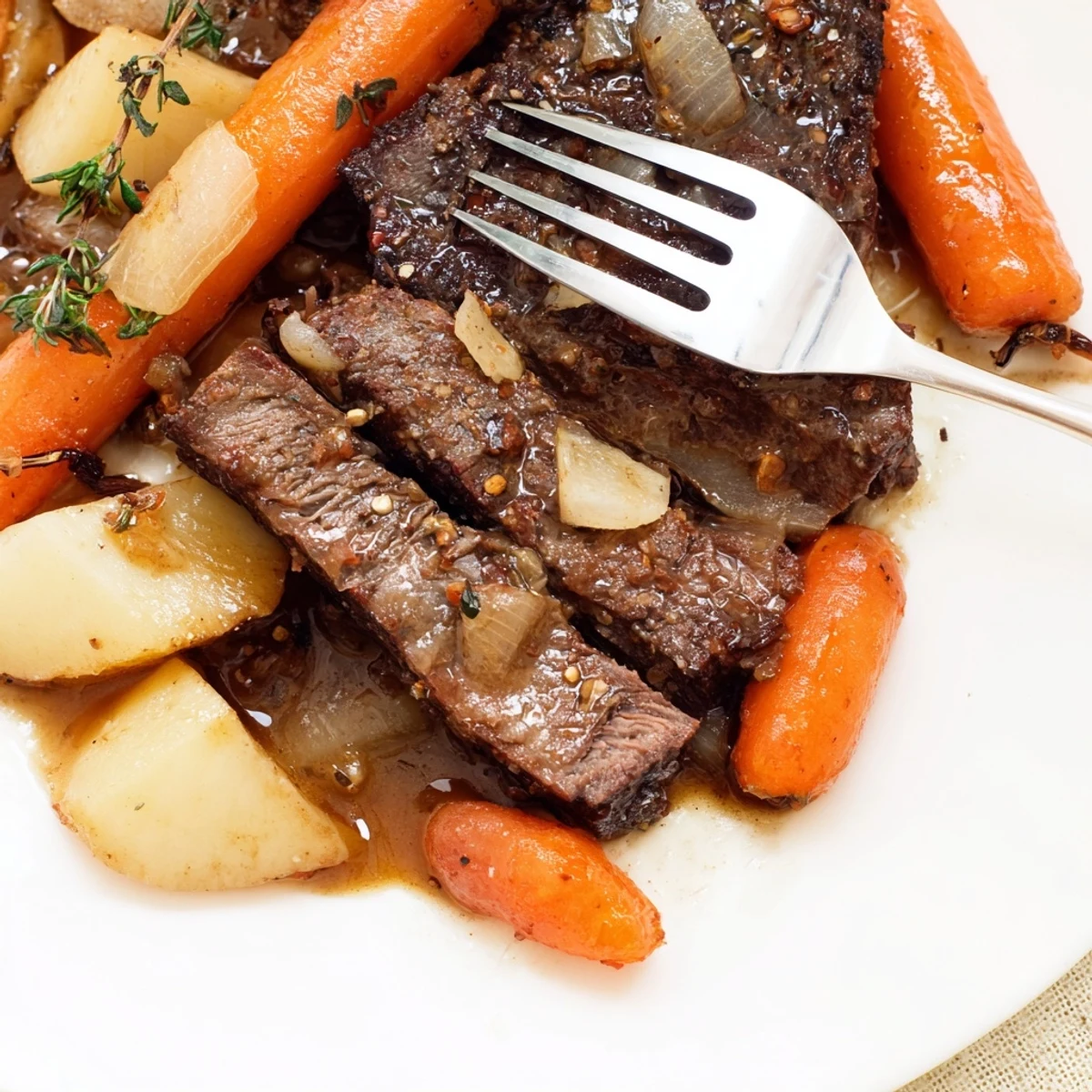
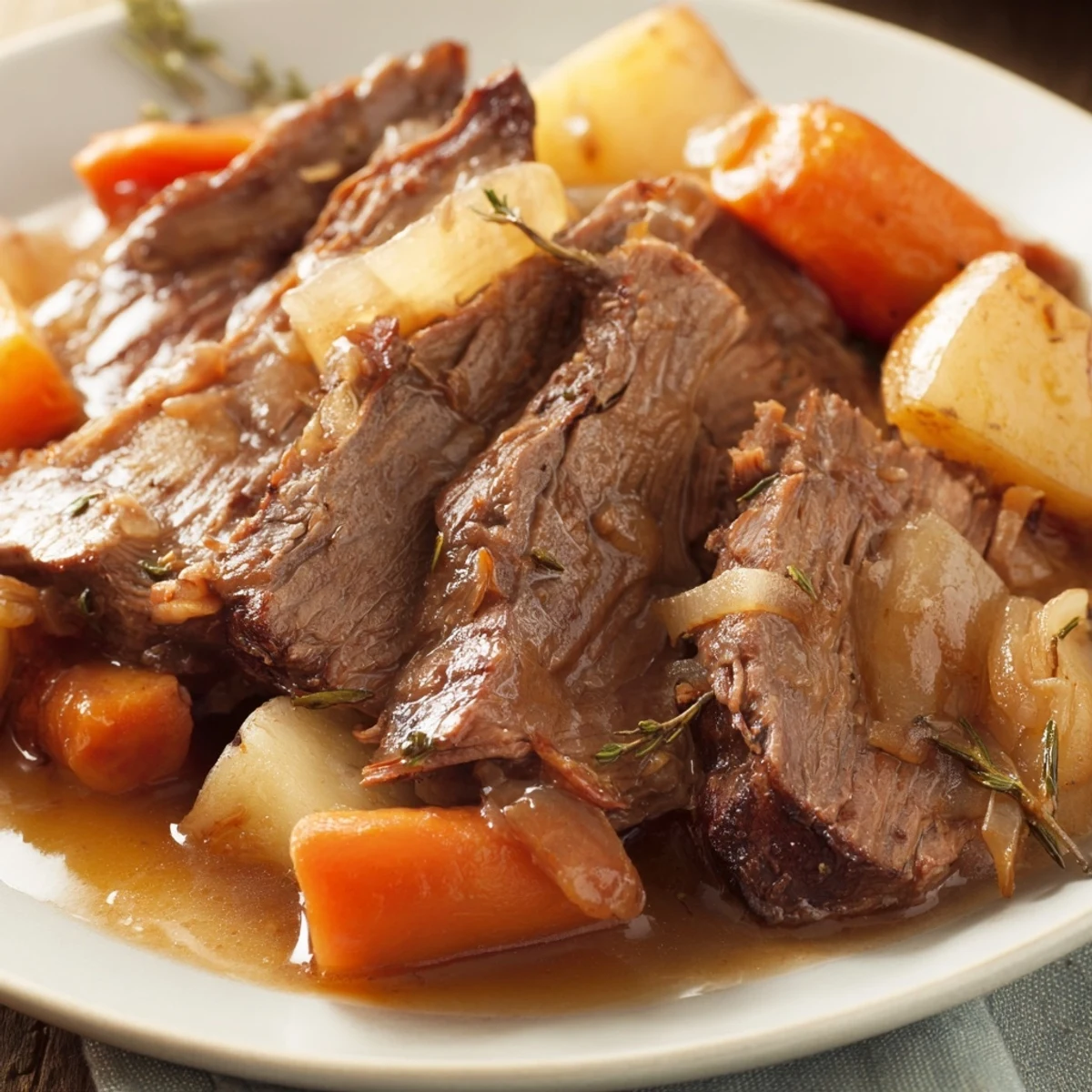
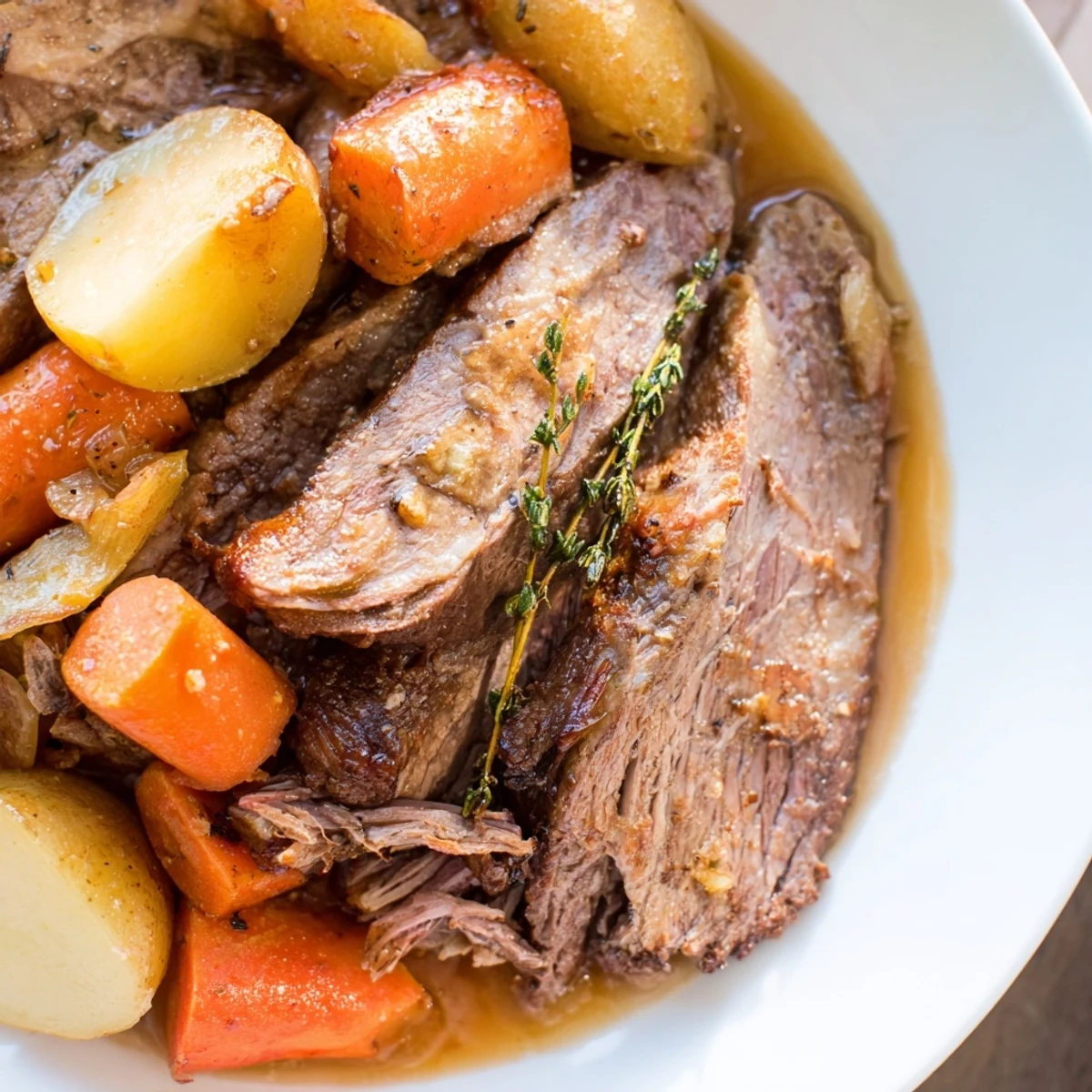
 This slow-cooked beef chuck roast becomes tender and flavorful after hours of gentle cooking with aromatic herbs like thyme and rosemary. Paired with hearty vegetables such as carrots, potatoes, celery, and onion, it creates a comforting, melt-in-your-mouth dish. The beef is seared first to lock in juices, then cooked with garlic and bay leaves in a savory broth enhanced by Worcestershire sauce. Perfectly balanced seasoning and slow heat yield a satisfying main dish ideal for any occasion.
My father had a saying about Sunday dinner: the best meals are the ones that don't demand your attention all day. That's exactly what this slow cooker roast became for our family—the kind of dish you set going in the morning, and by evening, your whole house smells like a warm hug. The first time I made it without my dad watching over my shoulder, I was terrified I'd somehow ruin something so simple, but those eight hours of low heat did all the heavy lifting, turning tough chuck into something so tender it practically dissolved on your fork.
I made this for my best friend the winter she was going through a rough patch, and she sat at my kitchen counter with a cup of coffee while I prepped the vegetables. She watched me sear that roast, heard the sizzle and smelled that caramelized crust, and suddenly she was asking questions about cooking instead of worrying about her troubles. Eight hours later, we were eating something so comforting and real that the whole day shifted.
Ingredients
- Beef chuck roast (1.5 kg): Chuck is absolutely the right cut here—it's marbled with fat that renders into silky tenderness rather than drying out, and the slow cooker is its ideal home.
- Olive oil (1 tbsp): Just enough to get a proper sear on the meat, which builds deep flavor before everything else goes in.
- Carrots, potatoes, celery, and onion: These aren't just filler; they break down and thicken the broth while adding sweetness and body that make the whole dish sing.
- Garlic (3 cloves, minced): Fresh garlic scattered on top stays bright and aromatic rather than turning bitter from hours of cooking.
- Beef broth (2 cups): Use good broth here—it's the foundation of your sauce, and it makes a real difference in the final taste.
- Worcestershire sauce (1 tbsp): A small splash adds umami depth that makes people ask what your secret ingredient is.
- Salt, pepper, thyme, rosemary, and bay leaves: Classic combinations for a reason; these herbs work together like an old jazz trio, each player knowing exactly when to come in.
Instructions
- Dry and season the beef:
- Pat your roast completely dry with paper towels—moisture is the enemy of browning. Season generously on all sides so every edge gets its proper coat.
- Build the crust:
- Heat that skillet until it's almost smoking, then lay the roast in with a confident motion. Let it sit without moving for 2–3 minutes per side until you see a dark, crusty edge forming; this is where the magic starts.
- Prep your vegetables:
- Chop everything into roughly the same size so it cooks evenly. Don't fuss about uniformity too much, but avoid tiny pieces that will dissolve entirely.
- Layer into the slow cooker:
- Vegetables on the bottom first—they'll cradle the meat and keep it from sticking. Lay the seared roast on top like it's the centerpiece it deserves to be.
- Season and pour:
- Scatter garlic, herbs, and bay leaves over the beef, then pour the broth and Worcestershire down the sides so everything gets incorporated. The liquid should come about halfway up the roast, not submerge it completely.
- Low and slow:
- Cover and set to low for 8 hours. Resist the urge to peek more than once—every time you lift that lid, you're releasing heat and steam that's doing the actual work.
- Finish and serve:
- Fish out the bay leaves, then shred or slice the beef depending on your mood. Spoon that rich, vegetable-studded liquid over everything.
 Pin this
 My neighbor once told me she could smell my slow cooker roast from her kitchen two houses down, and she invited herself over for dinner without asking. There's something almost defiant about that kind of cooking—it announces itself, demands attention, makes people want to be near it. That's when I knew this recipe had become more than just dinner; it was an open invitation.
The Power of Low Heat
Slow cookers are often misunderstood as a shortcut, but really they're about patience and chemistry. The low, consistent heat breaks down collagen in the tough meat fibers, converting it into gelatin that gives the broth body and the meat an almost silky texture you can't achieve any other way. It's not faster cooking; it's different cooking, and it's worth the wait.
Making It Your Own
Once you've made this a few times and trust the process, start experimenting with what goes in. A splash of red wine deepens everything, or swap in parsnips and sweet potatoes if you want something slightly sweeter. The beauty of slow cooking is that it's forgiving—the long, gentle heat mellows flavors together rather than letting them compete.
- Try adding a splash of red wine with the broth for richer complexity.
- Substitute sweet potatoes or parsnips for a sweeter, earthier twist on the classic version.
- Leftovers transform beautifully into sandwiches, stews, or even tacos the next day.
Pairing and Serving
This is the kind of meal that asks for something substantial alongside it—crusty bread for soaking up the gravy, or a simple salad to cut through the richness. A dry red wine like Cabernet Sauvignon sits alongside it perfectly, the tannins matching the deep, savory flavors. Serve it family-style, letting people help themselves to vegetables and meat in whatever proportion feels right.
 Pin this
 This roast has become my answer to almost any dinner dilemma—too busy to cook, need to feed people, want something that tastes like home. Make it once and it becomes the thing you reach for again and again.