
 Pin this
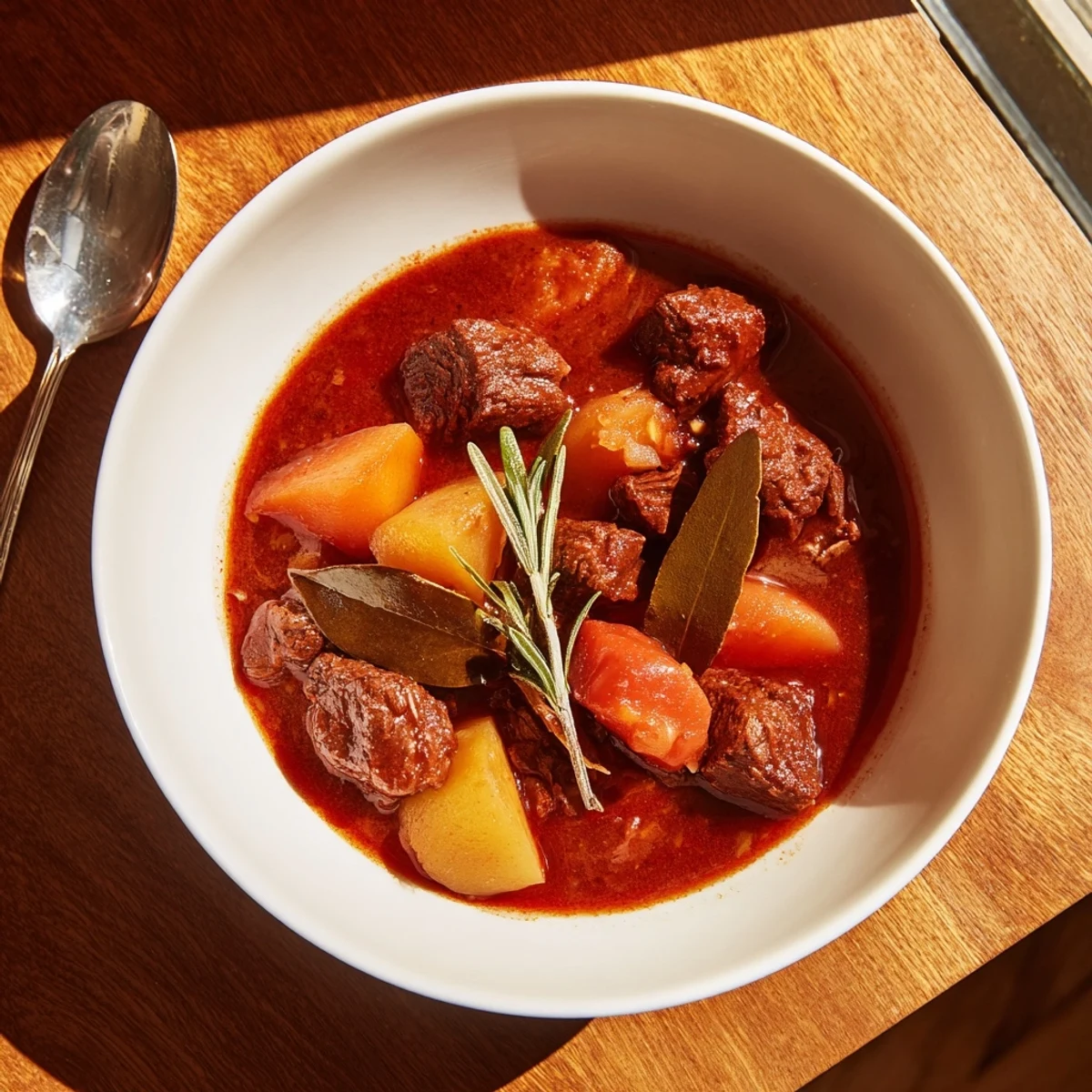
 This traditional Northern Italian dish transforms tough beef chuck into melt-in-your-mouth tenderness through slow braising. The process begins with searing beef cubes to develop deep caramelized flavors, then building a aromatic base with soffritto vegetables.
Red wine deglazing adds complexity while tomatoes provide richness. Two hours of gentle simmering allows the meat to become fork-tender and the sauce to thicken naturally.
The result is a hearty, comforting bowl of tender beef and vegetables in a rich, flavorful sauce. Perfect served with crusty bread or creamy polenta to soak up every drop.
The rain was hammering against the kitchen window so hard that afternoon that I abandoned all plans to go to the market and instead rummaged through the fridge for whatever could sustain a long slow braise. A chunk of beef chuck, some sad looking carrots, half a bottle of red wine from two nights before, and a few wobbly celery stalks somehow became the most fragrant pot of spezzatino I have ever made. There is something about being forced indoors that makes you cook with your instincts instead of a list. That pot bubbled away for over two hours and by the time the rain stopped the whole apartment smelled like a trattoria in Bologna.
I made this for my neighbor Marco once after he helped me carry a bookshelf up three flights of stairs. He sat at my tiny kitchen table, dipped a chunk of bread into the sauce, closed his eyes, and said nothing for about thirty seconds. Then he asked if he could take the remaining portion home to his mother so she would believe him when he described it. I gave him the whole pot and started another one the next morning.
Ingredients
- Beef chuck (800 g, cut into 3 cm cubes): Chuck is the only cut worth using here because the fat and connective tissue melt during the long braise and give you that velvety texture you cannot get from leaner cuts.
- 2 medium onions, finely chopped: Onions form the sweet backbone of the soffritto so do not rush them.
- 2 carrots, sliced: They add natural sweetness that balances the acidity of the wine and tomato.
- 2 celery stalks, sliced: Celery might seem like a background player but it contributes an earthy depth that you would absolutely notice if it were missing.
- 2 medium potatoes, peeled and cubed: Potatoes break down slightly and help thicken the sauce without any flour.
- 2 garlic cloves, minced: Add them late in the soffritto so they perfume the oil without burning.
- 250 ml dry red wine: Use something you would actually drink because you can taste a bad wine in the finished dish.
- 500 ml beef stock: Homemade is ideal but a good quality store bought stock works if you check the salt level.
- 2 tbsp tomato paste: A small amount adds color and a concentrated umami punch that ties everything together.
- 2 tbsp olive oil: Just enough to get a good sear on the beef without smoking up the kitchen.
- 2 bay leaves: Drop them in whole and remember to fish them out before serving.
- 1 sprig fresh rosemary: Fresh rosemary is nonnegotiable here because dried cannot replicate the piney aroma that wafts up when you lift the lid.
- 1 tsp dried thyme: Thyme adds a subtle herbal warmth that complements the rosemary without competing.
- Salt and freshly ground black pepper: Season in layers throughout the cooking process for the best result.
Instructions
- Get a hard sear on the beef:
- Pat the beef cubes dry with paper towels because moisture is the enemy of a good crust. Heat the olive oil in a large heavy bottomed pot over medium high heat until it shimmers then brown the beef in batches so each piece has room to develop a deep golden sear on all sides.
- Build the soffritto:
- Lower the heat to medium and tumble the onions, carrots, and celery into the same pot without cleaning it. Those caramelized bits stuck to the bottom are pure flavor so scrape them up with your wooden spoon as the vegetables soften over about five minutes.
- Wake up the garlic and tomato paste:
- Stir in the minced garlic and tomato paste and let them cook together for two minutes until the paste darkens slightly and you can smell the garlic blooming in the oil.
- Let the wine do its job:
- Pour in the red wine and scrape every last bit of fond from the bottom of the pot. Let it bubble and reduce by half which takes about five minutes and concentrates the flavor so the stew does not taste watery.
- Bring everything together:
- Return the seared beef to the pot along with the potatoes, beef stock, bay leaves, rosemary sprig, thyme, and a generous pinch of salt and pepper. Stir gently so everything is submerged and bring it to a lazy simmer.
- Patience is the secret ingredient:
- Cover the pot with a tight lid and drop the heat to low. Let it burble away for two hours stirring every now and then until the beef yields to gentle pressure and the sauce coats the back of a spoon like gravy.
- Finish and taste:
- Remove and discard the bay leaves and the rosemary sprig. Taste the sauce and adjust the salt and pepper because long cooking can dull seasoning and you want the final bowl to sing.
 Pin this
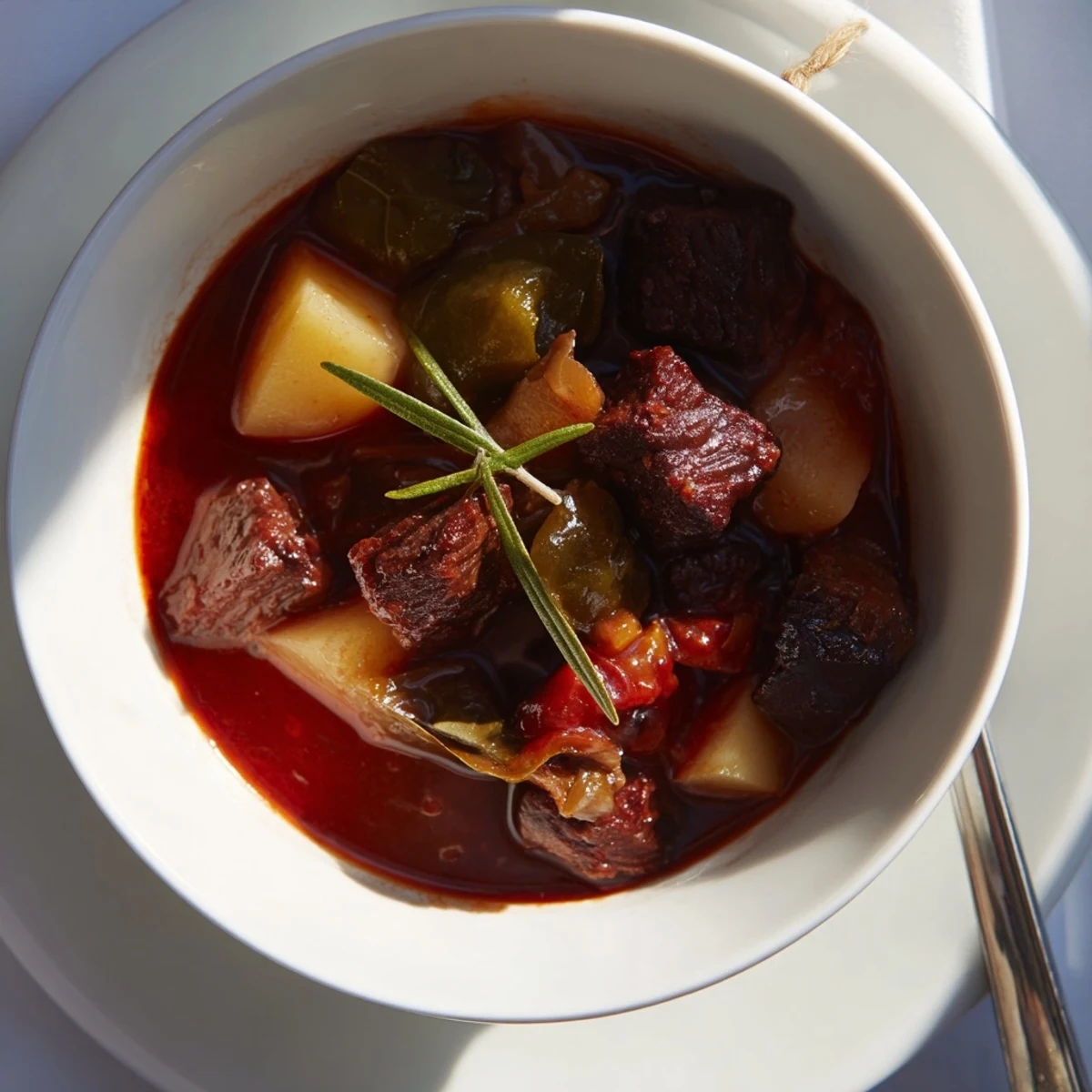
 There was a Sunday in November when I ladled this stew into shallow bowls for three friends who had been hiking in the cold all morning. Nobody spoke while they ate, which is the highest compliment a home cook can receive.
What to Serve Alongside
Polenta is the classic Italian companion and the creamy texture acts like a pillow for the rich sauce. A thick slice of grilled rustic bread rubbed with garlic also does the job beautifully if polenta feels like too much effort. Avoid serving this with anything delicate because the stew will overwhelm it.
Wine Pairing Thoughts
Since you already opened a bottle of dry red for the pot you might as well pour the rest into glasses at the table. A Chianti Classico or a Montepulciano matches the rustic character of the dish without stealing attention from it. Anything too bold or oaky will clash with the gentle herbal notes.
Making It Your Own
Once you have the basic technique locked in this recipe is endlessly adaptable to what you have on hand. A splash of balsamic vinegar added with the wine brings a subtle sweetness and complexity that surprised me the first time I tried it on a whim.
- Peeled pearl onions can replace the chopped onions for a slightly sweeter and more elegant result.
- A handful of frozen peas tossed in during the last ten minutes adds a pop of green and freshness.
- Always taste before serving because the difference between a good stew and a great one is usually just a pinch more salt.
 Pin this
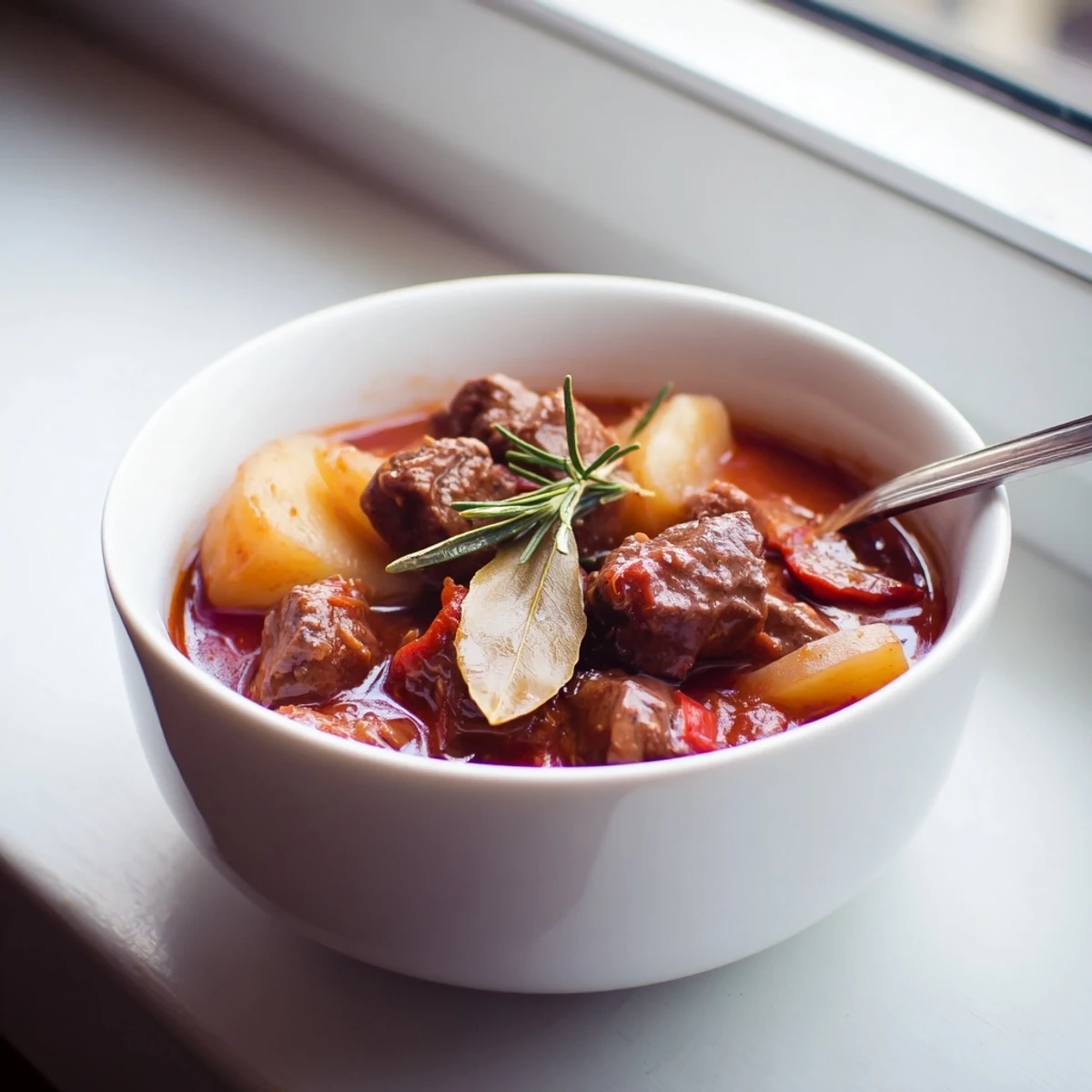
 Some recipes are just dinner but this one is the kind of meal that fills your kitchen with warmth and pulls people to the table before you even call them. Keep it in your back pocket for the first cold evening of the year and you will understand why Italian grandmothers have been making it for generations.
Recipe FAQs
- → What cut of beef works best for spezzatino?
-
Chuck or shoulder cuts are ideal because they contain connective tissue that breaks down during long cooking, becoming tender and adding richness to the sauce.
- → Can I make this in advance?
-
Absolutely. Like most braised dishes, spezzatino tastes even better the next day as flavors have time to meld. Reheat gently on the stove.
- → What should I serve with Italian beef stew?
-
Rustic bread, polenta, or mashed potatoes are classic accompaniments. For a lighter option, serve with roasted vegetables or a simple green salad.
- → How do I know when the beef is done?
-
The beef should be fork-tender, easily breaking apart with slight pressure. If it still feels chewy, continue simmering and check every 15 minutes.
- → Can I use white wine instead of red?
-
While red wine is traditional and provides deeper flavor, white wine works if that's what you have. The dish will have a lighter color and slightly different flavor profile.
- → Is this suitable for freezing?
-
Yes, spezzatino freezes beautifully for up to 3 months. Cool completely before transferring to airtight containers. Thaw overnight in the refrigerator before reheating.