
 Pin this
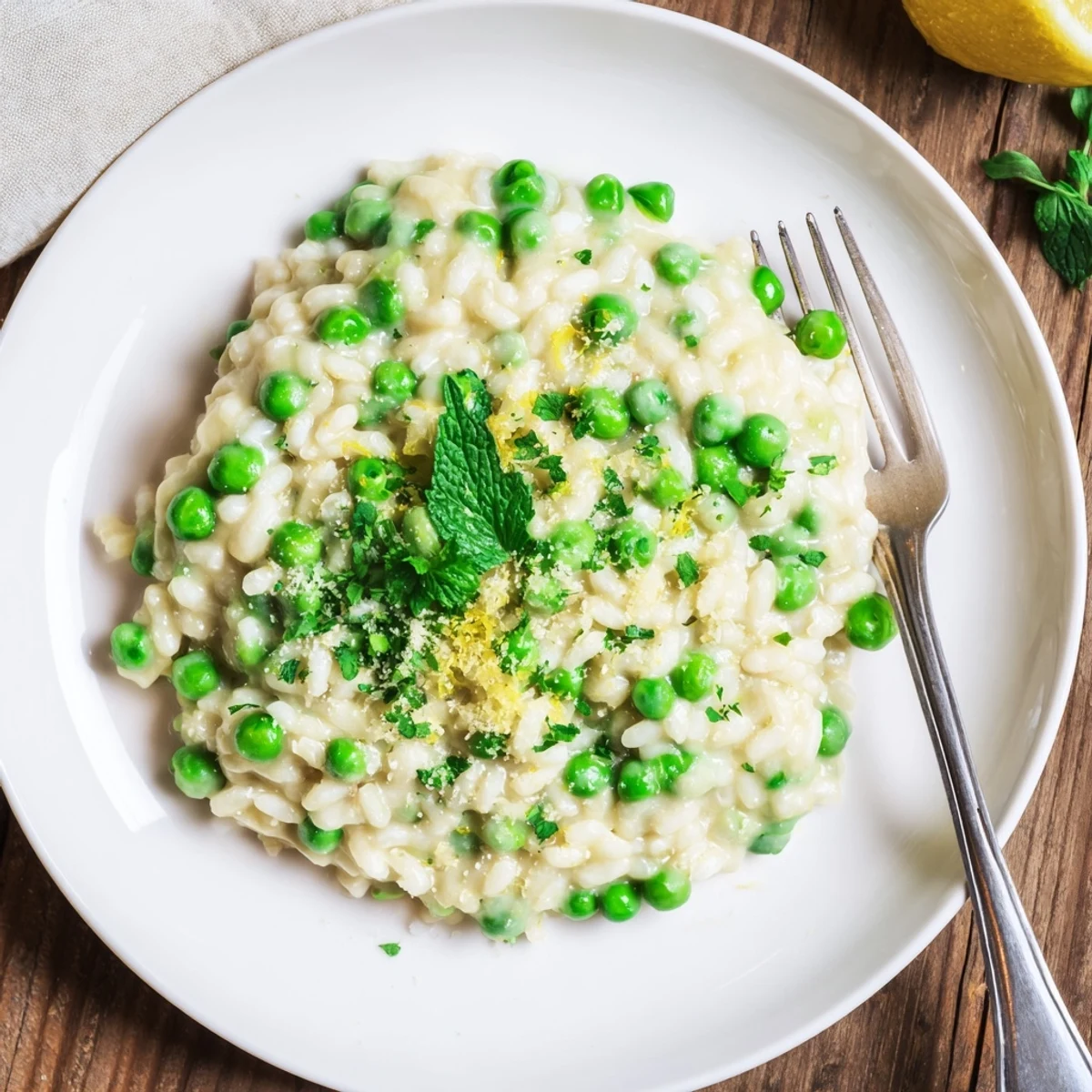
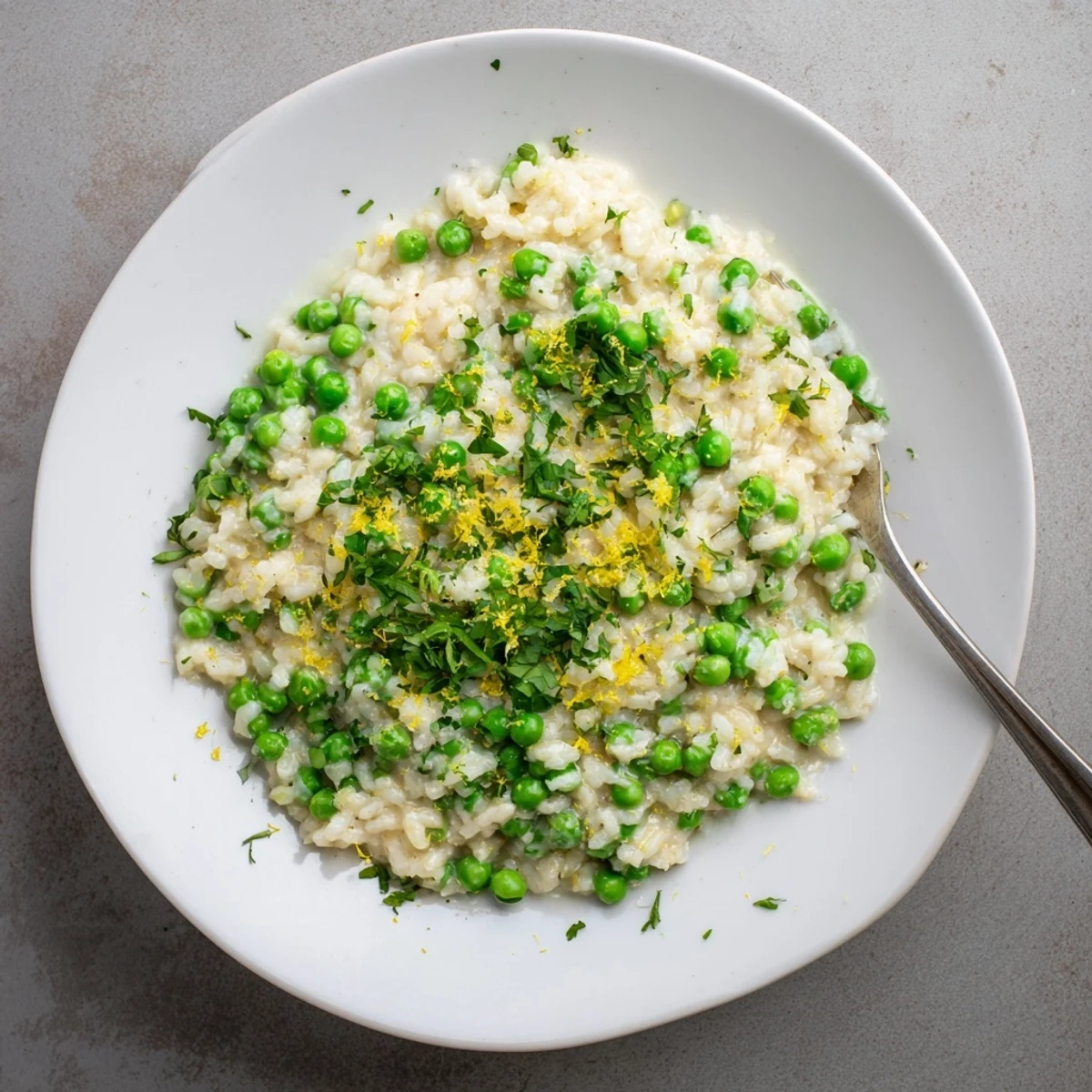
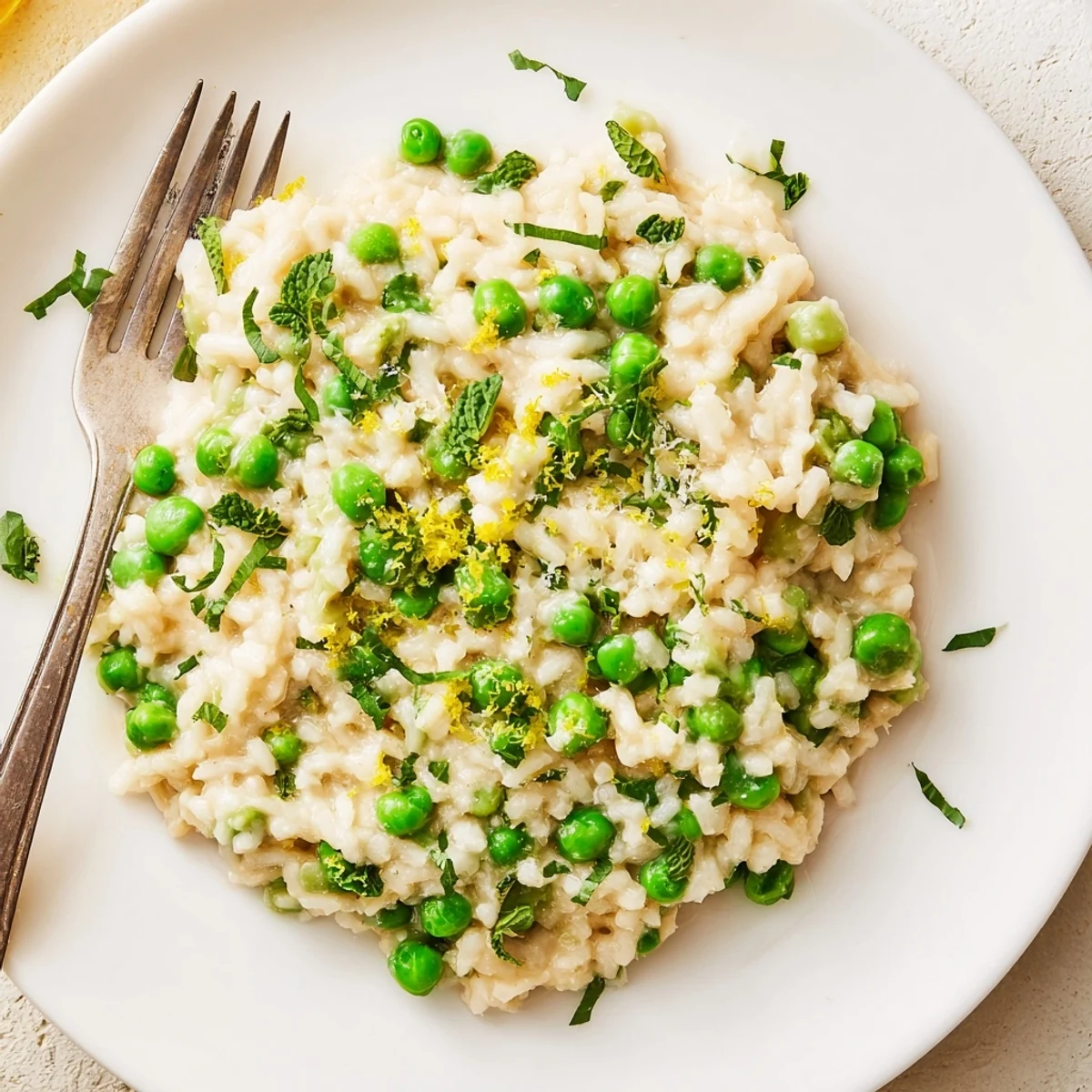
 This vibrant Italian dish transforms Arborio rice into a creamy, luxurious texture through the traditional slow-cooking method. Sweet spring peas add bursts of freshness and color, while finely chopped onion and garlic build aromatic depth. The rice is gradually cooked with warm vegetable broth and white wine, creating that signature creamy consistency without heavy cream. Fresh parsley and optional mint bring bright herbal notes that complement the sweetness of the peas. A finishing touch of butter and Parmesan cheese adds richness and umami flavor. Optional lemon zest brightens the entire dish, making it perfect for spring dining.
I stumbled upon this risotto during an impromptu dinner with my sister last April. She'd grabbed a bag of fresh peas from the farmers market and challenged me to make something that wasn't pasta. The bright green color against the creamy rice made the whole table light up somehow.
My friend Marco taught me that risotto needs patience more than technique. We made six batches one rainy Sunday, testing different stirring methods, until we realized the real secret was simply staying present with the pot.
Ingredients
- 1 cup fresh or frozen spring peas: These little gems bring natural sweetness and pop of vibrant color to every bite
- 1 small onion, finely chopped: Creates the aromatic foundation that builds depth as it cooks down
- 2 cloves garlic, minced: Add this just before the rice to prevent burning and release maximum fragrance
- 2 tablespoons fresh parsley, finely chopped: Brings a fresh herbal brightness that balances the richness
- 1 tablespoon fresh mint, finely chopped: An unexpected addition that makes the peas sing and cuts through creaminess
- 1 1/2 cups Arborio rice: This short-grain rice releases starch slowly, creating that signature velvety texture
- 4 cups vegetable broth, kept warm: Cold broth shocks the rice and ruins the creamy consistency
- 3 tablespoons unsalted butter, divided: One tablespoon starts the base, two finish with luxurious silkiness
- 1/2 cup grated Parmesan cheese: Adds umami depth and helps bind the rice into a cohesive dish
- 1/2 cup dry white wine: Acid cuts through fat and adds subtle complexity
- 2 tablespoons olive oil: Prevents butter from burning and adds fruity notes
- Salt and freshly ground black pepper: Taste repeatedly as seasoning develops throughout cooking
- Zest of 1 lemon: The essential finishing touch that wakes up all the other flavors
Instructions
- Warm the broth:
- Keep your vegetable broth at a gentle simmer in a separate pan so it's ready when you need it
- Build your base:
- Heat olive oil and one tablespoon butter in a heavy pan, cook onion until soft and translucent, then add garlic for just one minute
- Toast the rice:
- Add Arborio rice and stir for two minutes until grains look slightly translucent around edges
- Deglaze with wine:
- Pour in white wine and stir until almost completely absorbed
- Add broth gradually:
- Add one ladleful at a time, stir until nearly absorbed before adding the next
- Add the peas:
- Drop them in during the last five minutes of cooking so they stay tender and bright green
- Finish with love:
- Remove from heat, stir in remaining butter, Parmesan, herbs, and lemon zest
 Pin this
 This became my go-to dish for first dinner parties. Something about stirring the pot feels meditative, and guests always seem to linger in the kitchen watching the transformation.
Making It Your Own
Once you master the basic technique, risotto becomes a canvas for whatever the season brings. I've made versions with asparagus in spring, roasted tomatoes in summer, and butternut squash when the weather turns cold.
The Wine Question
Use a wine you'd actually drink since the flavor concentrates as it reduces. I keep a box of inexpensive but decent white wine specifically for cooking—its always ready and stays fresh longer.
Getting That Restaurant Texture
The difference between good risotto and great risotto comes down to the final two minutes. That's when the butter and cheese work their magic, turning what looked like wet rice into something velvety and luxurious.
- Let the risotto rest for two minutes off heat before serving
- Have all finishing ingredients prepped and ready before you start
- Always warm your serving bowls—cold food kills the experience instantly
 Pin this
 Risotto waits for no one, but that's part of its charm. Serve it straight from the pot and watch people fall silent at the table.
Recipe FAQs
- → Why is Arborio rice essential for risotto?
-
Arborio rice contains high starch content that releases during cooking, creating risotto's signature creamy texture. The short, plump grains maintain structure while becoming tender throughout the slow cooking process.
- → Should I use fresh or frozen peas?
-
Fresh spring peas offer the sweetest flavor and brightest color when in season. Frozen peas work beautifully year-round and actually require no additional preparation time since they cook quickly in the hot risotto.
- → Do I need to constantly stir the risotto?
-
Frequent stirring helps release starch from the rice grains and ensures even cooking. You don't need to stir continuously, but regular attention prevents sticking and achieves that creamy consistency.
- → Can I make this risotto vegan?
-
Substitute the butter with olive oil or vegan butter, and replace Parmesan with nutritional yeast or vegan cheese. The result remains creamy and satisfying without any animal products.
- → What wine works best in this risotto?
-
A dry white wine like Pinot Grigio or Sauvignon Blanc adds acidity and complexity. These crisp varieties complement the sweet peas without overpowering the delicate flavors.
- → How do I know when risotto is perfectly cooked?
-
Perfect risotto should be creamy but still have slight texture in the rice center—tender yet with a tiny bite. The grains should swim in their own starchy liquid, not be dry or sticky.