
 Pin this
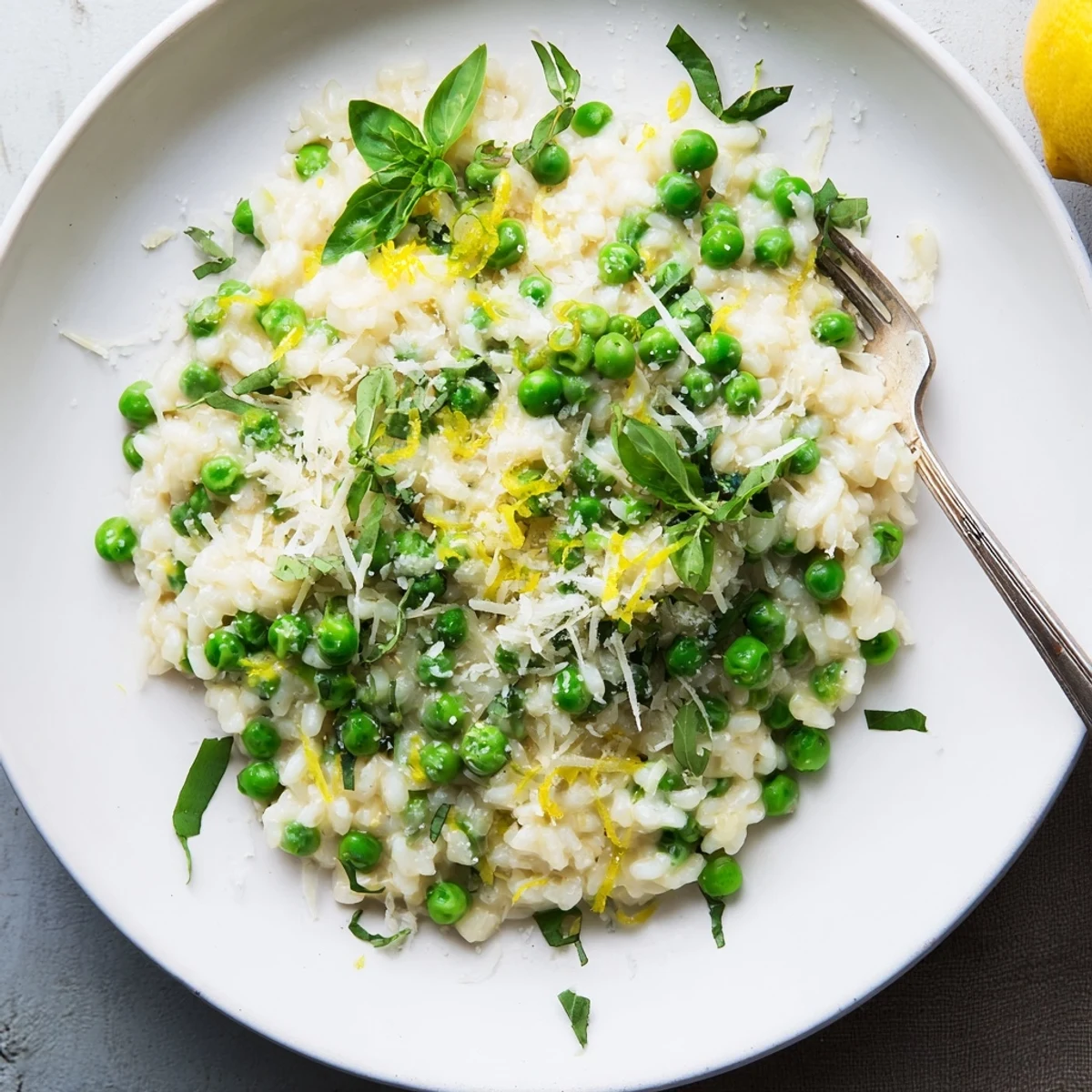
 This vibrant spring risotto combines creamy Arborio rice with sweet peas, nutty Parmesan, and fresh basil for a comforting Italian classic. The dish comes together in 45 minutes, featuring gradually warmed vegetable broth that creates the signature velvety texture. Fresh lemon zest and juice brighten the rich flavors, while optional heavy cream adds extra indulgence. Perfect for weeknight dinners or elegant spring entertaining.
The first time I made risotto properly, I stood at the stove for forty minutes straight, my arm aching from all that stirring, wondering if this was actually how people cooked dinner on a Tuesday night or if I was being overly dramatic about a rice dish. But then that first spoonful hit my tongue—creamy without being heavy, each grain distinct yet swimming in this luxurious emulsion—and suddenly I understood why Italian nonnas have been doing this for centuries. This spring pea version became my go-to when I want something that feels special but doesn't require a culinary degree. The bright green peas and fresh basil make it feel like celebration food, even when it's just a random Thursday.
I made this for my friend Sarah's birthday dinner last spring when fresh peas were popping up at the farmers market. She'd spent three months in Italy during college and kept talking about this risotto she'd had in Milan, so naturally I decided I could recreate it from memory and some internet research. We crowded around my tiny apartment kitchen island, drinking cheap white wine and taking turns stirring while she told stories about getting lost in Florence. When we finally sat down to eat, she took one bite and got quiet—that kind of quiet that means you've done something right.
Ingredients
- Arborio rice: This short grain rice releases starch as it cooks, creating that signature creamy texture that makes risotto so irresistible. Don't try to substitute regular long grain rice here.
- Vegetable broth: Keep it warm in a separate pan so you don't shock the rice with cold liquid. I've learned that low sodium gives you more control over the final seasoning.
- Olive oil and butter: The combination gives you flavor from the butter while the oil prevents it from burning too quickly.
- Yellow onion: Finely diced so it almost melts into the rice. A sweet onion works beautifully here.
- Garlic: Two cloves might seem like a lot, but the mellowing effect of slow cooking makes it perfect.
- Spring peas: Fresh peas during season are a revelation, but frozen peas work surprisingly well. Just don't tell anyone I said that.
- Parmesan cheese: Freshly grated makes a huge difference. The pre grated stuff has anti caking agents that prevent proper melting.
- Heavy cream: Totally optional, but that tablespoon creates an extra luxurious finish. You can leave it out and still have amazing results.
- Fresh basil: The chiffonade cut—thin ribbons—distributes the basil flavor evenly throughout every bite.
- Lemon zest and juice: This brightens everything up and cuts through the richness.
Instructions
- Get your broth warming:
- Pour the vegetable broth into a medium saucepan and set it over low heat. You want it gently simmering, not boiling vigorously, throughout the cooking process.
- Sauté your aromatics:
- In a large heavy skillet or Dutch oven, heat the olive oil and one tablespoon butter over medium heat until the butter foams. Add the diced onion and cook until translucent, about 4 minutes, then stir in the garlic for one more minute.
- Toast the rice:
- Stir in the Arborio rice and cook, stirring constantly, until the grains look slightly opaque around the edges and smell nutty. This takes about 2 minutes and helps the rice hold its texture.
- The slow addition process:
- Add one ladleful of warm broth to the rice, stirring frequently until almost all the liquid is absorbed. Continue adding broth one ladle at a time, letting each addition absorb before adding the next. This gradual process is what creates that creamy texture.
- Add the peas:
- When the rice is almost al dente—it should still have a tiny bit of bite in the center—stir in the peas. Cook for 2 to 3 minutes until they're tender and bright green.
- The finishing touch:
- Remove from heat completely. Stir in the remaining butter, Parmesan, cream if using, basil, parsley, lemon zest and juice. Season generously with salt and pepper.
- Serve immediately:
- Risotto waits for no one. Serve it right away while it's at that perfect creamy consistency, with extra Parmesan and fresh basil scattered on top.
 Pin this
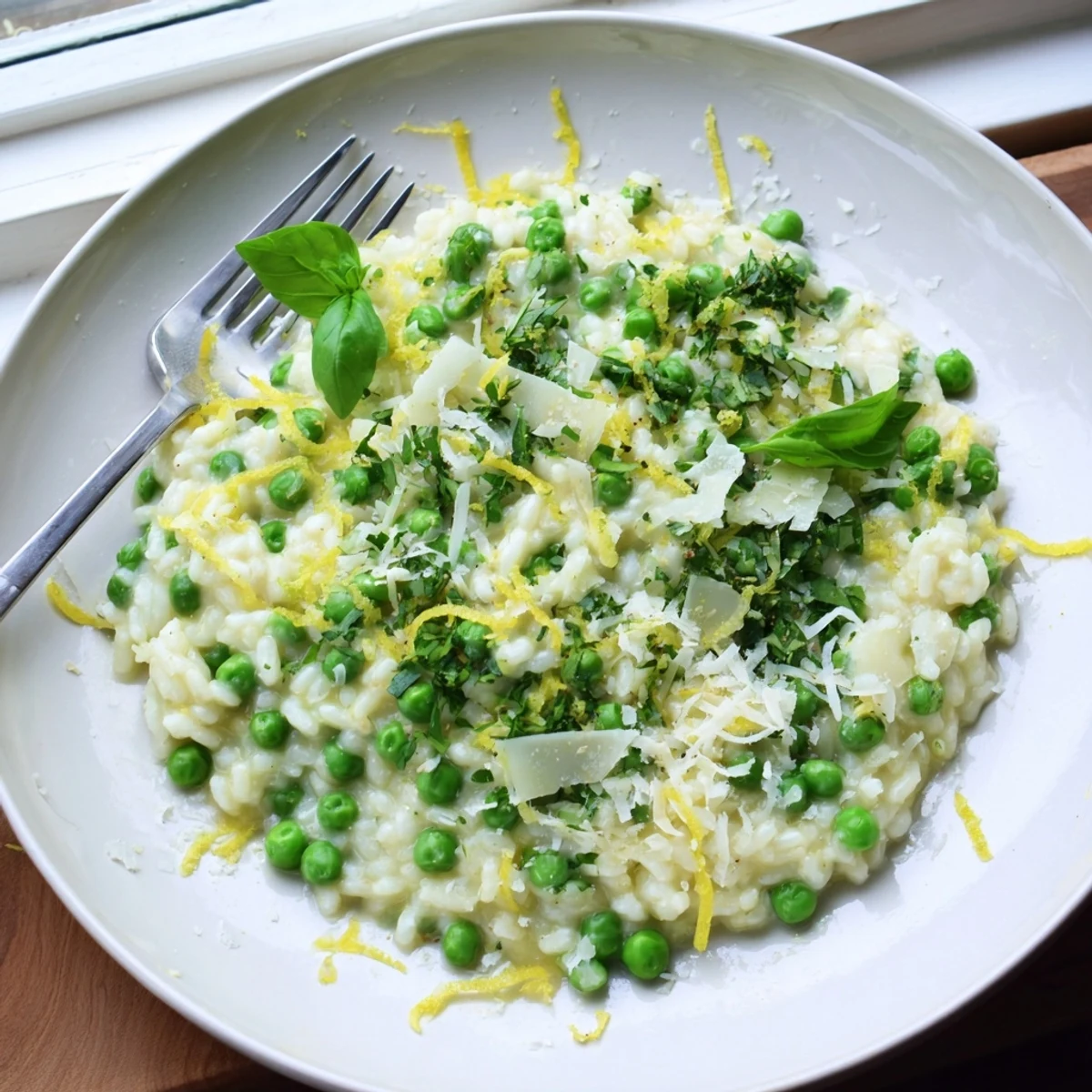
 This risotto has become my answer to the question what should I bring to dinner. People get so impressed by homemade risotto, but really it's just patience and a good podcast. Last month I brought it to a potluck and three people asked for the recipe, which is basically the highest compliment you can give a cook.
Making It Ahead
Risotto purists will tell you it must be served immediately, and they're not wrong about the texture being at its peak right off the stove. However, I've learned you can cook it until it's slightly underdone—just a couple minutes before al dente—then spread it on a baking sheet to cool quickly. When you're ready to serve, reheat with some warm broth and finish with the Parmesan and butter. It's not quite as good as fresh made, but it saves your arm during dinner parties.
Wine Pairing Wisdom
A crisp white wine with good acidity will cut through the creaminess and complement the fresh basil. Sauvignon Blanc is classic, but I've also loved Pinot Grigio and even a dry Riesling. The lemon in the risotto means you want something with enough brightness to match, not an oaky buttery Chardonnay that might get lost.
Vegetable Variations To Try
Once you master the technique, spring peas become just the starting point. Asparagus cut into small pieces works beautifully, or try diced zucchini in summer. In fall, cubes of butternut squash create a sweet and savory version that feels like comfort food. The key is adding sturdy vegetables early and delicate ones late, so everything finishes at the same time.
- Mint instead of basil creates a completely different but equally delicious flavor profile
- A splash of white wine with the first ladle of broth adds depth and complexity
- Top with toasted pine nuts or walnuts for a satisfying crunch
 Pin this
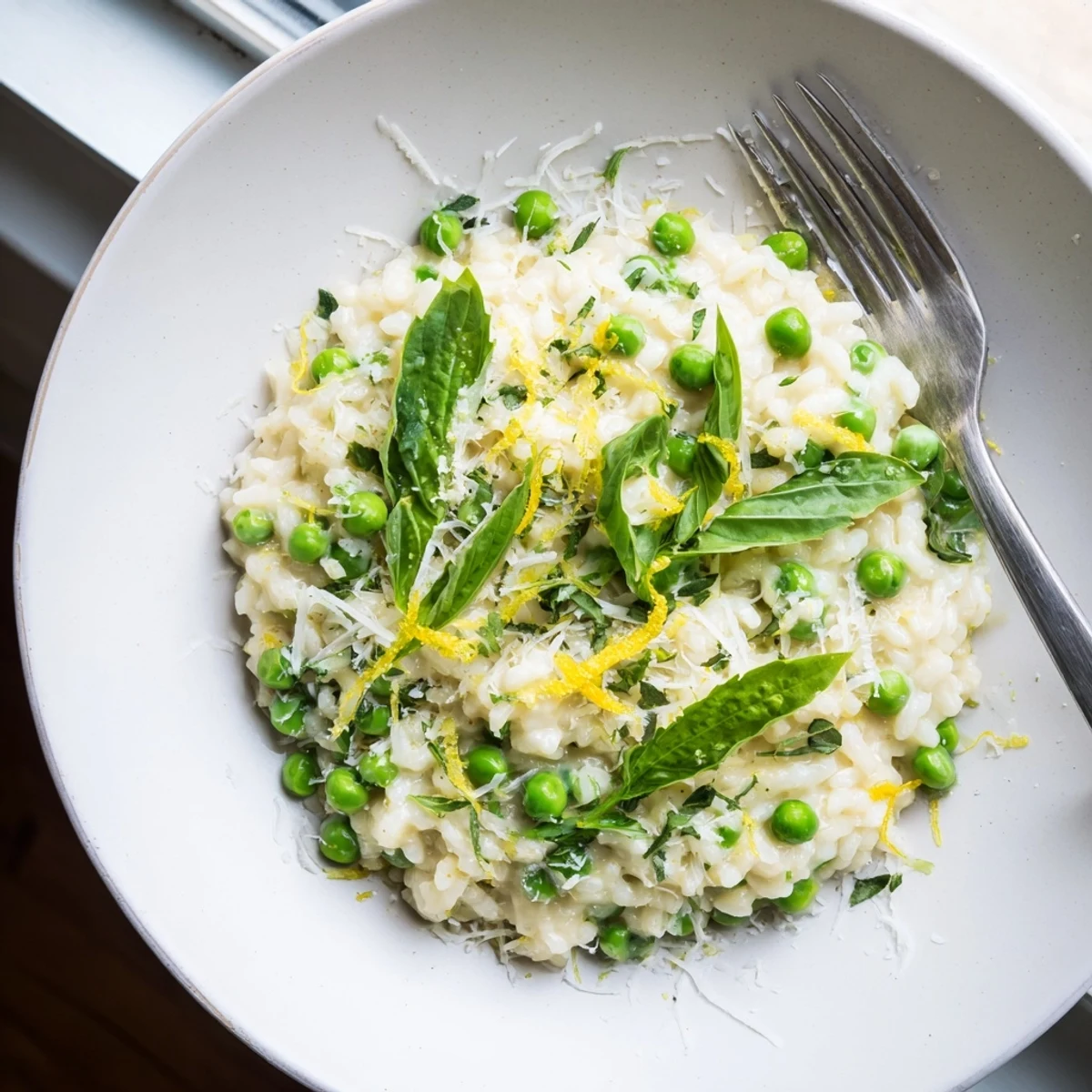
 There's something meditative about standing at the stove, adding broth ladle by ladle, watching the transformation from raw grains to creamy perfection. It's not fast food, but that's kind of the point.
Recipe FAQs
- → What makes risotto creamy without heavy cream?
-
The creaminess comes from slowly stirring warm broth into Arborio rice, which releases its natural starches. This traditional technique creates a velvety texture without needing much dairy.
- → Can I use frozen peas instead of fresh?
-
Absolutely. High-quality frozen peas work beautifully year-round and actually hold their bright green color better than some fresh varieties. Just add them during the last few minutes of cooking.
- → Why must the broth be warm when adding to risotto?
-
Warm broth maintains the cooking temperature and helps the rice cook evenly. Cold broth would shock the rice, interrupting the starch release that creates the creamy texture.
- → How do I know when the risotto is done?
-
The rice should be tender but still have a slight bite in the center—this is called al dente. The texture should be creamy and flow slowly when you tilt the pan, not soupy or stiff.
- → Can I make this risotto vegan?
-
Yes. Substitute vegan butter and vegan Parmesan cheese, then omit the heavy cream. The result will still be creamy and delicious thanks to the rice's natural starches.
- → What wine pairs best with this dish?
-
A crisp Sauvignon Blanc or Pinot Grigio complements the creamy rice and brightens the fresh pea and basil flavors. The acidity cuts through the richness beautifully.