
 Pin this
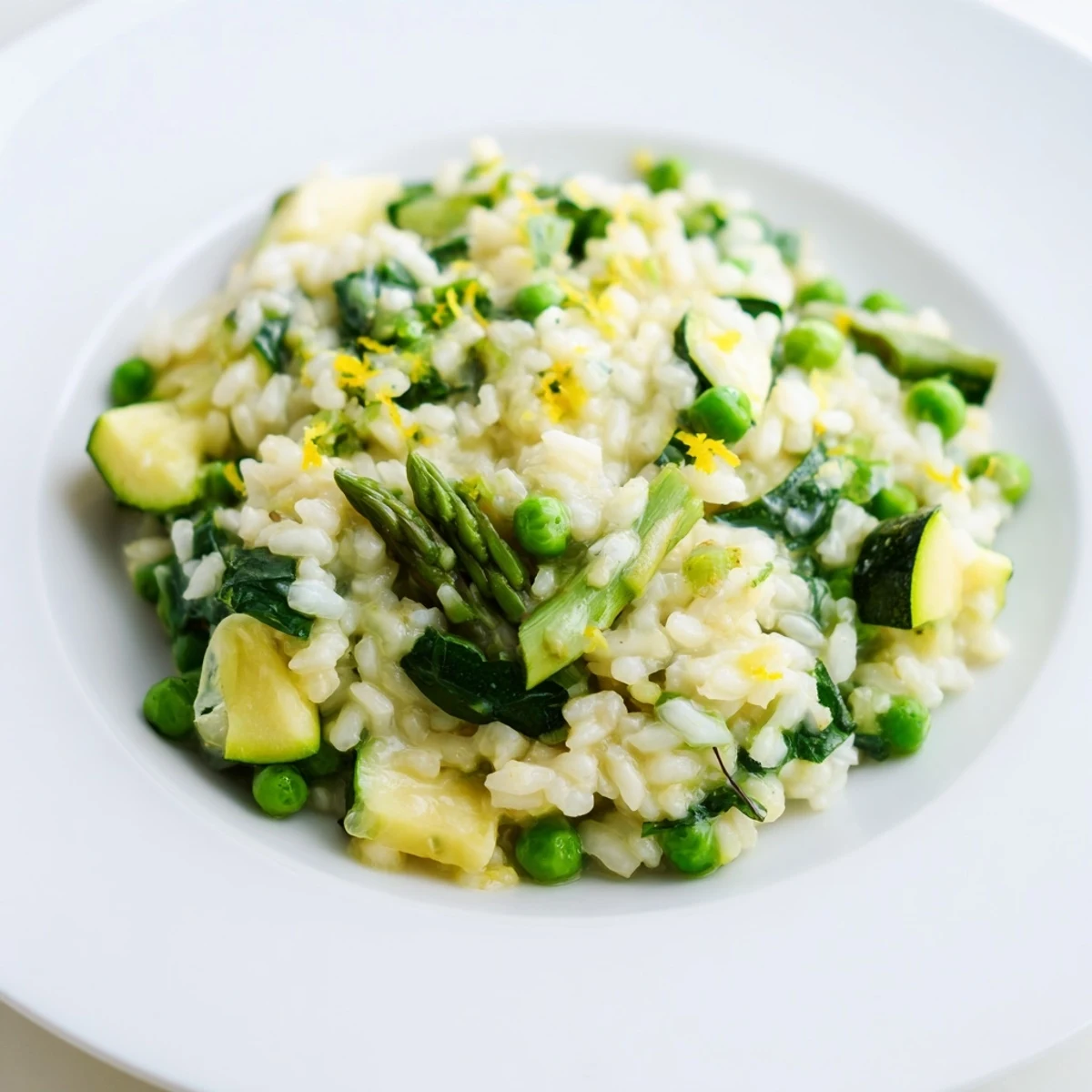
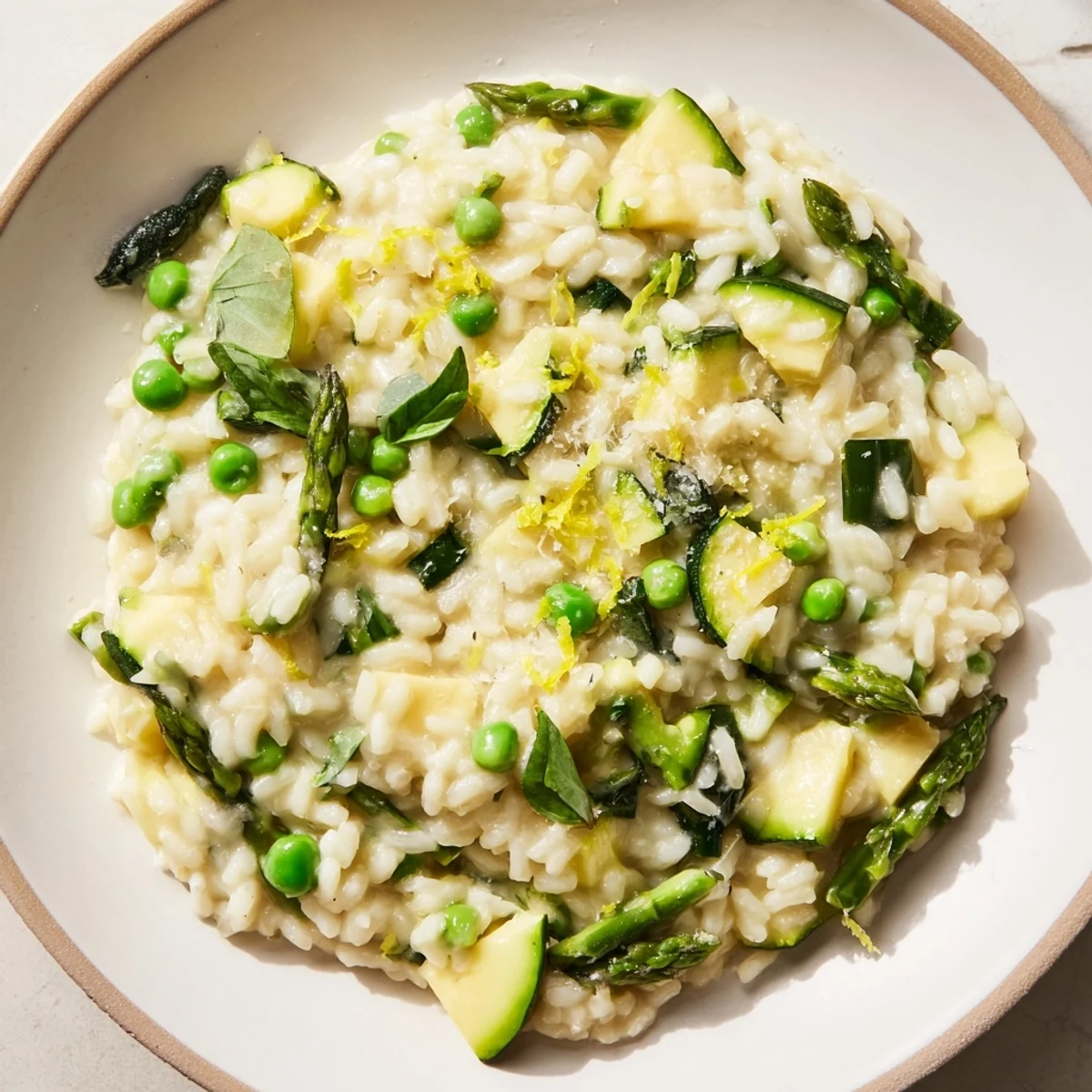
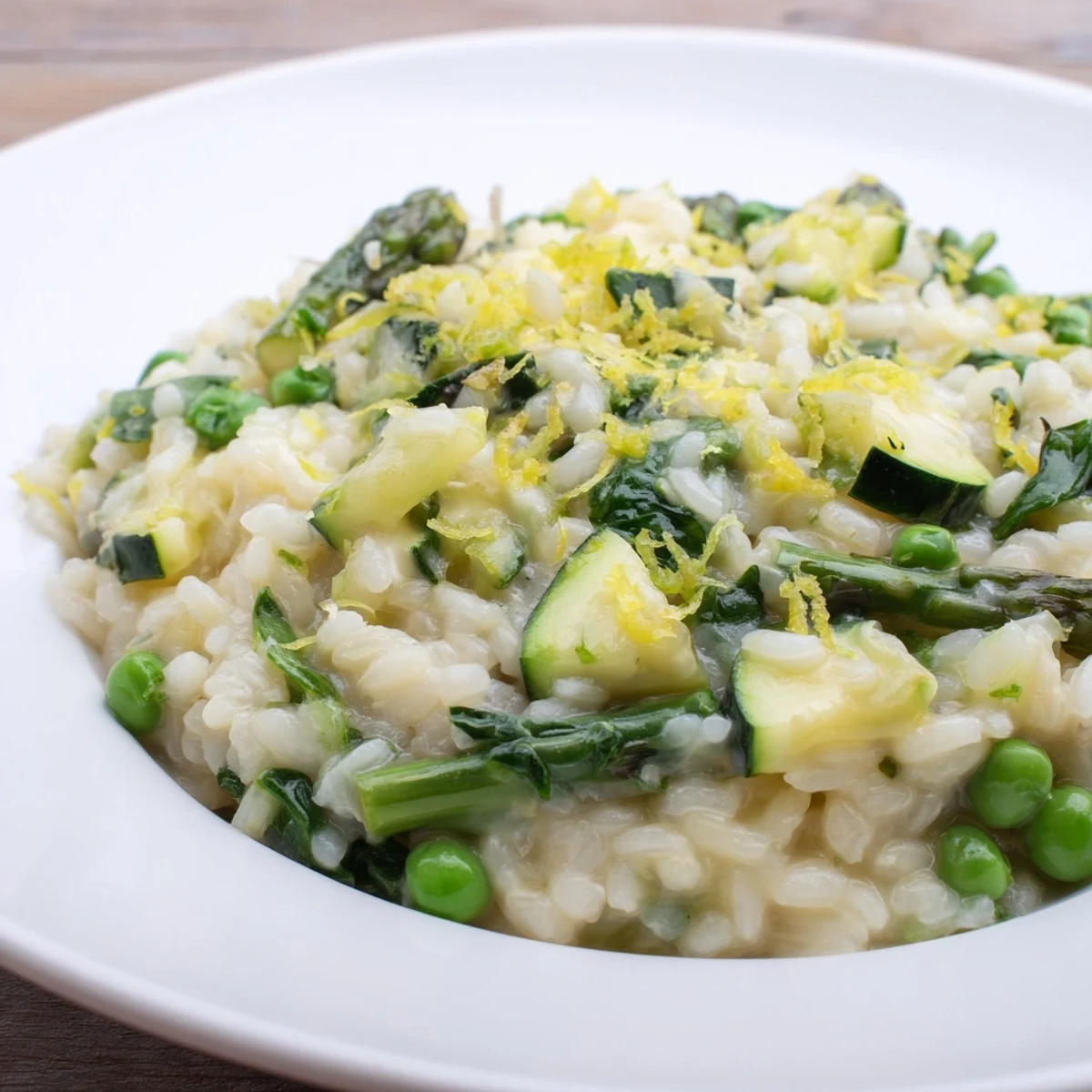
 This dish combines the creaminess of Arborio rice cooked slowly with warm vegetable stock and white wine, enhanced by fresh spring vegetables like asparagus, peas, zucchini, and spinach. A touch of lemon zest and Parmesan adds freshness and depth, enriched with butter and herbs. The process involves gradual adding of stock to achieve a perfectly tender, creamy texture. Ideal for a light yet satisfying meal, its bright flavors evoke the essence of spring.
Spring arrived late that year, and I was craving something that captured all those fresh green shoots finally pushing through the soil. I had a bunch of asparagus from the farmers market that practically demanded to be turned into something comforting yet bright.
My friend Sarah came over for dinner that evening, skeptical about risotto without wine. But when she took that first bite and her eyes went wide, I knew this combination of tender vegetables and bright lemon was something special.
Ingredients
- Asparagus, peas, spinach, and zucchini: These are the stars that make this dish sing with spring flavors. I have learned that cutting the asparagus into uniform pieces ensures even cooking, and the spinach wilts perfectly right at the end.
- Arborio rice: The high starch content creates that signature creamy texture without actually needing much cream. I always give it a quick toast in the pan before adding any liquid.
- Vegetable stock: Keeping it warm is crucial so you do not shock the rice temperature while cooking. I learned this the hard way when my rice turned out gummy and uneven.
- White wine: Adds acidity and depth that balances the richness. If you do not cook with wine, extra stock works fine, though you might want to add a splash of lemon juice.
- Butter and Parmesan: These create the luxurious finish. I use high quality butter because you can really taste the difference in a simple dish like this.
- Lemon zest: The secret weapon that makes everything taste brighter and fresher. Use a microplane to avoid the bitter white pith.
Instructions
- Build your flavor foundation:
- Melt 2 tablespoons butter in a large heavy pan over medium heat. Add the shallot and garlic, letting them soften until translucent and fragrant, about 2 minutes.
- Toast the rice:
- Pour in the Arborio rice and stir for 1 to 2 minutes until the grains look slightly translucent at the edges and smell nutty. This step helps each grain hold its texture.
- Add the wine:
- Pour in the white wine and stir until almost completely absorbed, scraping up any flavorful bits from the bottom of the pan.
- The slow absorption:
- Add one ladleful of warm stock, stirring frequently until nearly absorbed. Continue adding stock one ladleful at a time, letting each addition be absorbed before the next, for about 18 to 20 minutes total.
- Add vegetables at the right time:
- After 10 minutes of cooking, stir in the asparagus and zucchini. With 5 minutes remaining, add the peas and spinach so they stay bright and tender.
- The finish:
- When the rice is creamy and just al dente, remove from heat. Stir in the remaining butter, Parmesan, lemon zest, and parsley. Season generously with salt and pepper.
- Serve with love:
- Plate immediately while the risotto is still flowing and creamy. Top with extra Parmesan and lemon wedges for squeezing over each bowl.
 Pin this
 That spring, this recipe became my go to for impromptu gatherings. Something about the bright lemon and tender vegetables just made everyone feel like winter was finally over.
Timing Your Vegetables
I have found that adding all vegetables at once results in mushy disappointments. The asparagus and zucchini need those extra minutes to become tender, while the peas and spinach practically cook from the residual heat. Stagger them like this and you will get perfect textures in every spoonful.
Making It Your Own
Snap peas work beautifully here, and fava beans add an earthy sweetness that pairs surprisingly well with the lemon. One time I used only asparagus when that was all I could find, and the concentrated flavor was incredible.
Wine Pairings
A crisp white wine mirrors the brightness of the lemon while complementing the creamy rice. Look for something with good acidity to cut through the richness.
- Sauvignon Blanc brings grassy notes that echo the fresh vegetables
- Pinot Grigio is clean and won not compete with the delicate flavors
- A dry rosé adds a lovely pink hue and subtle fruitiness
 Pin this
 This risotto is best eaten the moment it is ready, while the rice is still flowing and the vegetables are at their brightest. Spring waits for no one, and neither should you.
Recipe FAQs
- → What is the best way to achieve creamy risotto texture?
-
Slowly adding warm stock in small amounts while stirring frequently helps the rice release its starch, creating a creamy consistency.
- → Can I use frozen vegetables for this dish?
-
Yes, frozen peas and spinach work well if fresh are unavailable, added during the last minutes of cooking to retain texture.
- → What wine pairs well with spring vegetable dishes?
-
Crisp white wines like Sauvignon Blanc or Pinot Grigio complement the fresh, bright flavors perfectly.
- → How can I make this dish vegan-friendly?
-
Substitute dairy butter with plant-based margarine and use vegan cheese alternatives or nutritional yeast for richness.
- → How do I incorporate lemon zest without overpowering the dish?
-
Add the lemon zest at the end of cooking to provide a fresh, subtle brightness without overwhelming other flavors.