
 Pin this
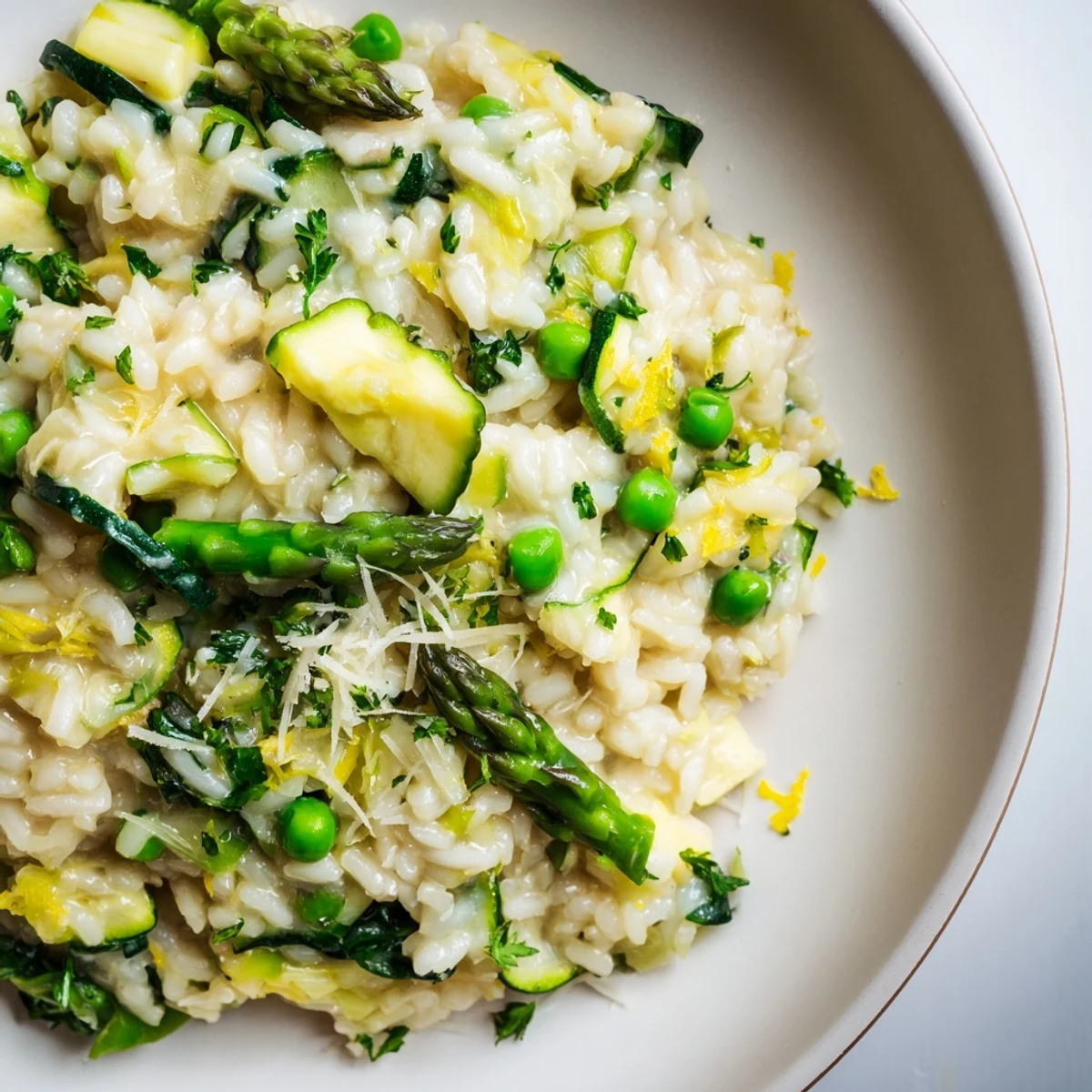
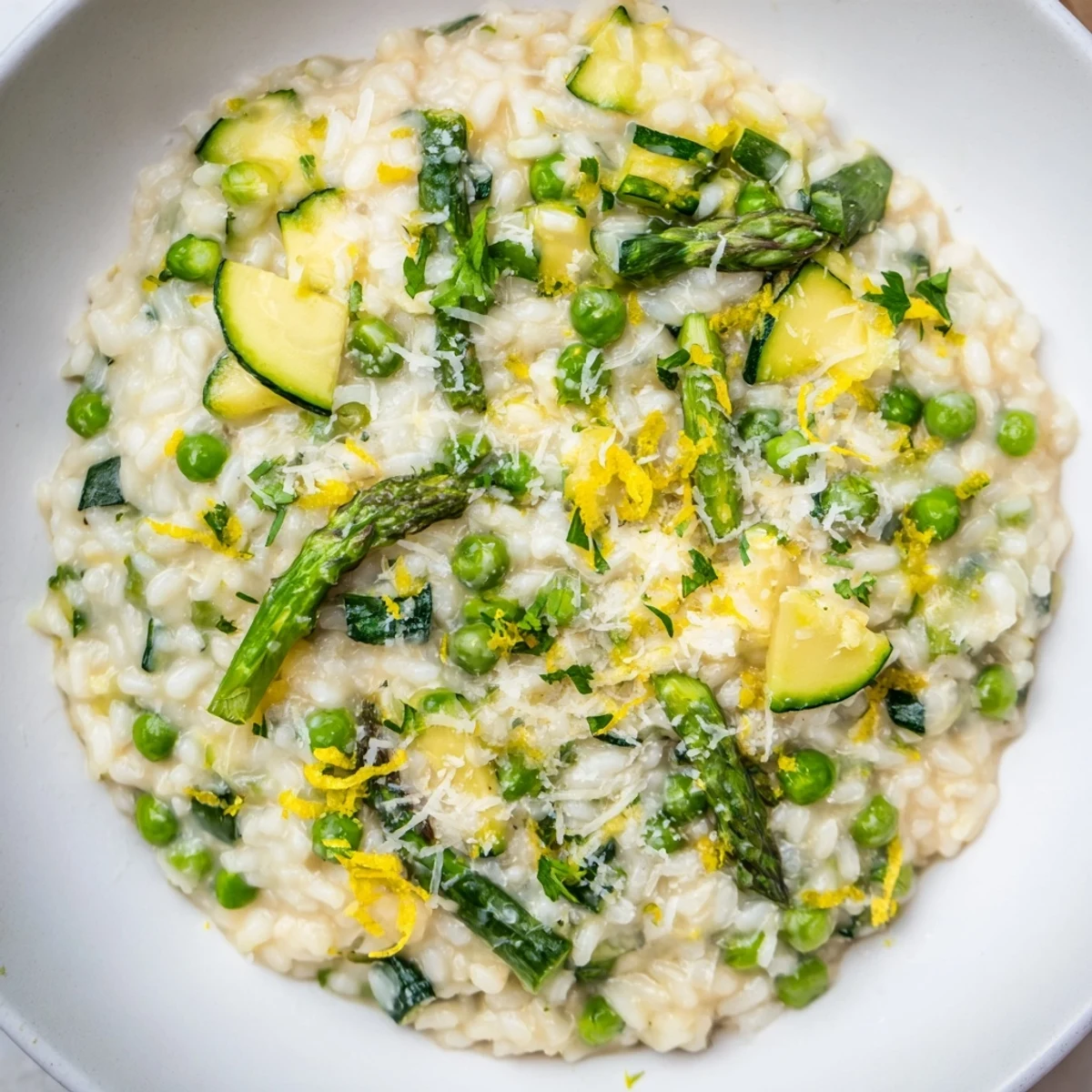
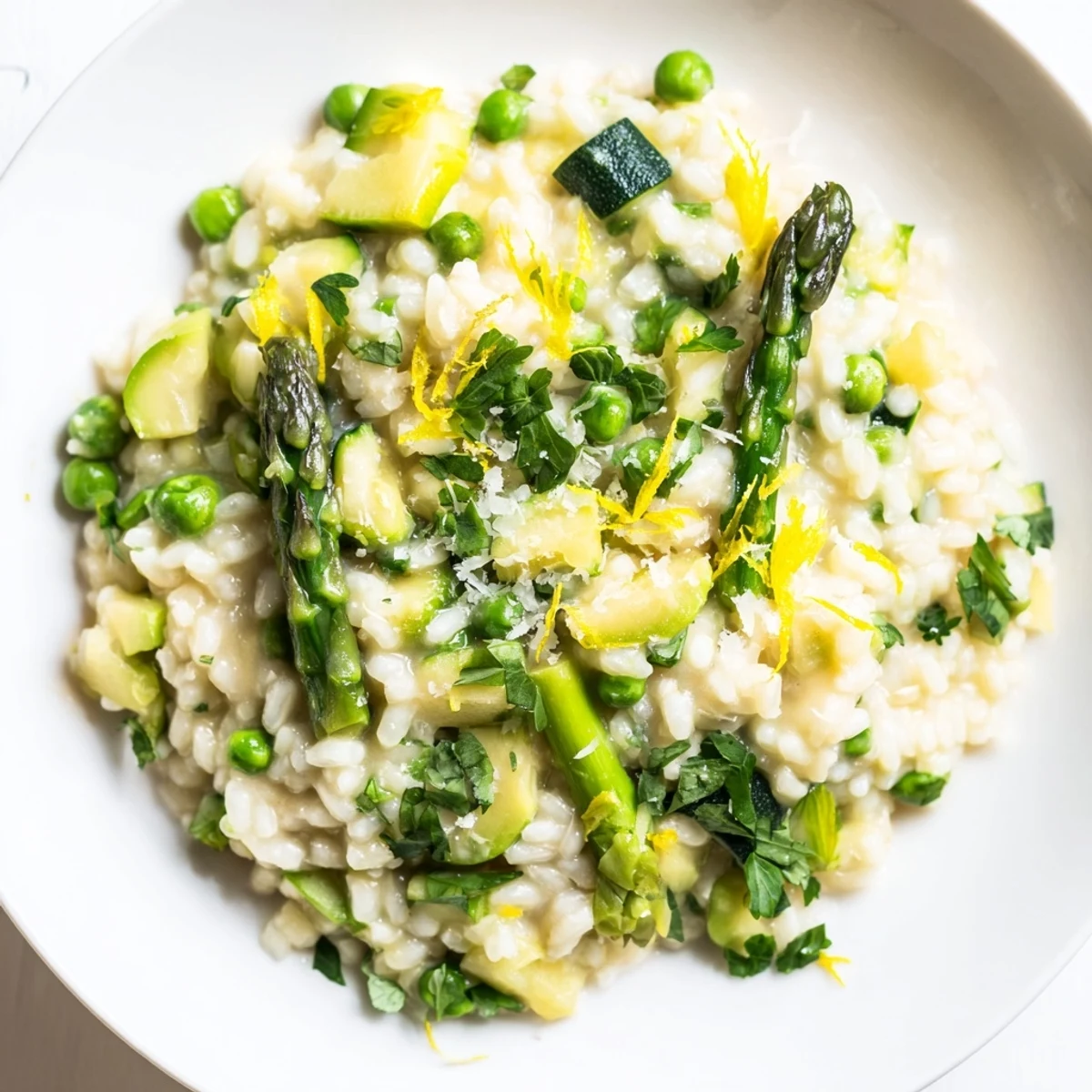
 This creamy risotto highlights tender spring vegetables like asparagus, peas, and zucchini, cooked gently with Arborio rice. White wine adds depth while lemon zest and juice bring a bright, fresh finish. Fresh parsley and Parmesan cheese enrich the flavors, creating a harmonious balance of creamy texture and vibrant ingredients. Perfect for a vegetarian main dish, this risotto offers comforting warmth and seasonal freshness in every bite.
The first time I made risotto, I stood at the stove for forty minutes, convinced I had ruined it completely because it kept looking soupy and strange. My friend's Italian grandmother had been watching, and she finally laughed and said, 'You are trying to control it too much, let the rice tell you what it needs.' That's the moment everything shifted for me with risotto making—it became a conversation rather than a conquest.
Last April I made this for a friend who had just moved into her first apartment with a tiny kitchen and exactly three plates. We ate standing up, balancing our bowls while the rain tapped against her windows, and she kept saying how restaurant quality it tasted despite the plastic bowls and borrowed wooden spoon we were using.
Ingredients
- Arborio rice: The high starch content is what creates that signature creamy texture without any heavy cream
- Asparagus and peas: Spring vegetables that cook quickly and stay tender-crisp in the risotto
- Vegetable stock: The foundation of flavor, keep it warm in a separate pan so you dont shock the rice with cold liquid
- White wine: Adds acidity and depth, but you can skip it and use more stock if needed
- Lemon: Both zest and juice are essential for cutting through the richness
- Butter: One tablespoon to start and one tablespoon to finish for the best texture
- Parmesan cheese: Adds umami and helps bind the risotto together
- Fresh herbs: Parsley brings brightness that complements the lemon
Instructions
- Start your base:
- Heat olive oil and one tablespoon butter in a large heavy-bottomed skillet over medium heat until the butter foams gently.
- Build the flavor foundation:
- Add sliced leek and cook for three to four minutes until softened, then add garlic and diced zucchini for two minutes more.
- Toast the rice:
- Stir in the Arborio rice and cook constantly for one to two minutes until the grains look translucent at the edges.
- Add the wine:
- Pour in white wine and stir until it has mostly disappeared into the rice.
- Begin the rhythm:
- Add warm vegetable stock one ladleful at a time, stirring frequently and letting each addition absorb completely.
- Add the spring vegetables:
- After about ten minutes of adding stock, stir in asparagus and peas and continue the slow process.
- Finish with the delicate greens:
- When the rice is creamy and al dente, fold in spinach and cook until just wilted.
- The grand finale:
- Remove from heat and vigorously stir in remaining butter, lemon zest, lemon juice, Parmesan, and parsley.
- Serve with love:
- Plate immediately while it is hot and creamy, passing extra Parmesan at the table.
 Pin this
 My sister called me from her kitchen across the country last week to say this is the only risotto her children will eat, they call it the happy yellow rice because of all the vegetables.
The Art of Stirring
There is something meditative about the steady rhythm of risotto making, the way you have to stay present at the stove while the grains slowly transform. I learned that constant stirring is not just about preventing sticking, it is about encouraging the rice to release its starch gradually into the liquid, creating that luxurious texture that makes risotto so special. Some nights I pour a glass of wine and put on music, treating the cooking process itself as a moment to slow down.
Choosing Your Vegetables
The beauty of this recipe is how adaptable it is to whatever looks beautiful at the market. I have made it with fava beans when I found them fresh, sugar snap peas when I wanted extra crunch, and even diced bell peppers when I needed color. The key is adding the vegetables at the right time so they end up perfectly tender but still holding their shape.
Making It Your Own
Once you are comfortable with the basic technique, you can start experimenting with different flavor combinations. I love adding fresh mint in place of parsley sometimes for a completely different spring feel, or stirring in some goat cheese instead of Parmesan for a tangier finish. The risotto method remains the same, but you can create entirely different dishes just by swapping a few ingredients.
- Try adding fresh basil leaves at the very end for a completely different flavor profile
- A splash of heavy cream can make it even more decadent if you are feeling indulgent
- Leftover risotto makes incredible arancini the next day, just form into balls and fry
 Pin this
 There is something so satisfying about sitting down to a bowl of risotto you have coaxed into creaminess yourself, knowing you have learned to listen to what the rice needs.
Recipe FAQs
- → What vegetables are ideal for this spring risotto?
-
Asparagus, peas, zucchini, spinach, and leek are perfect choices, providing tender textures and fresh, vibrant flavors.
- → Can I substitute the white wine used in cooking?
-
Yes, if you prefer, replace white wine with additional vegetable stock for similar depth without alcohol.
- → How can I achieve the perfect creamy texture?
-
Adding warm vegetable stock gradually while stirring frequently helps release starch, giving the risotto its signature creamy consistency.
- → Is it possible to make a vegan version?
-
Use plant-based butter substitutes and omit Parmesan or replace it with vegan cheese alternatives to keep it vegan-friendly.
- → What herbs enhance the flavors in this dish?
-
Fresh parsley complements the lemon and vegetables, adding a bright, aromatic finish.