
 Pin this
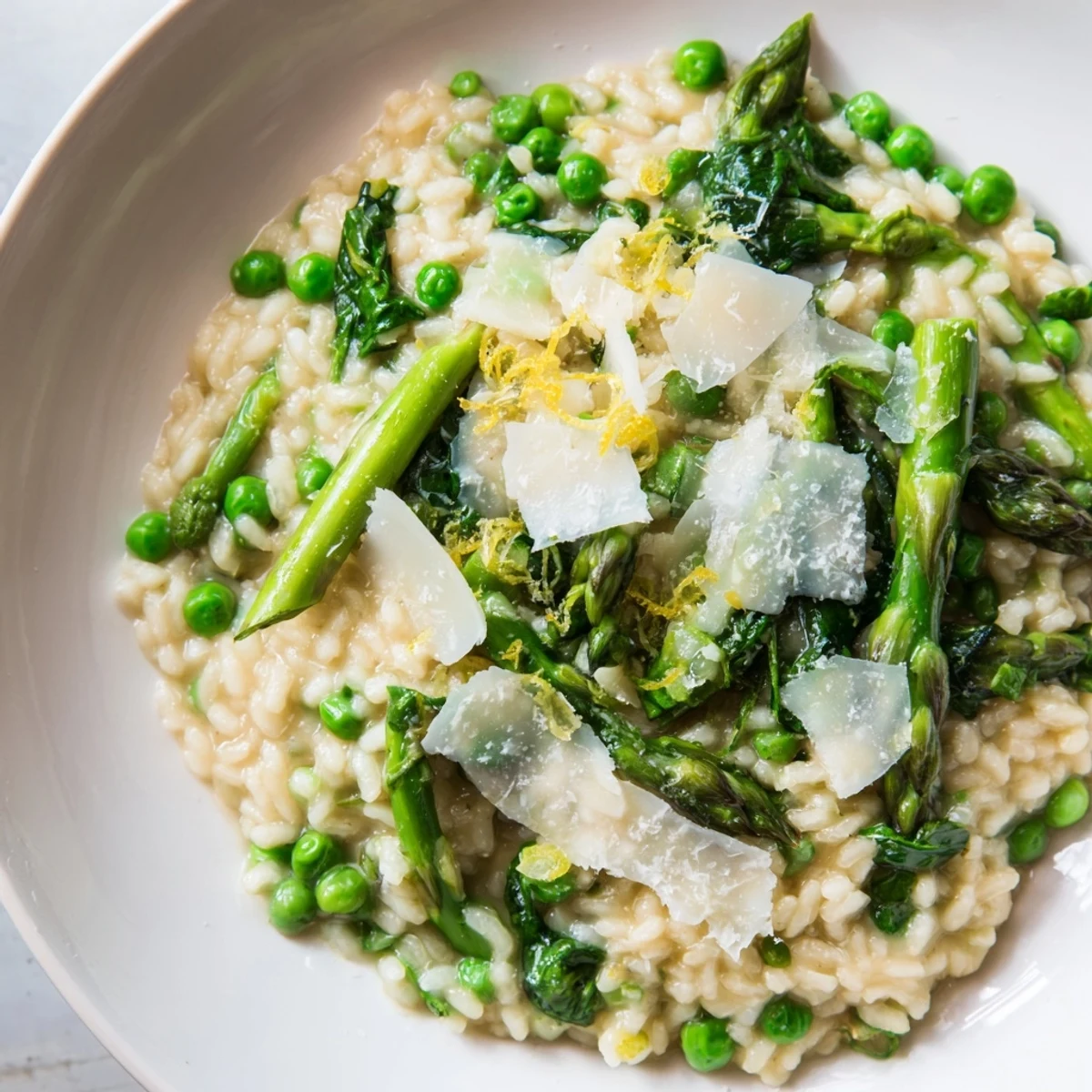
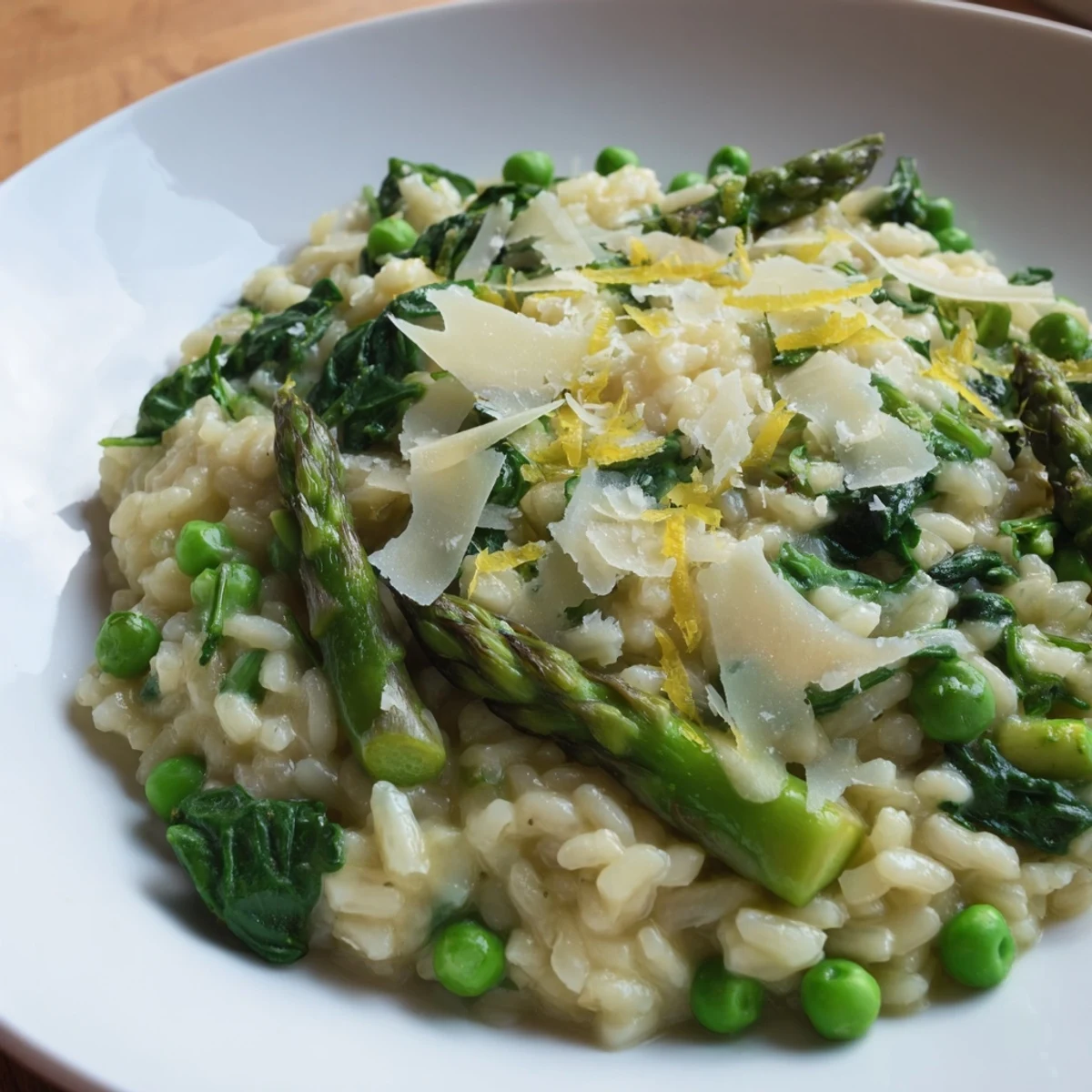
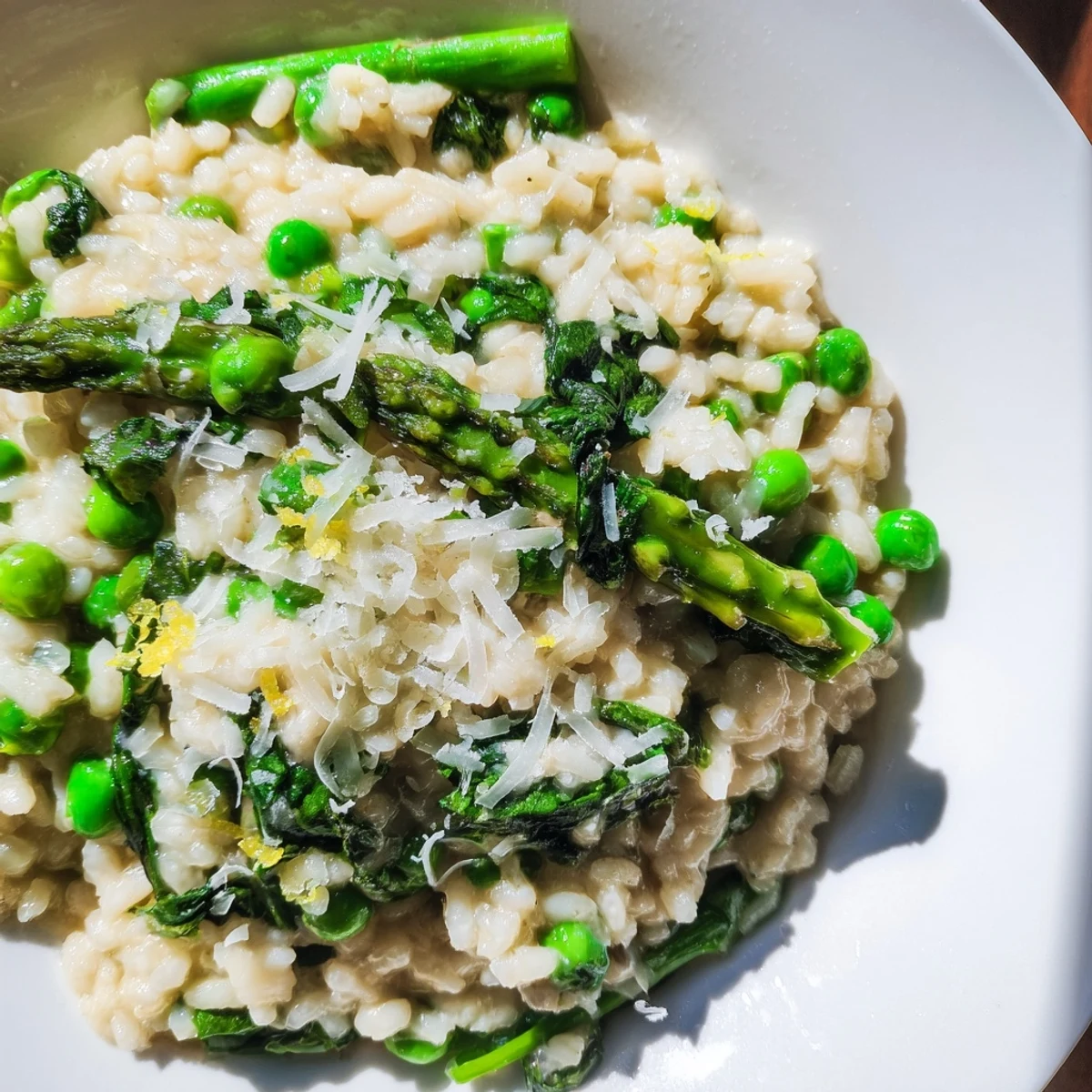
 This dish showcases a creamy risotto studded with tender asparagus, peas, spinach, and leek, gently cooked in warm vegetable stock. The rice absorbs the subtle flavors, while white wine adds depth and brightness. Finished with butter, Parmesan, fresh lemon zest, and parsley, it delivers a refreshing, vibrant meal perfect for a seasonal main. The careful layering of ingredients and gradual stock addition ensures creamy texture and nuanced flavors in every bite.
Last April, my neighbor Sarah brought over a bundle of fresh asparagus from her garden and mentioned risotto. I'd always associated risotto with heavy winter meals, but something about the bright green spears made me reconsider. That evening, as I stirred the rice and watched the vegetables turn the dish into something vibrant and cheerful, I understood why spring risotto is its own category entirely.
I made this for my book club last month when we were all feeling particularly done with winter comfort food. The conversation paused when I brought the pot to the table, everyone leaning in to catch the scent of lemon and fresh vegetables. There's something about a dish that looks this cheerful that makes people smile before they even take a bite.
Ingredients
- Arborio rice: This short-grain rice releases starch slowly, creating that signature creamy texture without actually needing cream
- Asparagus and peas: These are the stars of spring, adding sweetness and bright pops of color throughout the dish
- Lemon zest: Don't skip this, it's what makes the whole dish feel bright instead of heavy
- Vegetable stock: Keeping it warm before adding prevents shocking the rice and helps it cook evenly
- Sliced leek: Milder than onion and adds a subtle sweetness that complements the spring vegetables perfectly
- Baby spinach: Added at the very end so it wilts gently without losing its vibrant green color
- White wine: Adds acidity and depth, but you can use more stock if you prefer to skip alcohol
Instructions
- Get your stock warm:
- Pour the vegetable stock into a saucepan and set it over low heat while you prep everything else. Warm stock incorporates into the rice much better than cold, which can shock the grains and make the texture uneven.
- Sauté the aromatics:
- Melt one tablespoon of butter with the olive oil in your heavy pot over medium heat. Add the shallot, leek, and garlic, cooking for about 3 minutes until they're soft and fragrant but not taking on any color.
- Toast the rice:
- Stir in the arborio rice and let it cook for 1 to 2 minutes, until the grains look slightly translucent around the edges. This step helps the rice hold its texture better during the long cooking process.
- Add the wine:
- Pour in the white wine and stir constantly until it's almost completely absorbed. The smell of the wine cooking off will fill your kitchen and let you know it's time to start adding stock.
- The rhythm begins:
- Add one ladleful of warm stock and stir frequently until the rice has absorbed most of it. This slow, steady addition is what creates that luxurious creamy texture while keeping the grains slightly firm at the center.
- Add the spring vegetables:
- After about 10 minutes of adding stock, stir in the asparagus and peas. They need time to cook through but will stay bright and tender if you add them now rather than at the very end.
- Finish with spinach:
- When the rice is creamy and al dente after about 18 to 20 minutes total, fold in the spinach and stir just until it wilts. This only takes about 30 seconds, so keep a close eye on it.
- The grand finish:
- Remove the pot from heat and stir in the remaining butter, Parmesan, lemon zest, and parsley. The residual heat will melt everything together into something silky and fragrant. Taste and adjust the salt and pepper before serving.
 Pin this
 My sister called me mid-stir on her birthday, wanting the recipe after seeing a photo I'd posted. I talked her through it while standing at the stove, and later that evening she texted to say it was the best thing she'd made all year. Some dishes just have that effect, making the kitchen feel like the heart of the home again.
Making It Your Own
I've experimented with adding fava beans when I find them at the farmers market, and they're absolutely wonderful here. Sugar snap peas work beautifully too, adding a satisfying crunch that contrasts with the creamy rice. The beauty of this recipe is how easily it adapts to whatever fresh vegetables look best at the market.
Perfect Wine Pairings
A chilled Pinot Grigio has become my go-to with this risotto, its crisp acidity echoing the lemon zest. On warmer days, a Sauvignon Blanc works beautifully too, bringing herbal notes that complement the fresh vegetables without overpowering them. Whatever you choose, pour a glass for the cook too.
Serving Suggestions
While this risotto is substantial enough to stand alone as a main course, a simple arugula salad dressed with olive oil and lemon makes a perfect first course. I sometimes serve it alongside roasted shrimp for those who want a bit of protein, though the rice itself feels quite satisfying on its own.
- Grate extra Parmesan at the table so everyone can add more to their liking
- A few fresh mint leaves added with the parsley make the flavors really sing
- Leftovers reheat surprisingly well with a splash of water or stock
 Pin this
 There's something deeply satisfying about standing at the stove, ladle in hand, watching a simple pot of rice transform into something this special. Spring feels more real in my kitchen when this dish is bubbling away.
Recipe FAQs
- → Which vegetables are ideal for this risotto?
-
Fresh asparagus, peas, spinach, and leek work beautifully, lending tender texture and vibrant spring flavors.
- → How is the risotto best cooked for creaminess?
-
Gradually adding warm vegetable stock and stirring regularly helps release the rice's starch, creating a creamy consistency.
- → What does lemon zest add to the dish?
-
Fresh lemon zest brightens the risotto with a refreshing, citrusy aroma and flavor that lifts the richness.
- → Can white wine be substituted in the cooking process?
-
Yes, vegetable stock or a splash of lemon juice can replace white wine, maintaining moisture and balancing flavors.
- → What cooking tools are recommended?
-
A heavy-bottomed pot or Dutch oven for even heat, a saucepan for warming stock, a wooden spoon for stirring, and a zester for lemons are essential.