
 Pin this
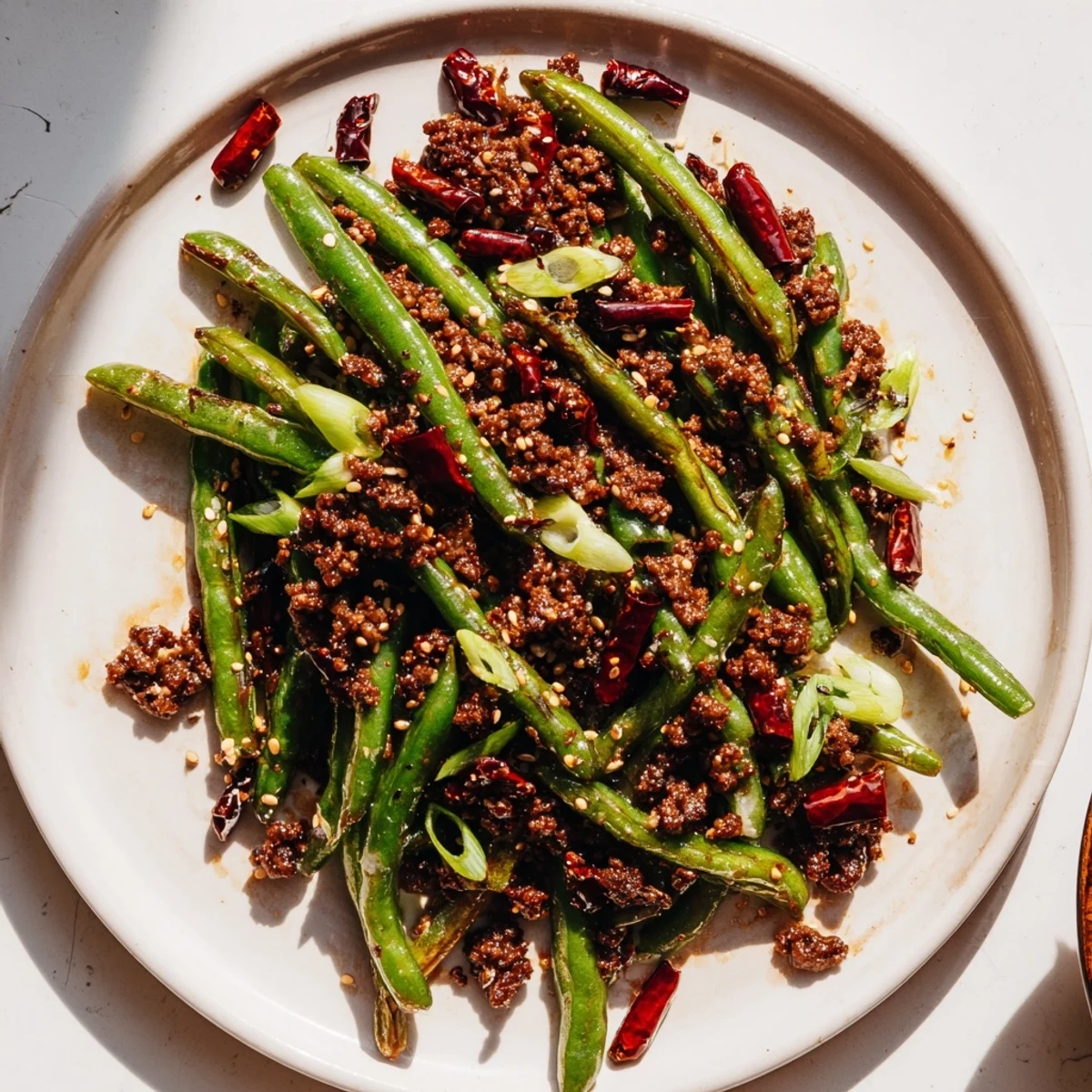
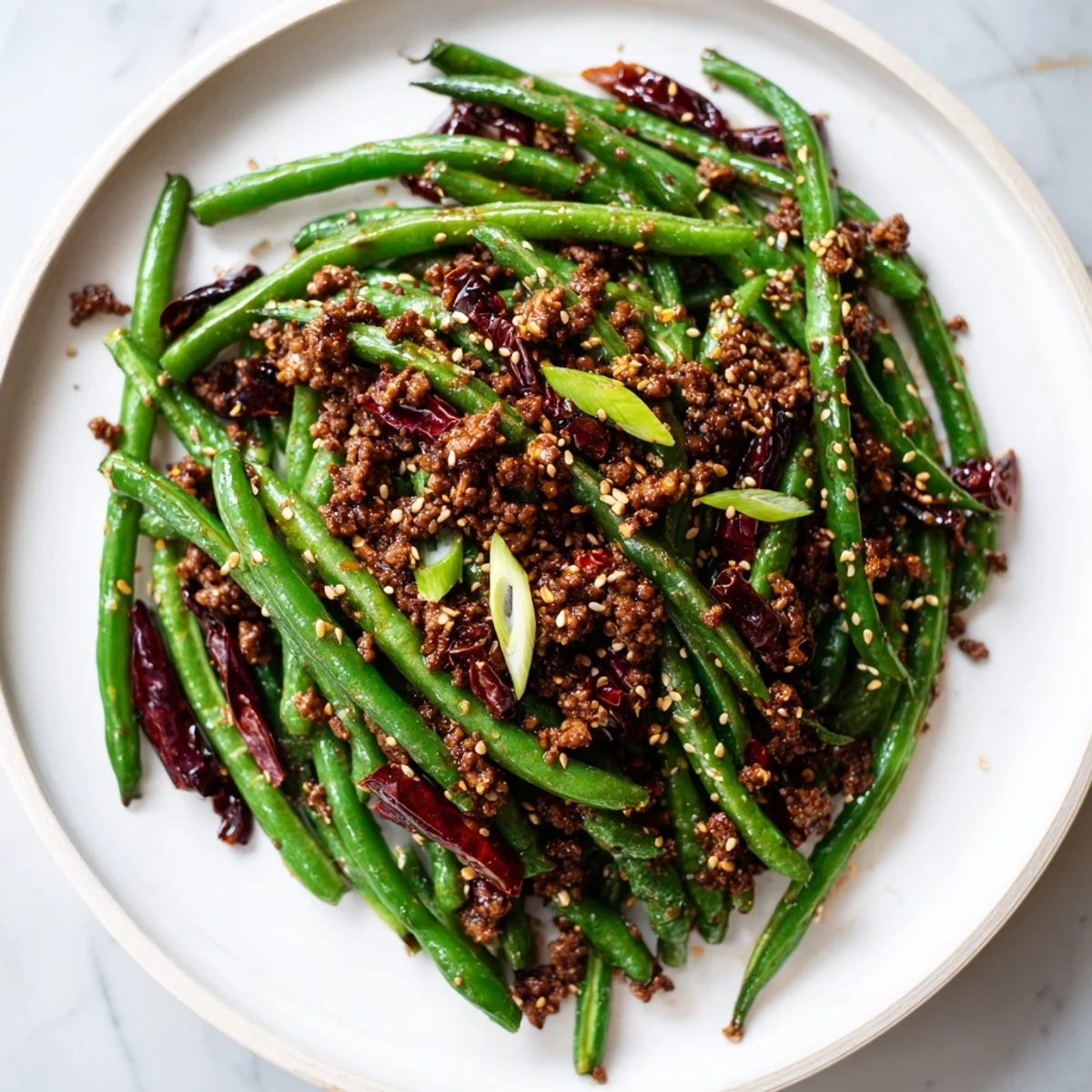
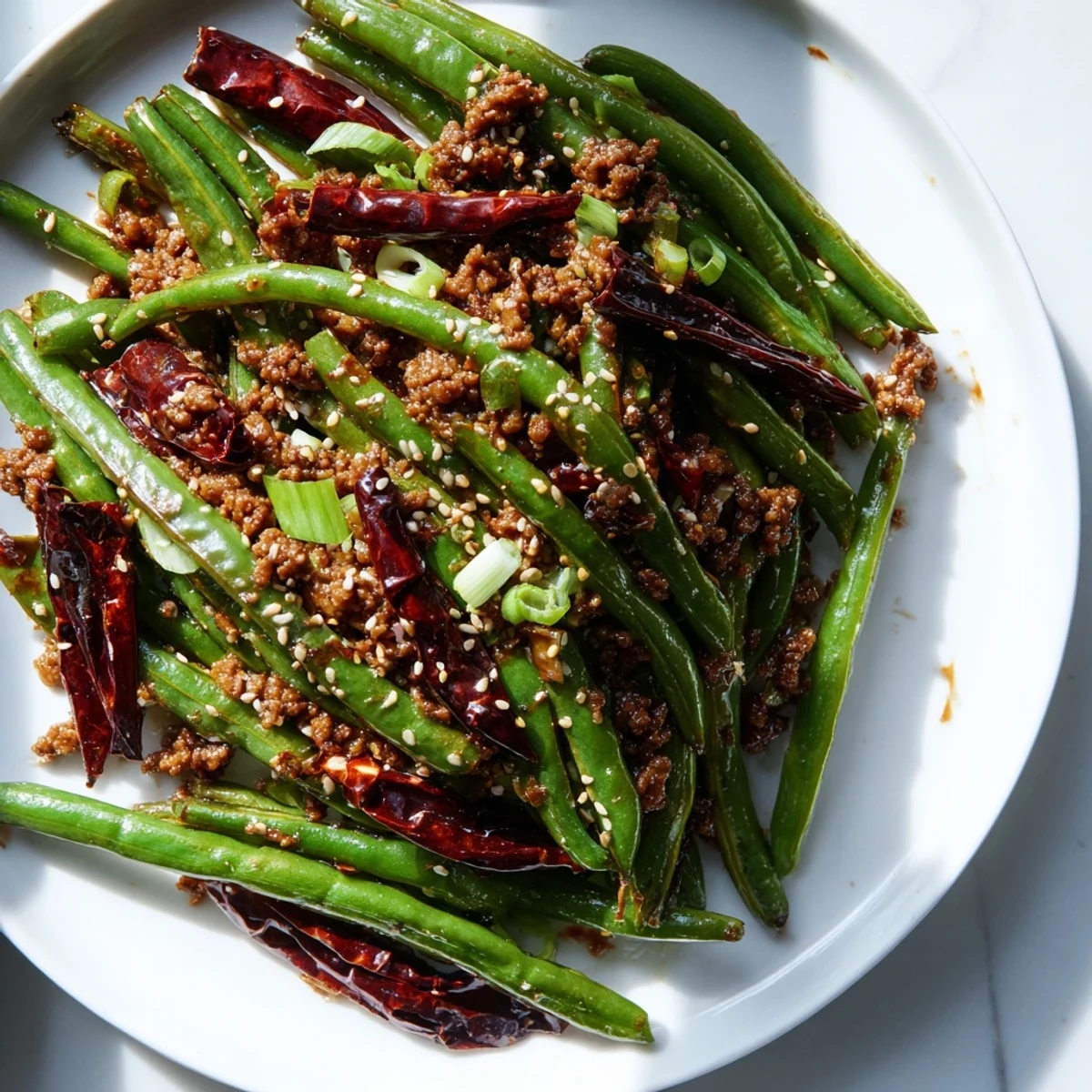
 This authentic Szechuan stir-fry combines tender minced beef with crisp green beans in a bold, spiced sauce made from Szechuan peppercorns, dried chilies, and aromatic garlic-ginger base. The dish comes together in 30 minutes with simple wok cooking techniques. Green beans are briefly blanched for texture, then tossed with browned beef and a savory-spicy sauce built on chili bean paste, soy sauce, and sesame oil. The result is a complex, numbing heat balanced with umami depth.
The first time I attempted Szechuan green beans, my kitchen filled with the unmistakable tingle of Szechuan peppercorns hitting hot oil. It was like a small culinary awakening in my suburban home, transporting me instantly to the bustling streets of Chengdu that I'd only read about. The marriage of crisp beans with savory beef and that distinctive numbing heat quickly became my gateway to exploring authentic Chinese cooking beyond takeout.
Last autumn, I made this for my brother who claimed to hate anything spicy. The kitchen windows fogged as the aromatic mixture sizzled in the wok, and I caught him hovering near the stove, drawn in by the scent. To my surprise, he helped himself to seconds and thirds, casually mentioning between bites that maybe he just hated boring spicy food.
Ingredients
- Green beans: Look for beans that snap crisply when bent as that freshness makes all the difference in this dish.
- Szechuan peppercorns: These arent actually peppers but berries that create that famous numbing sensation that balances the heat beautifully.
- Chili bean paste (Doubanjiang): I learned the hard way that this fermented paste is truly irreplaceable, imparting a complex umami depth that makes the dish authentically Szechuan.
- Minced beef: I prefer using beef with at least 15% fat content as it adds richness and prevents the meat from drying out during the quick stir-fry.
Instructions
- Blanch the beans:
- Give those green beans a quick two-minute bath in boiling water before shocking them in cold water. This technique preserves their vibrant color while ensuring they cook through evenly when stir-fried later.
- Awaken the spices:
- When those Szechuan peppercorns hit the hot oil, stand back and inhale that citrusy, tingling aroma that fills your kitchen. This fragrance-releasing step creates the flavor foundation for everything that follows.
- Brown the beef:
- Break the minced beef apart as it cooks, looking for that beautiful caramelization that signals flavor development. Each little morsel should be properly browned rather than steamed.
- Build the aromatics:
- When adding garlic, ginger and spring onions, keep them moving constantly in the wok. Their fragrance should bloom but not burn, creating that intoxicating scent that pulls everyone toward the kitchen.
- Bring it all together:
- Once you add those blanched beans back to the wok, toss everything with purpose and confidence. Each bean should get coated in that glossy sauce until they look like theyre practically glowing.
 Pin this
 On my daughters birthday, when she requested her favorite dishes instead of cake, this spicy green bean stir-fry was at the top of her list. We crowded around the table, chopsticks darting between dishes, and I noticed how this simple vegetable dish was the first to disappear. Something about its perfect balance of heat, texture and umami seemed to bring our whole celebration together.
Balancing Heat Levels
Ive discovered that the heat in this dish isnt just about quantity but timing. Adding dried chilies early infuses the oil with a gentle warmth, while chili bean paste added later provides a more immediate punch. For guests with varying spice tolerances, I sometimes divide the stir-fry just before adding the chili bean paste, creating mild and spicy versions that keep everyone happy.
Texture is Everything
The distinct pleasure of this dish comes from that perfect texture contrast between the tender beef and the still-crisp beans. Ive found that overcooking the beans even by a minute can transform this vibrant dish into something entirely forgettable. I watch for that moment when the beans become bright green with slight blistering from the wok heat, maintaining their structural integrity while absorbing all those complex flavors.
Making It a Complete Meal
While perfectly satisfying on its own, this dish reaches its full potential when part of a larger spread. The intense flavors pair beautifully with simpler dishes that provide contrast and balance on the plate.
- Serve alongside plain jasmine rice which soaks up the sauce and tempers the heat.
- Add a cooling cucumber salad with rice vinegar to refresh the palate between bites.
- Include a simple egg drop or clear broth soup to round out the meal with something gentle and warming.
 Pin this
 This dish has become my kitchen confidence builder, the recipe I turn to when I want to remember that cooking isnt just about feeding people but creating moments. Every time those beans hit the wok, Im reminded that the best meals arent just eaten but experienced.
Recipe FAQs
- → What gives Szechuan cuisine its distinctive numbing sensation?
-
Szechuan peppercorns create a unique tingling sensation called 'má' (numbing) that's characteristic of the cuisine. This comes from hydroxy-alpha sanshool, a compound that triggers touch receptors on your tongue. The effect intensifies when combined with the heat from dried chilies.
- → Can I prepare this dish ahead of time?
-
Blanch the green beans and prepare your sauce components up to 4 hours ahead. Store separately in the refrigerator. However, the stir-fry is best cooked fresh just before serving to maintain the crisp texture of the beans and optimal flavor integration.
- → How do I adjust the heat level?
-
Remove the Szechuan peppercorns after toasting if you prefer less numbing sensation, reduce dried chilies quantity, or omit them entirely. Start with fewer chilies and taste as you cook, adding more chili bean paste gradually to build heat without overwhelming other flavors.
- → What's the purpose of blanching the green beans?
-
Blanching for 2 minutes pre-cooks the beans and sets their bright green color while maintaining crispness. The ice bath stops the cooking process immediately, ensuring tender-crisp texture in the final stir-fry without making them mushy during the final cooking phase.
- → Which proteins work as alternatives to beef?
-
Minced pork is the most traditional substitute, offering similar texture and richness. Chicken works for a leaner option with faster cooking. Firm tofu pressed and crumbled provides a vegetarian alternative. For shrimp, reduce cooking time significantly as they cook in 2-3 minutes.
- → How important is Shaoxing wine in this dish?
-
Shaoxing wine adds depth and helps balance the saltiness from soy sauces while adding subtle sweetness. Dry sherry or even a dry white wine works as a substitute, though authentic Shaoxing provides the most authentic flavor profile developed during the stir-frying process.