
 Pin this
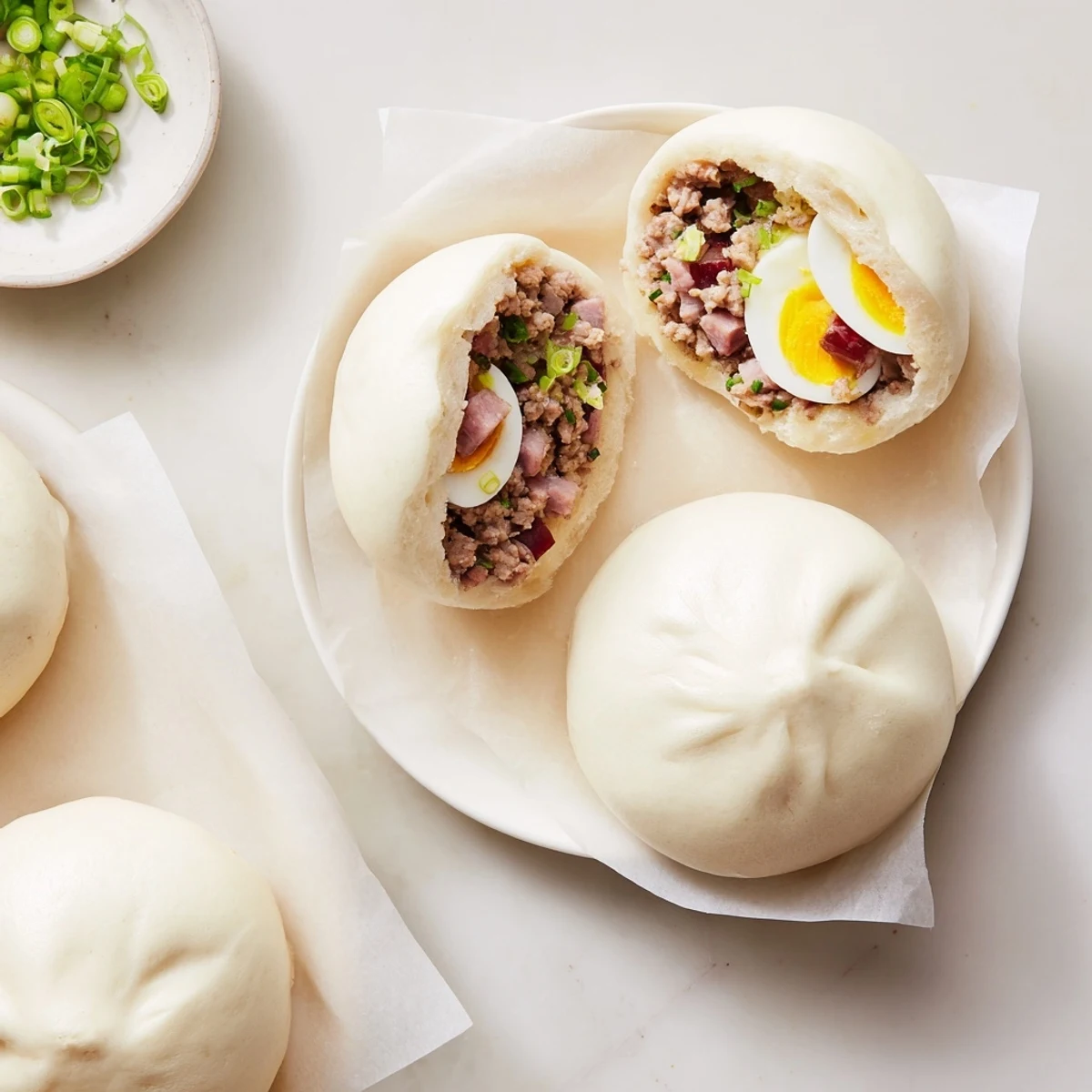
 Create authentic Vietnamese Banh Bao with our step-by-step guide. These fluffy steamed buns feature a savory filling of seasoned ground pork, Chinese sausage, woodsy mushrooms, and tender egg. The dough rises to perfection, resulting in pillowy soft buns that steam up beautifully in just 20 minutes. Perfect for meal prep, freezer-friendly, and ideal for breakfast or snacking. Master the technique of sealing and shaping to get that classic pleated appearance.
My grandmother's tiny kitchen would fill with steam every Sunday morning, the scent of yeasted dough and savory pork drifting out to the hallway where neighbors would pause and smile. She taught me that making banh bao isn't just about following steps, it is about feeling the dough transform under your hands and knowing when the filling sings with the right balance of salty and sweet. I have carried that kitchen wisdom with me through apartments and house moves, adjusting her techniques but never losing that essential spirit of creating something comforting from simple ingredients.
Last winter, during that terrible week when everyone in my household was sick with the flu, I made three batches of banh bao in one day. Something about the rhythm of kneading dough and the repetitive motion of filling and pleating each bun felt meditative, and those steamy savory bundles were the only thing anyone wanted to eat. My partner still talks about how those buns saved us, which is probably an exaggeration but I will take the compliment anyway.
Ingredients
- All-purpose flour: The backbone that gives structure while remaining tender enough to melt in your mouth
- Instant yeast: Choose a fresh packet for reliable rise, nothing worse than flat disappointing buns
- Warm milk: Should feel like a comfortable bath temperature, hot enough to activate yeast but not kill it
- Ground pork: Pick fatty ground pork for juicier filling, lean meat dries out during steaming
- Chinese sausage: This cured sausage adds essential sweetness and depth that makes the filling sing
- Dried shiitake mushrooms: Soak them in warm water beforehand and save that soaking liquid for extra flavor in soups later
- Hard-boiled eggs: The surprise treasure inside, that creamy yellow center against savory filling is pure magic
- Oyster sauce: The secret ingredient that ties all the savory flavors together beautifully
Instructions
- Mix and knead the dough:
- Combine all dry ingredients in a large bowl before pouring in warm milk and vegetable oil. Knead for 8 to 10 minutes until the dough transforms from shaggy to smooth and elastic, bouncing back when you press it gently.
- Let the dough rise:
- Cover the bowl with a warm damp towel and find a cozy corner for it to rest. Wait about 1 hour until the dough has doubled in size, looking puffy and alive with tiny bubbles.
- Prepare the savory filling:
- Mix ground pork, sliced Chinese sausage, chopped mushrooms, onion, garlic, oyster sauce, soy sauce, sugar, white pepper, and spring onion in a bowl. Use clean hands to combine everything thoroughly until the mixture feels sticky and well blended.
- Shape the buns:
- Divide the dough into 8 equal pieces and roll each into a smooth ball. Flatten each ball into a disc about 10 cm across, place filling and egg quarter in the center, then gather edges like a little purse and pinch tightly to seal.
- Second rest:
- Set each bun on a small square of parchment paper and let them rest for 15 minutes. They will puff up slightly, which is exactly what you want before they hit the steam.
- Steam until fluffy:
- Place buns in your steamer over boiling water and cook for 15 to 20 minutes. The dough should bounce back when touched and feel cooked through, no raw sticky spots remaining.
 Pin this
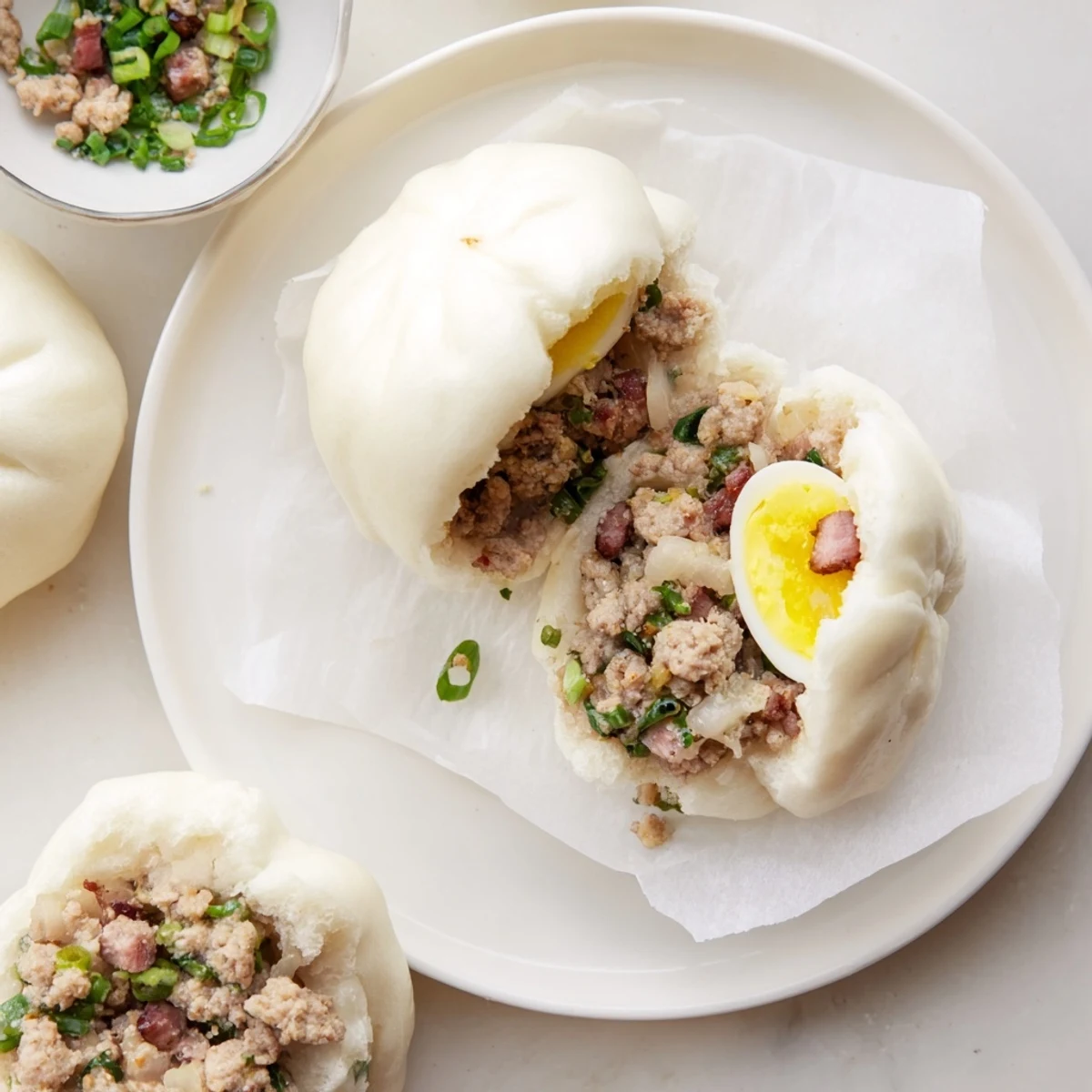
 There is something profoundly satisfying about lifting the steamer lid and seeing those white fluffy mountains risen and ready, the kitchen wrapped in clouds of aromatic steam. My youngest nephew once told me that eating banh bao felt like opening a present, and I cannot think of a better description for that moment when you bite through soft dough into the savory treasure inside.
Making Them Your Own
The beauty of banh bao lies in how adaptable they are to whatever you have in your kitchen. I have made versions with chicken, with tofu and vegetables for vegetarian friends, and even experimented with adding quail eggs instead of chicken eggs for tiny surprises inside. The filling ratios are forgiving, so taste as you go and adjust seasonings until they make your taste buds dance.
Steaming Wisdom
A proper steamer makes all the difference, whether it is a traditional bamboo steamer or a metal stack steamer. The water should be at a steady rolling boil but not violently splashing, and place the lid slightly ajar for the first minute to prevent condensation from dripping onto the buns and creating wet spots. I learned this after one too many batches with sad soggy tops.
Storage and Reheating
Cooked banh bao keep in the refrigerator for up to 5 days and actually develop more flavor as the filling marinates in its own juices. Reheating is simple, just pop them back in the steamer for 5 minutes or microwave wrapped in a damp paper towel to maintain that precious soft texture. I always make extra because having homemade snacks ready for busy weekdays feels like a gift to my future self.
- Freeze uncooked buns on a tray first before transferring to bags to prevent sticking
- Label freezer bags with dates because frozen buns are perfect for up to 2 months
- Steam frozen buns directly without thawing for the best texture results
 Pin this
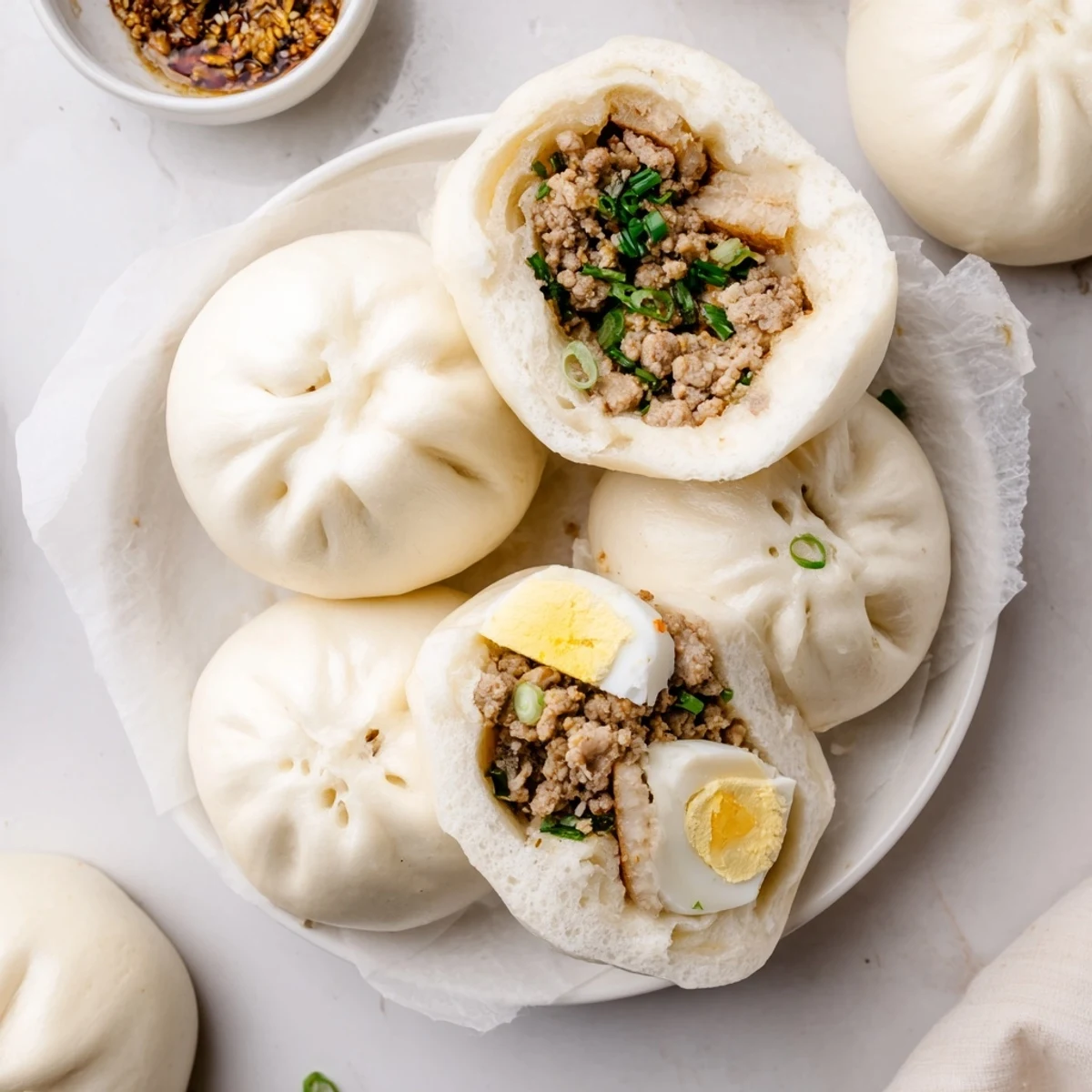
 I hope these steamed bundles bring as much comfort to your kitchen as they have to mine over the years. There is something special about food that requires patience and care, returning that warmth to you in every bite.
Recipe FAQs
- → What makes Banh Bao dough fluffy?
-
The combination of instant yeast and baking powder creates the signature fluffy texture. Warm milk activates the yeast, while proper kneading develops gluten for elasticity. Letting the dough rise until doubled ensures light, airy buns that steam up perfectly soft.
- → Can I freeze Banh Bao?
-
Absolutely! Freeze uncooked buns on a tray until firm, then transfer to freezer bags. Steam directly from frozen for 25-30 minutes. Cooked buns also freeze well—reheat by steaming for 5-8 minutes or microwaving with a damp paper towel.
- → What can I substitute for Chinese sausage?
-
If unavailable, use cured pork belly, bacon, or Spanish chorizo for similar savory-sweet depth. For a lighter version, try vegetarian sausage or increase the mushrooms. The key is maintaining that rich umami flavor balance.
- → Why add vinegar to steaming water?
-
A splash of vinegar in the steaming water helps prevent oxidation, keeping the buns snowy white rather than developing grayish spots. This traditional trick ensures your Banh Bao looks as appealing as they taste, especially important for presentation.
- → How do I know when Banh Bao is fully cooked?
-
Cooked buns feel firm and spring back when touched. The dough should appear matte rather than shiny or sticky. Insert a toothpick into the center—it should come out clean. Cooking time varies by steamer, but typically takes 15-20 minutes.
- → Can I make the filling ahead of time?
-
Yes! Prepare the filling up to 2 days in advance and store refrigerated. The flavors actually meld and improve overnight. Bring to room temperature before filling to prevent chilling the dough, which could affect rising during steaming.