
 Pin this
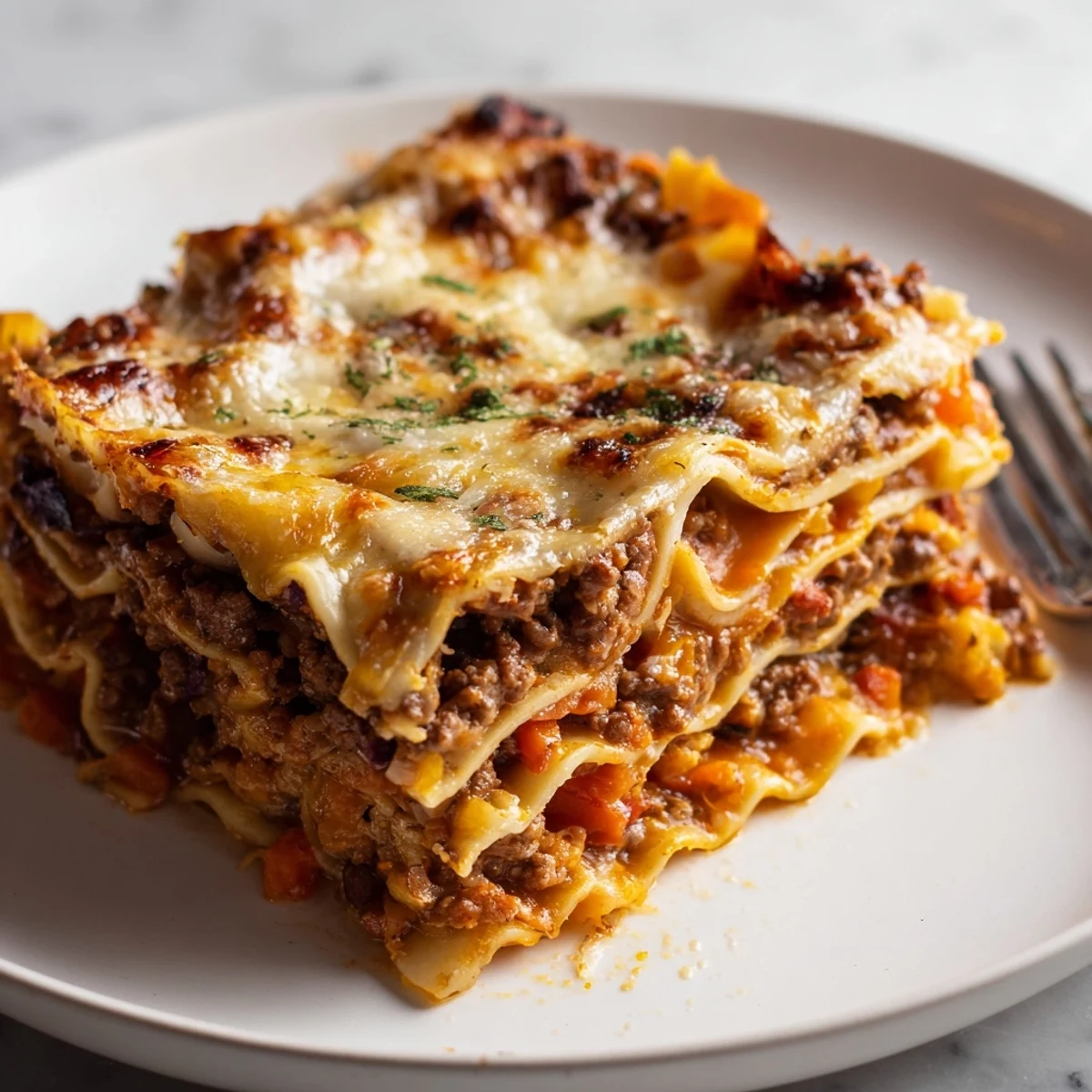
 This traditional Italian comfort features layers of delicate pasta sheets nestled between a rich, slow-simmered beef ragù and silky béchamel. The ragù builds depth with ground beef aromatic vegetables, tomatoes, and a splash of red wine. The white sauce brings creamy contrast with hints of nutmeg. Baked until golden and bubbling with melted mozzarella and Parmesan, this dish satisfies with its harmonious blend of textures and flavors.
The smell of bubbling cheese and tomato sauce takes me back to my tiny apartment kitchen, where I spent an entire Sunday making lasagne for a dinner party. I had no idea what I was doing, following a faded cookbook recipe while wine spilled on the counter. When we finally sat down to eat, the lasagne was still too hot to eat properly, but nobody cared because the flavors were worth the burned tongues.
My grandmother would shake her head at how quickly I make this now, but she also understood that sometimes you need comfort food without spending all day at the stove. The secret is letting those aromatics soften properly before the meat goes in, and never rushing the béchamel whisking no matter how tired your arm gets.
Ingredients
- 2 tablespoons olive oil: The foundation that carries all those aromatic flavors through the ragù
- 1 large onion, finely chopped: Takes longer to soften than you think, so be patient
- 2 carrots, diced: Brings natural sweetness that balances the acidity of tomatoes
- 2 celery stalks, diced: Completes the classic mirepoix base
- 3 garlic cloves, minced: Add after vegetables soften to prevent burning
- 750 g ground beef: Brown thoroughly and break into small pieces for even texture
- 2 tablespoons tomato paste: Cook this briefly to caramelize and deepen flavor
- 800 g canned crushed tomatoes: San Marzano varieties bring the best authentic taste
- 125 ml dry red wine: The acid cuts through rich meat while adding complexity
- 1 teaspoon dried oregano: Dried herbs work beautifully in long-simmered sauces
- 1 teaspoon dried basil: Complements oregano without overpowering
- 1 teaspoon salt: Adjust after simmering as flavors concentrate
- ½ teaspoon black pepper: Freshly ground makes a noticeable difference
- 1 teaspoon sugar: Just enough to temper tomato acidity if needed
- 60 g unsalted butter: Creates the silky smooth béchamel base
- 60 g all-purpose flour: Whisk constantly to prevent lumps from forming
- 800 ml whole milk, warmed: Room temperature or slightly warm prevents shocking the roux
- ¼ teaspoon ground nutmeg: The traditional French touch that transforms béchamel
- ½ teaspoon salt: Essential for bringing out the milky richness
- ¼ teaspoon white pepper: Provides gentle heat without visible specks
- 12 no-boil lasagne sheets: Soak up sauce beautifully without par-cooking
- 150 g grated mozzarella cheese: Creates that irresistible cheesy top layer
- 60 g grated Parmesan cheese: Adds salty depth to the golden crust
Instructions
- Build the ragù foundation:
- Heat olive oil in a large skillet over medium heat, then add onion, carrot, and celery, sautéing for 6 to 8 minutes until completely softened and fragrant.
- Add aromatics and meat:
- Stir in garlic and cook for 1 minute until aromatic, then add ground beef, breaking it up thoroughly and cooking until fully browned with no pink remaining.
- Concentrate the flavors:
- Mix in tomato paste and cook for 2 minutes while stirring constantly, then pour in the wine and let it simmer until mostly evaporated and the kitchen smells incredible.
- Simmer to perfection:
- Add crushed tomatoes, oregano, basil, salt, pepper, and sugar if using, then simmer uncovered for 30 to 40 minutes, stirring occasionally until the sauce thickens beautifully.
- Start the béchamel:
- Melt butter in a saucepan over medium heat, whisk in flour for 1 to 2 minutes until bubbly, then gradually whisk in warm milk while stirring constantly.
- Finish the white sauce:
- Continue whisking for 6 to 8 minutes until thickened and completely smooth, then season with nutmeg, salt, and white pepper before removing from heat.
- Preheat and begin layering:
- Preheat oven to 180°C (350°F) and spread a thin layer of ragù on the bottom of a 23x33 cm baking dish to prevent noodles from sticking.
- Build the layers:
- Add a layer of lasagne sheets, spread ¼ of the ragù evenly over noodles, then follow with ¼ of the béchamel, repeating three more times and finishing with béchamel on top.
- Add the golden topping:
- Sprinkle mozzarella and Parmesan evenly across the surface, covering every corner for that bubbly, golden crust everyone fights over.
- Bake covered then uncovered:
- Cover loosely with foil and bake for 30 minutes, then remove foil and bake an additional 15 to 20 minutes until the cheese is golden and sauce is bubbling up the edges.
- The patience pays off:
- Let the lasagne rest for 15 minutes before slicing, which seems impossible but makes all the difference for clean, neat portions.
 Pin this
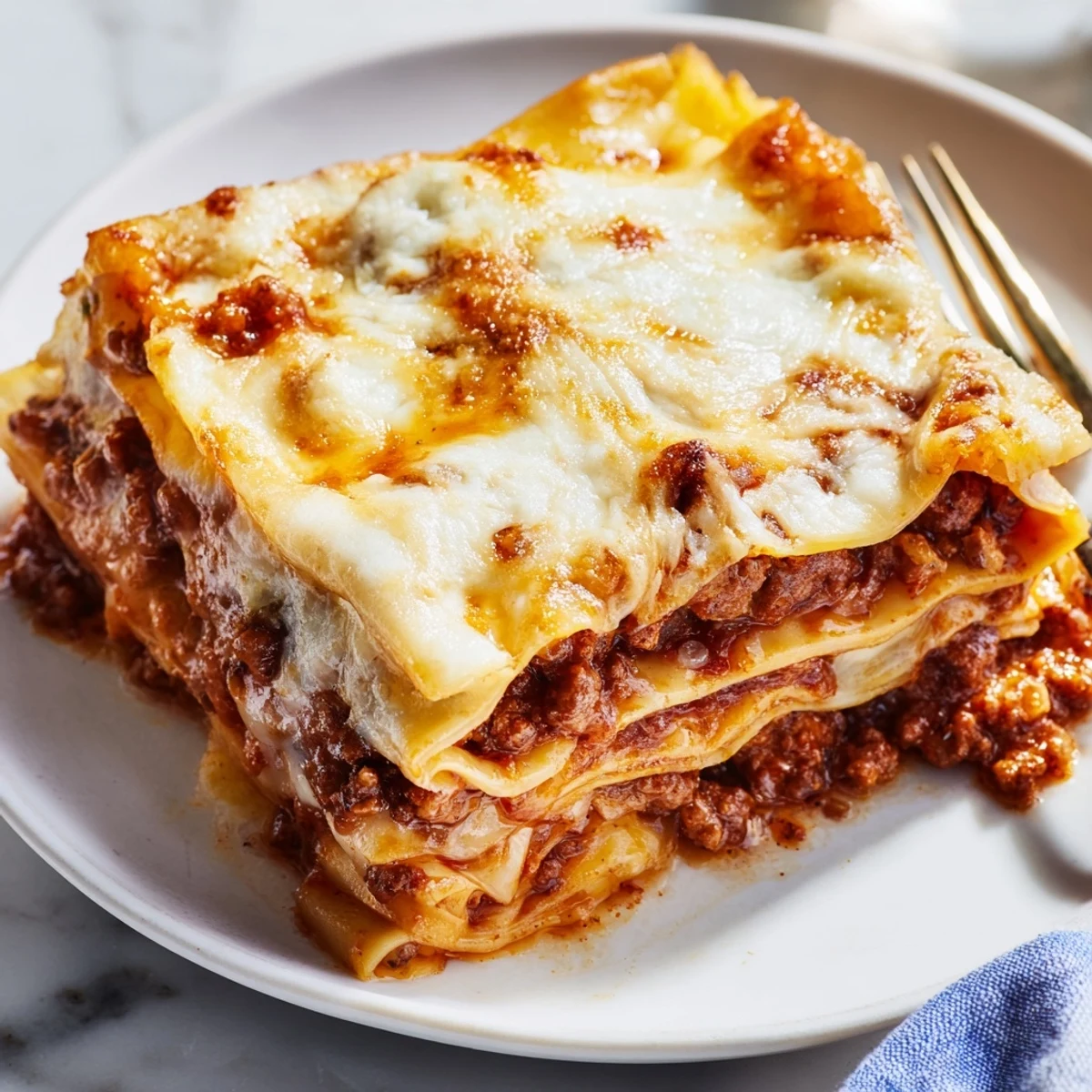
 This recipe became my go-to for bringing meals to new parents and sick friends because it travels well, freezes beautifully, and makes people feel cared for without demanding anything in return. Something about layers of pasta and cheese just says home.
Make It Your Own
Substitute ground pork or veal for half the beef to add depth and tenderness that restaurant lasagne often achieves. A bay leaf simmered in the ragù (removed before assembly) adds subtle herbal notes that make people wonder what your secret ingredient is.
Fresh Versus Dried Pasta
Fresh lasagne sheets cook faster and have a delicate texture, so reduce baking time by about 10 minutes and check for doneness early. No-boil sheets are convenient, but traditional par-boiled noodles give you more control over final texture.
Perfect Wine Pairings
Chianti or Sangiovese cuts through the rich cheese and beef while complementing the tomato base. A simple green salad with bright vinaigrette balances the heavy comfort of lasagne perfectly. The wine you cook with does not need to be expensive, but it should be something you would actually drink.
- Open red wine 30 minutes before serving to let it breathe
- Keep extra grated Parmesan at the table for those who love more
- Crusty garlic bread is never a mistake alongside lasagne
 Pin this
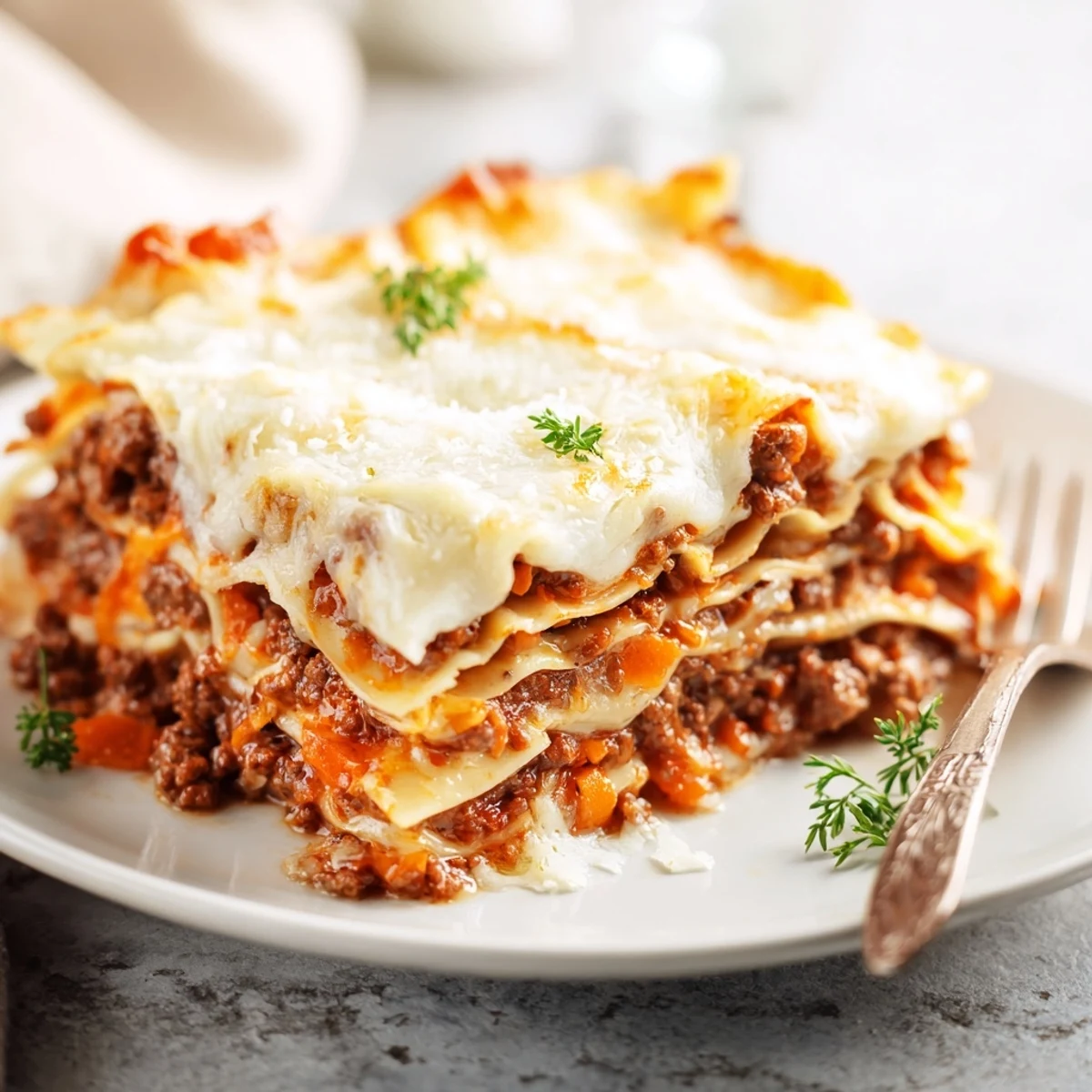
 There is something profoundly satisfying about serving lasagne to a table full of happy, slightly too full people. This is the kind of cooking that turns a meal into a memory.
Recipe FAQs
- → Can I make this ahead of time?
-
Yes, assemble the entire dish up to 24 hours in advance and refrigerate. Add 10-15 minutes to baking time if baking cold.
- → How do I prevent soggy layers?
-
Ensure the ragù has thickened properly during simmering. No-boil sheets help absorb excess moisture without becoming mushy.
- → Can I freeze leftovers?
-
Portion leftovers into airtight containers and freeze for up to 3 months. Thaw overnight in the refrigerator before reheating.
- → What wine works best in the ragù?
-
Dry red wines like Chianti, Sangiovese, or Merlot add depth. The alcohol evaporates during cooking, leaving behind subtle flavor.
- → Why rest before serving?
-
Resting for 15 minutes allows layers to set, making clean slices easier and ensuring portions hold their shape beautifully.
- → Can I use different meats?
-
Substitute half the beef with ground pork or veal for a traditional blend. Turkey or plant-based alternatives work with adjusted seasoning.