
 Pin this
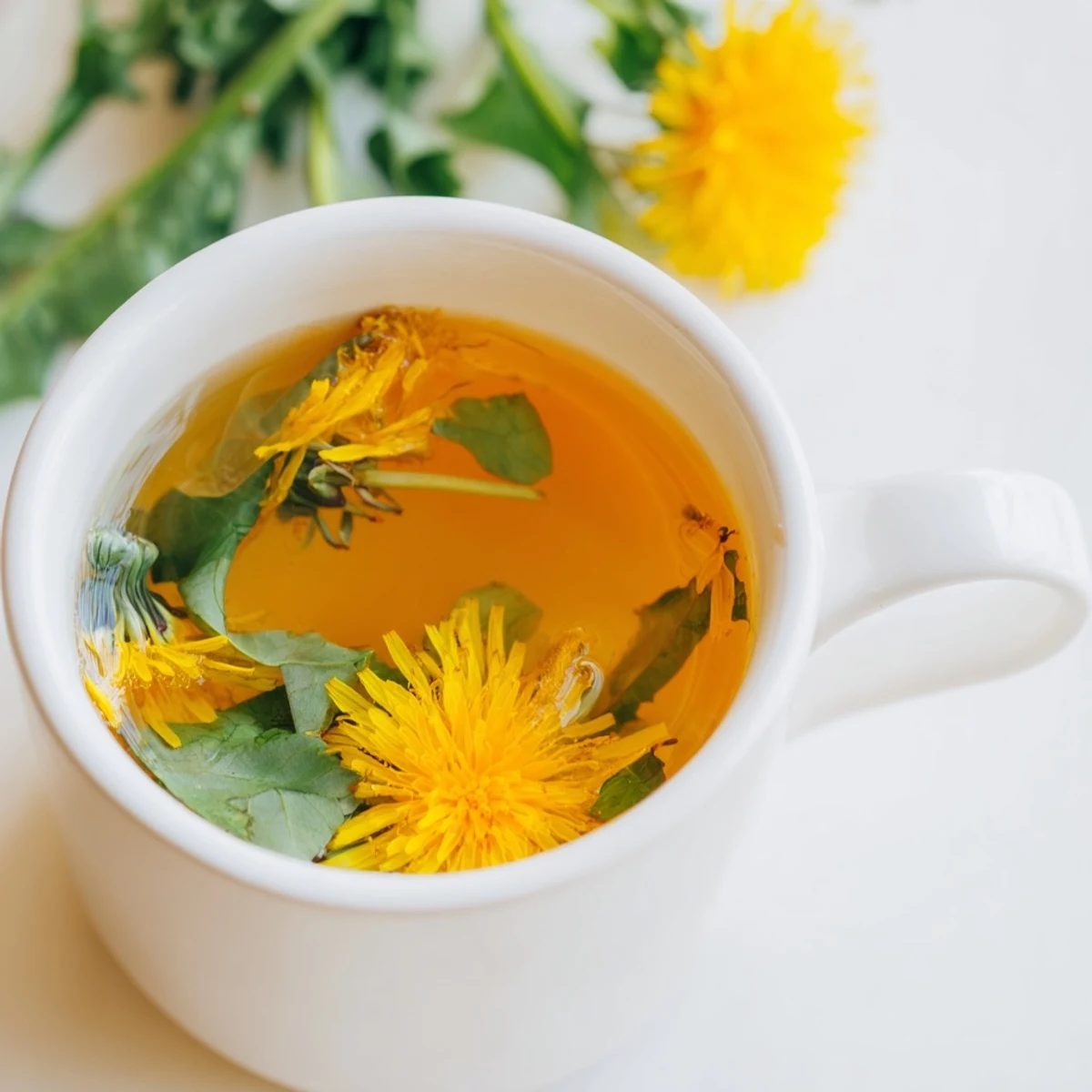
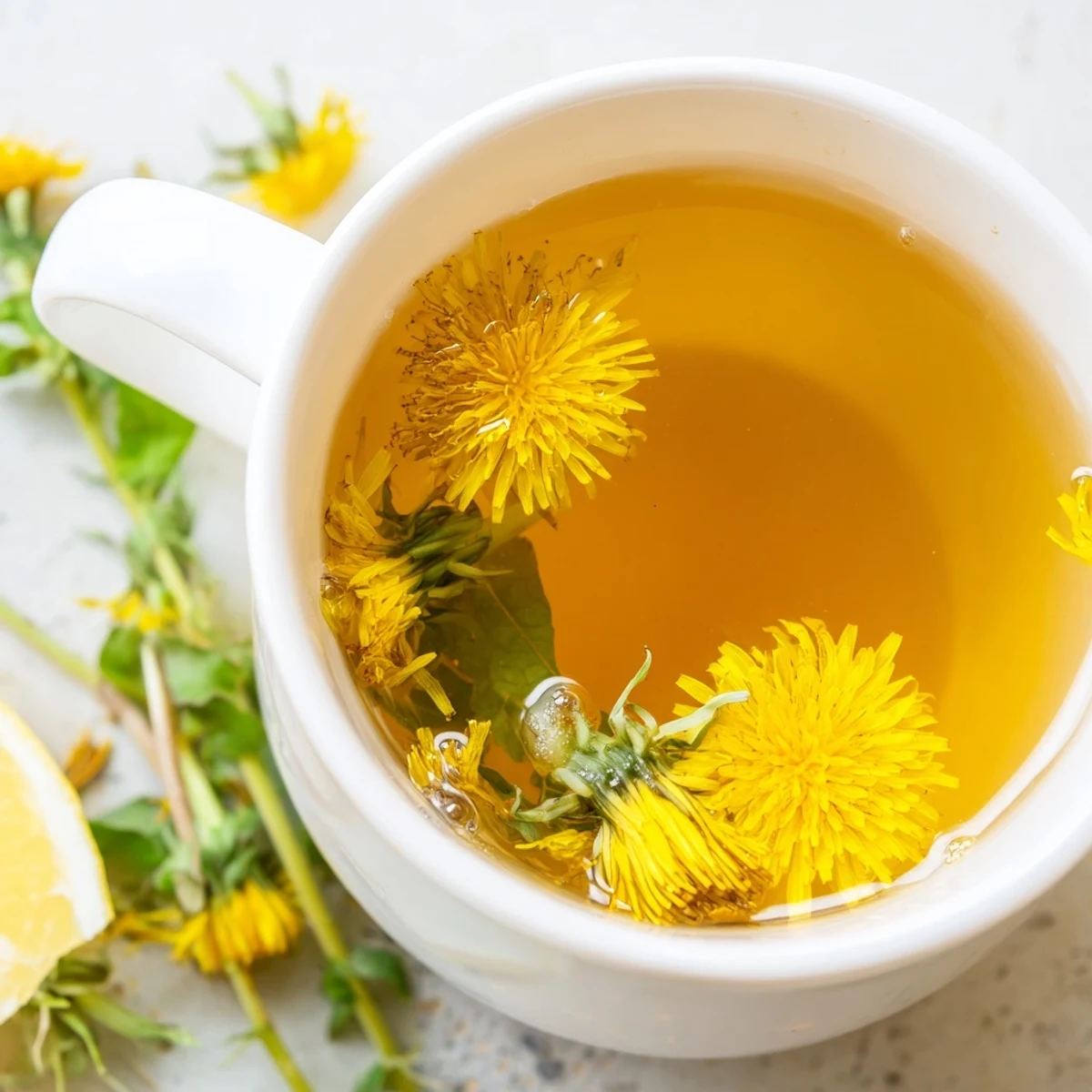
 This traditional herbal infusion harnesses the natural detoxifying properties of dandelion petals and greens. The preparation is straightforward: thoroughly wash fresh dandelions (2 cups) or use dried (2 tablespoons), bring filtered water to a boil, and pour over the botanicals. Steeping for 8-10 minutes releases the earthy flavors and beneficial compounds into the amber-colored liquid. The resulting beverage is light yet flavorful, with subtle bitter notes characteristic of wild herbs. Optional additions like honey or lemon brighten the profile. The tea can be customized by blending leaves and petals for nuanced flavor, or using roasted roots for a deeper, coffee-like brew. Always source dandelions from untreated areas free of pesticides.
The first time I deliberately picked dandelions from my yard instead of treating them like weeds, my neighbor looked at me like I had completely lost my mind. I was crouched in the morning grass, carefully selecting the brightest yellow flowers, explaining something about tea and detox benefits while she slowly backed away toward her mailbox. That afternoon, when the earthy, slightly bitter aroma filled my kitchen, I understood why people have been brewing these stubborn plants for centuries.
Last spring, I made this for my grandmother who grew up drinking wild herbal teas in Eastern Europe. She took one sip, closed her eyes, and told me stories about her childhood mornings gathering greens by the river before school. Now every time I brew a cup, I think about how something most people spray with weed killer can become such a nurturing, simple ritual.
Ingredients
- Fresh dandelion petals and leaves: The combination of sunny petals and slightly bitter greens creates a balanced flavor profile that pure leaves alone cannot achieve.
- Filtered water: Since this tea has such a delicate flavor, clean water makes a noticeable difference in the final taste.
- Honey or maple syrup: A tiny amount rounds out the bitterness without overpowering the earthy undertones.
- Fresh lemon: The acidity brightens the entire cup and helps extract more beneficial compounds from the plant material.
Instructions
- Prepare your flowers:
- Give those fresh dandelions a thorough wash under cold water, gently shaking them to dislodge any hidden dirt or tiny bugs that might have hitched a ride.
- Heat your water:
- Bring the filtered water to a rolling boil, then let it sit for about thirty seconds so its not quite at full temperature when you pour.
- Combine and steep:
- Place your cleaned dandelion petals and leaves in a teapot or heatproof container, then pour the hot water over them and cover immediately.
- Wait patiently:
- Let everything steep for 8 to 10 minutes, covered, so the volatile oils stay trapped in the vessel rather than evaporating into your kitchen.
- Strain and customize:
- Pour the tea through a fine mesh strainer into your favorite mug, then add honey or a squeeze of lemon if you prefer a sweeter or brighter cup.
 Pin this
 This simple tea has become my go to when I am feeling sluggish after a heavy meal or just need something warm that does not give me the jitters like coffee sometimes does. There is something deeply grounding about sipping on something I gathered with my own hands earlier that day.
Harvesting Tips
The best time to pick dandelions is in the morning after the dew has dried but before the sun is at its peak. This is when the flowers are fully open and the beneficial compounds are most concentrated. I usually grab a pair of scissors and snip the flower heads close to the base, then gently pull off any remaining green bits from the petals.
Dandelion Root Tea
If you enjoy a darker, more robust beverage, try digging up dandelion roots, scrubbing them clean, chopping them into small pieces, and roasting them in a low oven until they are dried and slightly browned. The resulting brew tastes remarkably like coffee but without the caffeine and with all the liver supporting benefits that make dandelion so prized in herbal medicine traditions.
Serving Suggestions
While dandelion tea is lovely on its own, I sometimes brew it stronger and use it as a base for iced tea during warmer months, adding fresh mint and a splash of apple cider vinegar for a refreshing tonic that keeps me cool from the inside out.
- Try a small amount first to see how your body responds to the bitter compounds
- Store any leftover fresh dandelions in the refrigerator and use within two days
- The tea pairs wonderfully with shortbread cookies or plain crackers
 Pin this
 Every cup of dandelion tea feels like a small act of rebellion against a culture that values the complicated and expensive over the simple and free.
Recipe FAQs
- → What does dandelion tea taste like?
-
Dandelion tea has a light, earthy flavor with subtle bitter notes similar to mild greens or herbal teas. The taste can vary depending on whether you use leaves, petals, or roasted roots. Fresh petals create a delicate infusion, while leaves add more pronounced earthiness. The optional sweetener helps balance any bitterness.
- → Can I use dried dandelion instead of fresh?
-
Absolutely. Dried dandelion works perfectly for this herbal infusion. Use approximately 2 tablespoons of dried material to replace the 2 cups of fresh petals and leaves. The steeping process remains the same, though you might notice a slightly more concentrated flavor profile from the dried botanicals.
- → How long should I steep dandelion tea?
-
The optimal steeping time is 8-10 minutes. This allows the hot water to fully extract the beneficial compounds and flavors from the dandelion petals and leaves. Covering the container during steeping helps retain heat and preserve volatile oils. Strain thoroughly before serving.
- → What are the health benefits of drinking dandelion tea?
-
Dandelion tea is traditionally valued for its natural detoxifying properties and ability to support digestive health. The botanicals contain compounds that may aid liver function and act as a gentle diuretic. The infusion is also naturally caffeine-free, making it suitable for evening consumption.
- → Where should I harvest dandelions for tea?
-
Always harvest dandelions from areas known to be free of pesticides, herbicides, and chemical treatments. Avoid locations near roadsides or industrial areas. Your own garden or organic farms are ideal sources. Proper identification is essential when foraging wild plants.
- → Can I make dandelion tea with the roots?
-
Yes, roasted dandelion roots create a deeper, coffee-like brew with rich earthy notes. Simply clean and roast the roots until dark and fragrant, then steep in boiling water. This method produces a darker, more robust infusion compared to the lighter petal and leaf tea.