
 Pin this
 Whisk together Dijon mustard, white wine vinegar, optional honey and minced garlic, then season with salt and pepper. Slowly drizzle in extra-virgin olive oil while whisking to form a smooth, slightly thick emulsion. Ready in about 5 minutes and yields roughly 6 tablespoons (about 4 servings). Store chilled in a sealed jar up to one week; add fresh herbs or extra vinegar to brighten flavors.
The window was open and a warm breeze kept rattling the recipe card propped against my salt cellar the afternoon I finally committed to making my own vinaigrette instead of shaking store bought dressing from a bottle. Something about that little ritual of whisking mustard into vinegar felt absurdly satisfying, like I had been let in on a secret French grandmothers had guarded for generations. It took less than five minutes and tasted impossibly better than anything from a jar. I have not bought salad dressing since.
I made a double batch for a backyard dinner party last summer and caught my friend Laura dipping bread directly into the dressing bowl when she thought no one was looking. She denied it, but the evidence was all over her fingertips. That vignette pretty much sums up the effect this vinaigrette has on people.
Ingredients
- Extra virgin olive oil: Three tablespoons of good quality oil make all the difference here because this dressing is so simple that every ingredient shines, so reach for the fruity peppery stuff you save for special occasions.
- White wine vinegar: One tablespoon provides a clean bright acidity, though red wine vinegar works beautifully if that is what your pantry offers.
- Dijon mustard: One teaspoon is the backbone of this dressing, lending both its distinctive sharp flavor and its magical ability to bind oil and vinegar into something creamy and cohesive.
- Honey or maple syrup: One teaspoon is optional but a tiny touch of sweetness rounds out the assertiveness of the mustard and vinegar in a way that makes everything taste more balanced and gentle.
- Garlic: One small clove, finely minced, adds a quiet savory hum beneath the tang and richness, though you can leave it out entirely if you prefer a cleaner flavor.
- Sea salt and freshly ground black pepper: A quarter teaspoon of salt and an eighth teaspoon of pepper may seem precise but proper seasoning is what separates a flat dressing from one that sings on your palate.
Instructions
- Build your flavor base:
- In a small bowl, combine the Dijon mustard, vinegar, honey if you are using it, the minced garlic, salt, and pepper. Whisk until the mixture looks smooth and unified, with no pockets of mustard hiding in the corners.
- Create the emulsion:
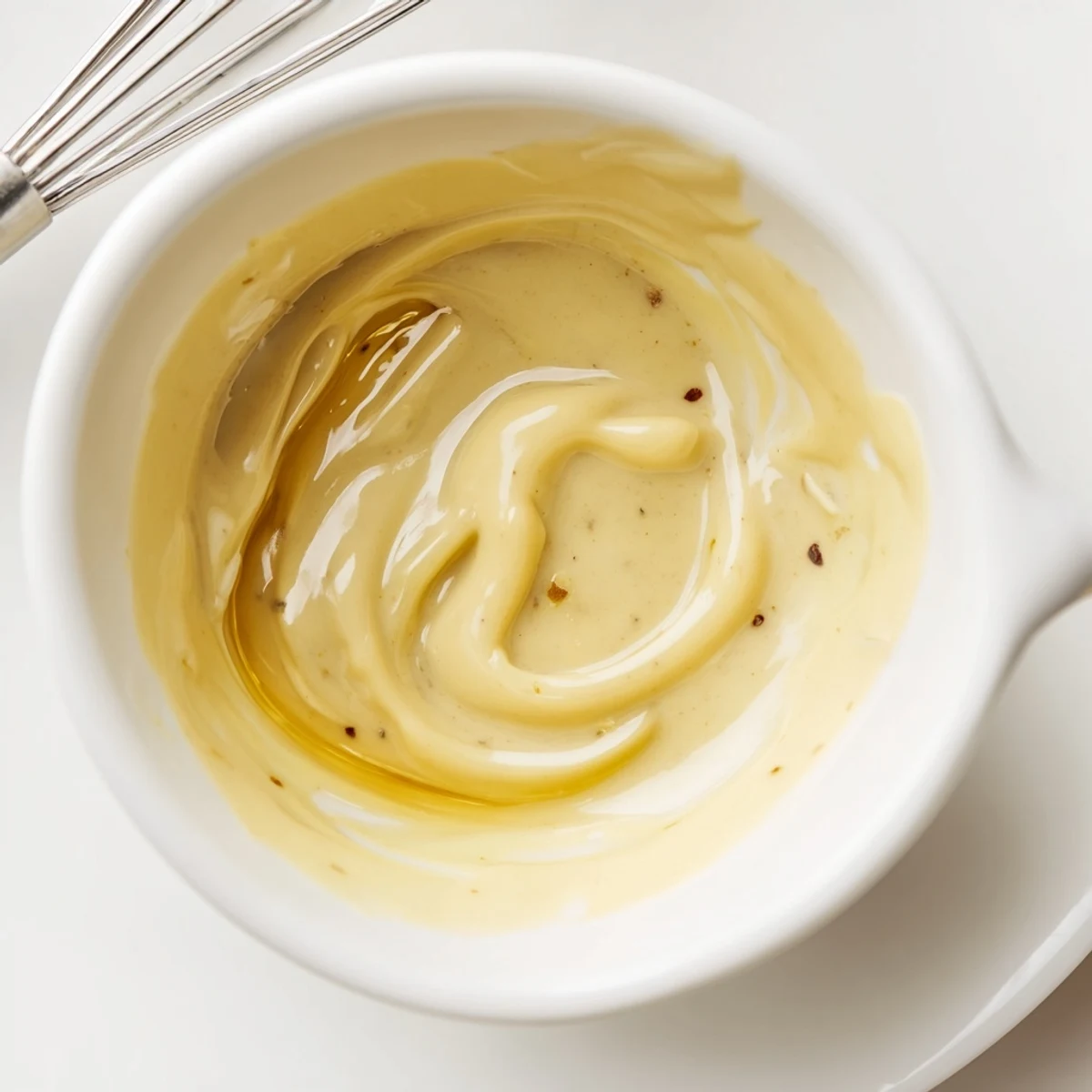
- Slowly drizzle in the olive oil while whisking constantly and you will feel the dressing transform beneath your whisk, thickening into something glossy and creamy that coats the back of a spoon.
- Taste and adjust:
- Dip a leaf of whatever greens you plan to dress into the vinaigrette and taste it that way rather than tasting it plain, because the dressing should complement your salad not overpower it.
- Store or serve:
- Use it right away or pour it into a small jar with a tight lid and keep it in the refrigerator for up to one week, shaking vigorously before each use since it will separate as it sits.
 Pin this
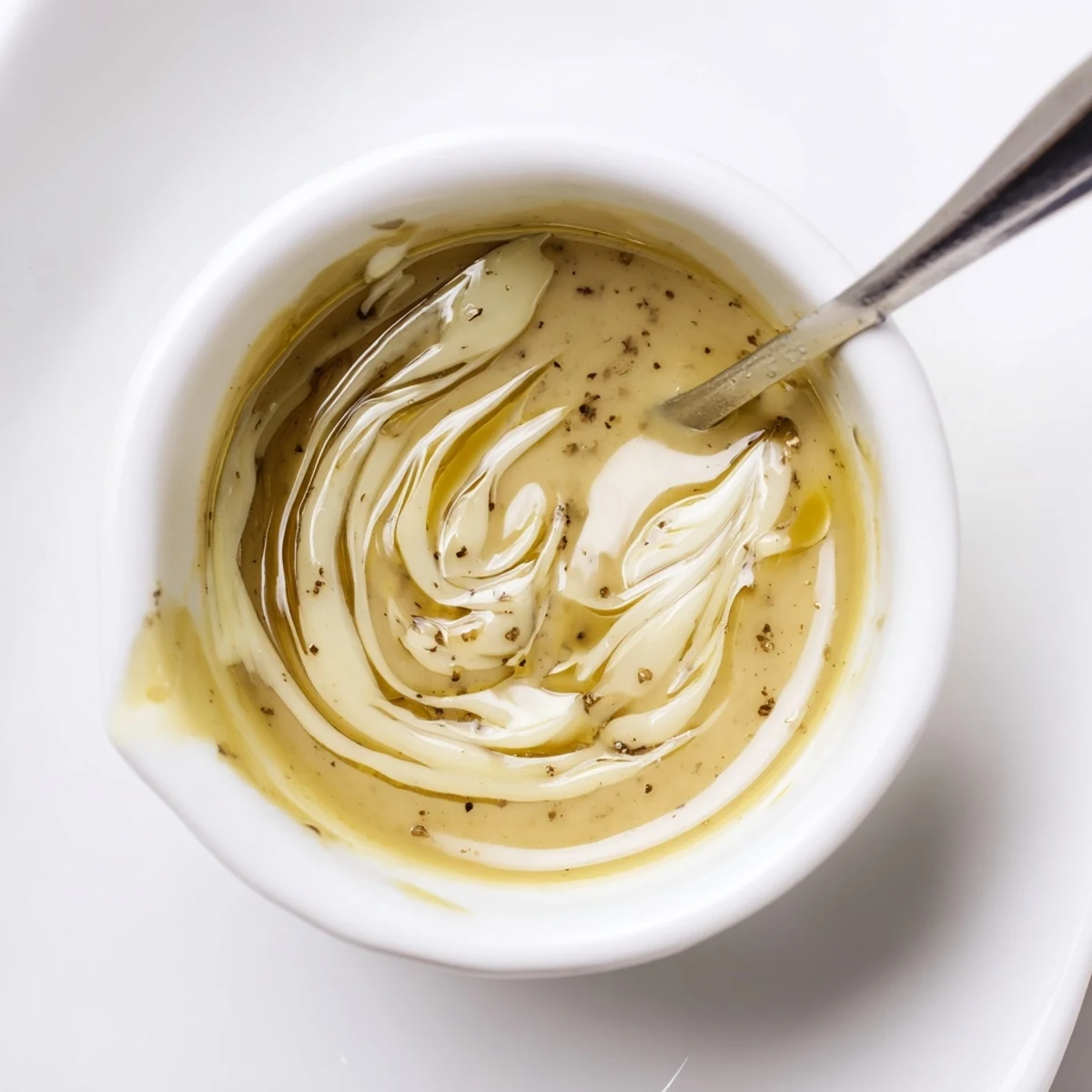
 There is something quietly meditative about standing at the counter with a whisk in hand, watching two liquids that normally repel each other transform into a single silky sauce. It feels like a small kitchen miracle every single time.
Ways to Use It Beyond Salad
This vinaigrette doubles as a marinade for chicken thighs or a finishing drizzle over roasted carrots and beets straight from the oven. I have even tossed warm potatoes with it for a deconstructed potato salad that disappears within minutes at any potluck.
When Dressing Separates
Do not panic if your vinaigrette separates after sitting in the fridge overnight because that is completely natural and just means it contains no artificial stabilizers. Give it a vigorous shake in its jar or another quick whisk in a bowl and it will come back together beautifully.
Making It Your Own
The beauty of a vinaigrette this simple is that it invites endless variation once you feel confident with the base technique. Think of it as a canvas rather than a strict formula.
- Stir in a tablespoon of chopped fresh tarragon or chives for a grassy herbal lift that feels instantly more refined.
- Swap the honey for a squeeze of lemon juice when you want something sharper and more assertive alongside rich ingredients.
- Always taste on a piece of the actual food you plan to dress before committing to the seasoning level.
 Pin this
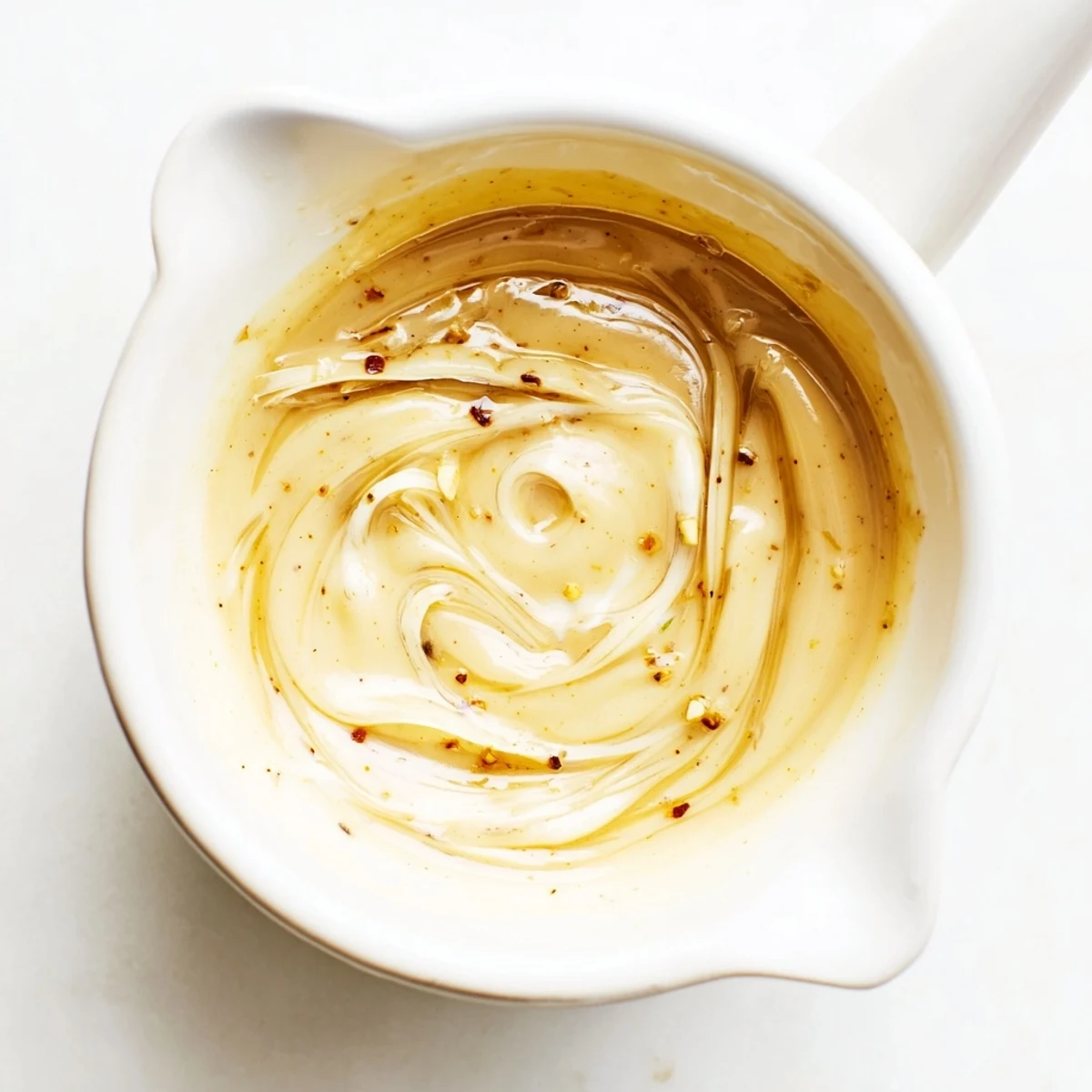
 Keep a jar of this in your refrigerator and weeknight dinners suddenly feel a little more considered, a little more intentional, without requiring any extra effort at all.
Recipe FAQs
- → How do I get a stable emulsion?
-
Whisk the mustard and vinegar first, then add the oil in a slow, steady stream while continuously whisking. The mustard acts as an emulsifier and helps bind the oil and vinegar into a smooth dressing.
- → How long will this keep in the fridge?
-
Stored in a sealed jar, the vinaigrette keeps for up to one week. Shake or whisk before using, as separation is natural over time.
- → Can I swap the oil or vinegar?
-
Yes. Extra-virgin olive oil gives richness, but lighter oils like avocado or grapeseed work too. White wine vinegar can be replaced with red wine vinegar or lemon juice for a different acidity profile.
- → How can I adjust sweetness and acidity?
-
Balance by adding a bit more honey or maple syrup to soften sharpness, or increase vinegar to make the dressing tangier. Taste and adjust in small increments until it suits your palate.
- → What herbs or additions work well?
-
Chopped parsley, tarragon, or chives add freshness. A pinch of Dijon or whole-grain mustard variation, a touch of shallot, or a squeeze of lemon also complement the mustard base.
- → Is the mustard an allergen I should note?
-
Yes. Dijon mustard is a common allergen; check ingredient labels for additives. Note dietary restrictions when serving to guests.
- → Can I use this as a marinade?
-
Absolutely. The vinaigrette works well as a short marinade for chicken, fish, or vegetables—allow 15–30 minutes for flavor to penetrate before cooking.