
 Pin this
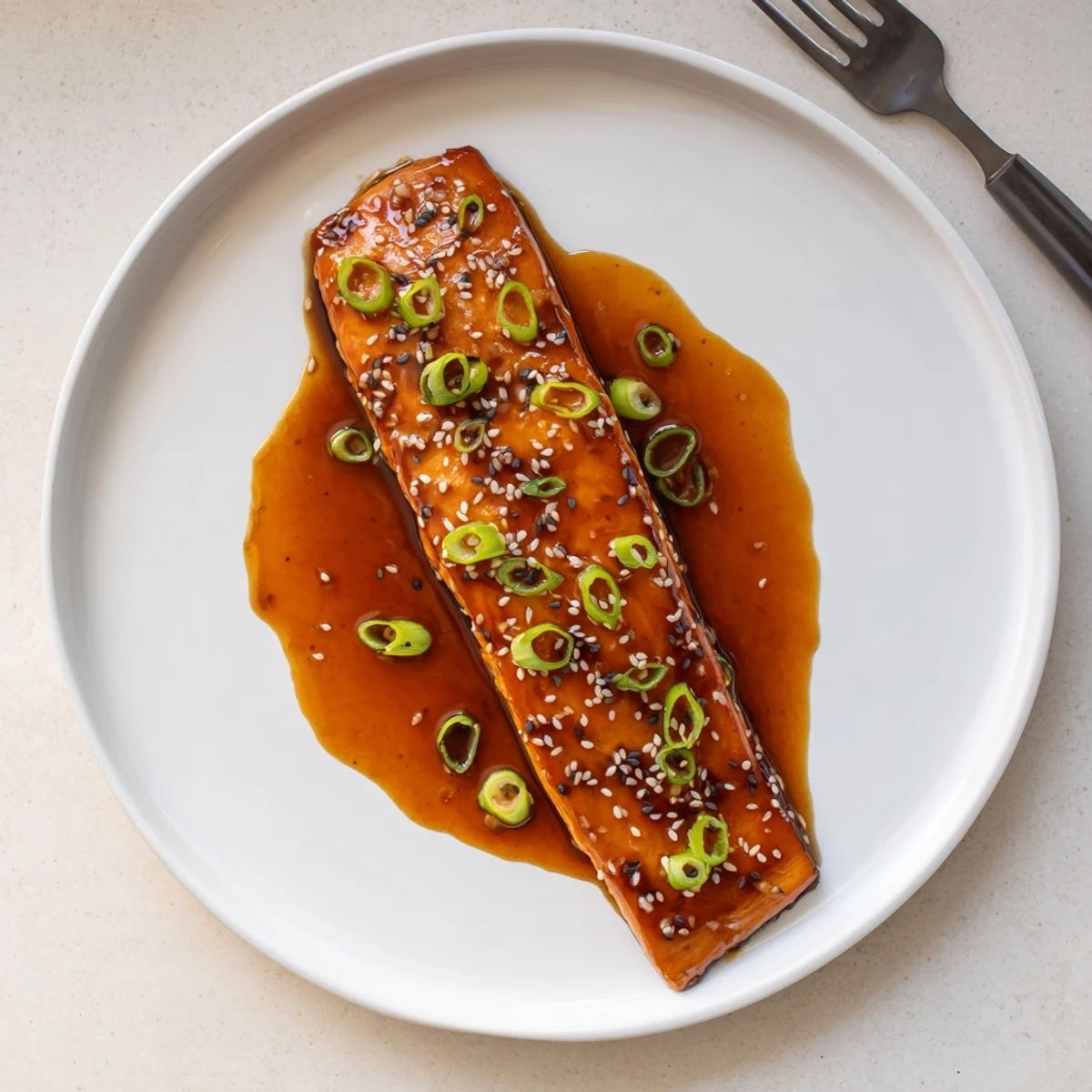
 This gluten-free teriyaki salmon brings bold Asian flavors to your table in just 25 minutes. Succulent skin-on salmon fillets are baked to perfection and coated in a luscious homemade teriyaki sauce made with tamari, maple syrup, rice vinegar, and sesame oil.
The sauce comes together in a small saucepan, thickened with a simple cornstarch slurry for that classic glossy finish. Brush it generously over the salmon before baking until it flakes easily with a fork.
Garnished with toasted sesame seeds and sliced spring onions, this dish pairs beautifully with steamed jasmine rice or sautéed vegetables for a complete, wholesome meal.
The sizzle of salmon hitting a hot pan is one of those sounds that instantly makes a kitchen feel alive, and the first time I paired it with a homemade gluten free teriyaki glaze, the smell alone had my neighbor knocking on the door asking what I was cooking. It became a Tuesday night staple after that, mostly because it takes almost no effort but tastes like something you would order at a restaurant.
One rainy evening my sister stopped by unannounced and I had nothing planned, so I threw this together with the last four fillets in my freezer and a half empty bottle of tamari. She now texts me every few weeks asking for the sauce ratios, and I pretend I do not have them memorized by heart.
Ingredients
- 4 skin on salmon fillets (about 150g each): Skin on holds together beautifully during baking and crisps up slightly if you finish under the broiler for a minute.
- 60 ml gluten free tamari: This is your salt and umami backbone, and using a certified gluten free brand keeps the whole dish safe for anyone with sensitivities.
- 60 ml pure maple syrup: Maple gives a rounder, more complex sweetness than refined sugar, though honey works beautifully if that is what you have on hand.
- 2 tbsp rice vinegar: A splash of acidity balances the sweetness and keeps the glaze from tasting cloying.
- 1 tbsp sesame oil: Just a small amount adds a deeply nutty aroma that makes the sauce taste like it simmered all afternoon.
- 2 cloves garlic, minced: Fresh garlic minced right before cooking gives a sharper, more vibrant punch than the jarred version.
- 1 tsp fresh ginger, grated: Grate it finely so it melts into the sauce rather than leaving chewy bits behind.
- 1 tsp cornstarch plus 2 tsp cold water: This slurry is the magic trick that turns a thin liquid into a clinging, glossy glaze in about two minutes.
- 1 tsp toasted sesame seeds: Toast them in a dry pan for thirty seconds and you will never go back to the raw ones.
- 2 spring onions, thinly sliced: Scatter these on at the very end for a fresh crunch and a hit of color.
Instructions
- Build the sauce base:
- Combine tamari, maple syrup, rice vinegar, sesame oil, garlic, and ginger in a small saucepan over medium heat, stirring until it begins to bubble gently around the edges.
- Thicken the glaze:
- Whisk the cornstarch and cold water together in a small bowl until smooth, then pour it into the simmering sauce while whisking constantly until it coats the back of a spoon, about two minutes.
- Preheat and prepare:
- Set your oven to 200 degrees Celsius (400 degrees Fahrenheit) and line a baking tray with parchment paper so cleanup is effortless later.
- Glaze the salmon:
- Place the fillets skin side down on the tray and brush them generously with the teriyaki sauce, saving a little extra for serving.
- Bake until flaky:
- Slide the tray into the oven for twelve to fifteen minutes, checking at the twelve minute mark by gently pressing a fork into the thickest part to see if it flakes easily.
- Finish and serve:
- Sprinkle each fillet with toasted sesame seeds and sliced spring onions, drizzling any reserved sauce over the top before bringing plates to the table.
 Pin this
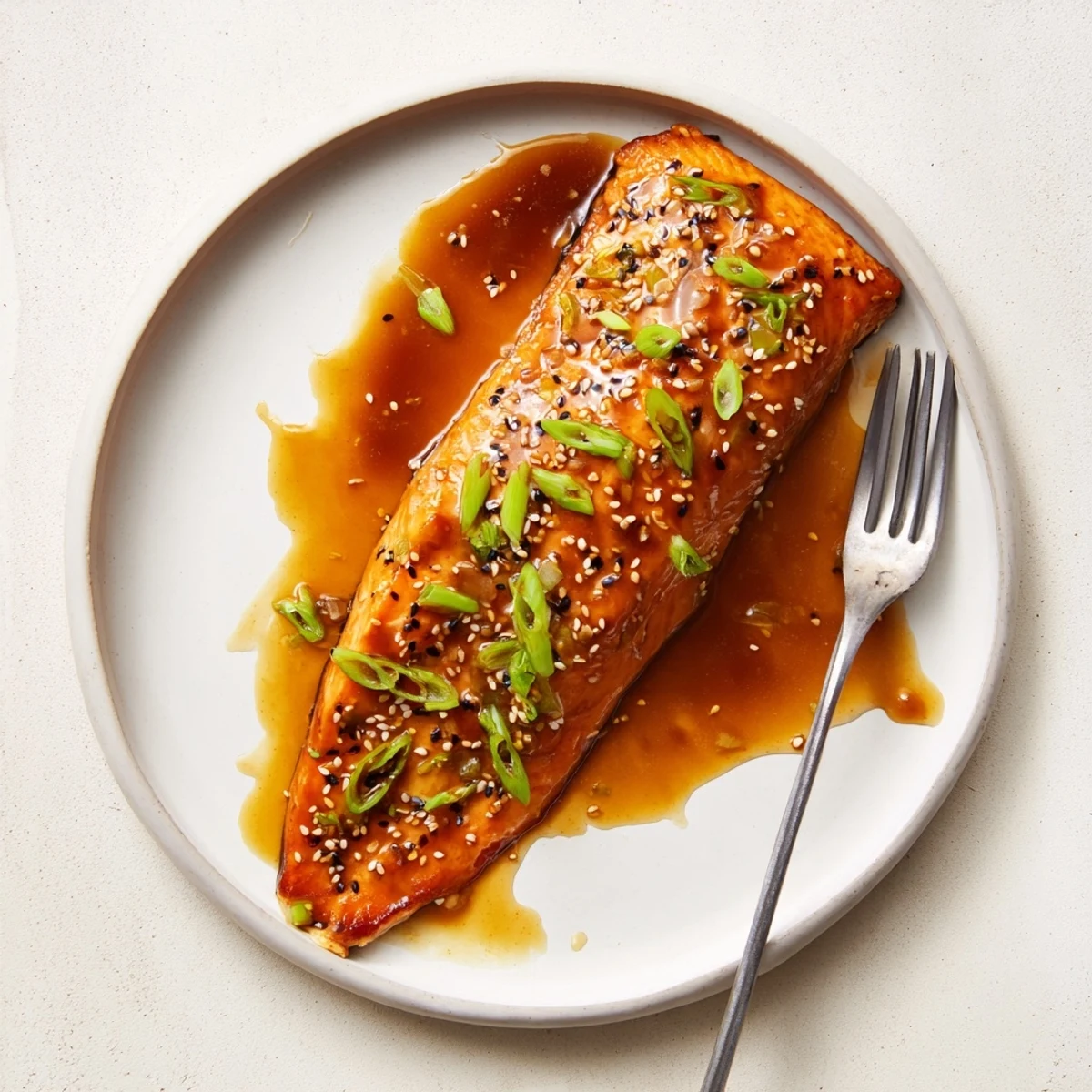
 There is something about the way this glistening fillet looks on a white plate that makes it feel like a celebration, even on a random weeknight when the dishwasher is already full and the dog is waiting for his walk.
What to Serve Alongside
Steamed jasmine rice soaks up the extra sauce like a dream, and a quick sauté of bok choy or snap peas adds crunch without adding much cooking time. I have also served this over cold soba noodles in summer and it disappears just as fast.
Making It Your Own
A pinch of red chili flakes stirred into the sauce gives it a subtle heat that builds with each bite, and a squeeze of lime juice at the end brightens everything up if the maple syrup leans too sweet for your taste. Swapping honey for the maple syrup creates a slightly more floral sweetness that pairs especially well with the ginger.
Getting Ahead and Storing Leftovers
The teriyaki sauce can be made up to five days in advance and stored in a jar in the fridge, which turns a weeknight dinner into almost no active work. Leftover salmon keeps well for two days and makes an incredible cold lunch flaked over a salad with a sesame vinaigrette.
- Double the sauce recipe and keep half in the fridge for chicken or tofu later in the week.
- Pat the salmon fillets dry with a paper towel before glazing so the sauce adheres properly.
- Always check tamari and vinegar labels for gluten free certification, because cross contamination can appear in unexpected brands.
 Pin this
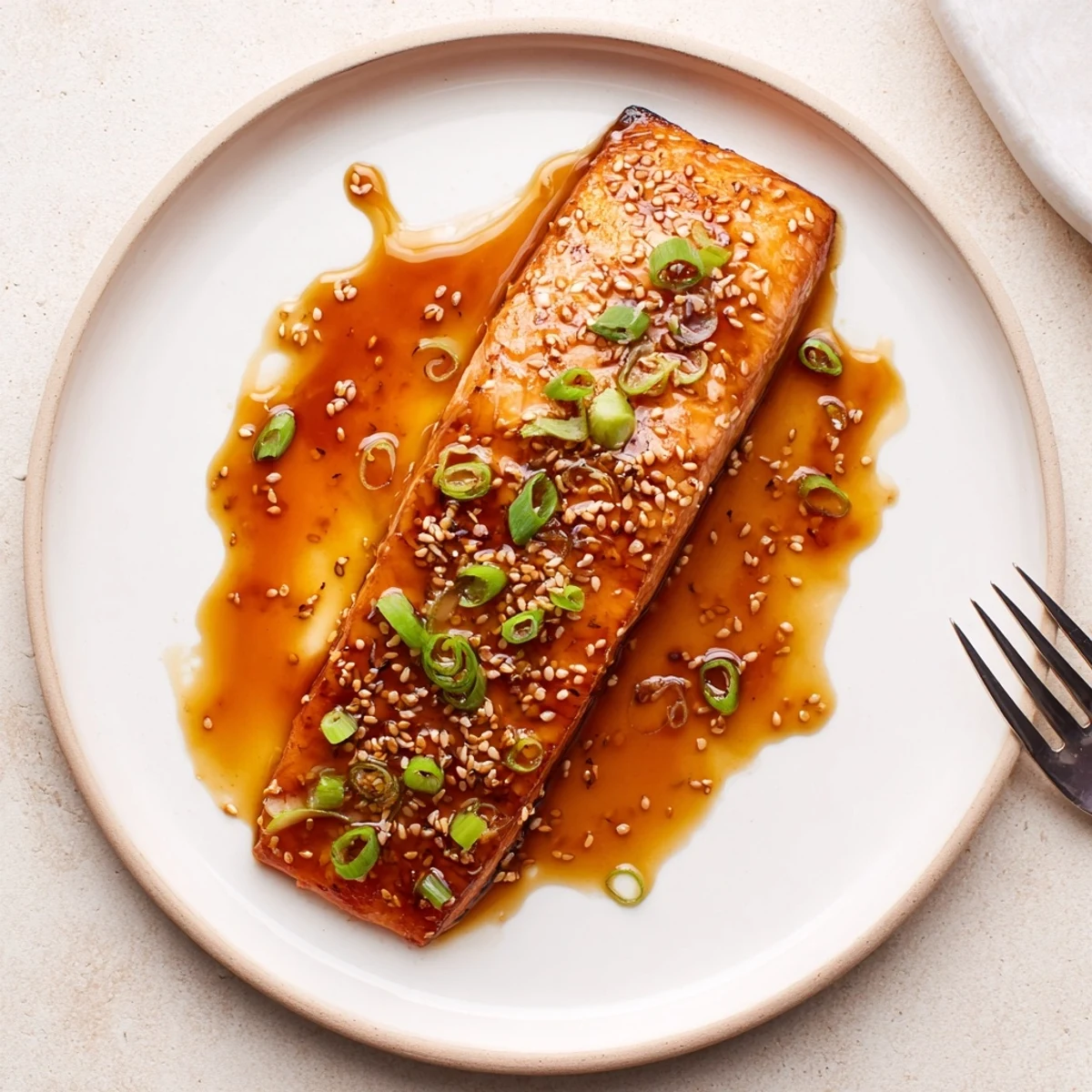
 Keep this one in your back pocket for nights when you want something beautiful with almost no fuss. The sauce alone is worth memorizing.
Recipe FAQs
- → What type of salmon works best for teriyaki?
-
Skin-on salmon fillets are ideal because the skin helps retain moisture during baking and holds the teriyaki glaze beautifully. Fresh or properly thawed fillets about 150g each work best for even cooking.
- → Can I pan-fry the salmon instead of baking?
-
Yes, you can sear the salmon in an oven-safe skillet skin-side down for about 4 minutes, then brush with teriyaki sauce and finish in the oven at 200°C for 8-10 minutes. This method gives a crispier skin.
- → How do I know when the salmon is fully cooked?
-
The salmon is done when it flakes easily with a fork and reaches an internal temperature of 63°C (145°F). The flesh should be opaque and slightly pink in the center. Avoid overcooking to maintain its tender texture.
- → What can I substitute for maple syrup in the teriyaki sauce?
-
Honey is an excellent substitute for maple syrup and provides a slightly different sweetness profile. Brown sugar can also work in a pinch. Keep in mind that honey will make the sauce slightly thicker and richer.
- → How should I store leftover teriyaki salmon?
-
Store leftovers in an airtight container in the refrigerator for up to 3 days. Reheat gently in the oven at 160°C (325°F) or in a skillet over low heat to avoid drying out the fish. The teriyaki sauce can be stored separately for up to a week.
- → Is tamari the same as regular soy sauce?
-
Tamari is a Japanese soy sauce that is typically gluten-free and has a richer, less salty flavor than regular soy sauce. For this dish, using certified gluten-free tamari ensures the meal remains safe for those avoiding gluten while delivering authentic umami flavor.