
 Pin this
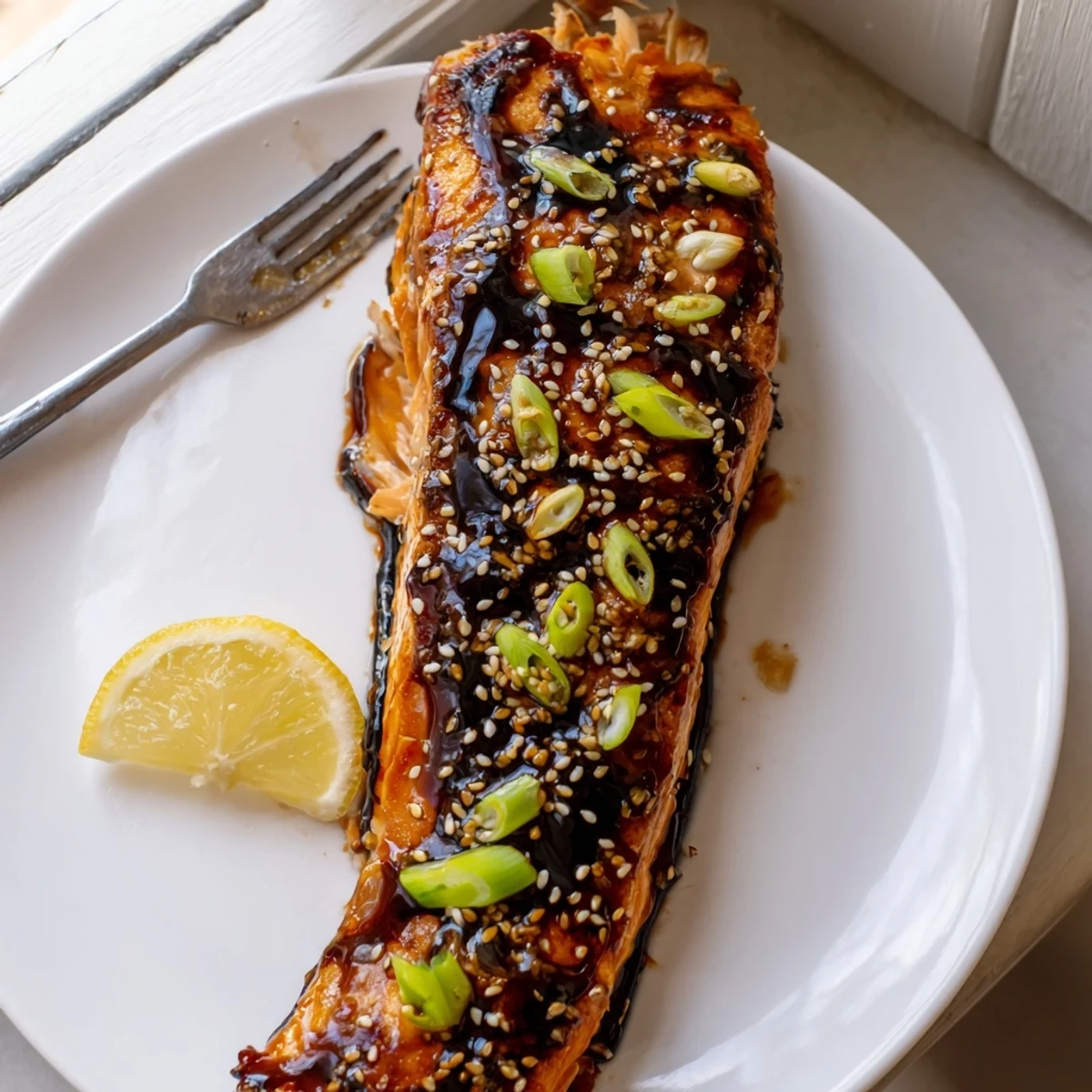
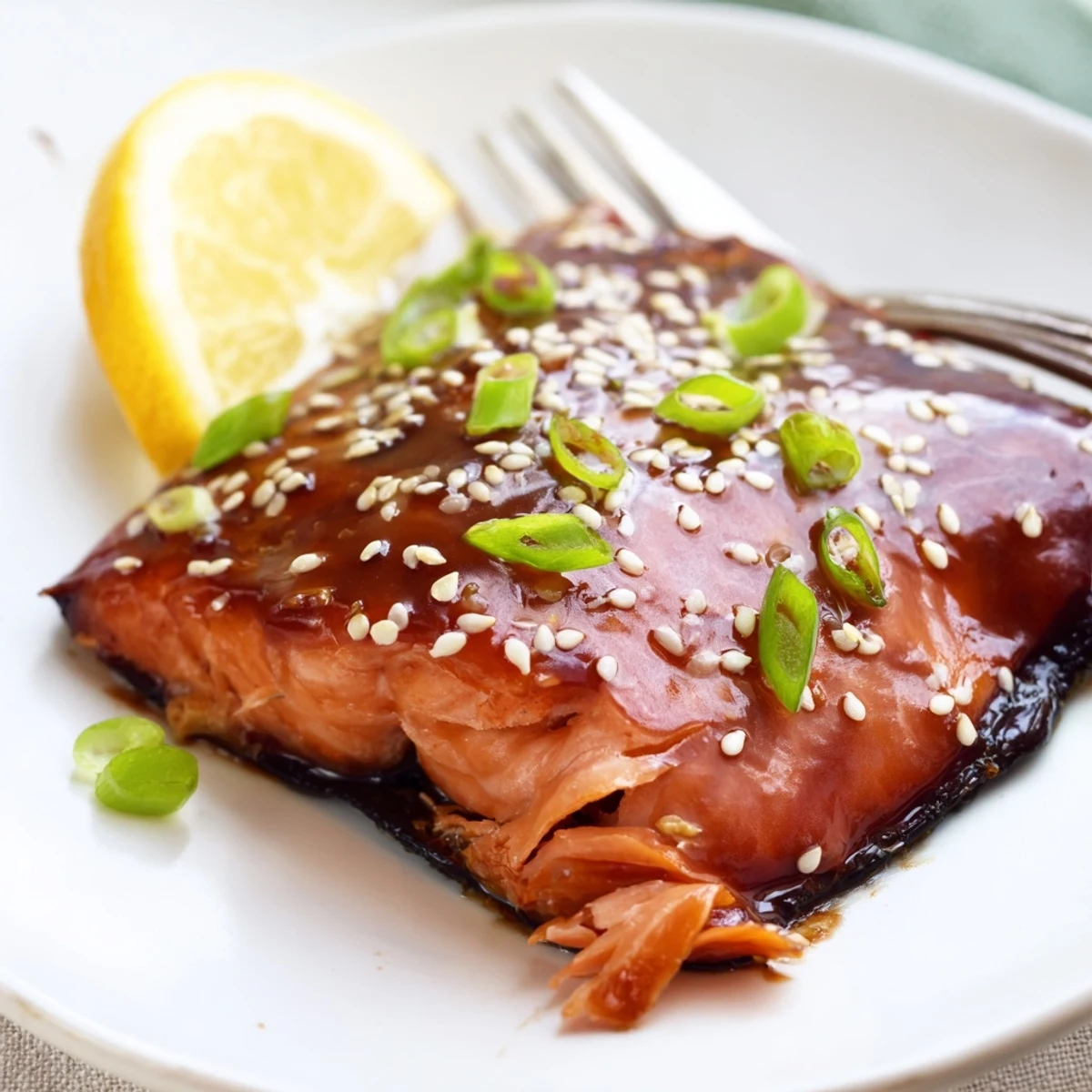
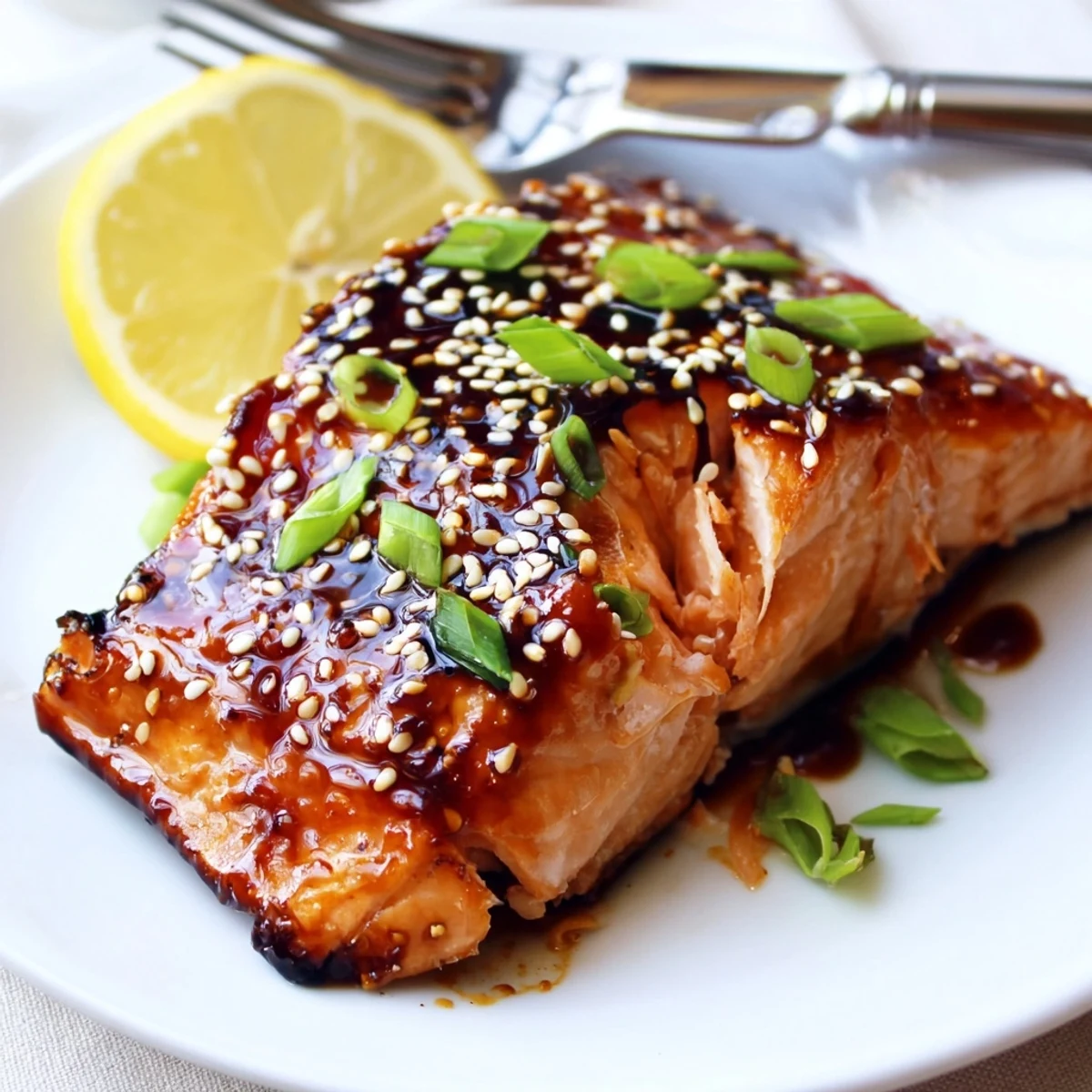
 This gluten-free teriyaki salmon delivers restaurant-quality flavor in just 25 minutes. Salmon fillets are brushed with a luscious homemade teriyaki glaze made from tamari, maple syrup, rice vinegar, and sesame oil, then oven-baked until perfectly flaky.
The sauce thickens on the stovetop with a quick cornstarch slurry, creating a glossy, caramelized coating. A final broil adds irresistible char. Finish with toasted sesame seeds and sliced green onions for a complete Asian-inspired main course.
My apartment smelled like a takeaway shop the night I accidentally discovered that tamari and maple syrup could rival any bottled teriyaki sauce on the shelf. I had run out of the store bought glaze and started throwing things into a saucepan with that reckless confidence only hunger can inspire. The salmon came out of the oven looking like something from a restaurant kitchen, and my roommate actually stopped mid sentence when she walked in. That batch was supposed to last two nights but it barely survived one.
I have made this for Friday night dinners when friends gather around the kitchen counter waiting for the broiler to work its magic on those last two minutes of caramelization. There is always someone who leans over the baking sheet the moment it comes out of the oven, unable to resist sneaking a corner piece before it even reaches a plate.
Ingredients
- 4 salmon fillets (about 150 g each): Skin on gives you a crispy bottom layer that holds up beautifully under the glaze, but skin off works fine if that texture is not your thing.
- 60 ml gluten free tamari: This is your umami backbone and the reason you do not miss regular soy sauce at all.
- 2 tbsp pure maple syrup: Adds a rounded, earthy sweetness that honey simply cannot replicate, though honey works in a pinch.
- 2 tbsp rice vinegar: Balances the richness with a gentle acidity that keeps the sauce from feeling heavy.
- 1 tbsp sesame oil: A little goes a long way and imparts that toasty, nutty aroma you associate with good Asian cooking.
- 2 cloves garlic, minced: Fresh is nonnegotiable here because the jarred stuff gets lost in the bold flavors.
- 1 tsp fresh ginger, grated: Microplane it directly into the pan for the most vibrant, peppery warmth.
- 1 tbsp cornstarch mixed with 2 tbsp cold water: This slurry is what transforms a thin liquid into a sauce that actually coats the fish.
- 1 tbsp toasted sesame seeds: Toasted is the key word because raw sesame seeds add nothing but texture.
- 2 green onions, thinly sliced: Slice them on a sharp bias for visual appeal and a mild onion bite.
- Lemon wedges: Optional but a quick squeeze at the end brightens every element on the plate.
Instructions
- Get the oven ready:
- Preheat your oven to 200 degrees Celsius (400 degrees Fahrenheit) and line a baking sheet with parchment paper so the glaze does not weld itself to the pan.
- Build the teriyaki sauce:
- Combine the tamari, maple syrup, rice vinegar, sesame oil, garlic, and ginger in a small saucepan over medium heat and let it come to a gentle simmer until the kitchen smells incredible.
- Thicken the glaze:
- Whisk in the cornstarch slurry and keep stirring constantly for one to two minutes until the sauce turns glossy and coats the back of a spoon, then pull it off the heat.
- Glaze the salmon:
- Arrange the fillets on your prepared baking sheet and brush them generously with the sauce, saving a little for finishing.
- Bake until perfect:
- Slide the tray into the oven for twelve to fifteen minutes until the salmon is opaque and flakes easily, hitting the broiler for the final two minutes if you want those beautifully caramelized edges.
- Finish and serve:
- Drizzle the remaining sauce over the top, scatter sesame seeds and green onions across each fillet, and serve with lemon wedges on the side.
 Pin this
 The first time I served this to my mother, who has avoided gluten for years, she sat quietly after the first bite and then asked if I was sure there was no regular soy sauce in it because it tasted too good to be safe. That question became a compliment I still think about every time I reach for the tamari.
What to Serve Alongside
Steamed jasmine rice is the obvious companion because it soaks up every drop of extra sauce, but a bed of sautéed bok choy or snap peas adds crunch and color that make the plate feel complete. I have also piled the glazed salmon onto simple rice bowls with quick pickled cucumbers and avocado slices for a weeknight dinner that feels composed without any extra effort.
Storing and Reheating
Leftover salmon keeps well in the fridge for up to two days, though the glaze loses some of its shine overnight. Reheat it gently in a low oven or even a skillet over medium low heat rather than using the microwave, which tends to cook the fish further and dry it out.
A Few Final Thoughts
Every batch teaches you something small about timing and personal preference, so treat the recipe as a guide rather than a rigid set of rules. Trust your instincts and adjust the sweetness or acidity to match what you are craving.
- If you have time, marinate the salmon in half the sauce for thirty minutes before baking for deeper flavor penetration.
- A chilled glass of Sauvignon Blanc pairs beautifully with the richness of the glaze.
- Always double check that your tamari is certified gluten free because labels can be sneaky.
 Pin this
 Keep this one in your back pocket for nights when you want something impressive without the fuss, because good food does not have to be complicated to feel special.
Recipe FAQs
- → Can I use regular soy sauce instead of tamari?
-
Yes, but tamari is recommended for a gluten-free diet. Regular soy sauce contains wheat. If gluten is not a concern, standard soy sauce works perfectly and delivers a similar umami depth.
- → How do I know when the salmon is fully cooked?
-
The salmon is done when it turns opaque throughout and flakes easily with a fork. An internal temperature of 63°C (145°F) is ideal. Overcooking will dry out the fish, so check at the 12-minute mark.
- → Can I marinate the salmon before baking?
-
Absolutely. For deeper flavor, reserve half the teriyaki sauce and marinate the fillets for 30 minutes before baking. Use the remaining sauce for glazing during and after cooking.
- → What sides pair well with teriyaki salmon?
-
Steamed jasmine rice, sautéed bok choy, stir-fried snap peas, or a simple cucumber salad all complement the rich umami glaze beautifully. A crisp Sauvignon Blanc is an excellent wine pairing.
- → Can I make the teriyaki sauce ahead of time?
-
Yes, the sauce can be prepared up to 5 days in advance and stored in an airtight container in the refrigerator. Gently reheat on the stovetop before brushing onto the salmon.
- → Is this dish suitable for meal prep?
-
It works well for meal prep. Store cooked salmon and sauce separately in the refrigerator for up to 3 days. Reheat gently to avoid overcooking the fish. The glaze maintains its flavor nicely when reheated.