
 Pin this
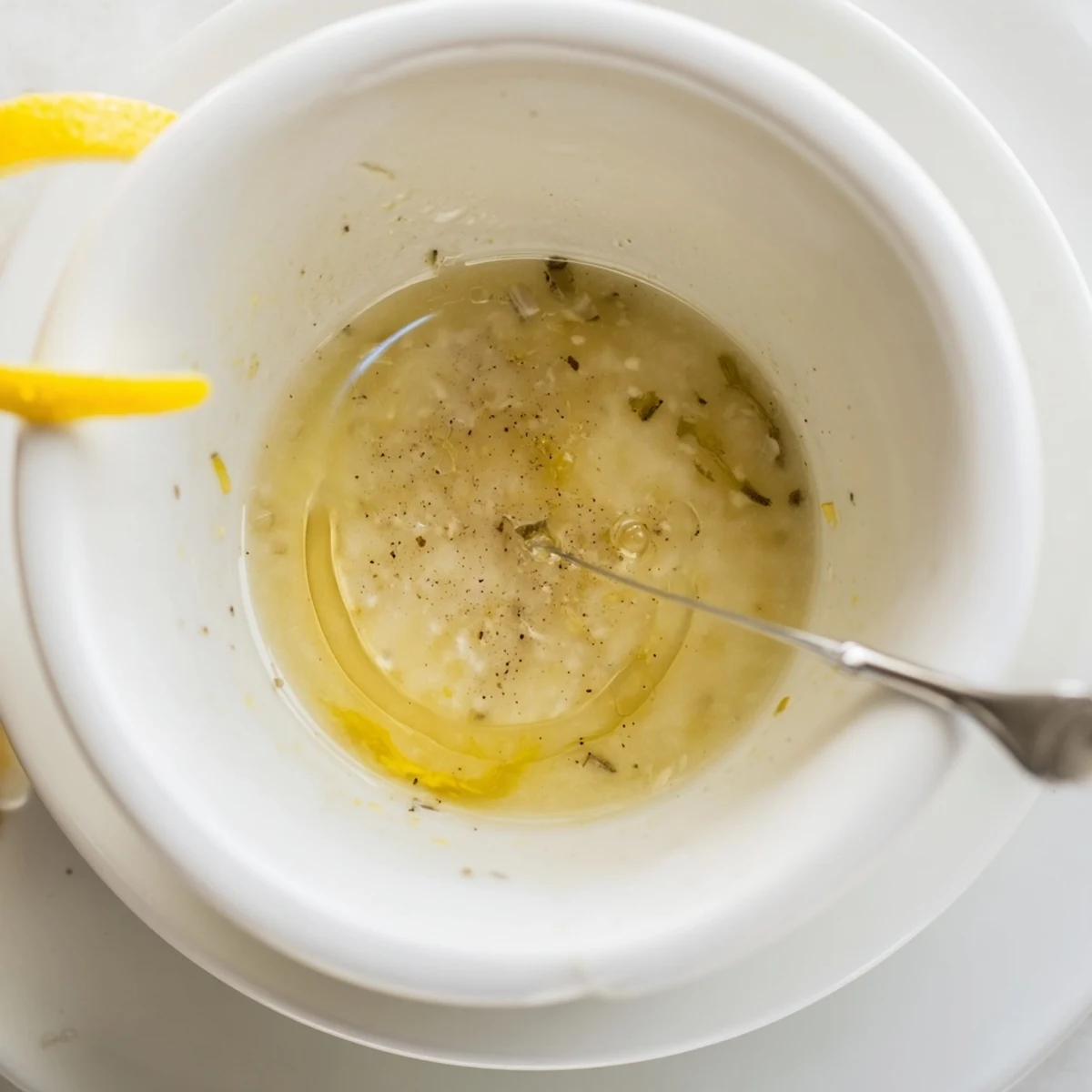
 Ready in 5 minutes and yielding about 3/4 cup, this Ina Garten lemon vinaigrette blends 1/4 cup fresh lemon juice, 1/2 cup extra-virgin olive oil, 1 tsp Dijon, salt, pepper and optional honey. Whisk or shake until fully emulsified. Add minced garlic or dried herbs for depth, swap maple syrup for honey to make it vegan, and refrigerate up to one week. Use on salads, roasted vegetables, or as a quick marinade.
My kitchen counter was a mess of half squeezed lemons and olive oil bottles the afternoon I realized Ina Garten had been right all along: simple is always better. I had been buying bottled vinaigrettes for years, convincing myself they were convenient, until a friend drizzled something homemade over a bowl of greens and I tasted the difference immediately. That night I went home and mixed lemon juice with olive oil in a jam jar, shaking it like my life depended on it. It was revelatory.
I made a double batch for a backyard dinner last summer, setting it beside a pile of grilled vegetables and crusty bread, and three people asked for the recipe before dessert even appeared.
Ingredients
- Freshly squeezed lemon juice (1/4 cup, about 2 lemons): Bottled juice will not give you the same vibrancy, so squeeze your own and strain out the seeds.
- Extra virgin olive oil (1/2 cup): Use the good stuff here since it is the backbone of the dressing and its flavor really comes through.
- Dijon mustard (1 teaspoon): This is the emulsifier that holds everything together and adds a subtle warmth.
- Sea salt (1 teaspoon): Fine sea salt dissolves quickly and distributes evenly throughout the vinaigrette.
- Freshly ground black pepper (1/2 teaspoon): Pre ground tastes flat, so crack it fresh right into the bowl.
- Honey (1 teaspoon, optional): A small amount rounds off the sharpness and makes the dressing more versatile for picky eaters.
Instructions
- Build the base:
- In a small bowl or glass jar, combine the lemon juice, Dijon mustard, sea salt, black pepper, and honey if you are using it. Stir or shake until the salt dissolves and everything looks unified.
- Stream in the oil:
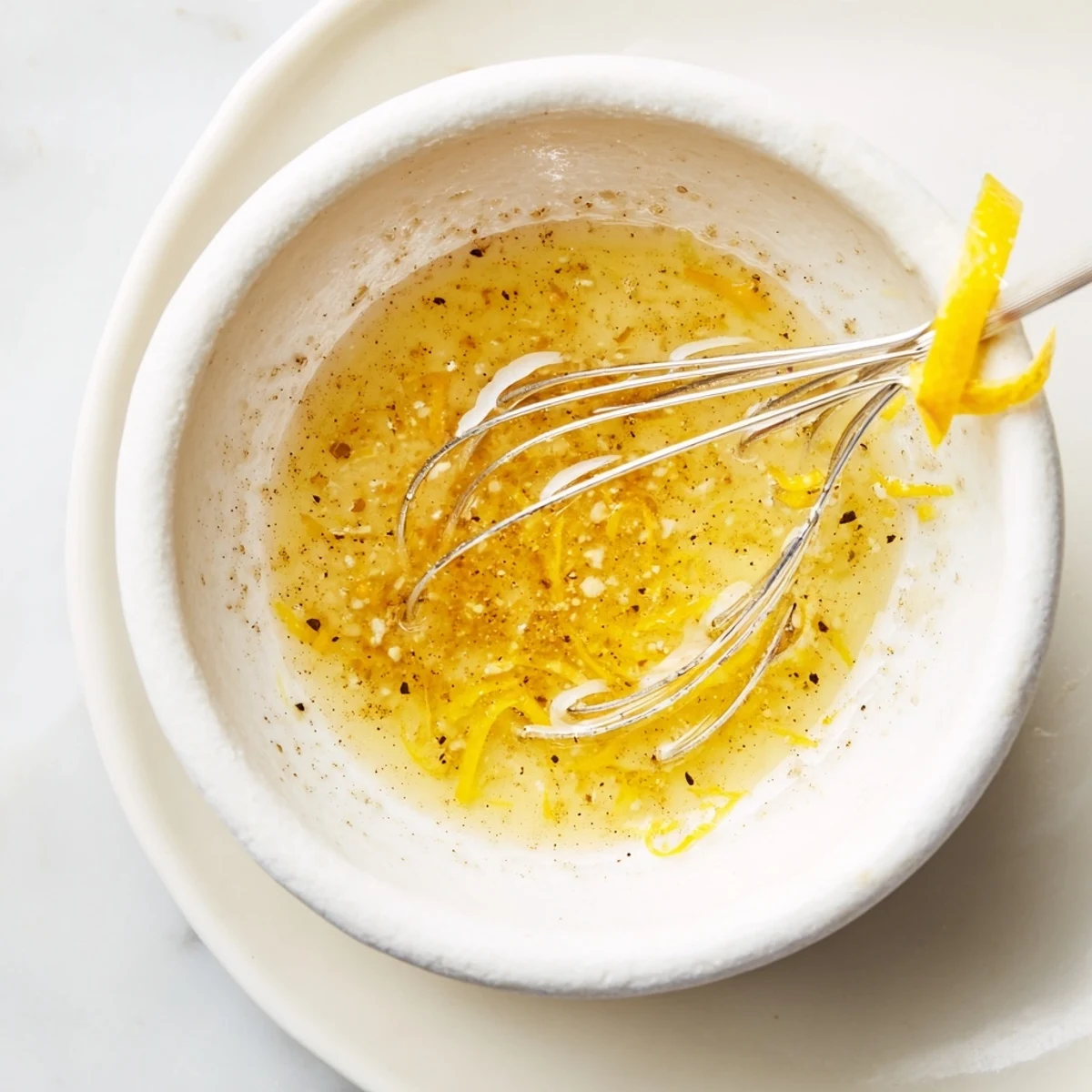
- Slowly whisk in the olive oil, pouring it in a thin steady stream so the mixture emulsifies into something creamy and smooth rather than separated.
- Taste and adjust:
- Dip a lettuce leaf or a spoon in and see if it needs more salt, pepper, or a squeeze of lemon. Trust your palate over the written measurements.
- Store or serve:
- Use it right away or tuck it into the fridge in a sealed container for up to one week. Shake it vigorously before each use because separation is natural and nothing to worry about.
 Pin this
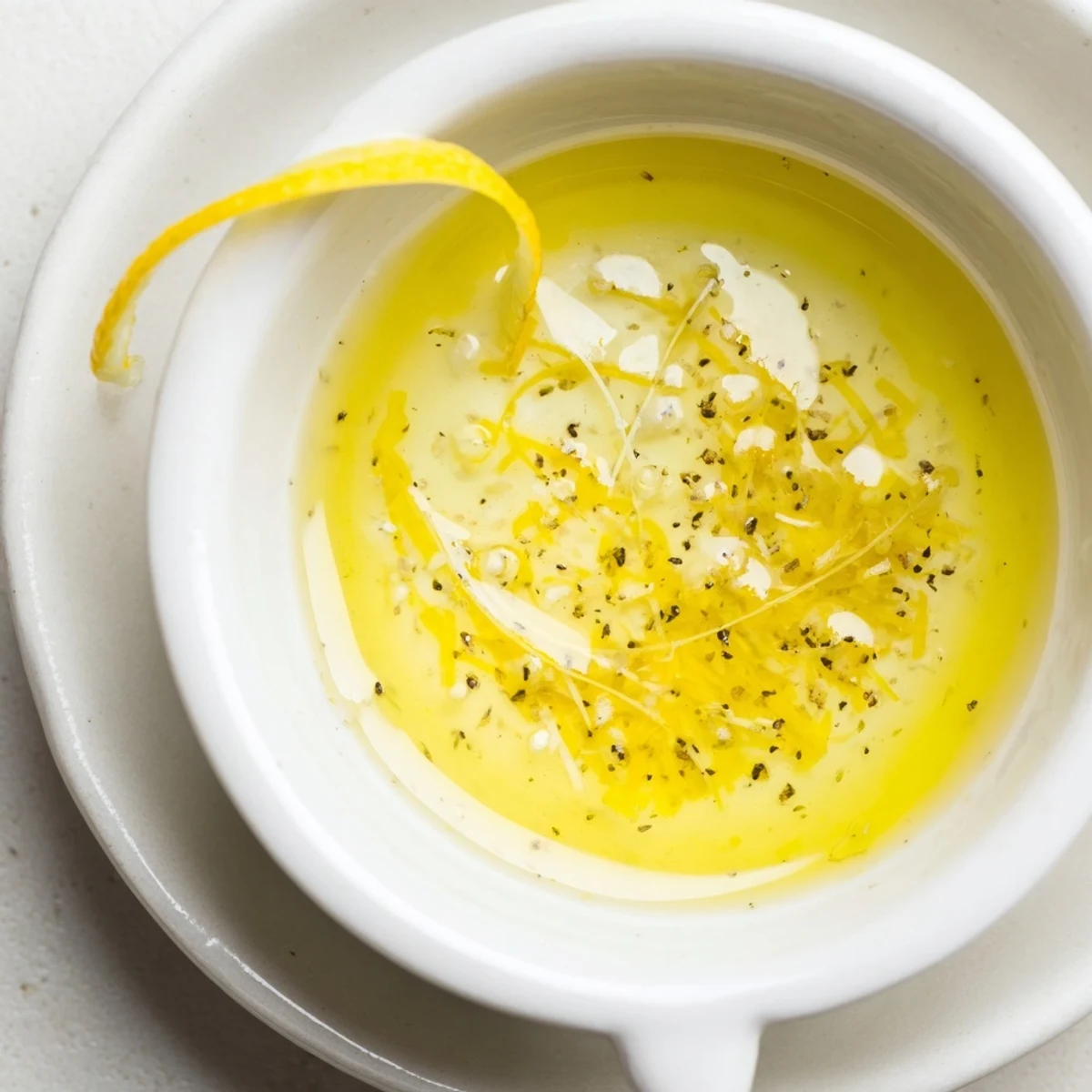
 There is something deeply satisfying about shaking a jar of something you made yourself and watching it turn golden and silky right before your eyes.
What to Drizzle It Over
This dressing goes far beyond lettuce. I have tossed it with roasted potatoes, spooned it over grilled chicken, and even used it as a quick marinade for shrimp that later hit a hot skillet.
Making It Your Own
Swap the honey for maple syrup if you want it vegan, or add a smashed garlic clove if you like a little bite. The ratios are forgiving, so once you understand the balance of acid to oil you can riff endlessly.
A Few Last Thoughts
Keep a jar in your fridge at all times and you will find yourself reaching for it more than you expect. It is one of those small habits that makes everyday meals feel a little more intentional.
- Always check mustard labels if you are cooking for someone with allergies.
- A jam jar with a tight lid makes the perfect shaker vessel.
- Bring the dressing to room temperature and shake again before serving if it has been chilled.
 Pin this
 Once you start making vinaigrette from scratch, you will never go back to the bottle. It is honestly that simple and that good.
Recipe FAQs
- → How do I get a smooth, stable emulsion?
-
Whisk the vinegar or lemon juice with Dijon, salt and any sweetener first, then drizzle the olive oil in slowly while whisking continuously. Using a jar and shaking vigorously or a blender can create a quicker, more stable emulsion.
- → Can I make this dairy-free or vegan?
-
Yes. The dressing is naturally dairy-free; substitute maple syrup for honey to make it vegan. Emulsify as usual and taste-adjust with salt and pepper.
- → How long does the vinaigrette keep in the fridge?
-
Stored in a sealed container, it keeps up to one week. Separation is normal—shake or whisk before using. Discard if it develops off odors or cloudiness beyond normal separation.
- → Can I use this as a marinade for proteins?
-
Yes. It works well as a short marinade for chicken or seafood—limit marinating time to 30 minutes to 2 hours for delicate proteins to avoid over-acidifying.
- → What can I add for more flavor?
-
Stir in minced garlic, finely chopped fresh herbs (thyme, oregano, or parsley), or a pinch of red pepper flakes. A little grated lemon zest brightens the vinaigrette without changing the balance.
- → What if I’m allergic to mustard?
-
If you need to avoid Dijon, omit it and whisk more vigorously while adding the oil slowly. Small alternatives for emulsifying include a pinch of xanthan gum or a teaspoon of mashed avocado; adjust seasoning to taste.