
 Pin this
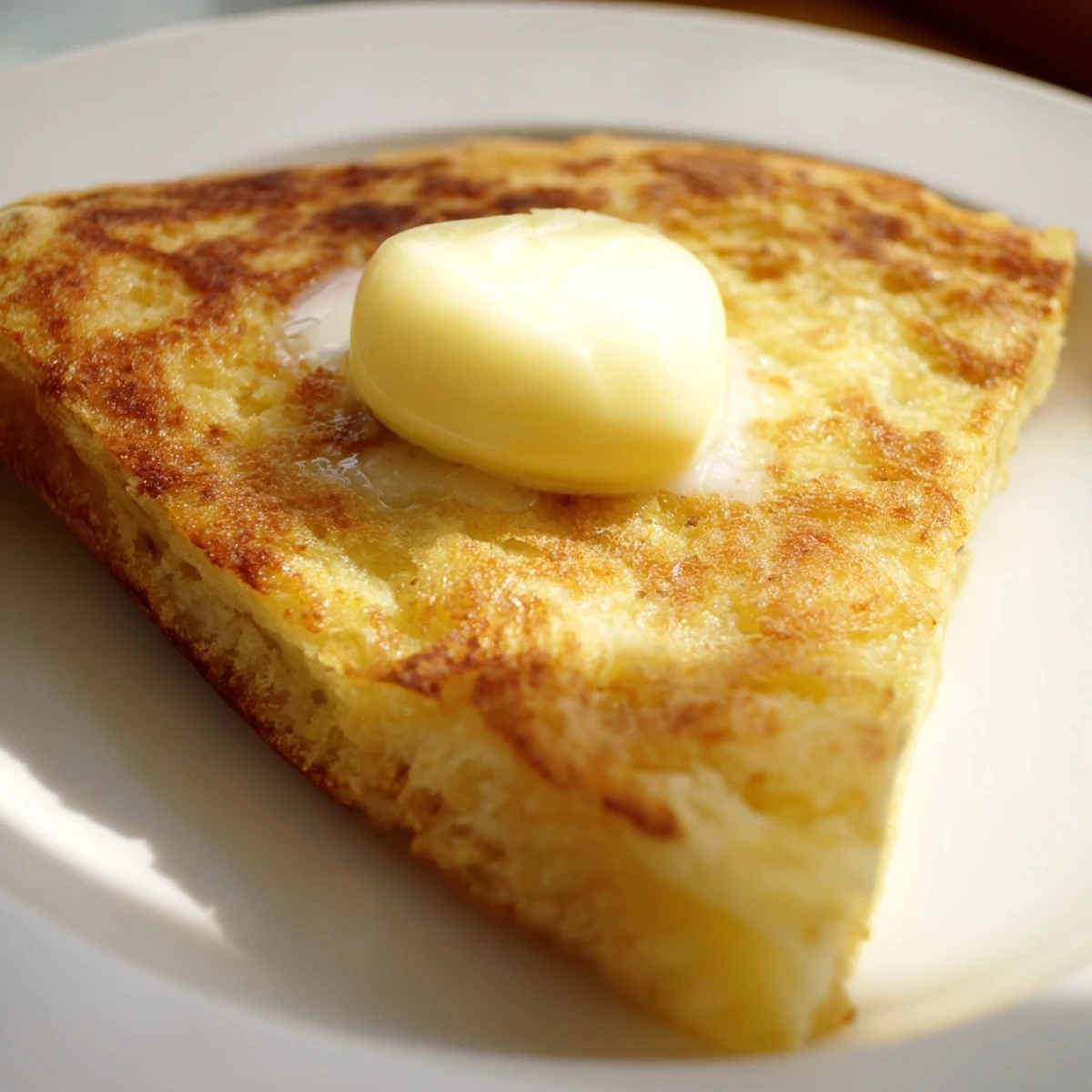
 This traditional Irish potato bread is a delightful, easy-to-make staple. Start by boiling and mashing floury potatoes until smooth. Combine them with butter and milk, then gently mix with flour, salt, and baking powder to form a soft dough.
Roll or pat the dough to a 1cm thickness and cut into portions. Pan-fry until golden and crisp on both sides, then serve warm, generously spread with butter. Perfect for breakfast or as a side dish, offering a soft texture and rich flavor. Customize with chives for an extra touch.
The scent of earthy potatoes steaming on the stove, mingling with melting butter, always brings me back to crisp autumn mornings. There's something so profoundly comforting about transforming humble ingredients into something truly special, and this Irish potato bread does just that. I first learned about it from an old cookbook I inherited, its pages stained and worn, promising a simple joy I quickly fell in love with.
I remember one blustery Sunday, we had unexpected guests drop by just as I was making a batch. The kitchen filled with such a warm, inviting aroma, and everyone just gathered around the pan, snatching pieces as they came off the heat. It felt less like cooking and more like a cozy, impromptu celebration of good food and company.
Ingredients
- Potatoes: Floury potatoes, like Russet or Maris Piper, are your best friend here, providing that lovely fluffy texture when mashed.
- Unsalted Butter: This gives you control over the saltiness, but don't skimp on the extra for serving—it's essential!
- Whole Milk: A touch of whole milk adds richness and helps create a beautifully tender dough.
- All-Purpose Flour: Just enough to bind everything together without making the bread tough.
- Fine Sea Salt: Balances the potato's natural sweetness and enhances all the flavors.
- Baking Powder: This little helper gives the bread a pleasant, subtle lift, making it delightfully light.
Instructions
- Boil & Mash to Perfection:
- Get those peeled and quartered potatoes bubbling away in salted water until they're soft enough to practically melt, about 15 minutes. Drain them really well, then pop them back into the hot pot for a minute to steam off any lingering moisture. Don't be shy with the masher; we're aiming for silky smooth and lump-free.
- Enrich with Dairy:
- While the potatoes are still piping hot, stir in that lovely butter and whole milk. The warmth will help everything melt and combine seamlessly into the mash.
- Combine Wet & Dry:
- In a separate large bowl, whisk together your flour, salt, and baking powder. Now, gently add the warm potato mixture to the dry ingredients and mix with a light hand until a soft, pliable dough forms.
- Shape Your Bread:
- Turn the dough out onto a lightly floured surface and give it a very brief, gentle knead—just until it comes together smoothly. Pat or roll it out to about 1 cm (½ inch) thick, then cut into 8 rustic triangles or neat rounds, whichever you prefer.
- Pan-Fry to Golden Glory:
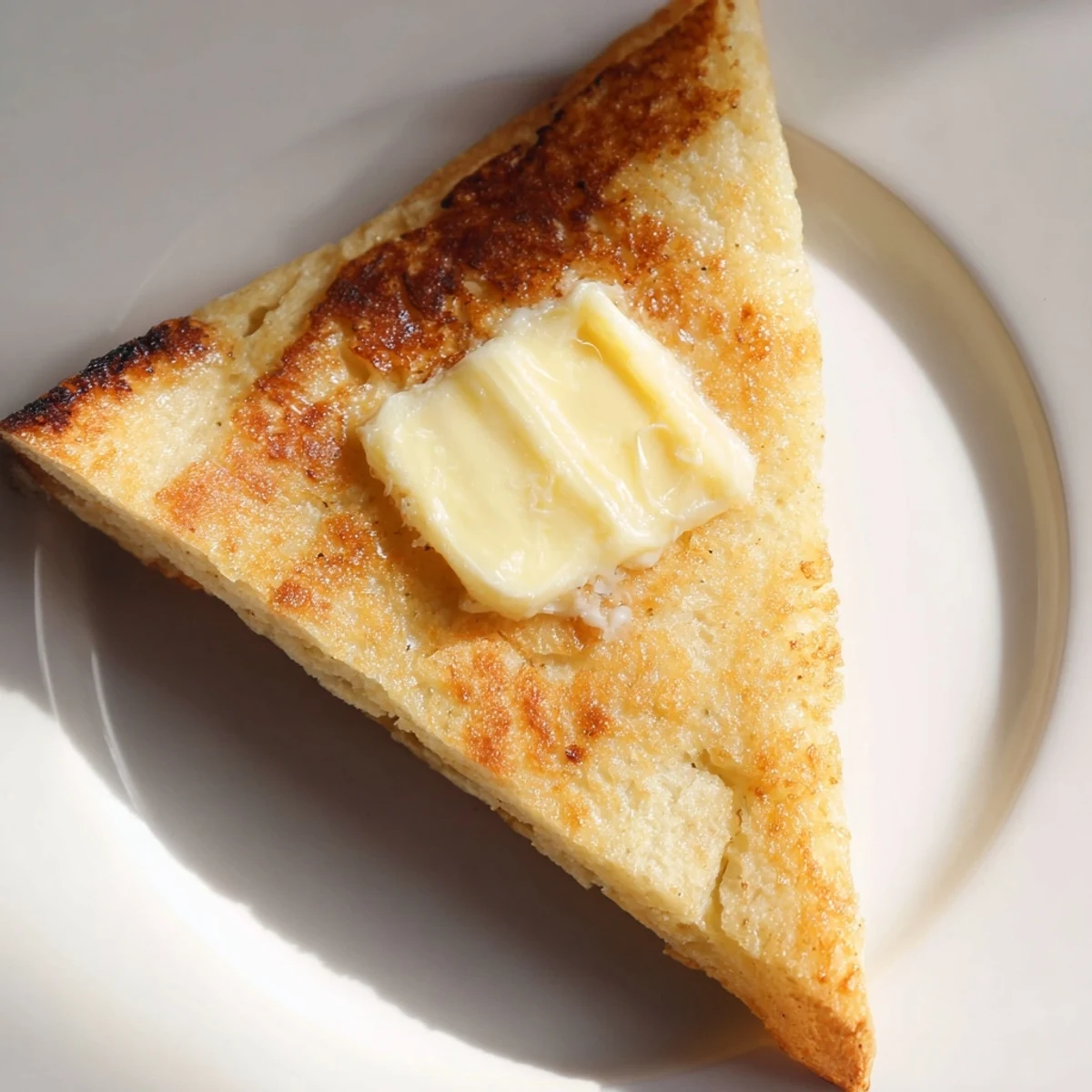
- Heat a non-stick skillet or griddle over medium heat until it's just right. Cook the bread slices in batches for about 3–4 minutes per side, until they're beautifully golden brown and invitingly crisp.
- Serve with Joy:
- Dish them up immediately, generously spread with extra butter while they're still piping hot. That melt-in-your-mouth warmth is the secret to pure bliss.
 Pin this
 There's a quiet satisfaction that comes from serving something so simple yet utterly delicious. Watching friends or family enjoy this bread, especially on a chilly morning, always feels like a little act of love, a warm embrace delivered straight from my kitchen.
Choosing Your Potatoes Wisely
The type of potato you choose can make a world of difference in the final texture of your bread. Floury varieties like Russet, King Edward, or Maris Piper are absolutely ideal because they break down easily into a smooth, light mash. Waxy potatoes, on the other hand, tend to hold their shape more and can result in a gummier texture, which we definitely want to avoid for this light and airy bread.
Beyond Breakfast: Creative Servings
While this potato bread is an absolute dream for breakfast alongside eggs and bacon, don't limit its potential! I've served it with hearty stews as a comforting side, used it as a simple base for quick smoked salmon appetizers, and even enjoyed it simply spread with jam and a cup of afternoon tea. It's truly a versatile blank canvas for deliciousness.
Storage & Revival
If you happen to have any leftovers, which is a rare occurrence in my house, they store surprisingly well. You can keep them in an airtight container at room temperature for a day, or in the fridge for up to three days. But the real magic is in how you bring them back to life.
- Gently reheat slices in a dry skillet over medium-low heat until warmed through and crisp again.
- Alternatively, a quick pop in the toaster oven works wonders for bringing back that lovely exterior crunch.
- For longer storage, the cooked bread freezes beautifully; just thaw and reheat as desired.
 Pin this
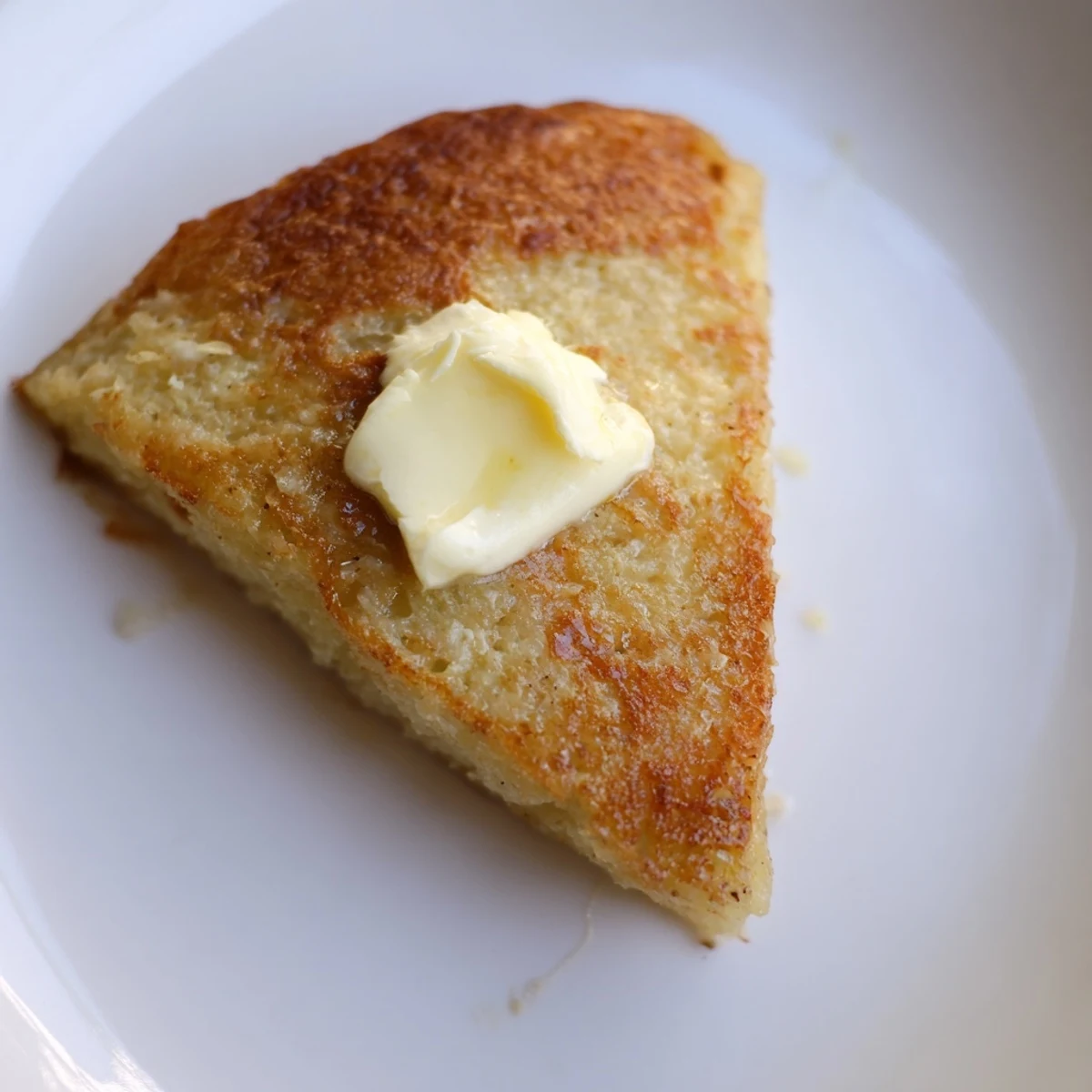
 This potato bread isn't just food; it's a hug from the kitchen, a reminder of simple pleasures. Whip up a batch, slather it with butter, and savor a little piece of comfort.
Recipe FAQs
- → How do I make the dough for Irish potato bread?
-
First, boil and mash floury potatoes until they are completely smooth. While the mashed potatoes are still warm, incorporate butter and milk. In a separate bowl, combine flour, salt, and baking powder, then gently mix these dry ingredients with the potato mixture to form a soft, workable dough.
- → What type of potatoes are best for this bread?
-
Floury potato varieties, such as Russet, Maris Piper, or King Edward, are ideal for this preparation. Their high starch content ensures they mash up light and fluffy, contributing to the desirable soft texture of the finished bread.
- → Can I add extra ingredients to my potato bread?
-
Yes, for an enhanced flavor profile, consider incorporating finely chopped chives or spring onions into the dough alongside the dry ingredients. You could also experiment with a pinch of black pepper or other mild, complementary herbs.
- → What's the best way to cook Irish potato bread?
-
Once the dough is shaped, the bread is traditionally pan-fried in a non-stick skillet or griddle over medium heat. Cook each side for about 3-4 minutes until it's beautifully golden brown and crisp, ensuring it's cooked through.
- → How should I serve Irish potato bread?
-
This bread is best enjoyed warm, fresh from the pan, generously spread with creamy butter. It’s a perfect accompaniment to a full Irish breakfast, a comforting snack with jam, or a savory side dish with various meals.
- → Can Irish potato bread be prepared in advance or reheated?
-
The dough can be prepared a few hours ahead and stored, covered, in the refrigerator. While best fresh, cooked potato bread can be gently reheated in a pan or oven. Be aware that reheating might slightly diminish its initial crispness.