
 Pin this
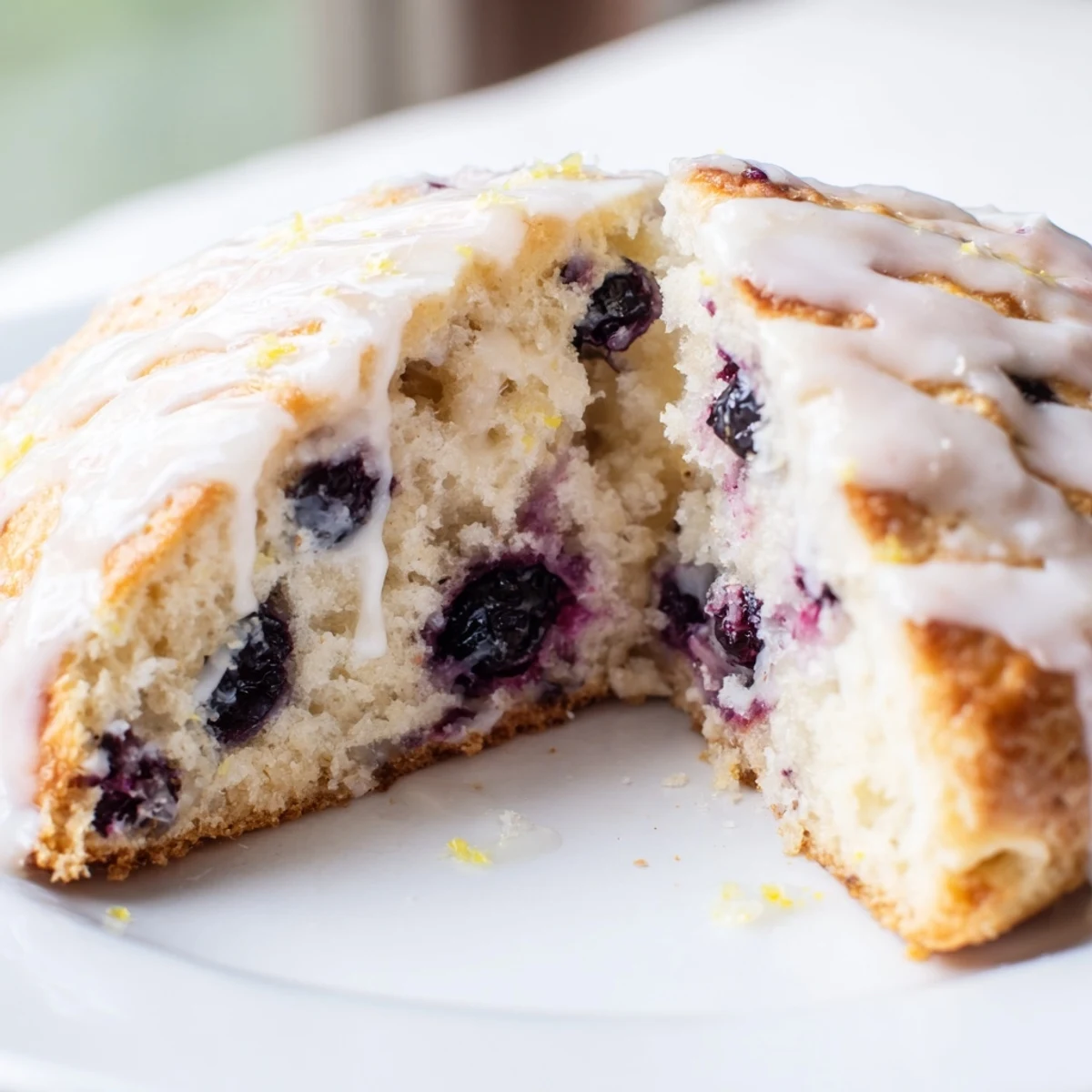
 These scones combine bright lemon zest and juicy blueberries in a tender, buttery dough that bakes golden and soft. Finished with a sweet vanilla glaze, they offer a delightful balance of citrus and creamy sweetness. Ideal for breakfast or an afternoon tea, these scones use simple ingredients like all-purpose flour, cold butter, and fresh cream, folded gently with blueberries to maintain bursts of fruit. Baking them at a high temperature creates a crisp exterior while keeping the inside moist. Easy to prepare and perfect alongside a cup of tea or sparkling wine.
There's something about the smell of lemon zest hitting hot butter in the oven that stops me mid-morning. I stumbled into these scones years ago while trying to recreate something from a café I'd visited once, and they've stayed in my rotation ever since. The trick was learning to treat the dough like it's delicate, almost respectful—rush it, and you lose the tender crumb. Now they're the first thing I reach for when someone's coming over and I want breakfast to feel intentional.
I made these for my sister's surprise birthday brunch, and I remember her biting into one and going quiet for a second—that quiet that means something's really good. We sat at the kitchen table in our pajamas with strong coffee, and nobody rushed to leave. That's when I knew this recipe wasn't just about the ingredients; it was about creating a moment where people slow down.
Ingredients
- All-purpose flour (2 cups): The foundation of tender scones; measure by spooning and leveling, not scooping, to avoid compacting too much flour.
- Granulated sugar (1/3 cup): Sweetness that's present but not overwhelming, letting the lemon and fruit shine through.
- Baking powder and baking soda (2 tsp and 1/2 tsp): These are your leavening agents; fresh ones matter more than you'd think, so check your pantry dates.
- Salt (1/2 tsp): A tiny anchor that makes every other flavor pop without tasting salty.
- Lemon zest (from 1 large lemon): This is where the magic happens; use a microplane and don't hold back, since fresh zest is where the bright, aromatic oils live.
- Cold unsalted butter (1/2 cup, cubed): Cold butter creates the pockets that make scones tender; let it come straight from the fridge and work quickly.
- Cold heavy cream (2/3 cup plus more for brushing): The richness that makes these scones special; keeping it cold is as important as the amount.
- Egg and vanilla extract (1 large egg, 1 tsp): These bind everything together while adding subtle flavor and helping the tops turn golden.
- Fresh blueberries (1 cup): If using frozen, don't thaw them; the ice helps them stay whole instead of bleeding purple throughout the dough.
Instructions
- Heat your oven and prepare:
- Set the oven to 400°F and line your baking sheet with parchment paper so your scones won't stick or brown unevenly on the bottom.
- Build your dry base:
- Whisk together the flour, sugar, baking powder, baking soda, salt, and lemon zest in a large bowl. The zest distributes the bright flavor evenly throughout, and whisking aerates the flour slightly so your scones rise properly.
- Cut in the butter:
- Add your cold butter cubes to the flour mixture and work them in with a pastry blender or your fingertips until everything looks like coarse breadcrumbs. This matters because those little butter pockets create steam during baking, which is what makes scones fluffy and tender.
- Combine your wet ingredients:
- In a separate bowl, whisk together the cold cream, egg, and vanilla extract until the mixture is smooth and pale. Keep everything cold at this stage to protect those butter pieces you just worked so hard to distribute.
- Bring it together gently:
- Pour the wet mixture into the dry ingredients and stir with a spatula until the dough just comes together. Stop as soon as you don't see streaks of flour; overmixing develops gluten, which makes scones tough and dense instead of light.
- Fold in the blueberries:
- Use a gentle hand when adding the blueberries, folding them in with a spatula so they stay mostly whole. If a few break, that's okay; they add little pockets of flavor.
- Shape your scones:
- Turn the dough onto a lightly floured surface and pat it into a 7-inch circle about 3/4 inch thick. Use a light touch; the dough shouldn't be worked too much or it loses its tenderness.
- Cut and transfer:
- Cut the circle into 8 wedges like a pie, then transfer each wedge to your prepared baking sheet with a little space between them so the heat circulates. A bench scraper works beautifully for this.
- Brush with cream:
- Lightly brush the tops of each scone with a bit of heavy cream; this helps them turn golden and adds a subtle shimmer. Don't soak them, just a gentle brush.
- Bake until golden:
- Slide into the oven for 18–20 minutes, watching until the tops turn a warm golden brown. When you pull them out, your kitchen will smell like a dream, and they should feel light when you pick one up.
- Cool and glaze:
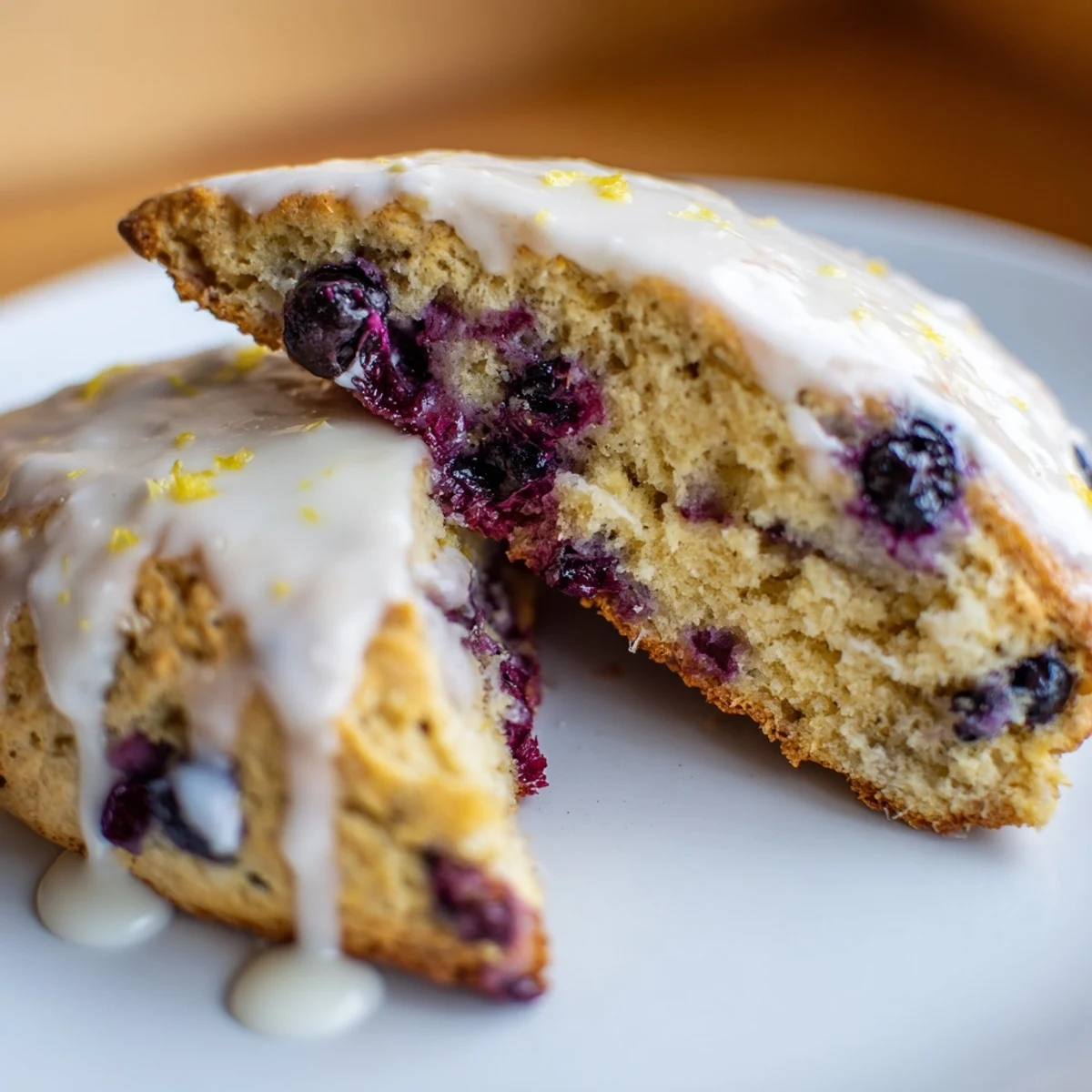
- Let the scones cool on a wire rack for a few minutes. While they're cooling, whisk together your powdered sugar, milk, and vanilla into a smooth glaze, then drizzle generously over each scone.
 Pin this
 I've learned that scones are one of those recipes where what you're really making is permission to sit down and be present. Someone once told me that the word scone comes from the Stone of Destiny in Scotland, though I can't verify that—but it stuck with me because these feel important, ceremonial almost, in their simplicity.
The Lemon Factor
Lemon zest is the secret ingredient that makes people pause mid-bite and ask what's making this taste so bright. It's not overwhelming or sour; it's just there, waking up your mouth and making everything taste fresher. The moment that zest hits the flour and sugar, the aromatics come alive—that's when you know you're doing something right. If you've ever made a scone that felt flat or one-note, lemon zest is probably the answer.
Blueberry Timing and Technique
The thing about blueberries is that they're fragile, and heat makes them burst. Folding them in at the last moment, after all your other ingredients are combined, means they stay as whole as possible and deliver little pockets of juice rather than turning everything purple. Using them frozen from the freezer is a game-changer because the ice acts as insulation; they thaw just enough during baking to stay juicy without bleeding everywhere. I've also learned that if you dust them lightly with flour before folding, they're even less likely to sink to the bottom or break apart.
Beyond the Basics
These scones are wonderful as they are, but they're also a canvas for small changes that make them feel new. Sometimes I add a teaspoon of poppy seeds for texture and visual interest, or a tiny pinch of cardamom that nobody can quite name but everyone notices. Earl Grey tea pairs beautifully alongside, and if you're feeling fancy, a light sparkling wine works too. They're also forgiving enough to freeze; you can make them ahead and unglazed, then wrap and freeze for up to two months.
- A tiny pinch of cardamom or poppy seeds adds texture and subtle flavor without changing the core recipe.
- Make these ahead by baking them unglazed, cooling completely, and freezing in an airtight container for two months.
- Glaze them fresh on the day you eat them, or enjoy them plain with good butter and jam.
 Pin this
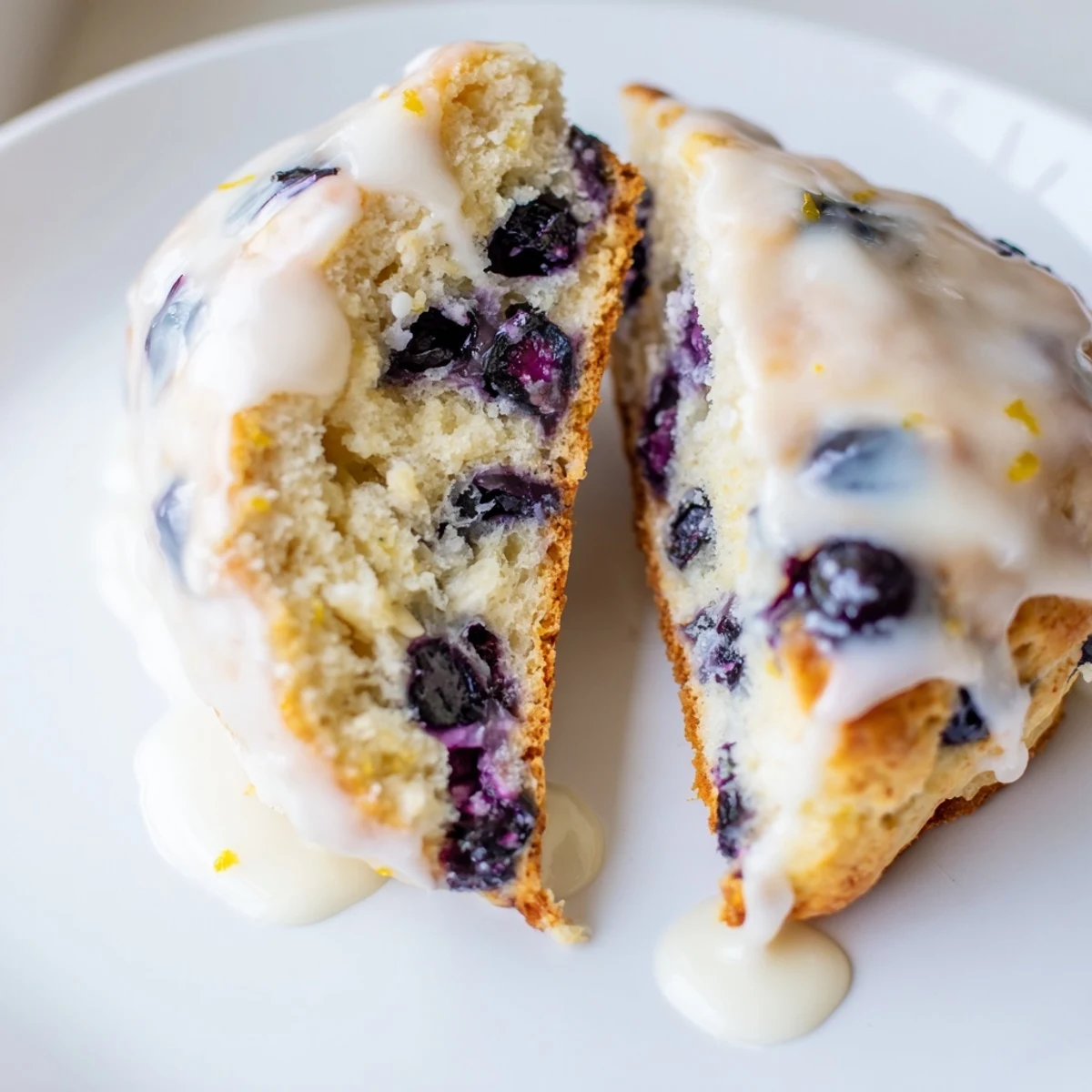
 There's real joy in pulling a batch of these from the oven and knowing that for the next hour or so, breakfast is going to make someone's day a little better. Make these when you have time to sit with them.
Recipe FAQs
- → What type of flour works best for these scones?
-
All-purpose flour provides the right structure and tenderness for soft, flaky scones without being too dense.
- → Can I use frozen blueberries in the dough?
-
Yes, using frozen blueberries without thawing helps prevent the dough from turning blue and leaking excess juice.
- → How do I achieve a tender texture in these scones?
-
Cutting cold butter into the dry ingredients until crumbly and gently folding wet ingredients with the blueberries prevents overworking and keeps the scones tender.
- → What is the best way to store leftover scones?
-
Leftover scones can be wrapped tightly and frozen unglazed for up to two months. Thaw before glazing and serving.
- → How do I make the vanilla glaze smooth and easy to drizzle?
-
Whisk powdered sugar with milk or cream and vanilla extract until smooth and pourable, adjusting liquid to desired consistency.