
 Pin this
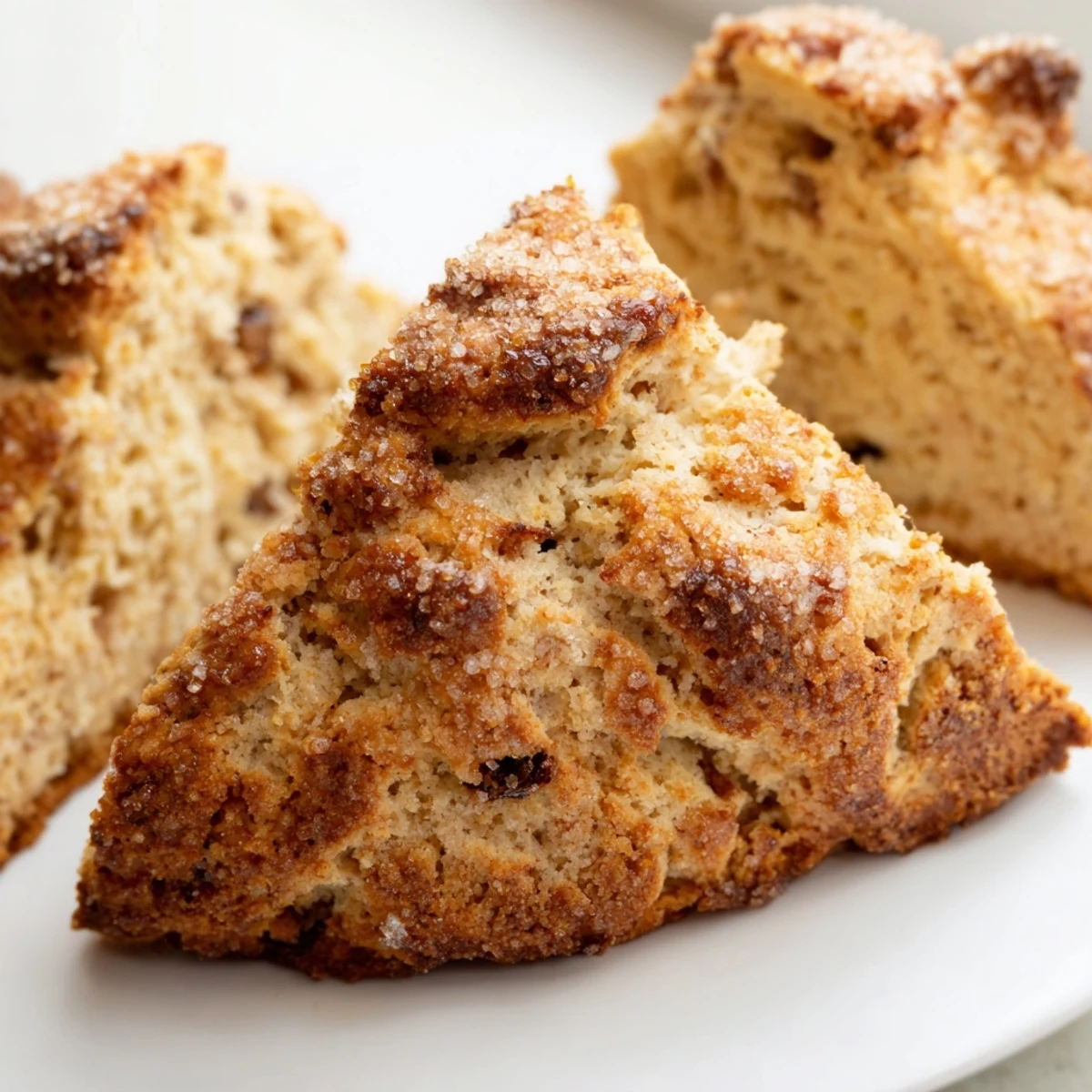
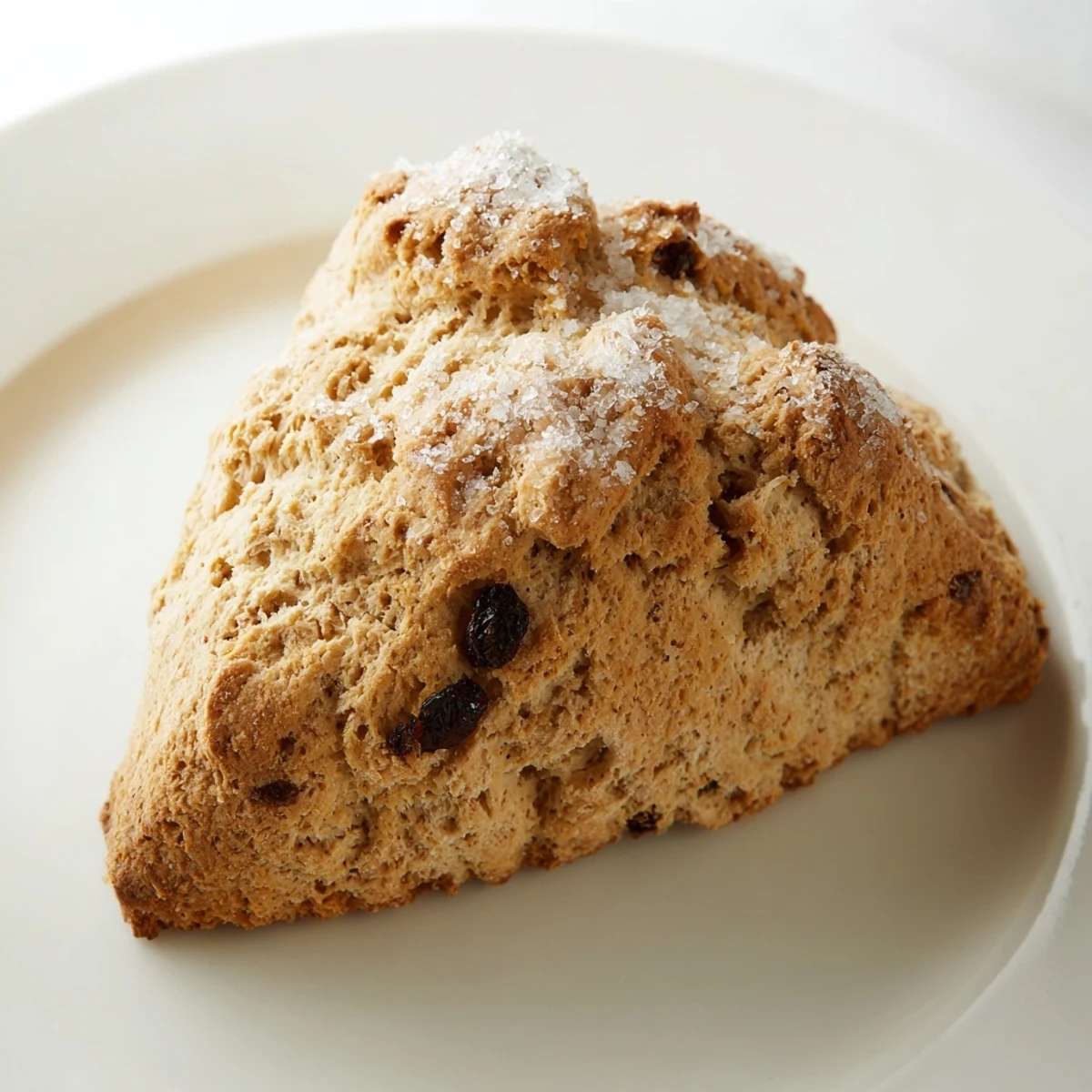
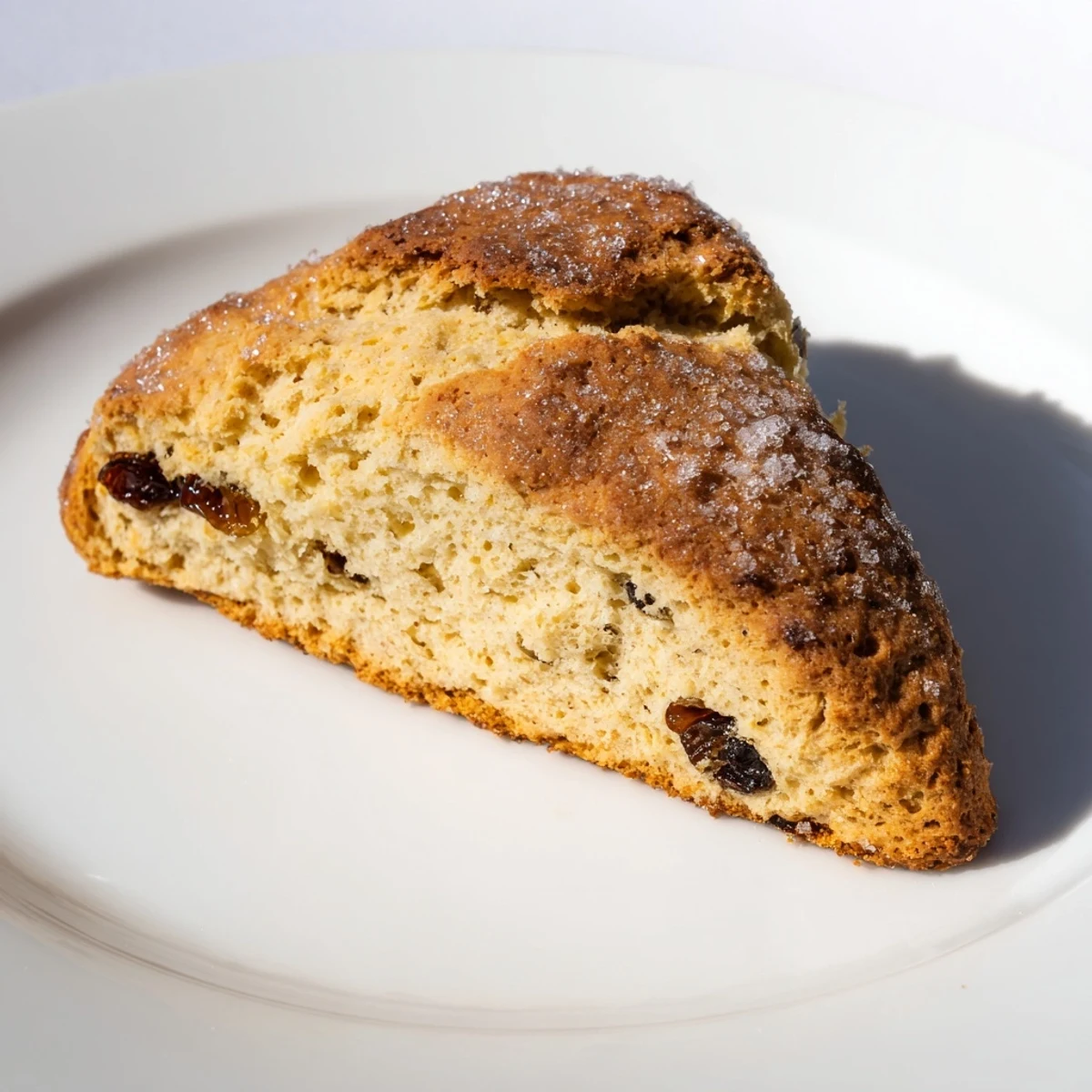
 These Irish soda bread scones blend all-purpose and whole wheat flours with buttermilk and a touch of sugar for a subtly sweet bite. Currants add a fruity note, and the lightly golden, crisp crust complements the soft, crumbly crumb. Prepared quickly and baked until golden, they are perfect warm accompaniments for breakfast or tea. Options include adding caraway seeds or swapping dried fruit to customize flavors, making these scones a versatile treat.
The first time I made these, my kitchen smelled like a Dublin bakery and my dog sat faithfully by the oven door for the entire twenty minutes. I had been experimenting with crossiants all week (disaster after disaster) when I decided to return to something simpler, more honest. The dough came together in minutes, and when I pulled that golden brown tray from the oven, I knew these scones were going to become a regular in my rotation. Sometimes the oldest methods really are the best ones.
Last spring, my sister came over after a terrible morning at work, and I had these scones fresh from the oven with salted butter and strawberry jam. She took one bite and just closed her eyes, and for a few minutes, everything else faded into the background while we stood at the counter eating warm scones and drinking coffee. Now whenever she visits, she asks if Im making the Irish scones, and honestly, I always am.
Ingredients
- 2 cups all-purpose flour: This creates the light, tender foundation that makes these scones feel delicate rather than heavy
- 1 cup whole wheat flour: Adds a lovely nutty depth and earthy sweetness that balances the sugar beautifully
- 1/4 cup granulated sugar: Just enough sweetness to make these feel like a treat without overshadowing the buttermilk tang
- 1 teaspoon baking soda and 1 1/2 teaspoons baking powder: The double leavening gives that impressive rise while keeping the crumb tender
- 1/2 teaspoon fine sea salt: Enhances all the flavors and prevents the scones from tasting flat or one-dimensional
- 1/2 cup currants or raisins: Little pockets of sweetness throughout each bite, though you can leave them out if you prefer plain scones
- 1 1/4 cups cold buttermilk: The acid activates the baking soda for extra lift and creates that characteristic tang
- 1 large egg: Provides structure and richness while helping the scones rise beautifully in the oven
- 1/4 cup melted butter: Adds fat for tenderness and creates that gorgeous golden crust we all want
Instructions
- Preheat your oven and prepare your baking sheet:
- Get your oven to 400°F and line a baking sheet with parchment paper so nothing sticks and cleanup is effortless.
- Whisk together your dry ingredients:
- In a large bowl, combine both flours, sugar, baking soda, baking powder, and salt until everything is evenly distributed, then stir in the currants if you are using them.
- Mix the wet ingredients:
- In a separate bowl, whisk together the cold buttermilk, egg, and melted butter until the mixture is smooth and well combined.
- Bring the dough together:
- Pour the wet ingredients into the dry ones and stir gently with a fork or spatula until just combined, because overmixing will make your scones tough and the dough should look shaggy and rough.
- Shape the scones:
- Turn the dough onto a lightly floured surface and pat it into a circle about 1 inch thick, then cut into 8 wedges like a pizza and transfer them to your prepared baking sheet with a little space between each one.
- Add a finishing touch and bake:
- Brush the tops with a little extra buttermilk if you want them to shine, then bake for 18 to 22 minutes until they are golden brown and a toothpick inserted into the center comes out clean.
 Pin this
 These became my go-to when friends unexpectedly drop by for coffee because they come together so quickly and always make people feel welcomed. There is something about homemade scones that turns a regular Tuesday morning into something worth celebrating.
Getting That Perfect Rise
The key to tall scones is handling the dough as little as possible while still getting it into the oven relatively quickly after the liquid meets the dry ingredients. The reaction between buttermilk and baking soda starts immediately, so work efficiently but gently for the best texture.
Customizing Your Scones
While currants are traditional, I have made these with dried cranberries and orange zest for winter gatherings, and they disappear just as quickly. You can also add a teaspoon of caraway seeds if you want that authentic Irish soda bread flavor with a slight anise note.
Serving Suggestions
These are best served warm with plenty of salted butter and your favorite jam, though clotted cream takes them to another level entirely if you want to be fancy. I also love splitting and toasting leftover scones the next day.
- Wrap cooled scones tightly and they will keep for 2 days at room temperature
- Freeze unbaked wedges on a baking sheet, then transfer to a bag and bake from frozen, adding 3 to 4 minutes
- Reheat day-old scones in a 300°F oven for 5 to 8 minutes to restore that fresh-baked texture
 Pin this
 There is something deeply satisfying about making bread that does not require patience or precision, just simple ingredients and a hot oven. These scones have saved more last-minute breakfasts than I can count.
Recipe FAQs
- → What makes these scones tender and slightly sweet?
-
The combination of buttermilk and a small amount of sugar creates a tender texture with subtle sweetness.
- → Can I substitute the currants for other dried fruits?
-
Yes, dried cranberries or chopped dried apricots can be used for a different fruity flavor.
- → How can I achieve a shiny crust on the scones?
-
Brushing the tops with a little buttermilk before baking gives a gentle shine to the crust.
- → Is it important not to overmix the dough?
-
Yes, gently combining the ingredients preserves a light, crumbly texture rather than a dense one.
- → What’s a good way to serve these scones?
-
They are delicious served warm with butter, jam, clotted cream, or honey.
- → Can I add any spices for extra flavor?
-
Adding a teaspoon of caraway seeds enhances the traditional flavor profile with a subtle aromatic note.