
 Pin this
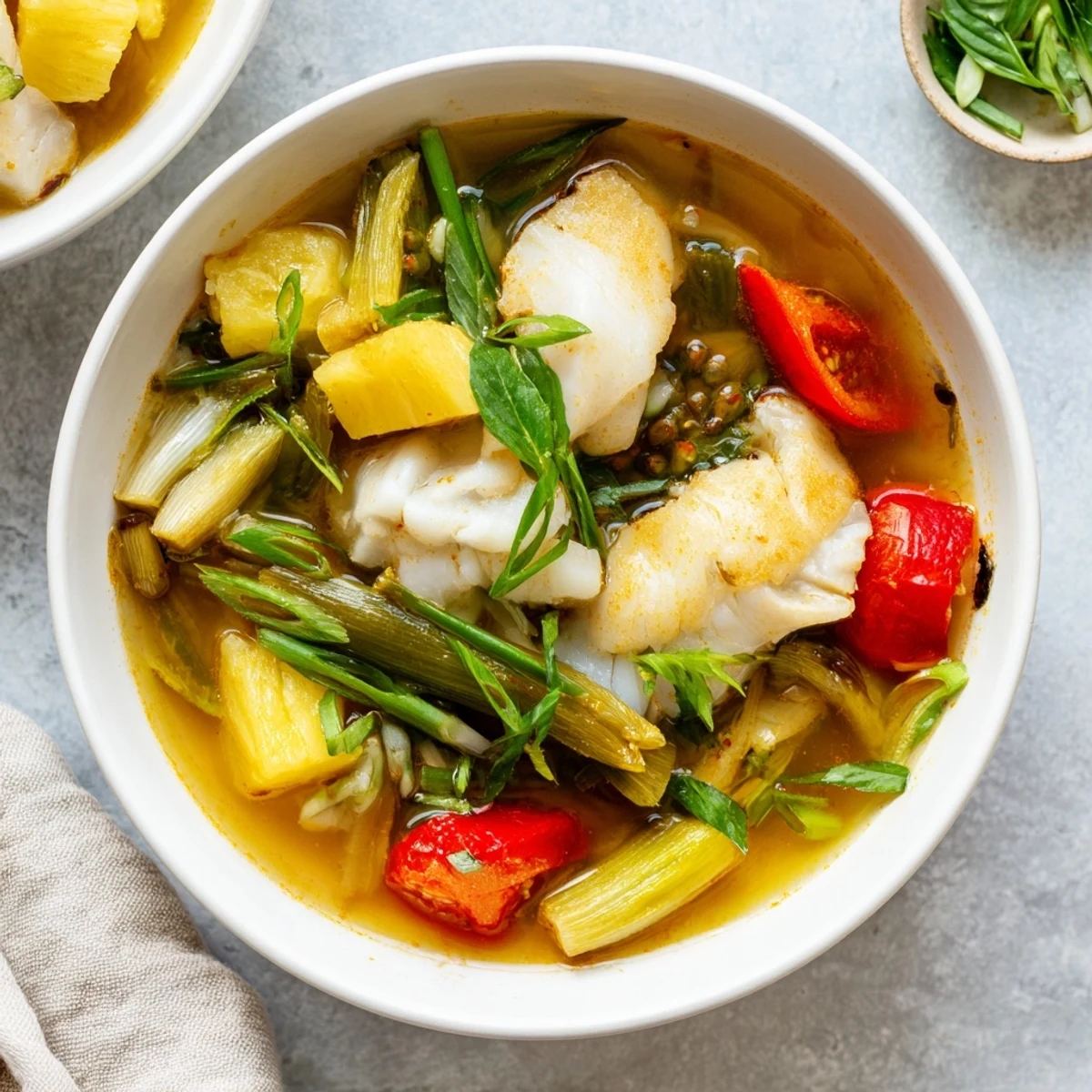
 This modern take on Canh Chua brings together the perfect balance of sweet, sour, and salty flavors that define Vietnamese cuisine. The star ingredient is tamarind paste, which provides that distinctive tanginess that makes this soup so refreshing and appetizing.
The preparation is straightforward but results in a restaurant-quality dish. White fish fillets cook gently in the aromatic broth, absorbing all the wonderful flavors from the pineapple, tomatoes, and traditional aromatics like garlic and shallots. What makes this version special is the careful balance of seasonings - fish sauce for depth, sugar for sweetness, and just enough salt to bring everything together.
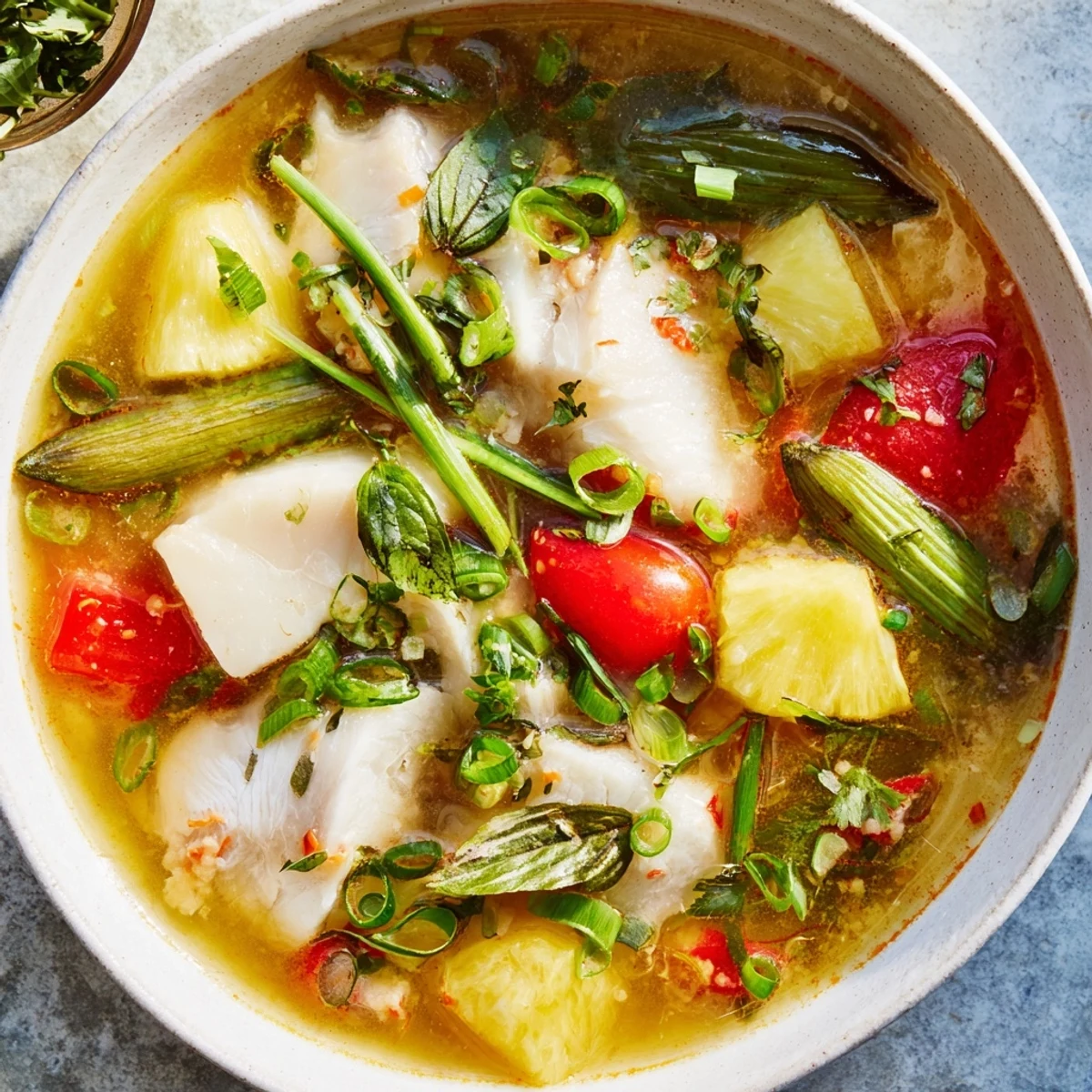
The finishing touches are crucial: fresh Thai basil, coriander, and scallions add brightness and color, while bean sprouts provide a delightful crunch. Served with steamed jasmine rice, this soup offers a complete, satisfying meal that's both light and nourishing.
The steam rising from my grandmother's kitchen always carried this distinctive tangy scent that made my mouth water before I even stepped inside. I'd watch her balance the tamarind against sugar like she was tuning an instrument, tasting and adjusting until the broth hit that perfect sweet-sour note. Now whenever rain taps against my windows, I find myself reaching for tamarind paste without even thinking about it. This soup became my rainy day ritual, a bowl of brightness that cuts through even the grayest afternoons.
Last winter, my friend Minh came over feeling under the weather and I made a double batch. We sat at the kitchen table wrapped in blankets, steam fogging up our glasses, talking about everything and nothing. She'd paused between spoonfuls to say this was exactly what her mother used to make, which was the highest compliment she could've given. Now whenever she visits, there's this unspoken expectation that Canh Chua will be bubbling on the stove.
Ingredients
- White fish fillets: Catfish holds up beautifully but any mild white fish works perfectly, just cut into generous bite-sized pieces so they dont break apart
- Tamarind paste: This is the soul of the soup, bringing that essential tang that sets this dish apart from other sour soups
- Pineapple: Fresh adds natural sweetness and a lovely texture contrast to the tender fish and vegetables
- Tomato wedges: They soften into the broth, adding both body and a subtle fruitiness that bridges the sweet and sour elements
- Bean sprouts: Add them at the very end so they stay crisp, providing this satisfying crunch in every spoonful
- Fresh herbs: Thai basil and coriander are non-negotiable, they transform the soup from good to extraordinary with their aromatic finish
Instructions
- Build your aromatic base:
- Heat a splash of oil in your large pot over medium heat, then add minced garlic and sliced shallots, stirring constantly until they release their fragrance and turn golden at the edges, about 2 minutes
- Create the broth:
- Pour in your water or fish stock, then whisk in the tamarind paste, sugar, salt, and fish sauce until everything dissolves into this beautiful amber liquid
- Add the vegetables:
- Drop in tomatoes, pineapple, okra, and celery, letting them simmer for 5 minutes until they're just beginning to soften
- Cook the fish gently:
- Lower the heat slightly and carefully add fish pieces, letting them cook undisturbed for 3 to 4 minutes until opaque and flaky
- Balance the flavors:
- Taste your broth and adjust with more fish sauce for depth, salt for savoriness, or sugar to round out any sharp edges from the tamarind
- Finish with fresh elements:
- Stir in bean sprouts and sliced chili, cook for just one minute, then remove from heat immediately
- Garnish and serve:
- Ladle into bowls and shower with Thai basil, coriander, scallions, and fried shallots, then serve with lime wedges on the side
 Pin this
 There was this dinner party where I doubled the recipe, certain everyone would want seconds. Instead, my guests kept asking for smaller portions, saying the flavors were so intense they wanted to savor every bite without getting full. I took it as the strangest compliment until I realized they'd all gone back for third helpings anyway, just in tiny bowls. Now I know this soup is one of those dishes where quality matters more than quantity.
The Art of Balance
What I've learned after making this soup dozens of times is that tamarind varies wildly in intensity. Some brands are mellow and sweet, others pack this puckering punch that'll make your jaw ache. Always start with less and taste as you go, because once that sour note dominates, theres no coming back from it. The sugar isn't just for sweetness either, it's the mediator that brings all the other flavors into harmony.
Fish Selection
I've tried every white fish under the sun in this recipe, and here's what I've discovered. Catfish traditional and affordable holds up beautifully but can be muddy if not fresh. Sea bass is luxurious and sweet but expensive. Tilapia is accessible but sometimes falls apart too easily. My compromise is usually swai or basa, which have a clean flavor and firm texture that wont disintegrate in the hot broth.
Make-Ahead Wisdom
The broth actually improves after a day in the refrigerator, as those tamarind and fish sauce notes meld together into something deeper. But never cook the fish ahead of time, it becomes rubbery and sad. Instead, make the broth base completely, then reheat it gently and add fresh fish when you're ready to serve. This is how restaurants maintain quality while managing their service.
- Prepare all your vegetables the day before and store them in separate containers
- Cut your fish right before cooking to maintain freshness and texture
- Wash and dry herbs thoroughly, then wrap them in paper towels inside a plastic bag
 Pin this
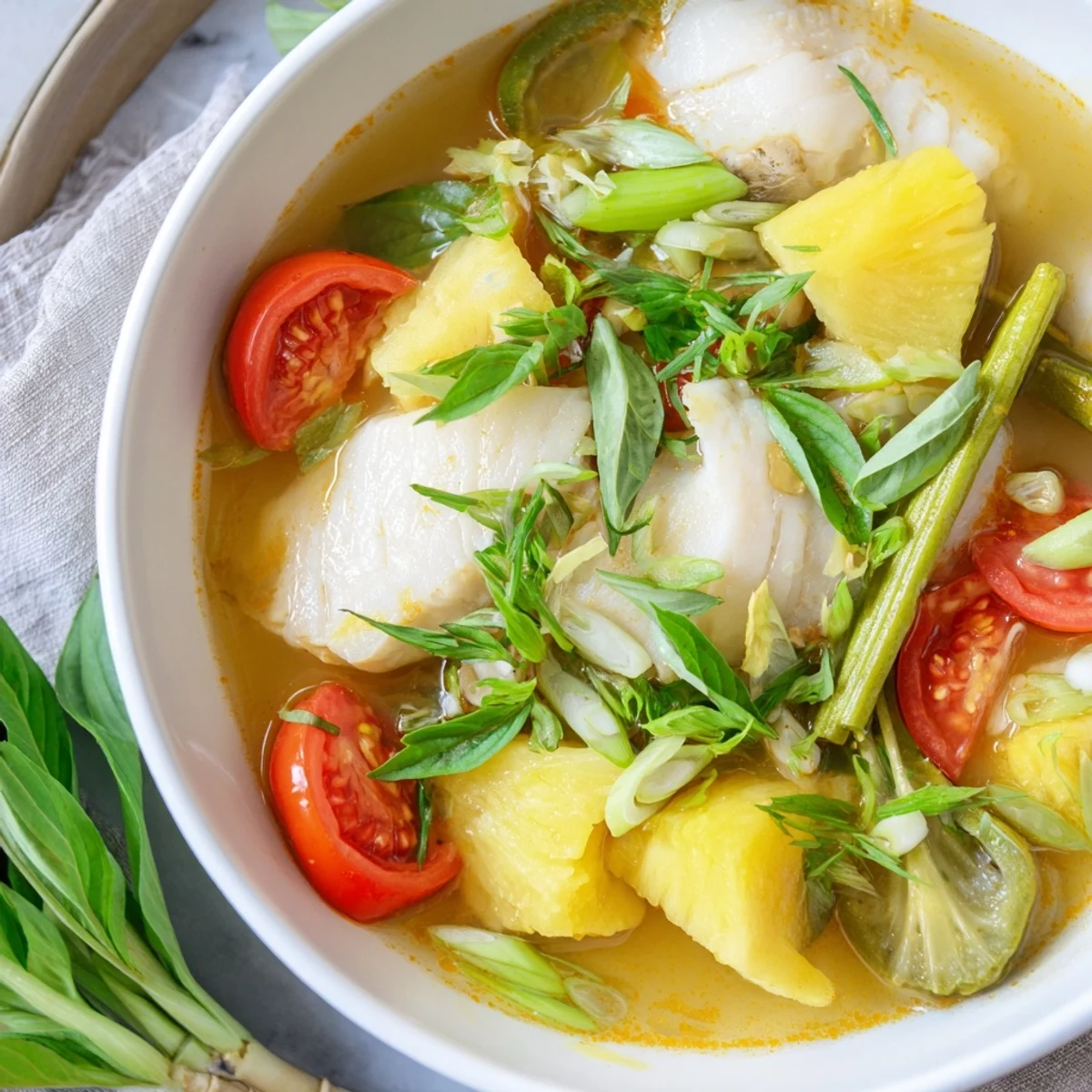
 There's something almost medicinal about this soup, the way it seems to reset your system with its bright acidity and warmth. Whether you're fighting off a cold or just fighting off the winter blues, a bowl of Canh Chua feels like being hugged from the inside out.
Recipe FAQs
- → What does Canh Chua mean?
-
Canh Chua translates to 'sour soup' in Vietnamese, referring to the distinctive tangy flavor that comes from tamarind paste. The soup represents the perfect balance of flavors central to Vietnamese cooking: sweet, sour, salty, and sometimes spicy elements working together harmoniously.
- → Can I make this soup vegetarian?
-
Absolutely. Substitute firm tofu cubes for the white fish fillets and use mushroom or vegetable stock instead of fish stock. You'll also need to replace the fish sauce with soy sauce or a vegetarian fish sauce alternative to maintain that essential umami depth.
- → What type of fish works best?
-
White fish fillets with mild flavor and firm texture are ideal. Catfish is traditional, but tilapia, sea bass, snapper, or cod work beautifully. The key is choosing fish that won't fall apart during cooking and will absorb the aromatic broth flavors.
- → How do I adjust the sourness level?
-
The tamarind paste controls the sourness. Start with the recommended amount and taste your broth before adding the fish. If it's too sour, add more sugar. If not tangy enough, add another half tablespoon of tamarind paste. The goal is a pleasant, refreshing tang that makes you want to take another bite.
- → Can I prepare this soup ahead of time?
-
You can prepare the broth and vegetables up to a day in advance, but add the fish just before serving to prevent it from becoming overcooked and tough. Store the prepared broth and vegetables separately in the refrigerator, then reheat and proceed with adding the fish when ready to serve.
- → What should I serve with Canh Chua?
-
Steamed jasmine rice is the traditional accompaniment, perfect for soaking up the flavorful broth. You can also serve it over rice vermicelli noodles for a more substantial meal. The soup is complete on its own but can be part of a larger Vietnamese spread with other dishes.