
 Pin this
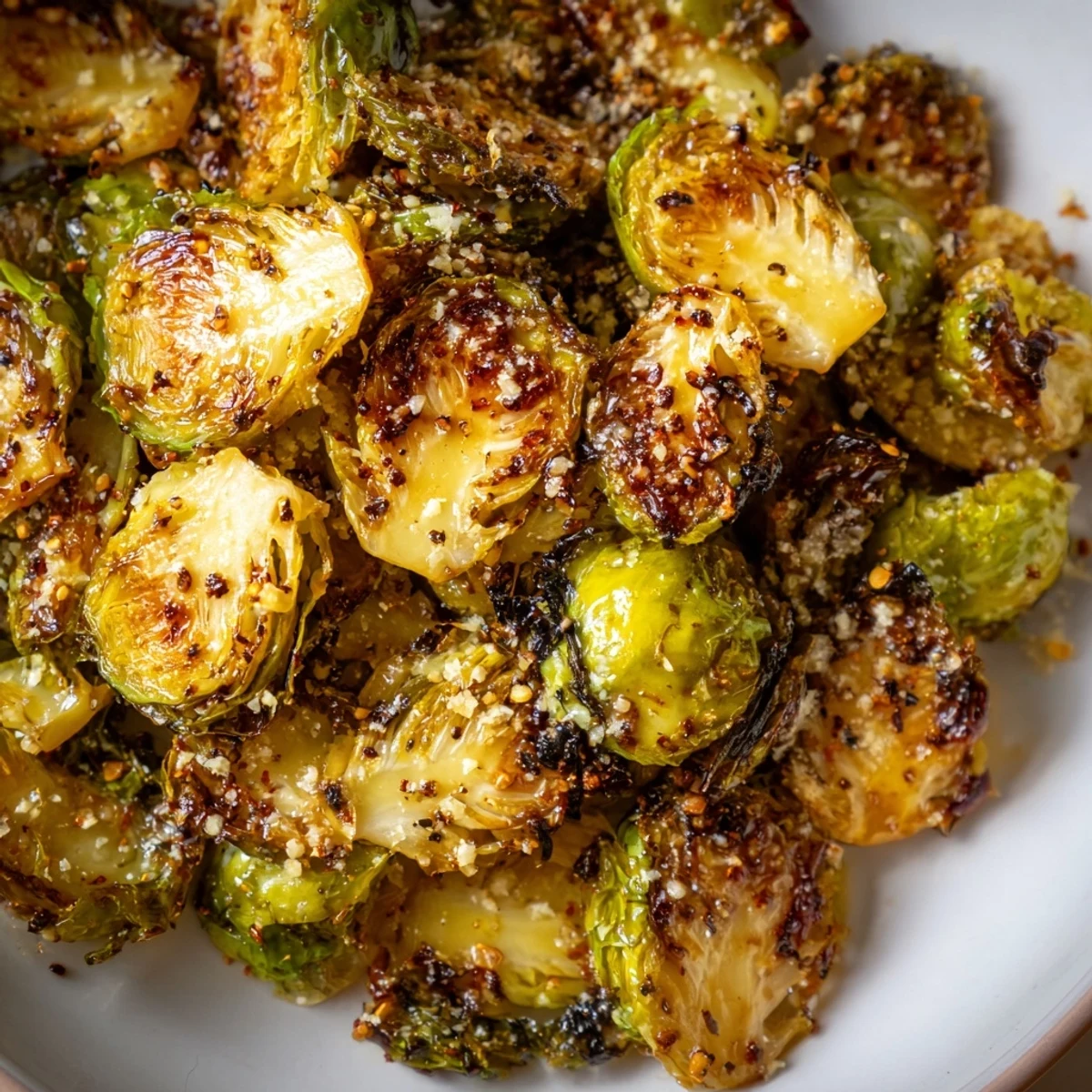
 This dish features halved Brussels sprouts roasted at high heat until golden and crispy, then coated with a tangy balsamic glaze. Olive oil, sea salt, and black pepper enhance the natural flavors, with optional garlic powder and Parmesan adding depth. Oven roasting caramelizes the edges, creating a perfect balance of crispness and tenderness. Ideal as a vibrant side, it pairs well with meats or grain bowls. Variations like honey drizzle or toasted nuts can add sweetness and crunch.
There's a moment in late autumn when I finally understand why my neighbor keeps raving about roasted Brussels sprouts. I'd always pushed them to the side of the plate, convinced they were some acquired taste I'd never need. Then one Wednesday evening, the oven was already hot, I had a pound of them from the farmer's market, and I decided to stop being stubborn. Twenty-five minutes later, the kitchen smelled like caramelized sugar and something deeply savory, and I was genuinely reaching for seconds.
My sister brought these to a potluck last spring, and I watched people who claimed to hate vegetables actually finish the entire serving dish. She didn't announce them as Brussels sprouts—just set them down, warm and glistening. By the time anyone realized what they were eating, the skepticism had already melted away.
Ingredients
- Brussels sprouts: One pound, trimmed and halved—the flat cut side is non-negotiable because that's where the magic happens, where they touch the hot pan and turn golden and crispy.
- Olive oil: Two tablespoons to coat everything evenly; don't be shy, they need enough to brown properly.
- Balsamic vinegar: Two tablespoons added right off the heat so it stays bright and tangy instead of cooking off into nothing.
- Sea salt and black pepper: Half a teaspoon and a quarter teaspoon respectively, though you'll taste as you go and might adjust.
- Garlic powder: Optional but transforms this from good to genuinely craveable—half a teaspoon if you're using it.
- Parmesan cheese: One tablespoon grated, optional but it adds a salty, umami note that makes people wonder if there's a secret.
Instructions
- Get your oven ready:
- Preheat to 425°F and line your baking sheet with parchment paper. This temperature is hot enough to actually caramelize the sprouts without turning them into little charcoal pebbles.
- Coat and season:
- Toss your halved Brussels sprouts in a large bowl with olive oil, salt, pepper, and garlic powder if you're using it. Get your hands in there and make sure every piece is glistening with oil—this is what creates the crispy edges you want.
- Arrange cut-side down:
- Spread them on the baking sheet in a single layer with the flat sides facing down against the hot pan. Don't crowd them; they need space to breathe and brown.
- Roast until golden:
- Roast for 20 to 25 minutes, stirring halfway through so the other sides get some color too. You're looking for deep golden brown edges and a slightly crispy exterior—this is when you know they're done.
- Finish with balsamic:
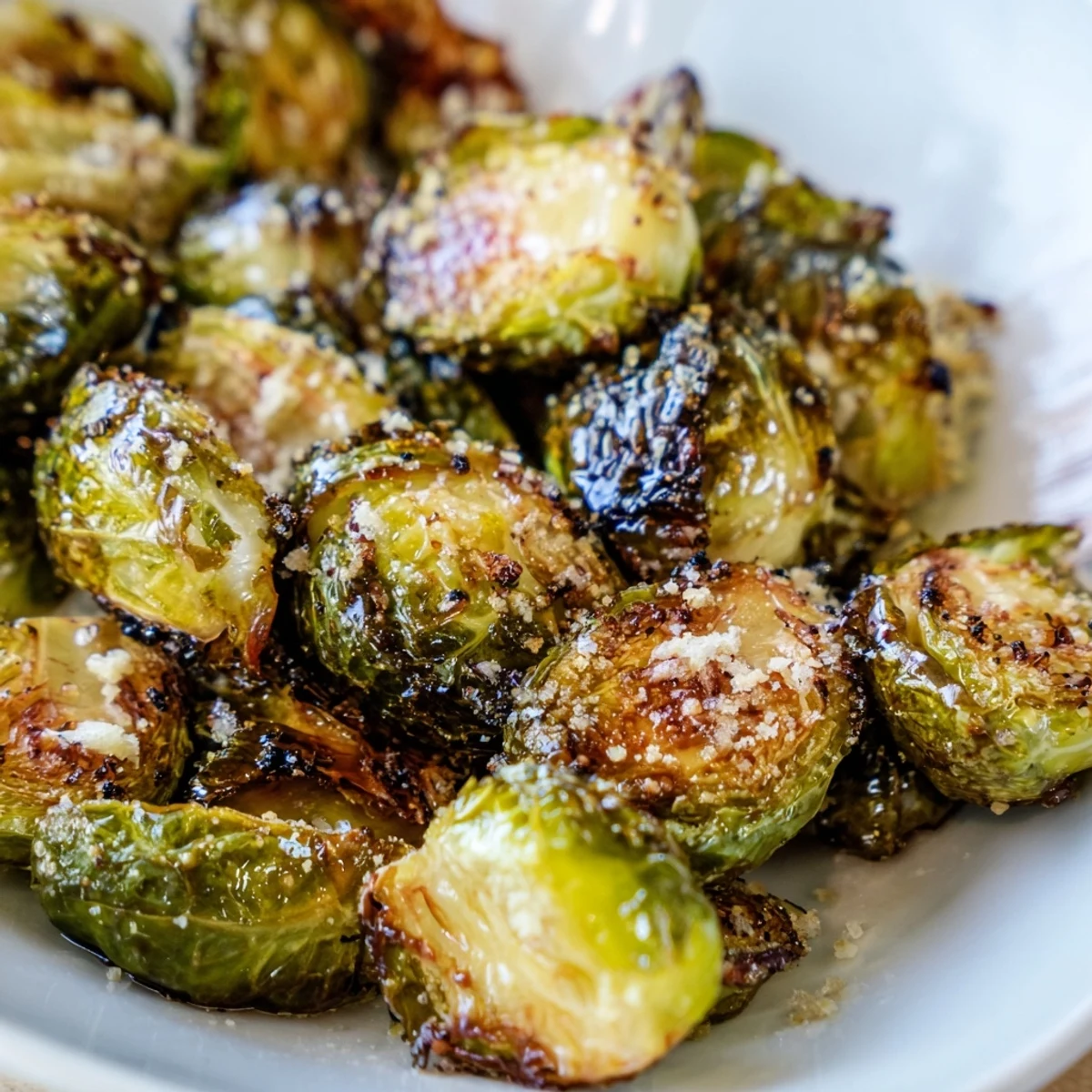
- The moment they come out of the oven, drizzle them with balsamic vinegar and toss everything together quickly. The heat helps the vinegar coat everything, and the acidity brightens all those caramelized flavors.
- Finish and serve:
- Transfer to a serving dish, sprinkle with Parmesan if you're using it, and serve while they're still warm and the edges are crispy.
 Pin this
 Last Thanksgiving, someone's nine-year-old asked for thirds of these Brussels sprouts. Their parent looked genuinely shocked. That quiet moment—when something simple you made turned a vegetables-are-boring narrative into actual enthusiasm—that's when you know you've nailed something.
The Caramelization Secret
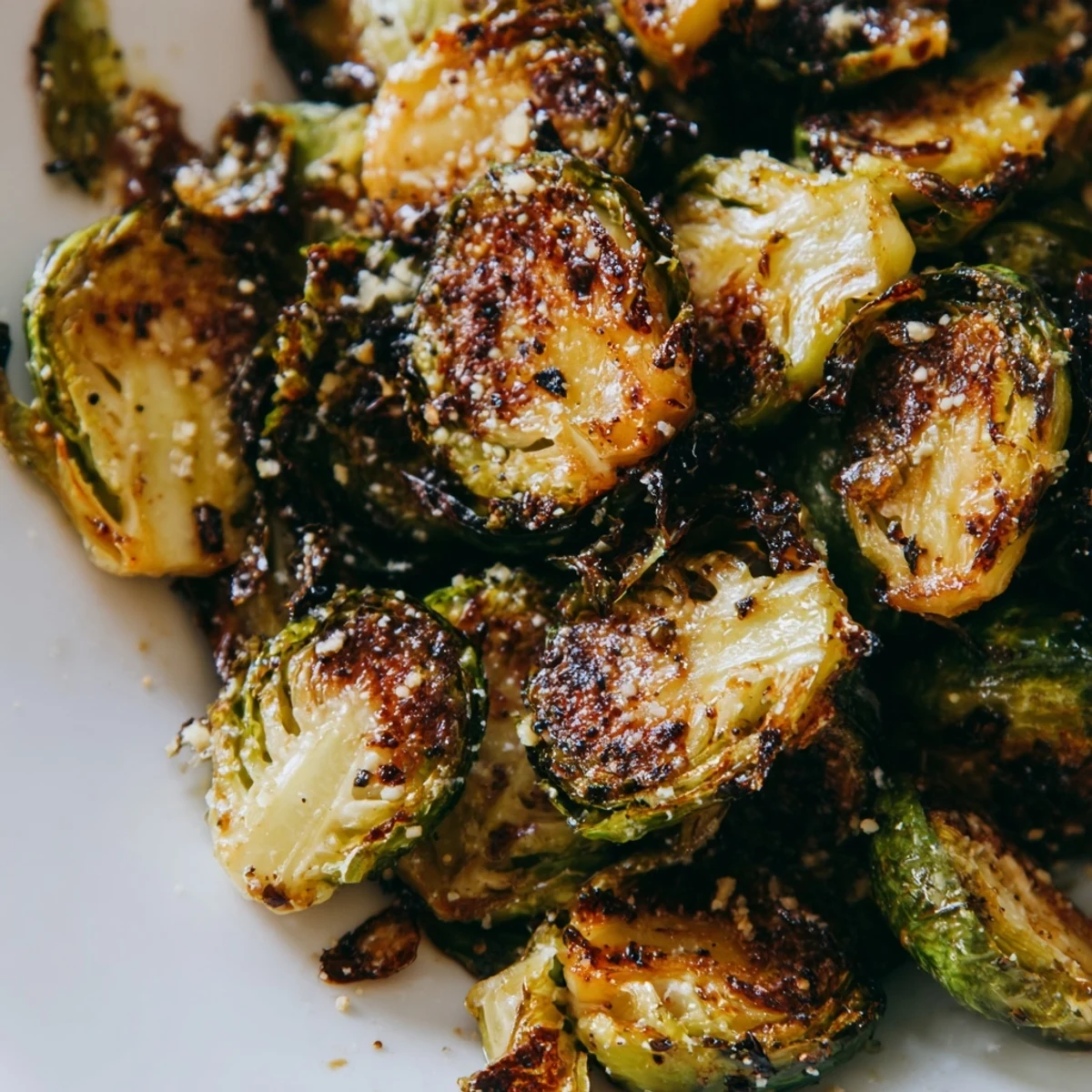
Caramelization isn't complicated, but it does require heat and patience. When Brussels sprouts sit flat against a hot pan, the natural sugars in them begin to break down and brown, creating those deep, almost nutty flavors. The key is resisting the urge to stir them too much early on—let them sit for the first half of cooking so that cut side can really make contact with the heat. Once they're golden on the bottom, then you can flip and shuffle them around for the second half. The whole process feels slow until suddenly your kitchen smells incredible and you understand what everyone's been talking about.
Building Flavor Beyond the Basic Recipe
The beauty of this recipe is how easy it is to riff on. A drizzle of honey with the balsamic adds a deeper sweetness that feels almost elegant. Crispy nuts—toasted walnuts or pecans—scattered over the top add a completely different textural layer that people always comment on. Some nights I'll add a pinch of smoked paprika to the seasoning mix, which gives everything a subtle depth. Even just finishing with fresh cracked pepper instead of the pre-ground stuff makes a noticeable difference. The foundation is so solid that any of these additions feel natural rather than fussy.
Serving and Pairing
These Brussels sprouts work as a quiet supporting player next to roasted chicken, grilled salmon, or a good steak. They're equally happy alongside grain bowls for a vegetarian meal or tucked into a Thanksgiving spread. The balsamic glaze gives them enough personality that they don't disappear into the plate, but they're not so bold that they compete with other flavors. Cold leftovers, if you end up with any, are genuinely good tossed into a salad or served at room temperature as part of a vegetable spread.
- Pair with roasted meats for a classic combination that feels restaurant-quality.
- Add to grain bowls or Buddha bowls for vegetarian meals that feel complete and satisfying.
- Serve at room temperature on a appetizer platter for guests who expect vegetables to be interesting.
 Pin this
 What started as my stubborn refusal to enjoy a vegetable turned into one of my most reliable weeknight sides. Sometimes the simplest recipes are the ones worth knowing by heart.
Recipe FAQs
- → What is the best way to achieve crispy Brussels sprouts?
-
Toss halved Brussels sprouts with olive oil and roast cut side down at 425°F to caramelize and crisp edges evenly.
- → Can I use a different vinegar instead of balsamic?
-
Yes, alternatives like red wine or apple cider vinegar offer different but pleasant tangy flavors.
- → How do I keep the sprouts from becoming soggy?
-
Roast at high temperature without crowding on the baking sheet to allow proper caramelization and crisping.
- → Is Parmesan necessary for flavor?
-
Parmesan adds a savory touch but can be omitted for dairy-free versions without losing the core taste.
- → What can I add for extra crunch or sweetness?
-
Drizzle honey for sweetness or sprinkle toasted walnuts or pecans for added texture and flavor.