
 Pin this
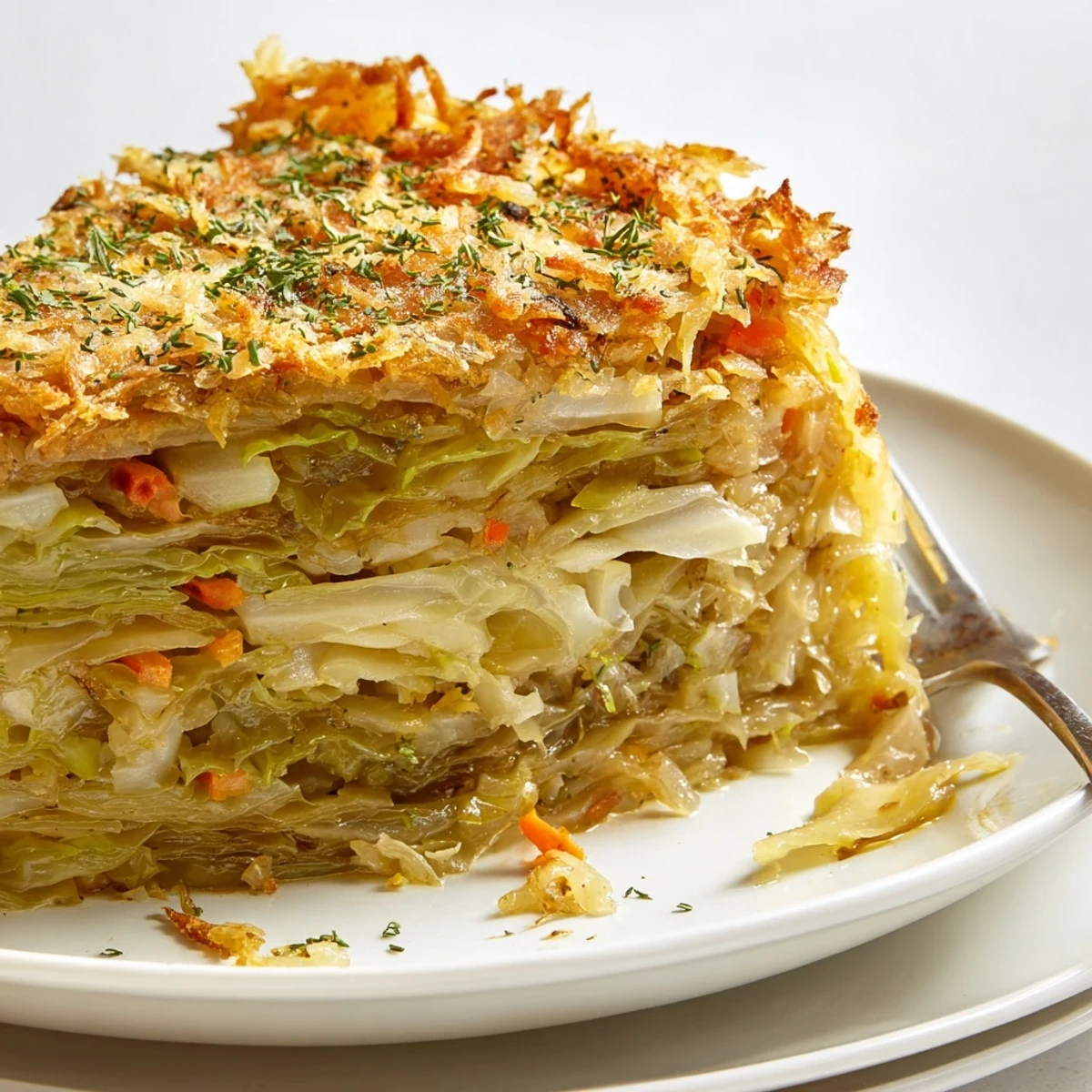
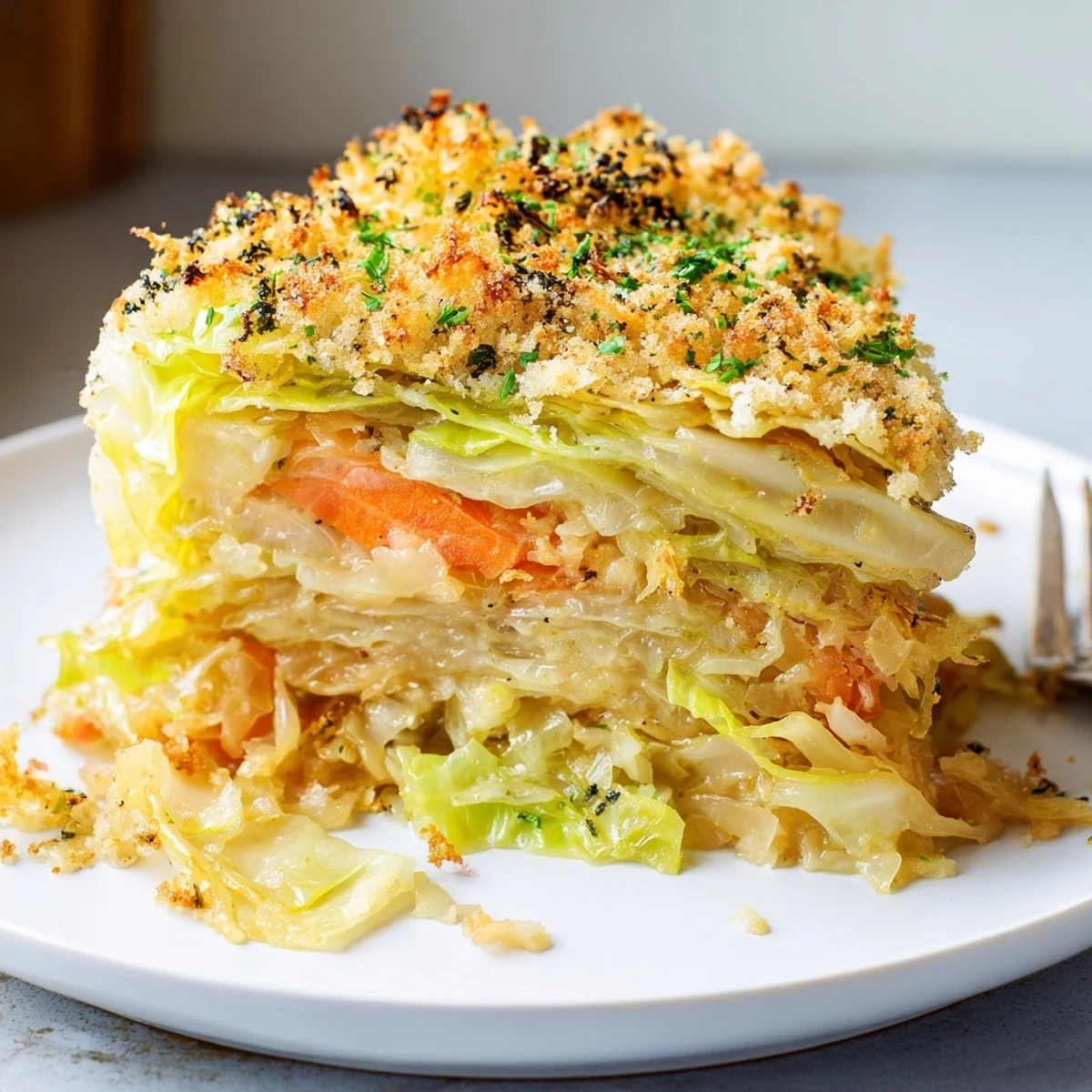
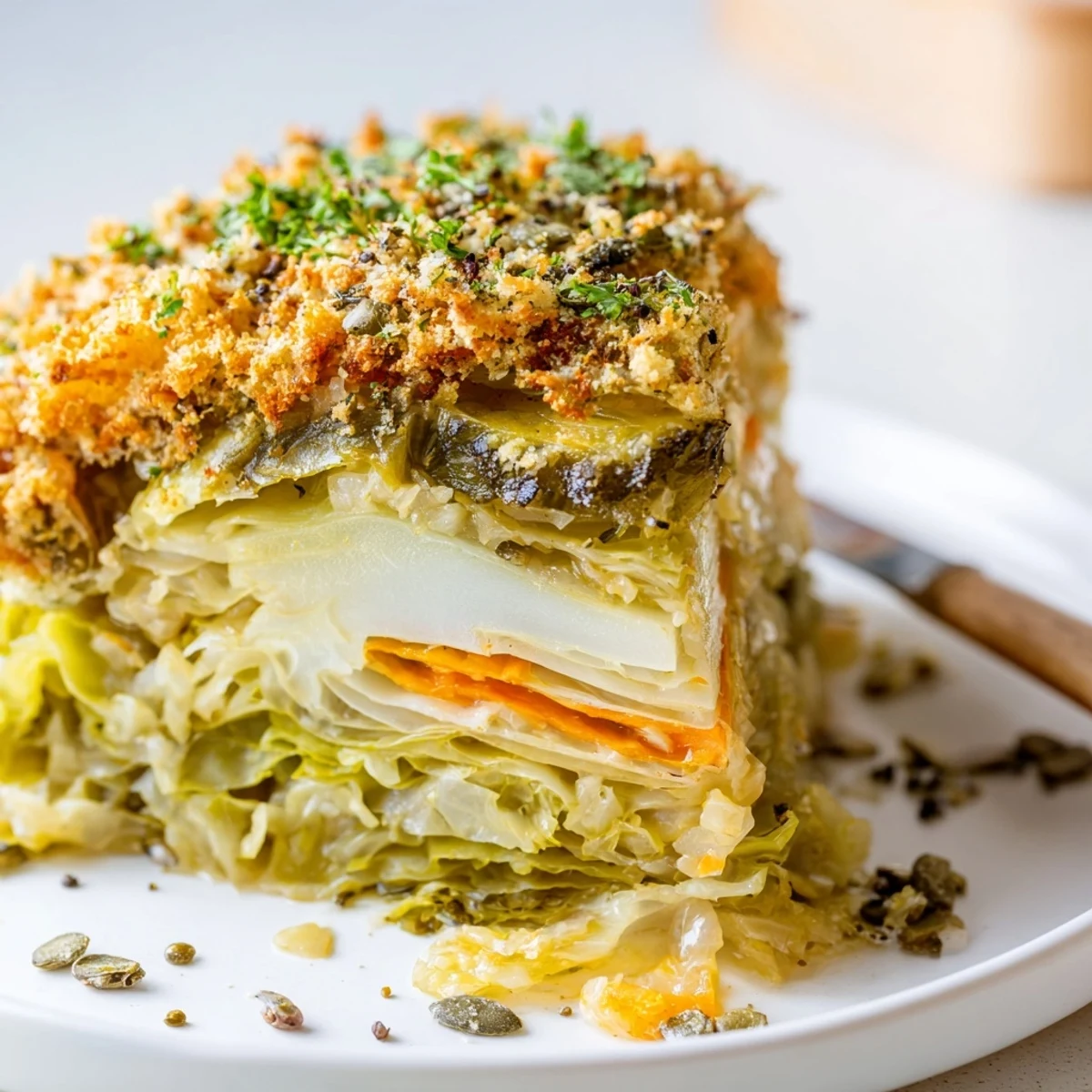
 Layer thick slices of cabbage with drained sauerkraut and sautéed onions, garlic and grated carrots in a greased casserole. Whisk sour cream, eggs and vegetable broth, pour over, cover and slow roast at 325°F (165°C) for 1½ hours. Uncover, scatter buttered breadcrumbs and bake 30 more minutes until golden. Let rest 10 minutes and garnish with parsley; serve warm with rye or mustard. Swap in vegan cream and flax eggs for a plant-based version or add smoked sausage for extra richness.
The smell that hit me when I opened my friends oven during a January dinner party was unlike anything I expected from cabbage. Slow roasted until sweet and tangled with sauerkraut, it had transformed into something deeply savory and almost meaty. I stood there holding a glass of Riesling, completely distracted from the conversation, just breathing it in. That dish followed me home and has lived in my winter rotation ever since.
I made this for my mother once when she was visiting during a bleak February weekend. She walked into the kitchen and said it smelled like her grandmothers apartment in Milwaukee, which was the highest compliment she knew how to give.
Ingredients
- 1 medium green cabbage (about 2 lbs), cored and thickly sliced: The cabbage is the star here, so pick one that feels dense and heavy for its size with tightly wrapped leaves.
- 2 cups sauerkraut, drained and rinsed: Rinsing tames the sharpness just enough so it blends rather than overpowers, but do not squeeze it dry.
- 1 large onion, thinly sliced: Onion slowly cooked down adds a natural sweetness that balances the tang of the sauerkraut beautifully.
- 3 garlic cloves, minced: Fresh garlic makes a noticeable difference here, so skip the jarred version if you can.
- 2 medium carrots, grated: Grated carrot melts into the layers and adds subtle sweetness and a lovely golden color throughout.
- 1 cup sour cream: Full fat sour cream creates the velvety custard that holds everything together.
- 2 large eggs: These bind the sour cream and broth into a rich pouring sauce that sets as it bakes.
- 3 tbsp olive oil: Use one tablespoon to grease the dish and the rest for softening the onions and aromatics.
- 1 cup vegetable broth: The broth keeps everything moist through the long roast and adds depth to every layer.
- 1 tsp caraway seeds (optional): Caraway is the quiet secret that makes this taste authentically German, so add it if you can find it.
- Salt and freshly ground black pepper: Season each layer as you build it rather than all at once for the most even flavor.
- 1 cup breadcrumbs: The topping turns golden and crunchy in the final half hour, creating the perfect contrast to the soft layers below.
- 2 tbsp melted butter: Tossed with the breadcrumbs, it ensures every bit of the crust gets rich and beautifully browned.
Instructions
- Preheat and prepare the dish:
- Set your oven to 325 degrees Fahrenheit and grease a large casserole dish with one tablespoon of olive oil, making sure to coat the corners well so nothing sticks.
- Soften the aromatics:
- Heat the remaining olive oil in a large skillet over medium heat and cook the sliced onion, stirring occasionally, until it turns translucent and floppy, about five minutes. Toss in the garlic and grated carrots and let them cook together for two more minutes until everything smells warm and fragrant.
- Build the layers:
- Arrange half the cabbage slices across the bottom of the dish, then scatter half the sauerkraut over it followed by half the cooked onion mixture. Sprinkle with salt, pepper, and caraway seeds if using, then repeat all the layers once more.
- Pour the custard:
- Whisk together the sour cream, eggs, and vegetable broth in a bowl until perfectly smooth, then pour it slowly and evenly over the entire casserole so it seeps down through every layer.
- Slow roast covered:
- Cover the dish tightly with aluminum foil and slide it into the oven for one hour and thirty minutes, letting the cabbage steam and soften in the creamy broth until it is completely tender.
- Add the crunchy topping:
- While the casserole roasts, stir the breadcrumbs together with the melted butter in a small bowl until the crumbs are evenly coated and smell like toasted grain.
- Finish uncovered:
- Remove the foil and scatter the buttered breadcrumbs over the top in an even layer. Return the dish to the oven uncovered for another thirty minutes until the crust is deeply golden and the edges are bubbling.
- Rest and serve:
- Let the casserole stand for ten minutes before cutting into it so the custard has time to set and hold its shape. Garnish with fresh parsley if you like a bit of green against that golden crust.
 Pin this
 The night I served this to a group of friends, one of them quietly went back for thirds and then asked if it would be rude to take the rest home. It is that kind of dish, unassuming but impossible to stop eating.
Serving Ideas That Really Work
This casserole is deeply satisfying on its own but it truly sings when paired with a thick slice of dark rye bread and a smear of sharp German mustard. I have also served it alongside roasted sausages for friends who wanted something heartier, and the combination is unbeatable on a cold evening.
Making It Your Own
The recipe is wonderfully flexible once you understand the basic structure of layered vegetables and poured custard. I have added diced smoked sausage when feeding a hungry crowd and swapped in plant based sour cream with a flax egg for my vegan neighbor, and both versions disappeared just as fast.
Storage and Reheating Advice
This casserole actually tastes better the next day when the flavors have had time to mingle and settle in the fridge overnight. Reheat it covered with foil at 325 degrees Fahrenheit for about twenty minutes until warmed through.
- Store leftovers in an airtight container in the refrigerator for up to four days.
- Freeze individual portions wrapped tightly in foil for up to two months.
- Always reheat gently rather than zapping it in the microwave so the custard stays smooth.
 Pin this
 Some dishes you cook to impress and some you cook because they make the house smell like a place nobody wants to leave. This is firmly the second kind, and it earns a permanent spot in any winter kitchen.
Recipe FAQs
- → Can I make this ahead of time?
-
Yes. Assemble the layers and keep covered in the fridge for up to 24 hours. Bring to room temperature before roasting and extend covered cook time by 5–10 minutes if chilled.
- → How do I keep the topping crisp?
-
Mix breadcrumbs with melted butter right before adding and bake uncovered for the final 30 minutes. A quick blast under a hot broiler for 1–2 minutes will deepen the color—watch closely to avoid burning.
- → Can I use a different cabbage?
-
Yes. Savoy or red cabbage both work; adjust roasting time slightly for denser heads. Red cabbage will lend a sweeter, earthier flavor and a darker appearance.
- → How can I make this gluten-free or vegan?
-
Use gluten-free breadcrumbs or crushed GF crackers for the topping. For a vegan version, substitute plant-based sour cream and replace eggs with a flaxseed slurry or a commercial egg replacer.
- → Will the sauerkraut make the dish too salty?
-
Rinse and drain sauerkraut to reduce salt and tang. Taste the assembled dish's liquid before seasoning and adjust salt sparingly—broth and buttered crumbs can add extra saltiness.
- → Can I add meat or smoked elements?
-
Yes—diced smoked sausage, bacon, or pancetta can be sautéed with the onions for a heartier, smoky profile. Drain excess fat before layering to prevent a greasy bake.